Unlimited Placement Flexibility for Any Environment
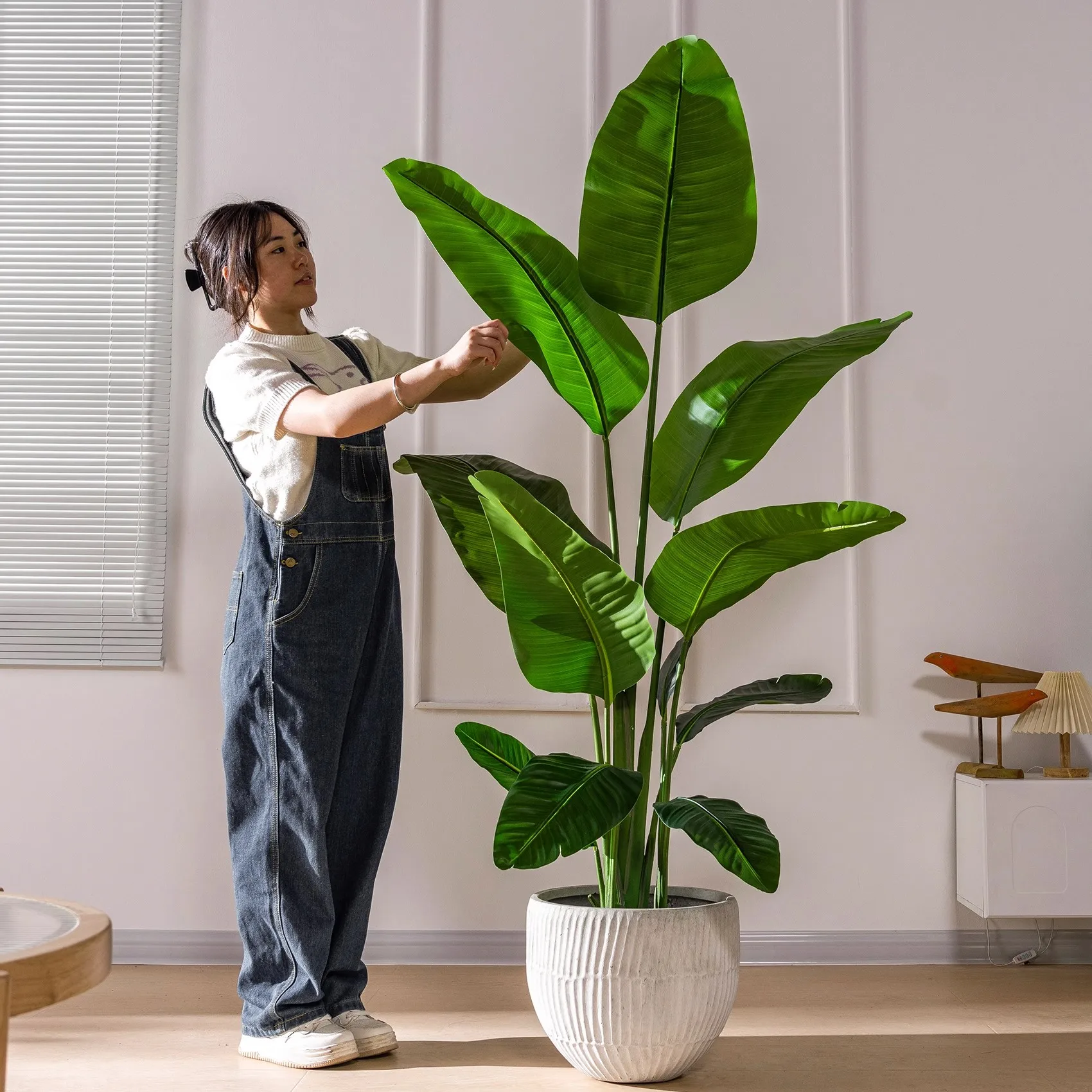
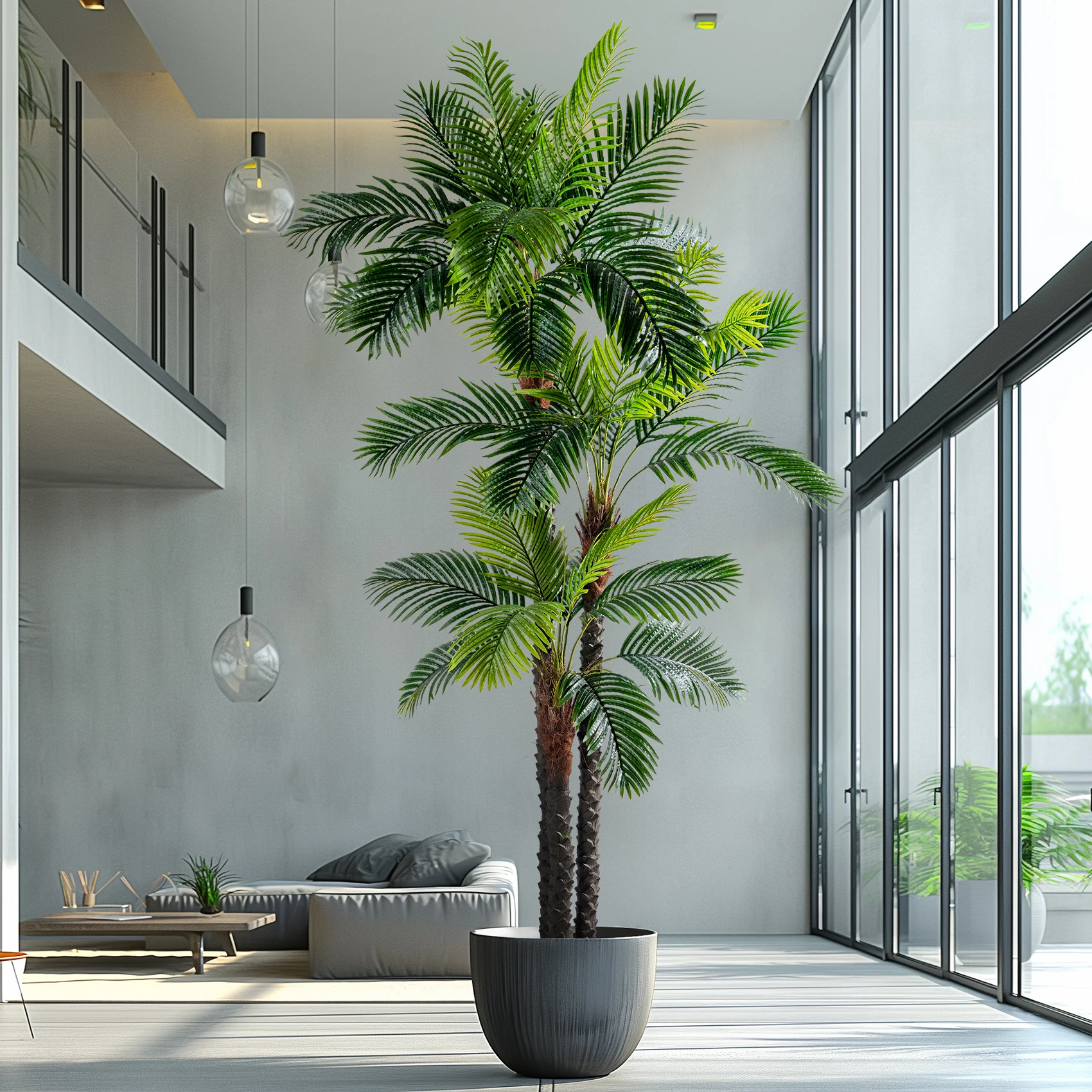
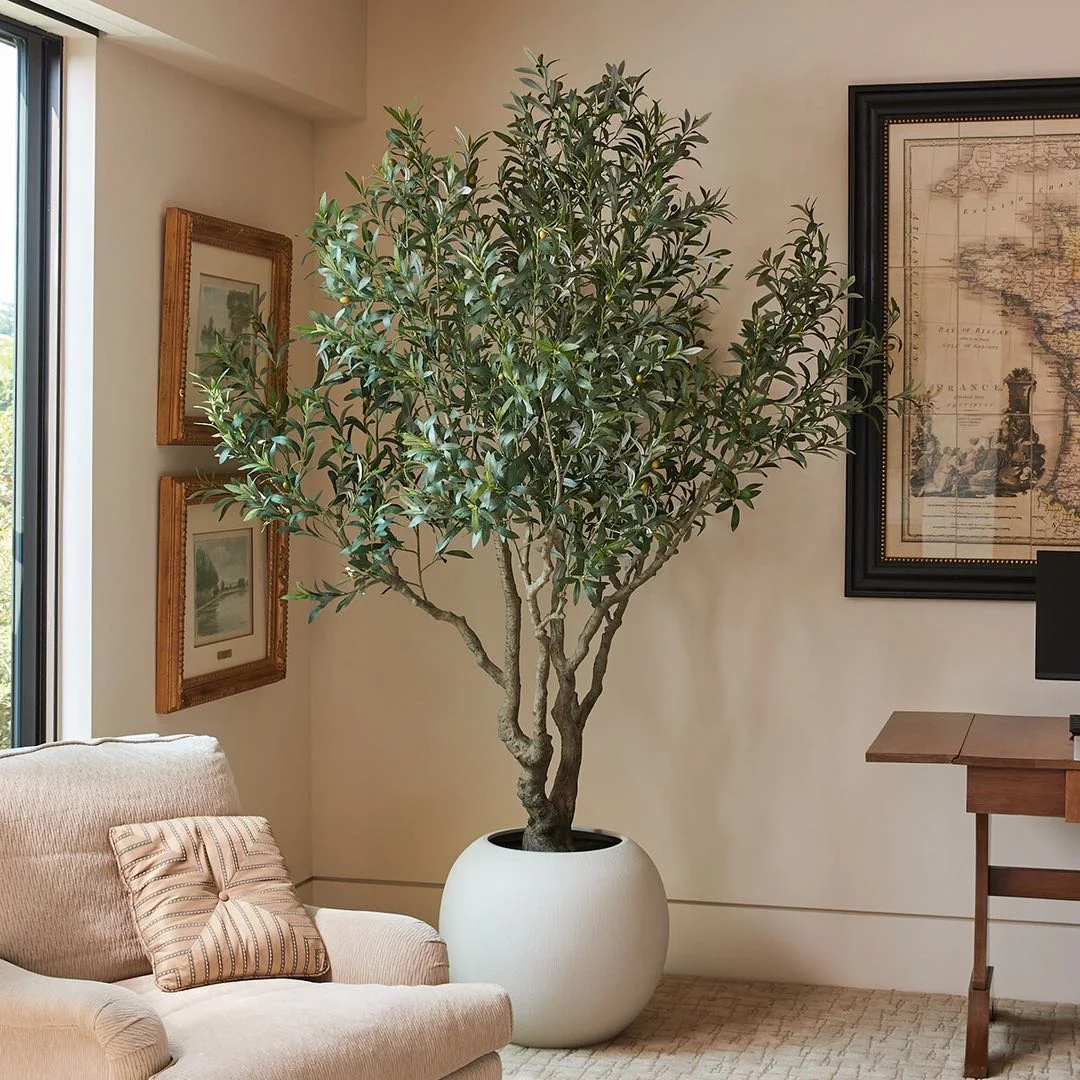
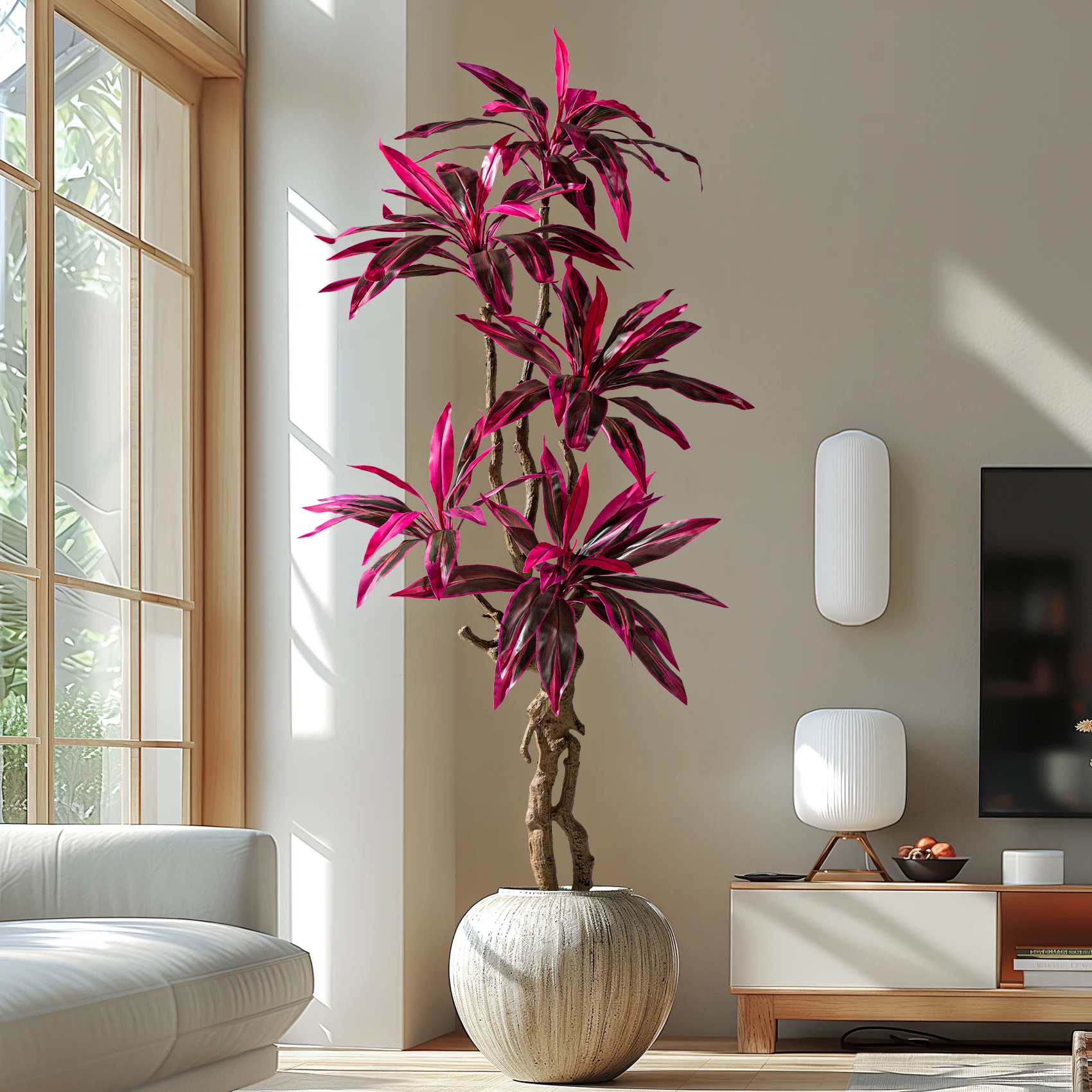
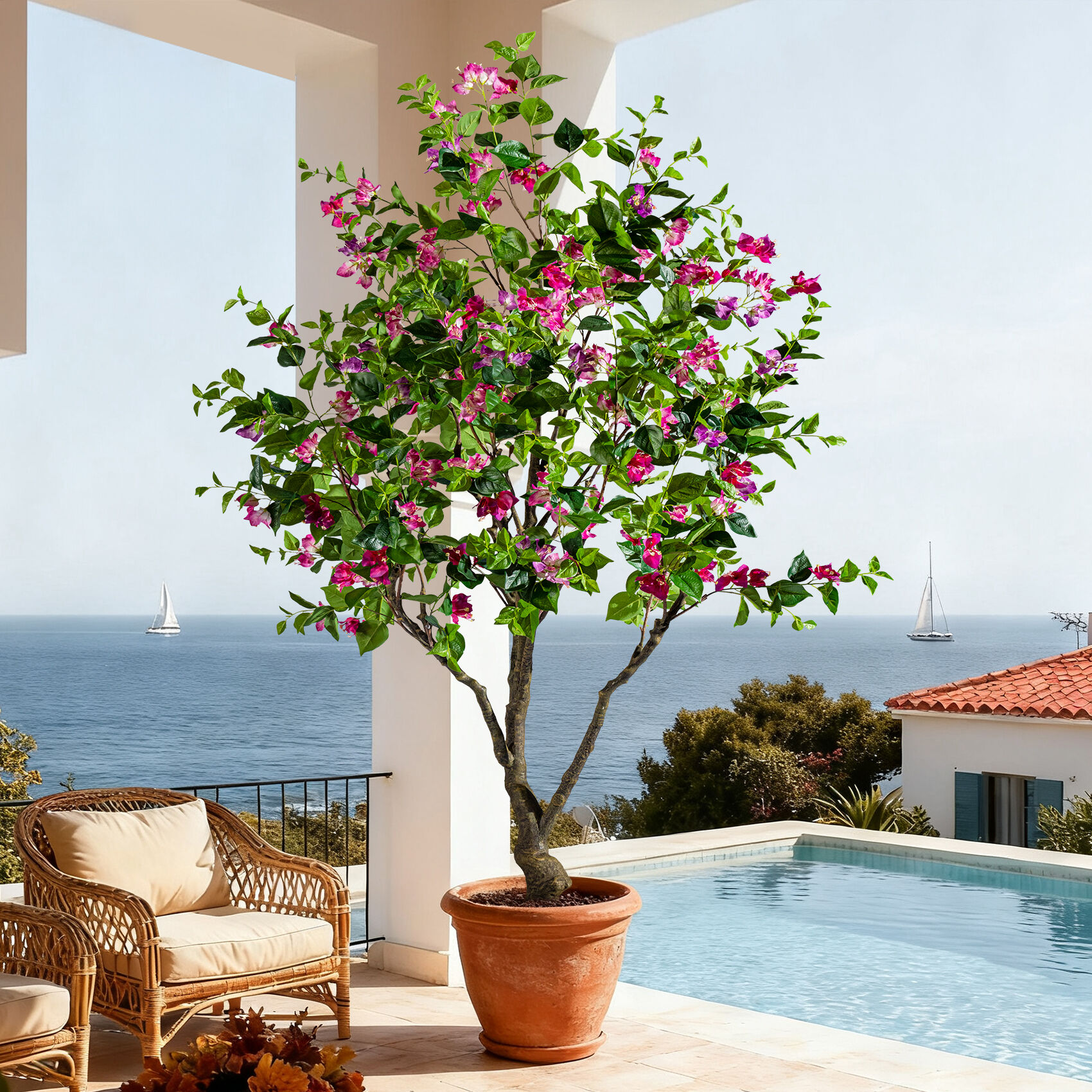
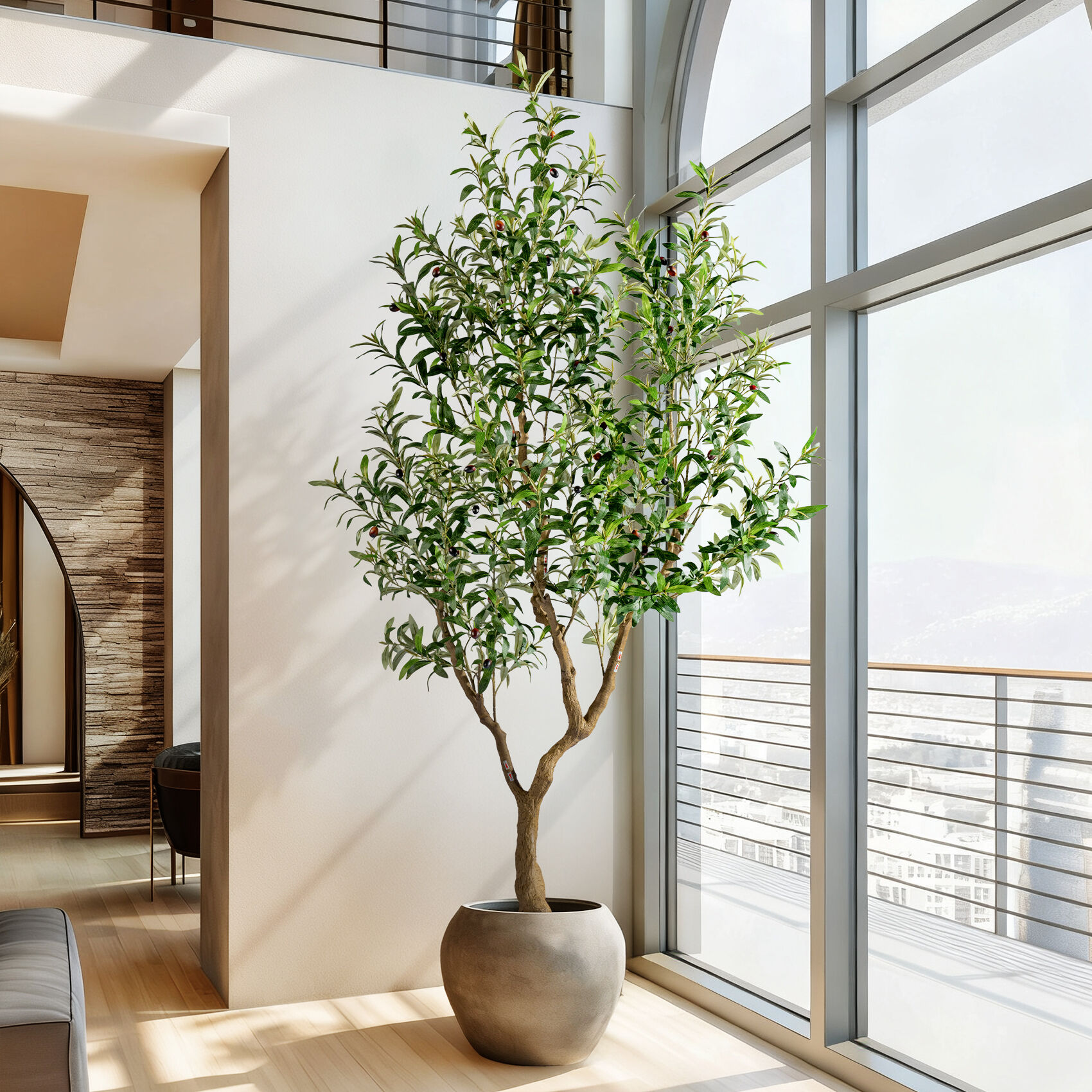
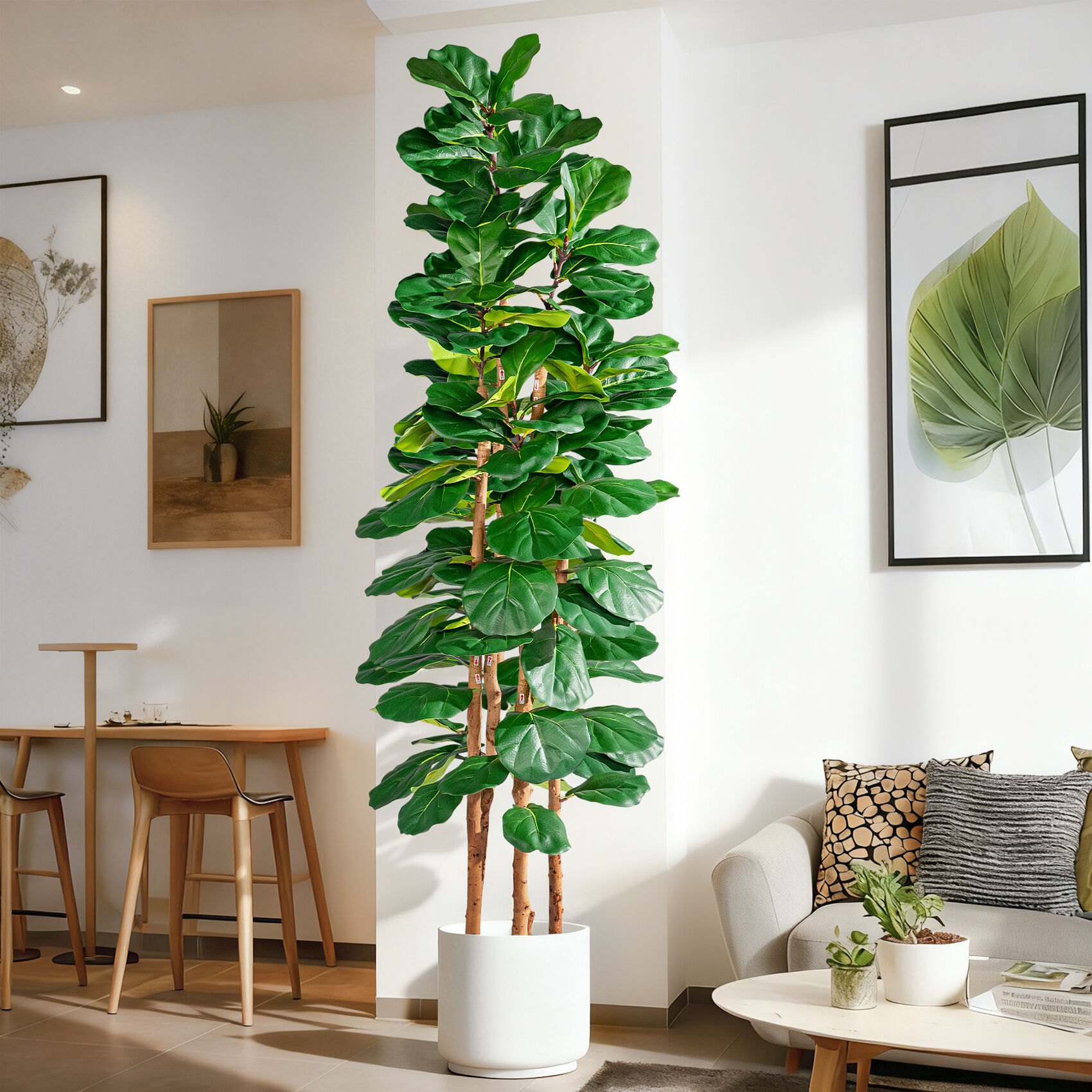
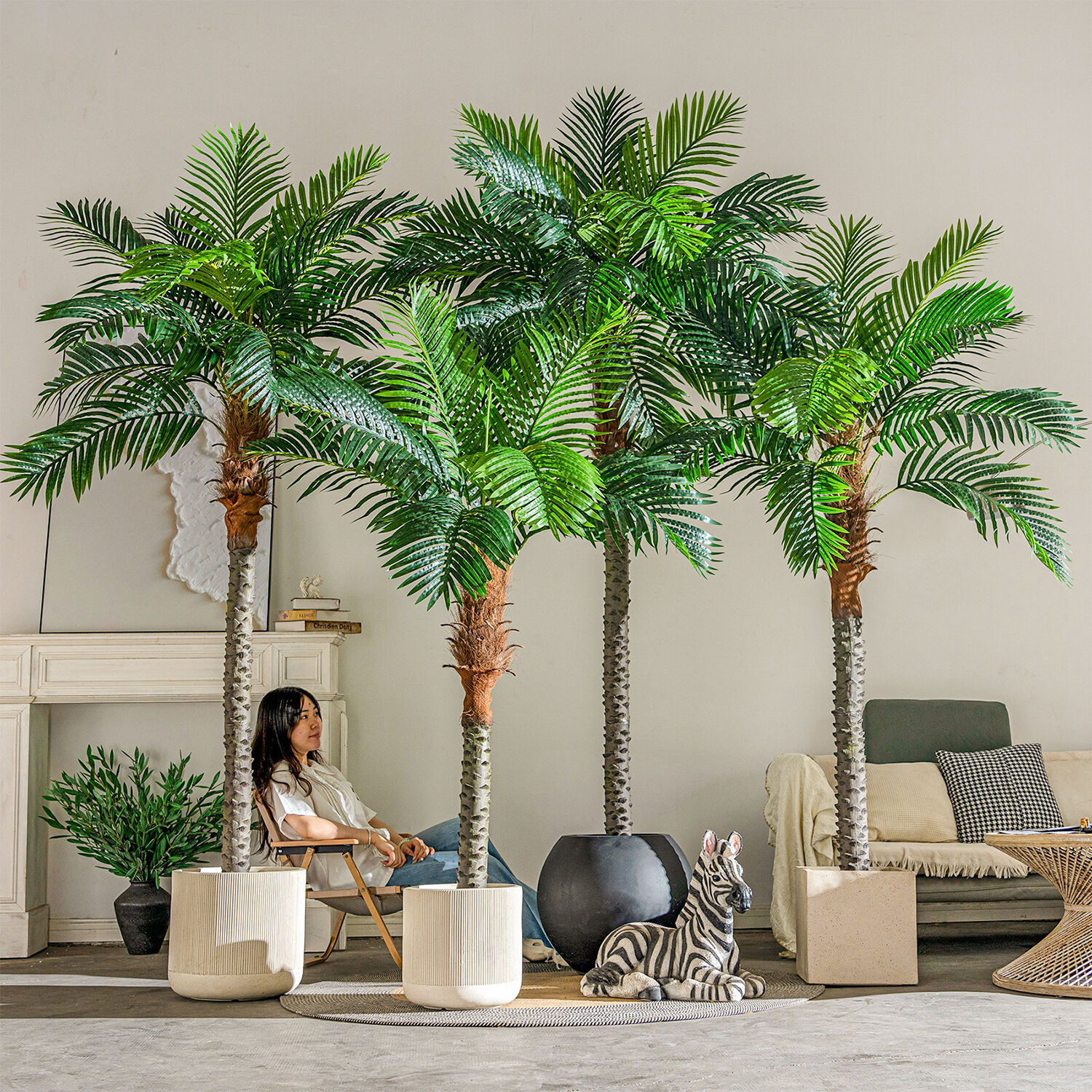
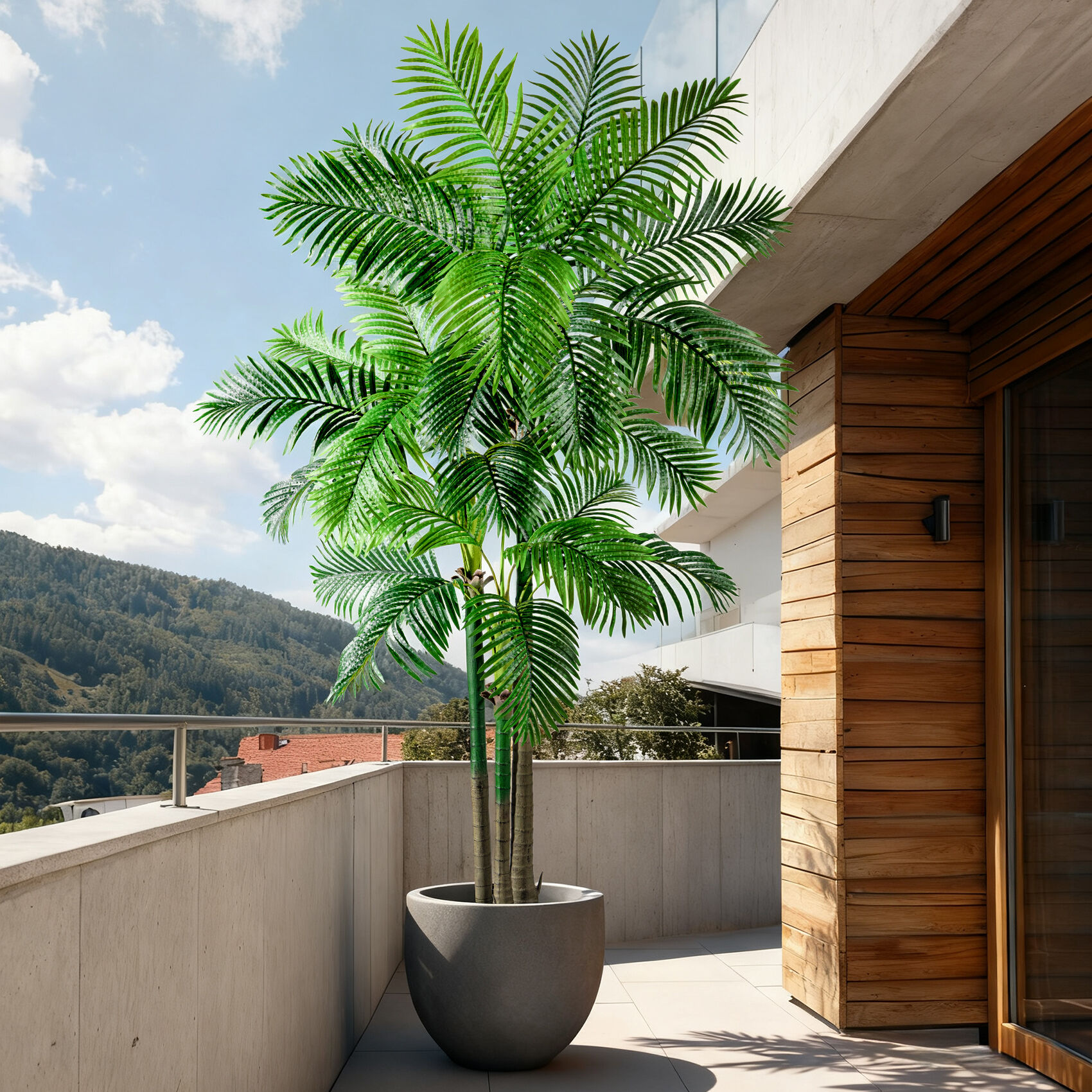
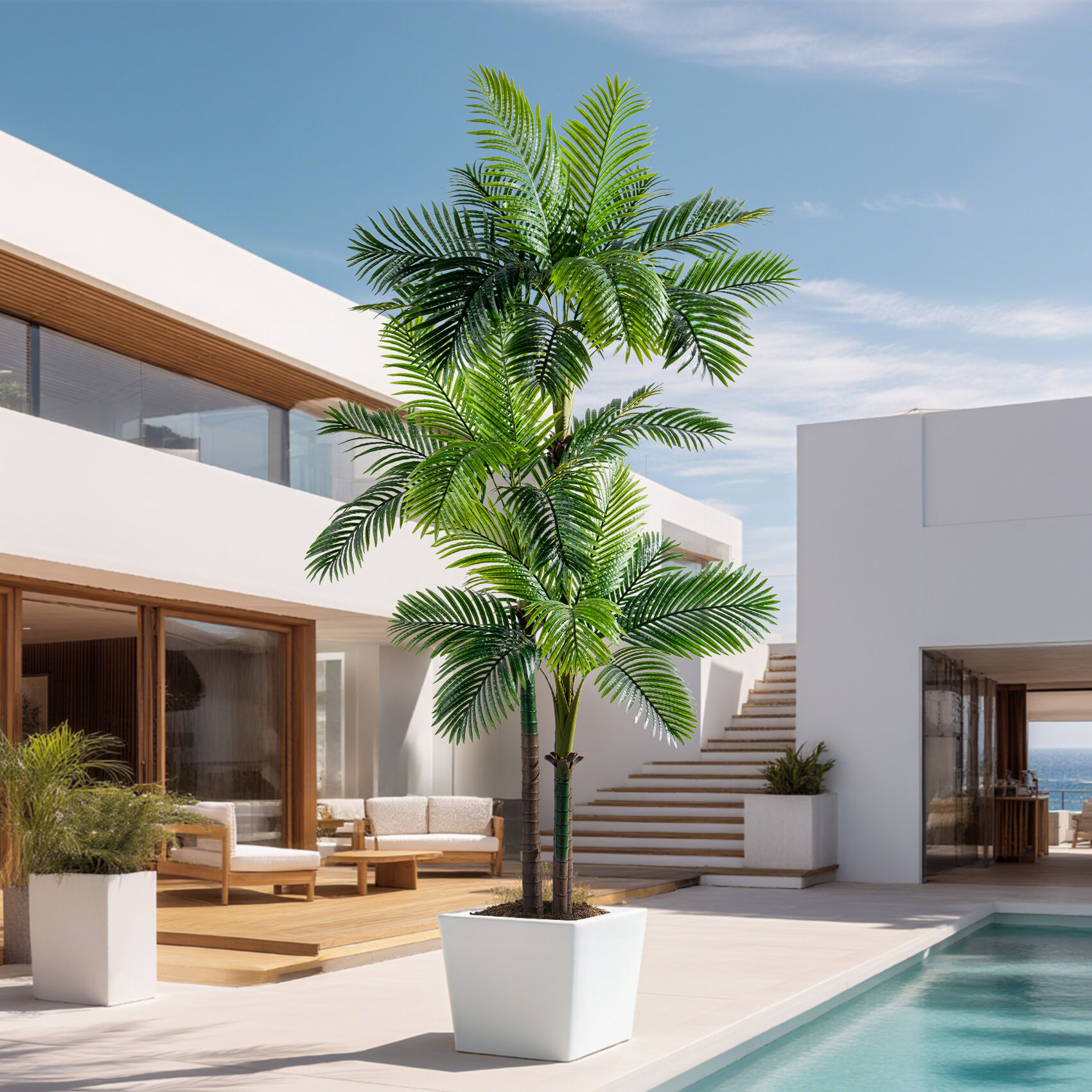
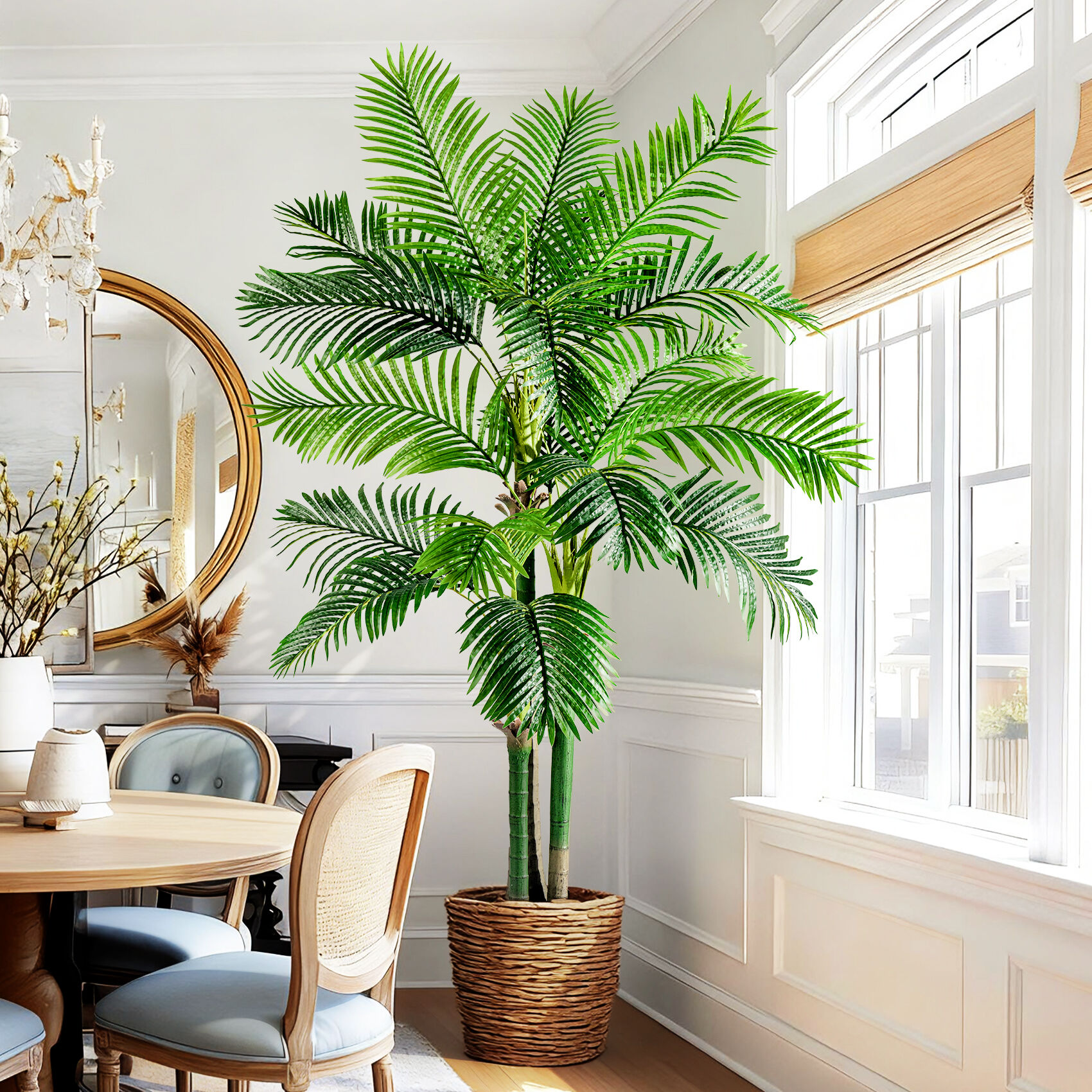
The best indoor fake plants revolutionize interior design possibilities by eliminating the environmental constraints that limit live plant placement, opening up creative opportunities that were previously impossible. This unprecedented flexibility allows designers and homeowners to incorporate lush greenery into spaces where natural plants would struggle or fail entirely. Dark corners, windowless offices, basements, and interior rooms without natural light become viable locations for beautiful botanical displays. The absence of photosynthesis requirements means these artificial specimens thrive in environments with exclusively artificial lighting, fluorescent fixtures, or no consistent light sources. Temperature extremes that would stress or kill living plants have no impact on synthetic alternatives, making them perfect for spaces with irregular heating or cooling, such as seasonal homes, workshops, or commercial buildings with variable climate control. Humidity considerations become irrelevant as the best indoor fake plants perform equally well in dry desert climates and humid coastal regions without the leaf browning, wilting, or fungal issues that plague natural specimens. The elimination of soil requirements prevents moisture-related problems that can damage floors, furniture, and carpeting while removing concerns about proper drainage systems or waterproof containers. This soil-free advantage makes these artificial plants ideal for elevated shelving, delicate antique furniture, or spaces where water spillage could cause significant damage. Installation becomes possible in areas with limited access where regular maintenance would be difficult or impossible, such as high ceilings, narrow ledges, or architectural niches. The best indoor fake plants can be positioned in high-traffic areas without concerns about accidental damage, bumping, or disruption that would harm delicate living plants. Their stability allows for placement in children's rooms, pet areas, and public spaces where natural plants might pose safety risks or require protective barriers. This versatility extends to seasonal decorating schemes where plants can be easily relocated, stored, and redeployed without the shock and acclimation period required for living specimens when changing environments.

 EN
EN