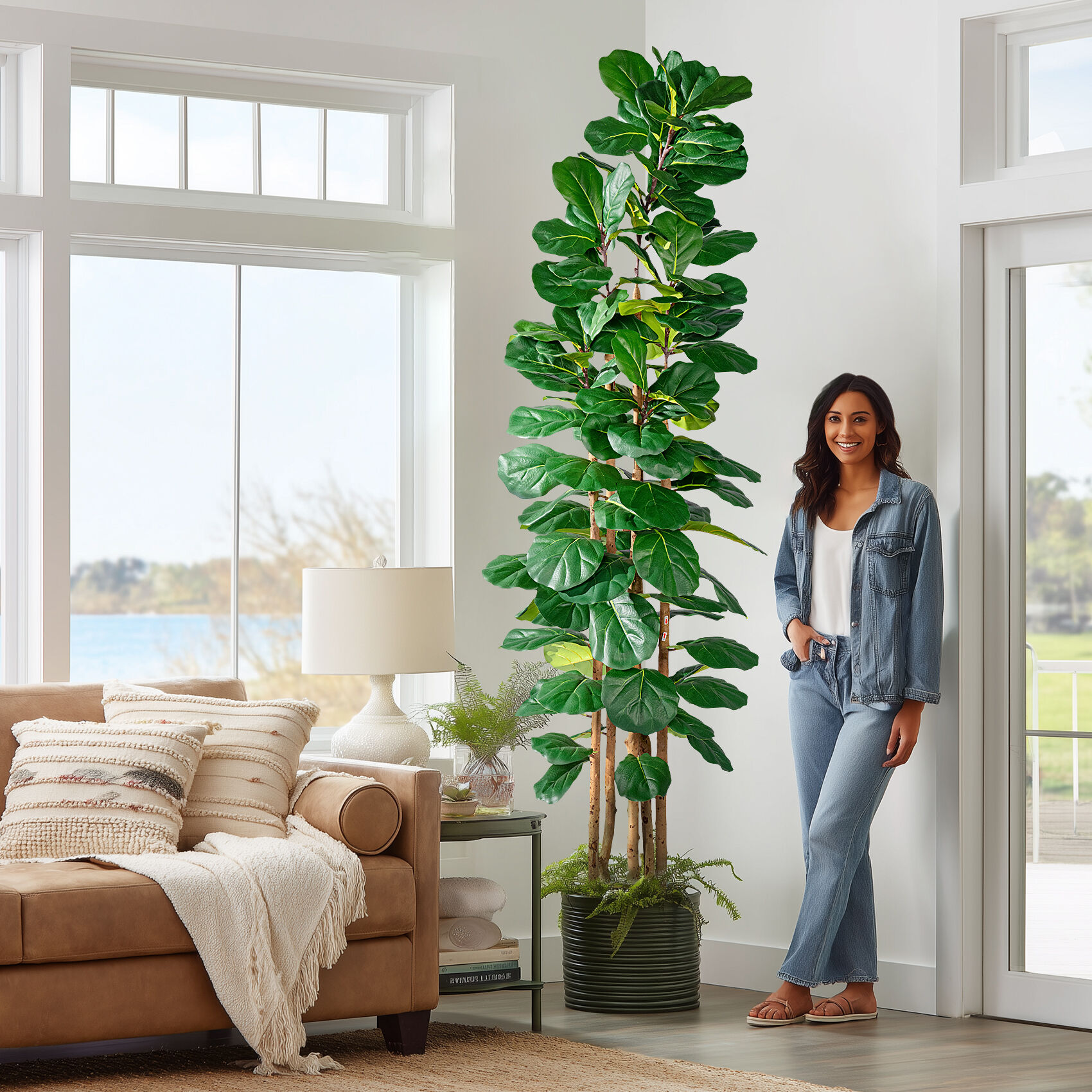
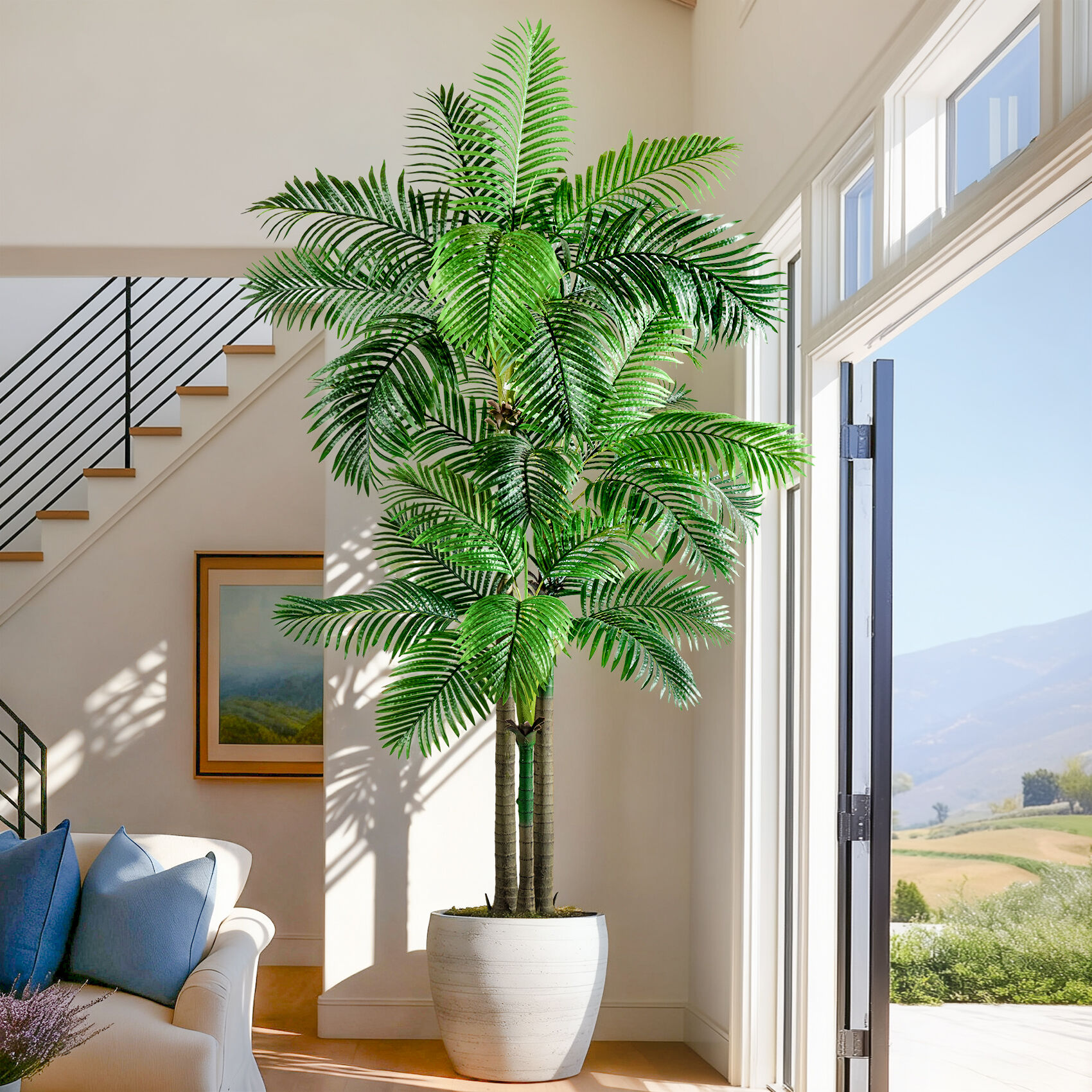
Ultimate Placement Flexibility and Environmental Adaptability
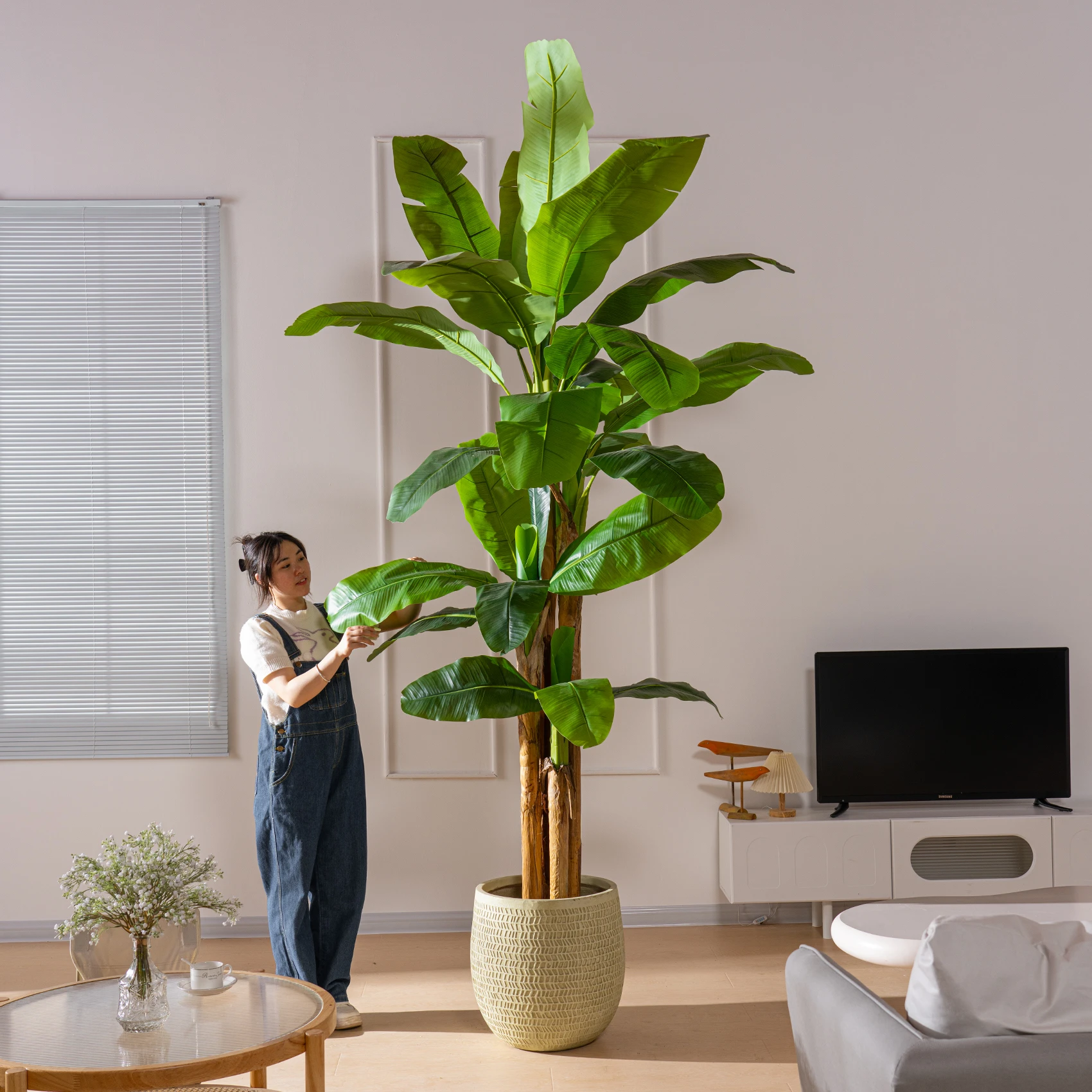
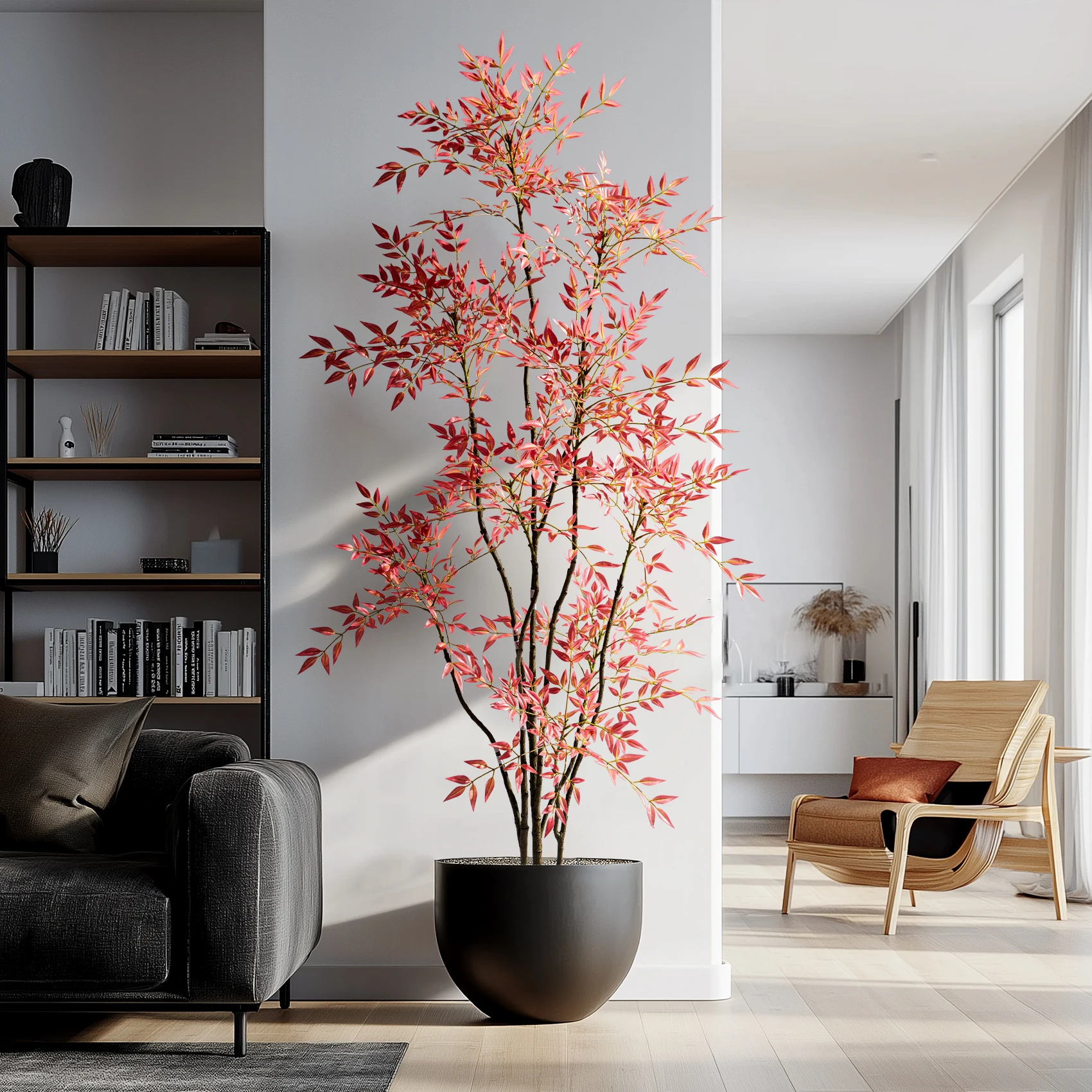
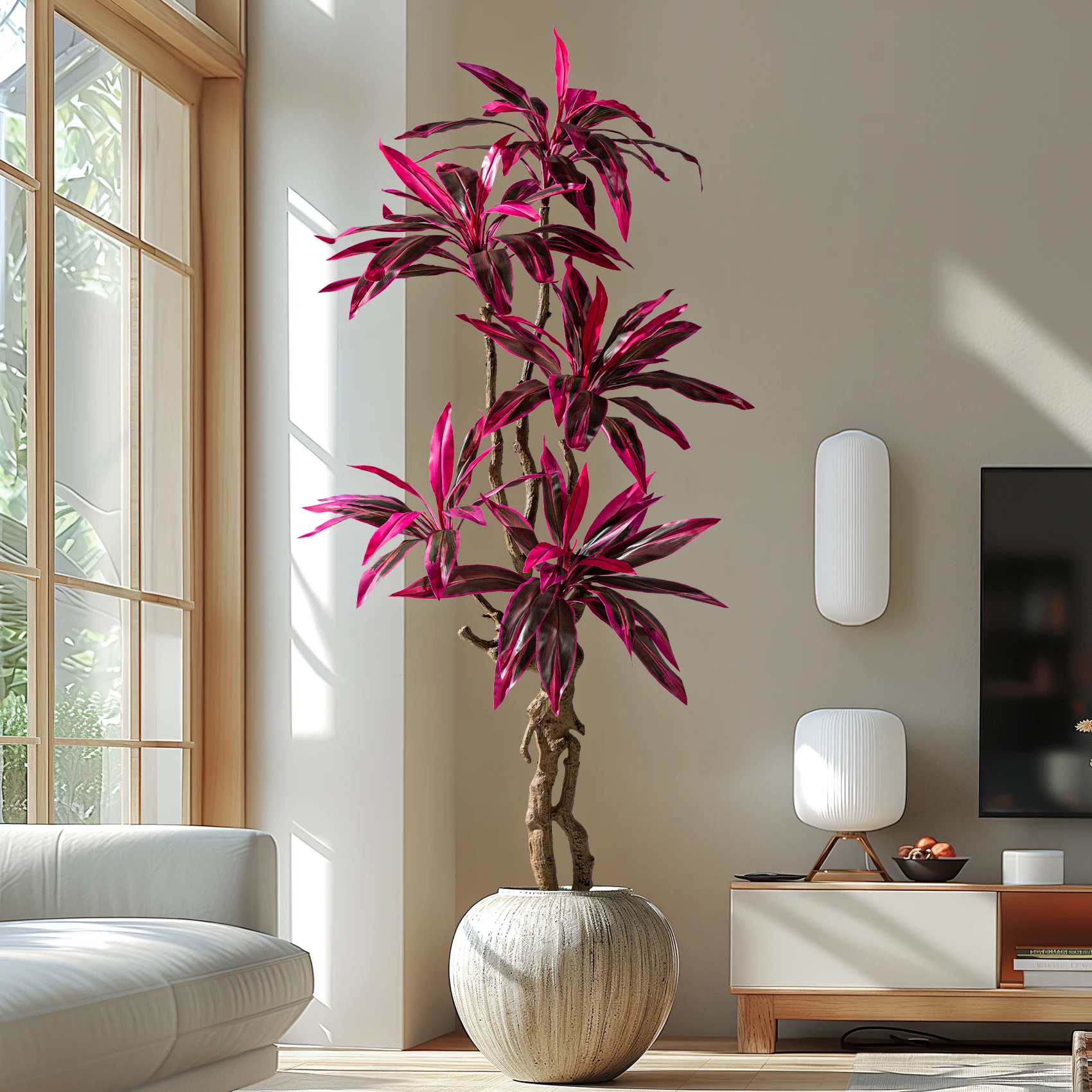
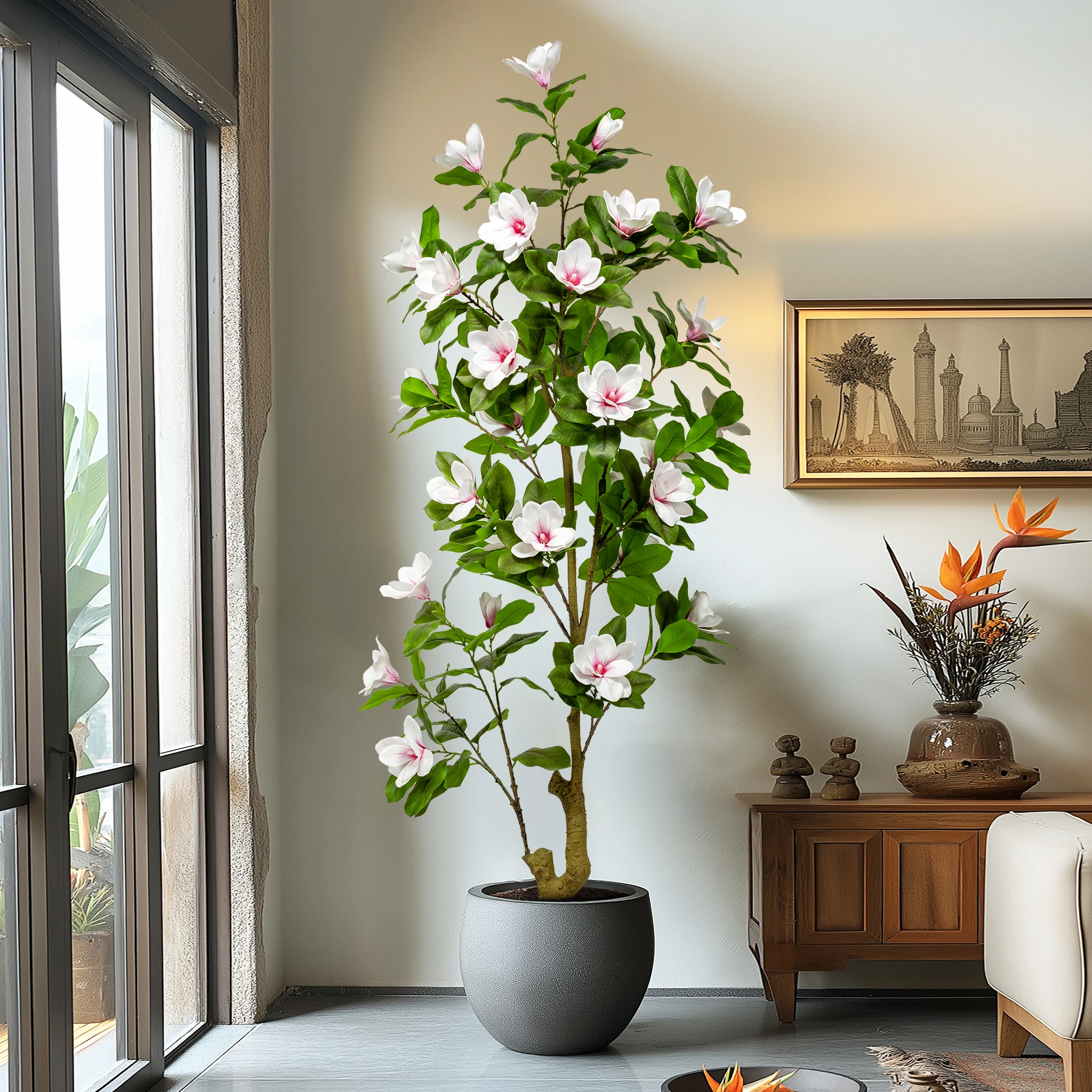
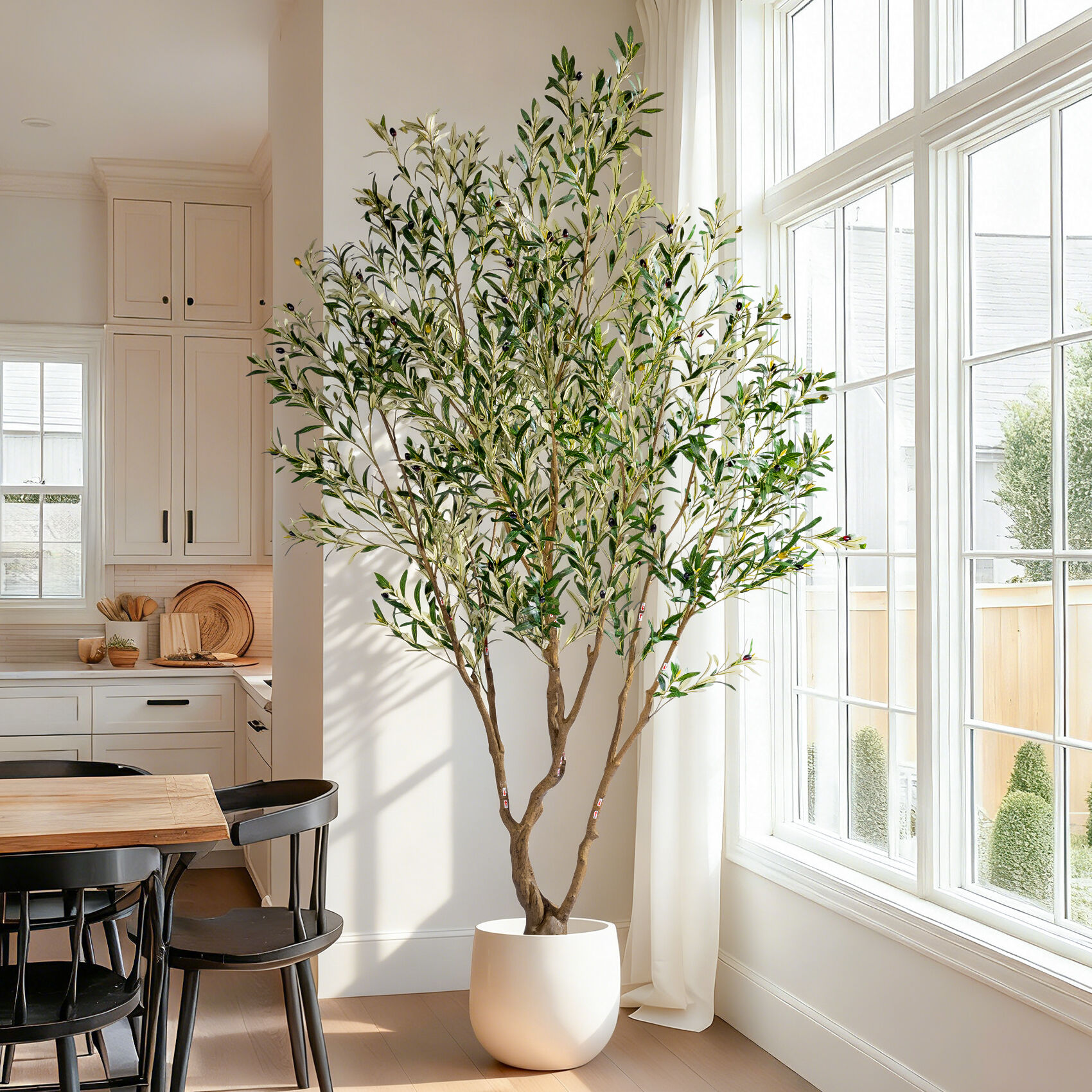
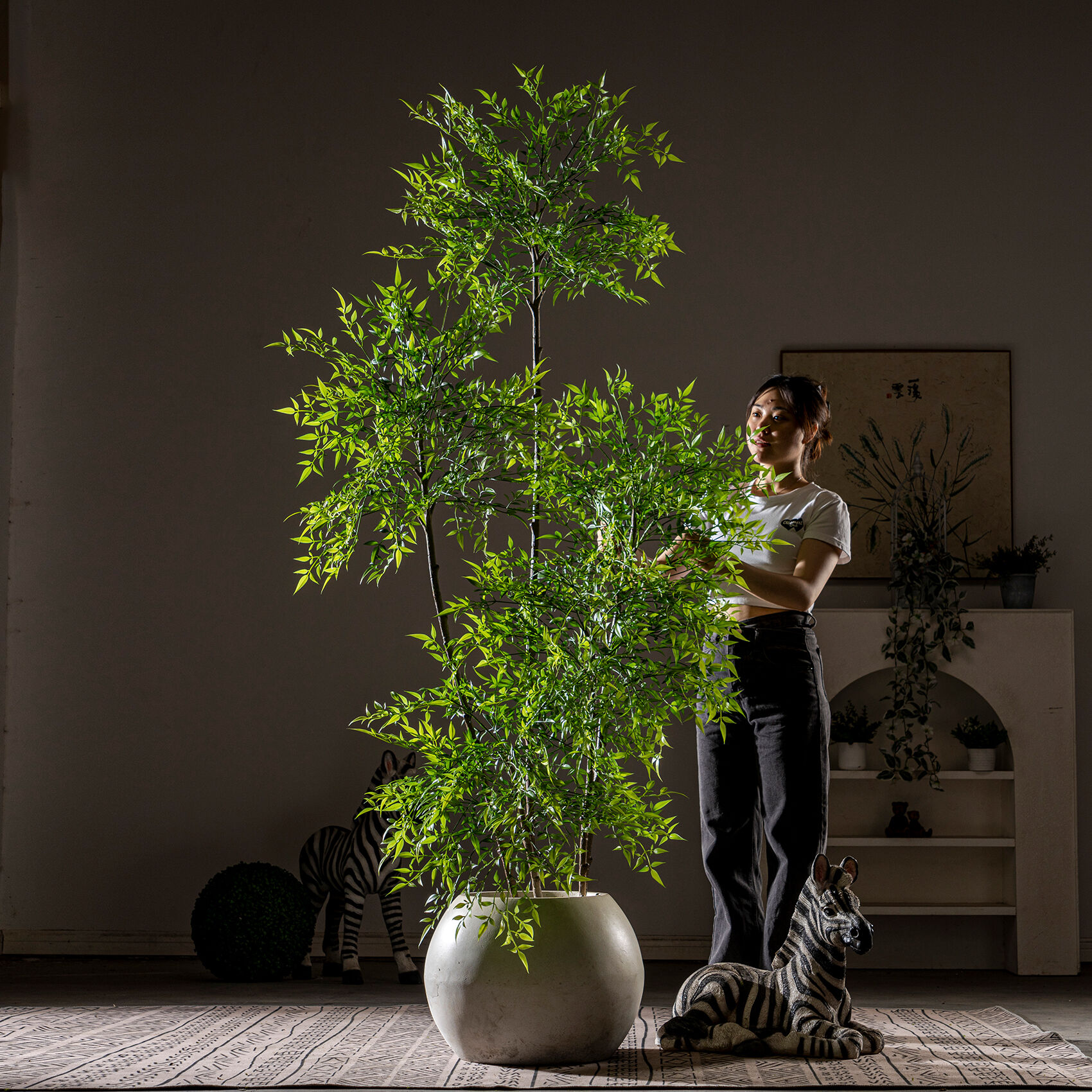
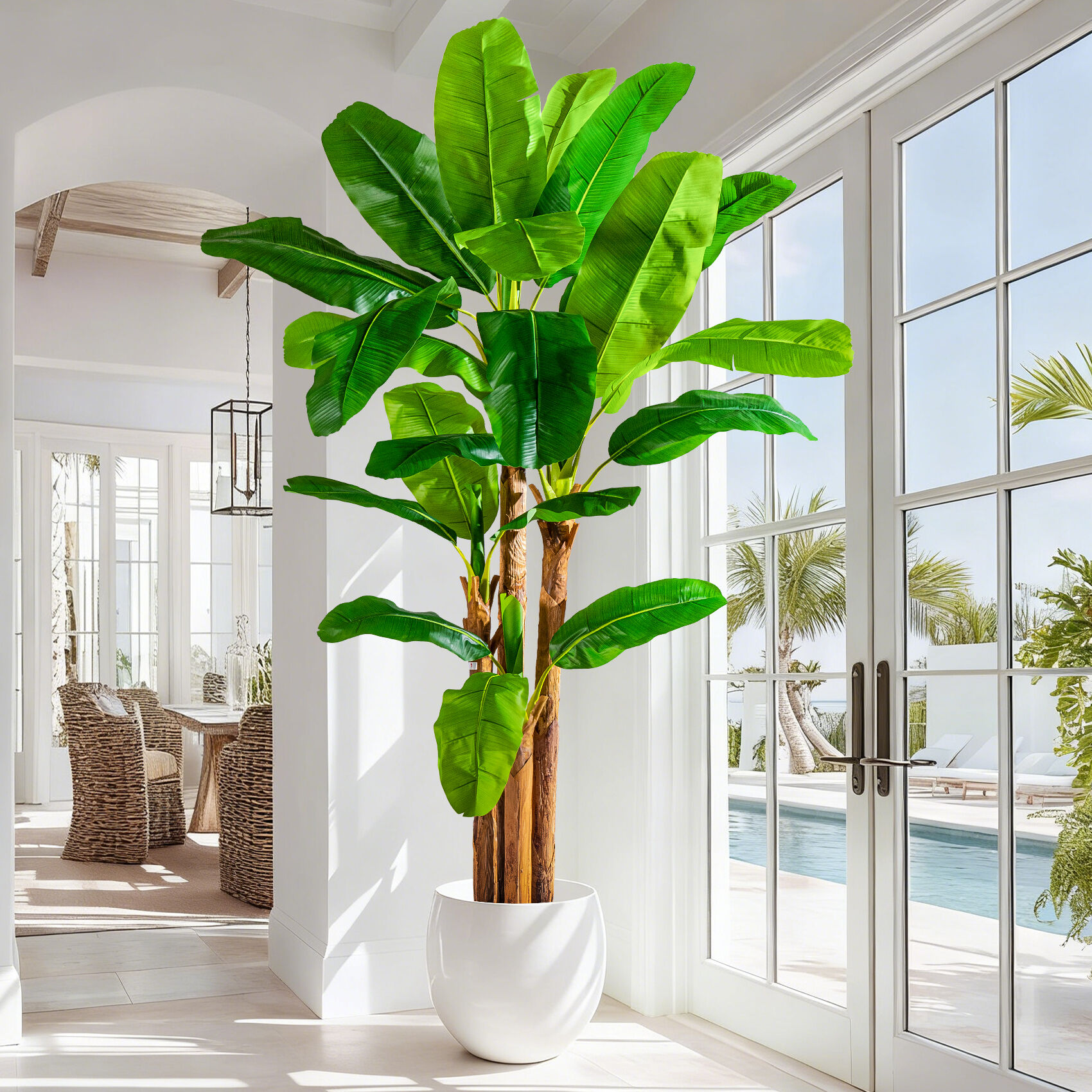
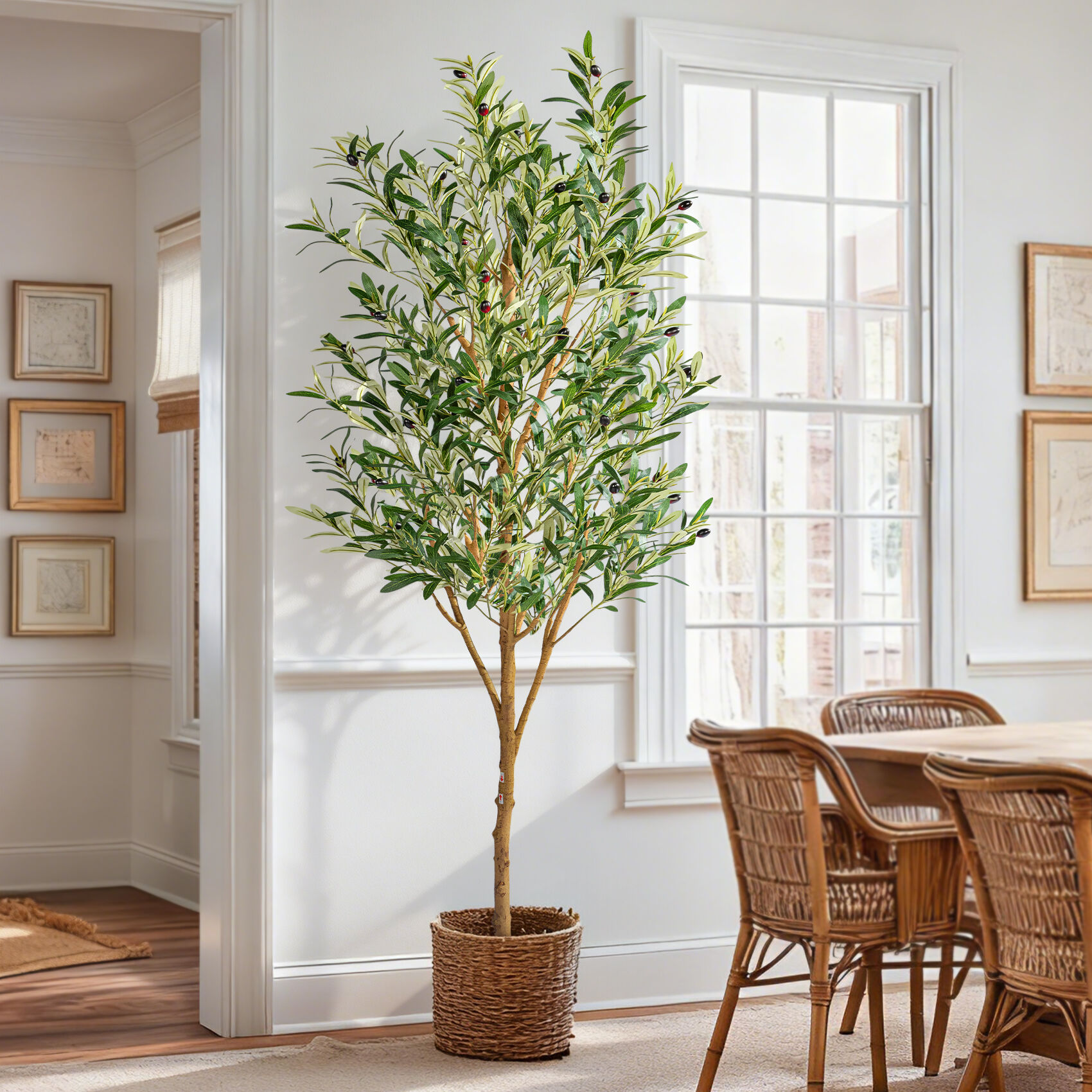
The best artificial plants for indoors offer unparalleled placement flexibility and environmental adaptability that opens unlimited possibilities for interior design and space enhancement. Unlike living plants that require specific lighting conditions, artificial alternatives thrive in any environment, from completely windowless spaces to areas with inconsistent natural light, providing decorators with absolute freedom in plant placement and arrangement. This flexibility extends to challenging locations including basements, interior bathrooms, conference rooms, retail displays, and medical facilities where traditional plants would struggle or fail entirely due to environmental limitations. Temperature tolerance represents a significant advantage, as artificial plants remain unaffected by heating and cooling fluctuations, drafts, or proximity to heat sources that would stress living vegetation, making them ideal for spaces near radiators, air conditioning vents, or in climate-controlled environments with extreme temperature variations. The best artificial plants for indoors adapt seamlessly to various humidity levels, from desert-dry office environments to moisture-rich bathroom settings, eliminating concerns about leaf drop, mold development, or structural damage that affects live plants in unsuitable humidity conditions. Lighting independence allows artificial plants to enhance spaces with poor natural light access, including interior offices, hallways, storage areas, and entertainment venues where traditional plants would require expensive artificial lighting systems to survive and thrive. Air quality tolerance enables placement in environments with chemical exposure, dust, or poor ventilation that would harm living plants, making artificial alternatives perfect for industrial settings, workshops, or areas with air quality concerns. The mobility advantage allows instant relocation without establishment periods, transplant shock, or adaptation requirements, enabling flexible decoration strategies that respond to changing space utilization or design preferences. Vertical and overhead placement becomes possible with artificial plants, as weight considerations and drainage requirements disappear, allowing for creative installations including wall-mounted displays, hanging arrangements, and ceiling-suspended gardens that would be impractical with living plants. Seasonal consistency eliminates the need for plant rotation or replacement based on changing environmental conditions, providing reliable decoration that maintains its appearance regardless of external weather patterns or indoor climate control variations. The best artificial plants for indoors excel in specialized environments including sterile medical facilities, food service areas, or cleanroom environments where living plants might introduce contamination risks or violate health regulations, expanding decoration possibilities in previously restricted spaces.

 EN
EN