
 EN
EN

Modern homeowners and commercial property managers increasingly turn to weatherproof artificial greenery as a sustainable solution for maintaining attractive landscapes year-round. Unlike traditional plants that require constant watering, seasonal replanting, and protection from harsh weather conditions, synthetic alternatives offer consistent beauty without the ongoing maintenance burden. The evolution of manufacturing techniques has produced remarkably realistic options that withstand UV radiation, temperature fluctuations, and moisture exposure while maintaining their vibrant appearance for years.
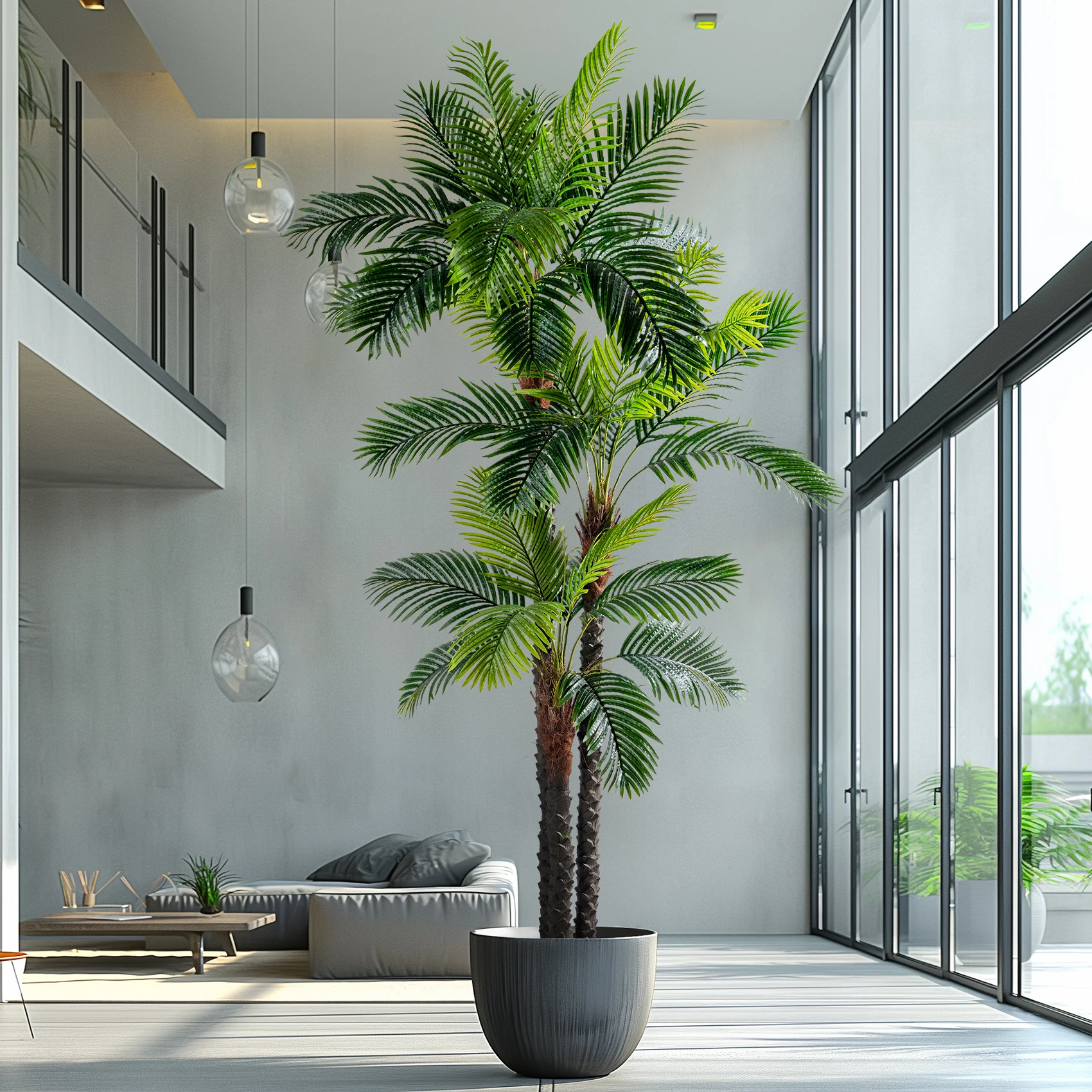
The advancement in polymer technology and UV-resistant coatings has revolutionized the artificial plant industry, creating products that closely mimic natural foliage while offering superior durability. Property owners can now achieve stunning visual impact regardless of climate challenges, soil conditions, or water restrictions that might otherwise limit their landscaping options.
Understanding UV-Resistant Technology in Synthetic Plants
Advanced Polymer Construction Methods
Contemporary weatherproof artificial greenery utilizes sophisticated polymer blends that resist degradation from ultraviolet exposure. Manufacturers incorporate stabilizing agents directly into the material matrix, ensuring color retention and structural integrity even after years of direct sunlight exposure. This technology prevents the fading and brittleness that plagued earlier synthetic plant generations.
The manufacturing process involves multiple layers of protection, including UV-blocking additives in the base material and specialized surface treatments that reflect harmful radiation. These innovations allow artificial plants to maintain their realistic appearance in environments where natural plants might struggle to survive, making them ideal for challenging outdoor installations.
Color Stability and Fade Prevention
High-quality weatherproof artificial greenery incorporates colorfast technology that maintains vibrant hues throughout extended outdoor exposure. The pigmentation process involves embedding color molecules deep within the synthetic material rather than applying surface coatings that can wear away over time. This approach ensures consistent coloration that resists bleaching from intense sunlight.
Advanced manufacturing techniques create subtle color variations within individual leaves and branches, mimicking the natural diversity found in living plants. These sophisticated coloring methods produce synthetic foliage that appears authentic from both close inspection and distant viewing angles, contributing to convincing landscape designs.
Installation Strategies for Maximum Visual Impact
Strategic Placement Principles
Successful implementation of weatherproof artificial greenery requires thoughtful consideration of viewing angles, lighting conditions, and architectural elements. Professional installers recommend positioning larger specimens as focal points while using smaller plants to create layered depth and natural-looking transitions between different landscape zones.
The key to convincing artificial landscapes lies in mimicking natural growth patterns and avoiding overly symmetrical arrangements. Mixing different plant varieties, heights, and textures creates visual interest while preventing the uniform appearance that might reveal the synthetic nature of the installation to observers.
Foundation and Anchoring Systems
Proper anchoring ensures that weatherproof artificial greenery remains stable during adverse weather conditions while appearing naturally rooted in the landscape. Installation methods vary depending on plant size, location, and expected wind loads, with options ranging from weighted bases to permanent foundation systems.
For larger installations like palm trees or substantial shrubs, concrete footings provide necessary stability while hidden anchor points maintain the illusion of natural growth. Smaller plants can utilize decorative planters or integrated landscape elements that complement the overall design while providing adequate support.
Maintenance Requirements and Longevity Factors
Cleaning and Care Protocols
While weatherproof artificial greenery requires minimal maintenance compared to living plants, periodic cleaning enhances appearance and extends service life. Regular removal of dust, pollen, and debris prevents buildup that can dull the surface and reduce the realistic appearance of synthetic foliage.
Gentle washing with mild soap solution and soft brushes effectively removes accumulated grime without damaging UV-resistant coatings. For installations in dusty environments or areas with heavy vehicle traffic, monthly cleaning schedules help maintain optimal visual quality and prevent premature wear of protective surface treatments.
Seasonal Inspection and Adjustment
Regular inspection of weatherproof artificial greenery ensures early detection of potential issues before they affect overall appearance or structural integrity. Checking anchor points, examining surface conditions, and verifying proper drainage around installations prevents minor problems from developing into costly repairs.
Seasonal adjustments may include repositioning moveable elements to account for changing sun angles or updating arrangements to incorporate new landscape features. These periodic modifications help maintain fresh, dynamic appearances that evolve with the property's overall design goals.
Cost-Benefit Analysis for Property Investments
Initial Investment Considerations
The upfront cost of quality weatherproof artificial greenery typically exceeds that of natural plants, but the long-term value proposition becomes apparent when considering ongoing maintenance expenses. Professional-grade synthetic plants represent capital investments that provide consistent returns through reduced labor costs, eliminated replacement needs, and decreased water consumption.
Premium weatherproof artificial greenery often includes warranties covering UV resistance and structural integrity, providing additional financial protection for property owners. These guarantees reflect manufacturer confidence in product durability and offer peace of mind for significant landscape investments.
Operational Savings and ROI Calculations
Property managers report substantial savings in irrigation costs, landscaping labor, and plant replacement expenses after transitioning to weatherproof artificial greenery. The elimination of seasonal plantings, pest control treatments, and weather-related repairs contributes to predictable maintenance budgets and improved cash flow management.
Commercial properties particularly benefit from consistent curb appeal that remains attractive regardless of seasonal changes or economic pressures that might otherwise force landscape budget reductions. This reliability supports property values and tenant satisfaction while reducing operational complexity.
Environmental Considerations and Sustainability
Water Conservation Benefits
In regions facing water scarcity or usage restrictions, weatherproof artificial greenery provides attractive landscaping solutions without contributing to municipal water demand. The complete elimination of irrigation requirements makes synthetic plants valuable tools for sustainable development projects and drought-conscious communities.
Modern weatherproof artificial greenery manufacturing increasingly incorporates recycled materials and environmentally responsible production methods. These improvements address environmental concerns while delivering products that support water conservation goals and reduce landscape-related resource consumption.
Carbon Footprint and Lifecycle Assessment
While synthetic plants require energy for manufacturing, their extended service life and elimination of ongoing maintenance activities often result in favorable lifecycle carbon calculations compared to traditional landscaping. The absence of fertilizer applications, pesticide treatments, and maintenance equipment operation contributes to reduced environmental impact over time.
Weatherproof artificial greenery installations eliminate the need for landscape waste disposal, reducing landfill contributions from pruned materials and seasonal plant replacements. This waste reduction benefit becomes particularly significant for large commercial properties that generate substantial organic waste through traditional landscaping practices.
Design Applications and Creative Possibilities
Architectural Integration Techniques
Contemporary weatherproof artificial greenery seamlessly integrates with modern architectural styles, offering designers flexibility to create stunning visual effects that complement building facades and hardscape elements. The predictable appearance and controlled growth characteristics allow for precise design execution without concerns about seasonal variations or unpredictable plant behavior.
Creative applications include vertical gardens on building walls, rooftop installations in challenging environments, and interior-exterior transition zones where natural plants might struggle due to lighting or climate control limitations. These versatile applications expand design possibilities while maintaining consistent aesthetic quality.
Seasonal Decoration and Thematic Designs
The stable foundation provided by weatherproof artificial greenery allows for creative seasonal decorations and thematic modifications without disrupting the base landscape design. Property managers can add temporary elements for holidays or special events while maintaining the core visual structure year-round.
This flexibility enables dynamic landscape presentations that respond to changing needs while preserving the investment in primary weatherproof artificial greenery installations. The combination of permanent synthetic plants with changeable decorative elements provides both stability and creative freedom for property enhancement projects.
FAQ
How long does weatherproof artificial greenery typically last outdoors
High-quality weatherproof artificial greenery designed for outdoor use typically maintains its appearance and structural integrity for 8-15 years, depending on the specific product quality, UV protection level, and environmental conditions. Premium products with advanced UV-resistant coatings and robust construction often exceed these timeframes while maintaining realistic appearance. Regular cleaning and proper installation significantly extend service life by preventing premature wear and damage from environmental factors.
Can weatherproof artificial greenery withstand extreme weather conditions
Modern weatherproof artificial greenery is engineered to withstand a wide range of extreme weather conditions, including intense UV radiation, temperature fluctuations from -40°F to 140°F, heavy rain, snow, and moderate wind loads. However, hurricane-force winds or severe hail may cause damage to any landscape element, artificial or natural. Proper installation with appropriate anchoring systems ensures maximum stability during normal severe weather events.
Does synthetic foliage require special permits or approvals for commercial installations
Most jurisdictions treat weatherproof artificial greenery installations as landscape improvements that require standard permits similar to other hardscaping projects. Some areas may have specific regulations regarding synthetic materials in certain zones or applications, particularly for large commercial installations or public spaces. Consulting with local planning departments before major installations ensures compliance with applicable building codes and zoning requirements.
How does the appearance of artificial plants compare to natural landscaping
Contemporary weatherproof artificial greenery achieves remarkable realism through advanced manufacturing techniques that replicate natural color variations, textures, and growth patterns. While close inspection may reveal synthetic materials, most observers cannot distinguish high-quality artificial plants from natural ones at normal viewing distances. The consistent appearance advantage often outweighs minor realism differences, particularly in challenging growing conditions where natural plants might appear stressed or unhealthy.
Table of Contents
- Understanding UV-Resistant Technology in Synthetic Plants
- Installation Strategies for Maximum Visual Impact
- Maintenance Requirements and Longevity Factors
- Cost-Benefit Analysis for Property Investments
- Environmental Considerations and Sustainability
- Design Applications and Creative Possibilities
-
FAQ
- How long does weatherproof artificial greenery typically last outdoors
- Can weatherproof artificial greenery withstand extreme weather conditions
- Does synthetic foliage require special permits or approvals for commercial installations
- How does the appearance of artificial plants compare to natural landscaping