
 EN
EN

Modern businesses are increasingly recognizing the significant financial benefits of incorporating artificial greenery into their facility design strategies. As organizations seek to balance aesthetic appeal with operational efficiency, artificial greenery has emerged as a cost-effective solution that delivers substantial returns on investment while dramatically reducing long-term maintenance expenses. The strategic implementation of artificial greenery transforms commercial spaces without the ongoing financial burden associated with traditional live plant maintenance programs.
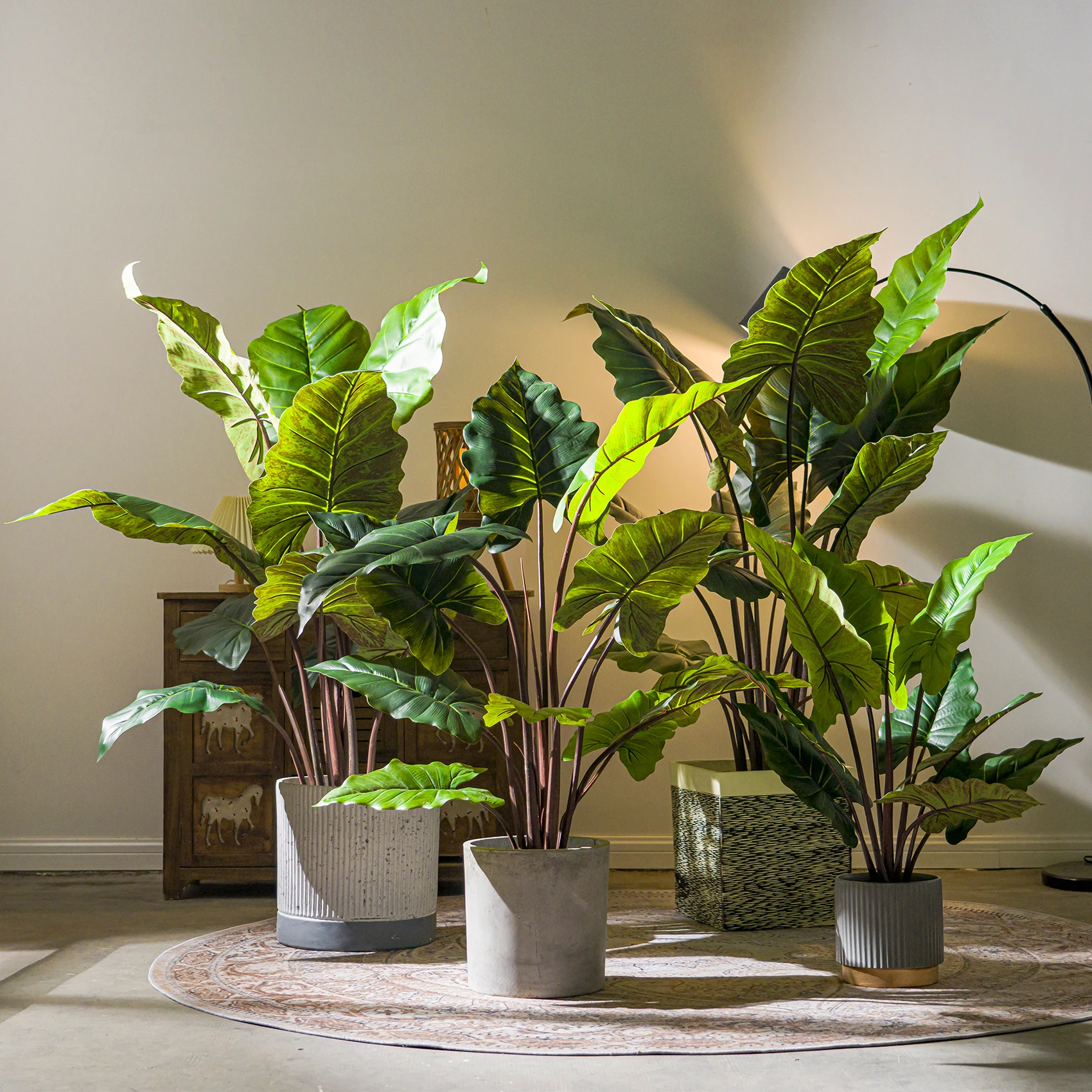
The financial impact of transitioning to artificial greenery extends far beyond initial procurement costs. Facility managers report average maintenance cost reductions of 60-80% when replacing live plants with high-quality artificial alternatives. This dramatic reduction stems from eliminating recurring expenses such as watering systems, fertilization programs, pest control treatments, and replacement costs for plants that fail to thrive in indoor environments. Artificial greenery provides consistent visual appeal without the unpredictable costs associated with plant mortality and seasonal replacement cycles.
Commercial properties utilizing artificial greenery experience enhanced operational efficiency through reduced labor requirements and simplified facility management protocols. The absence of watering schedules, pruning needs, and specialized care routines allows maintenance staff to focus on core facility operations rather than botanical management. This operational streamlining translates directly into measurable cost savings while maintaining the psychological and aesthetic benefits that greenery brings to commercial environments.
Cost Analysis of Traditional Plant Maintenance Programs
Labor Intensive Requirements
Traditional live plant maintenance programs demand substantial labor investments that compound over time. Professional plant care services typically charge between $15-25 per plant per month, creating significant recurring expenses for facilities with extensive greenery installations. These costs encompass routine watering, fertilization, pruning, pest management, and periodic plant replacement when specimens fail to adapt to indoor conditions or seasonal changes.
The specialized knowledge required for proper plant care necessitates either hiring dedicated horticultural staff or contracting with external plant maintenance services. Both options represent substantial ongoing financial commitments that can consume 3-5% of a facility's annual operating budget. Artificial greenery eliminates these recurring labor costs entirely, requiring only periodic dusting or basic cleaning that existing maintenance staff can easily incorporate into standard cleaning routines.
Infrastructure and Utility Costs
Live plant installations require comprehensive support infrastructure that generates ongoing utility expenses and maintenance complexities. Irrigation systems, drainage solutions, grow lights, and climate control modifications all contribute to increased operational costs. Water consumption for large-scale plant installations can add hundreds or thousands of dollars to monthly utility bills, particularly in regions with premium water rates or during drought conditions.
The environmental control requirements for maintaining healthy live plants often conflict with energy efficiency goals, forcing facilities to compromise between plant health and utility cost management. Artificial greenery eliminates these infrastructure dependencies, allowing facilities to optimize climate control systems for human comfort and energy efficiency without considering botanical requirements.
Financial Benefits of Artificial Greenery Implementation
Immediate Cost Reduction Opportunities
The transition to artificial greenery delivers immediate financial benefits through the elimination of recurring maintenance contracts and utility consumption. Facilities typically recover their initial artificial greenery investment within 8-12 months through reduced operational expenses. This rapid payback period makes artificial greenery an attractive capital expenditure that generates positive cash flow almost immediately after implementation.
Beyond direct maintenance savings, artificial greenery reduces administrative overhead by eliminating vendor management responsibilities, service scheduling coordination, and quality assurance monitoring associated with live plant programs. The simplified management model allows facility teams to redirect resources toward core business operations while maintaining superior aesthetic standards through artificial greenery installations that remain consistently attractive regardless of environmental conditions.
Long-term ROI Calculations
Comprehensive ROI analysis reveals that artificial greenery investments typically generate 300-500% returns over a five-year period when compared to equivalent live plant programs. This substantial return stems from consistent cost avoidance across multiple expense categories including labor, utilities, supplies, and replacement costs. The durability of high-quality artificial greenery ensures that initial investments continue generating savings for years without significant reinvestment requirements.
The predictable cost structure of artificial greenery enables accurate long-term budgeting and eliminates the financial volatility associated with live plant mortality rates, seasonal replacement needs, and emergency interventions. This financial predictability supports better cash flow management and allows organizations to allocate resources more strategically across operational priorities.
Operational Efficiency Gains Through Artificial Greenery
Streamlined Maintenance Protocols
Artificial greenery dramatically simplifies facility maintenance protocols by eliminating complex care requirements and reducing the need for specialized equipment or expertise. Standard cleaning procedures easily accommodate artificial greenery maintenance, requiring only periodic dusting or occasional washing to maintain optimal appearance. This integration into existing cleaning routines eliminates the need for additional training, equipment purchases, or service contracts.
The consistency of artificial greenery appearance reduces the need for frequent monitoring and quality assessments that live plants require. Facility managers can focus on core operational responsibilities rather than managing botanical health issues, pest problems, or replacement scheduling. This operational simplification translates into measurable productivity gains and reduced administrative overhead.
Risk Mitigation and Insurance Considerations
Artificial greenery eliminates several risk factors associated with live plant installations that can impact insurance costs and liability exposure. Water damage from irrigation system failures, pest infestations spreading to surrounding areas, and allergic reactions from pollen or plant materials all represent potential liability issues that artificial alternatives eliminate entirely.
The fire safety advantages of modern artificial greenery, which meets strict flame retardancy standards, can contribute to improved building safety ratings and potentially reduced insurance premiums. Additionally, the elimination of water systems and organic materials reduces the risk of mold growth and related health concerns that could trigger costly remediation requirements or legal liabilities.
Quality and Aesthetic Considerations
Technological Advances in Artificial Greenery
Contemporary artificial greenery manufacturing has achieved remarkable realism through advanced materials science and sophisticated production techniques. High-quality artificial greenery now incorporates UV-resistant polymers, natural color variations, and realistic textures that closely mimic live plants while maintaining their appearance under various lighting conditions and environmental exposures.
The durability improvements in modern artificial greenery ensure consistent aesthetic performance over extended periods without fading, brittleness, or degradation that characterized earlier generations of artificial plants. These quality enhancements justify the initial investment by extending product lifespans and maintaining visual appeal that supports long-term facility aesthetic goals.
Design Flexibility and Customization Options
Artificial greenery offers design flexibility that live plants cannot match, enabling creative installations in challenging environments where natural plants would struggle to survive. Low-light areas, spaces with extreme temperature variations, and locations with restricted access all become viable options for greenery installations when artificial alternatives are utilized.
The availability of artificial greenery in diverse species, sizes, and configurations allows for precise design matching and consistent aesthetic themes throughout large facilities. This design control eliminates the variability and unpredictability associated with live plant growth patterns, seasonal changes, and environmental stress responses that can compromise carefully planned aesthetic schemes.
Implementation Strategies for Maximum ROI
Strategic Planning and Placement
Maximizing the ROI of artificial greenery requires strategic planning that identifies high-impact locations where visual benefits can be achieved most cost-effectively. Entrance areas, reception spaces, and high-traffic corridors typically offer the greatest return on artificial greenery investments by creating positive first impressions and enhancing the overall facility atmosphere.
The modular nature of artificial greenery installations allows for phased implementation approaches that spread costs over time while demonstrating immediate benefits. Starting with pilot installations in key areas enables organizations to quantify savings and refine implementation strategies before expanding to comprehensive facility-wide programs.
Quality Selection and Vendor Evaluation
Selecting appropriate artificial greenery products requires careful evaluation of quality indicators that impact long-term performance and cost-effectiveness. Premium materials, UV resistance, flame retardancy certification, and realistic appearance all contribute to better ROI through extended product lifespans and reduced replacement frequencies.
Vendor partnerships with reputable artificial greenery manufacturers ensure access to products that meet commercial-grade durability standards and aesthetic requirements. Establishing relationships with suppliers who understand facility management needs enables better product selection and ongoing support that maximizes investment returns.
FAQ
How quickly can facilities recover their artificial greenery investment
Most facilities recover their artificial greenery investment within 8-12 months through eliminated maintenance costs, utility savings, and reduced labor requirements. The exact payback period depends on the scale of installation and the previous costs of live plant maintenance programs, with larger installations typically achieving faster returns due to economies of scale.
What maintenance is required for artificial greenery installations
Artificial greenery requires minimal maintenance consisting primarily of periodic dusting and occasional washing to maintain optimal appearance. This maintenance can be easily integrated into existing cleaning routines without specialized equipment or training, typically requiring less than 30 minutes per month for standard installations.
How does artificial greenery impact employee satisfaction and productivity
Studies indicate that artificial greenery provides similar psychological benefits to live plants in terms of stress reduction and improved workplace satisfaction. The consistent appearance and absence of maintenance disruptions can actually enhance the positive environmental impact while eliminating concerns about plant health, allergies, or pest issues that sometimes affect employee comfort.
What should facilities consider when selecting artificial greenery products
Key selection criteria include UV resistance for longevity, flame retardancy certification for safety compliance, realistic appearance for aesthetic impact, and manufacturer warranty coverage for quality assurance. Facilities should also consider installation requirements, cleaning compatibility, and scalability for future expansion when evaluating artificial greenery options.