
 EN
EN
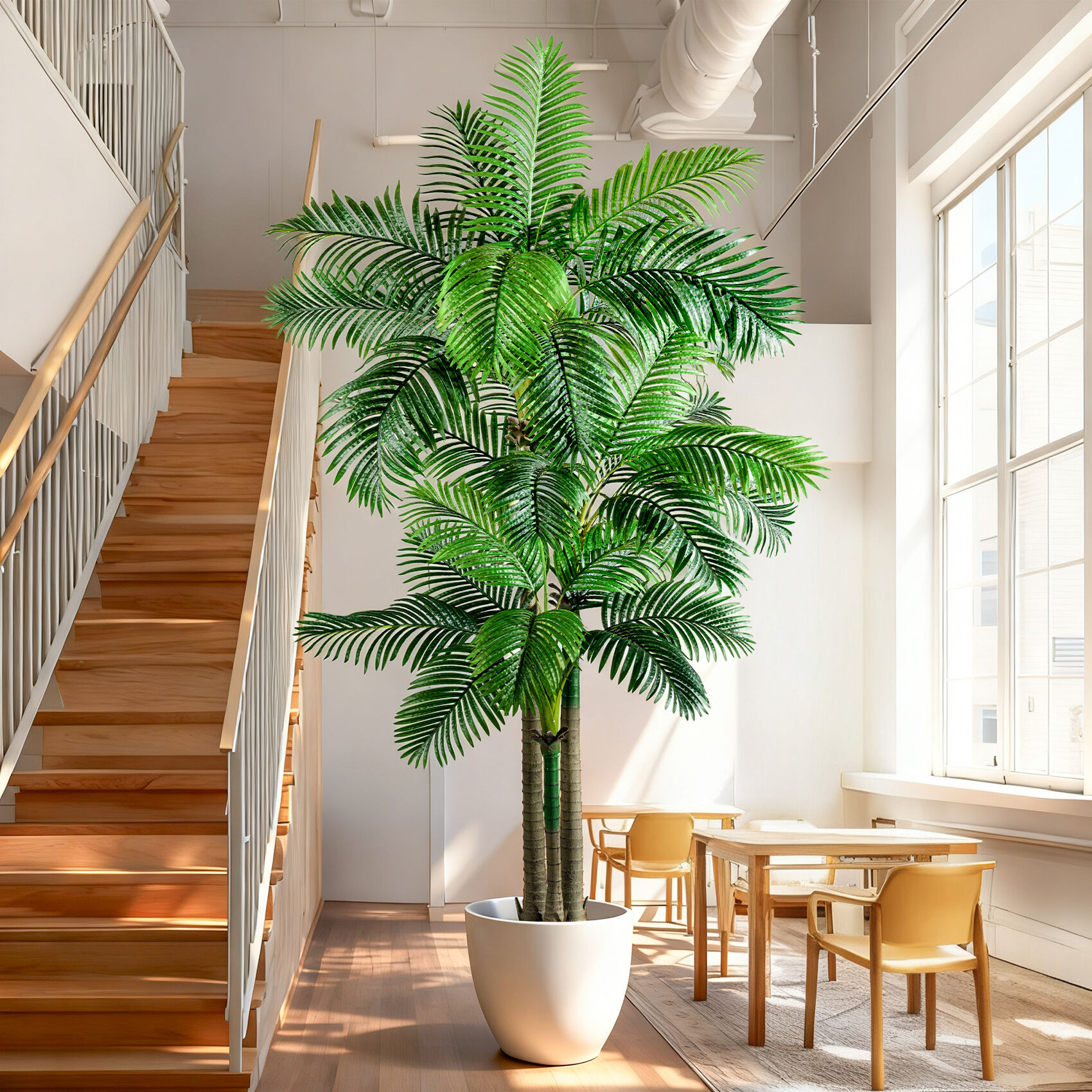
The hospitality industry continuously seeks innovative ways to enhance customer satisfaction while maintaining operational efficiency. One solution gaining significant traction among luxury hotels, resorts, and upscale restaurants involves incorporating high-end artificial plants into interior design strategies. These sophisticated botanical replicas offer establishments the opportunity to create stunning natural environments without the maintenance challenges associated with live vegetation. Modern high-end artificial plants have evolved far beyond their plastic predecessors, now featuring realistic textures, natural color variations, and authentic botanical details that can fool even the most discerning guests.
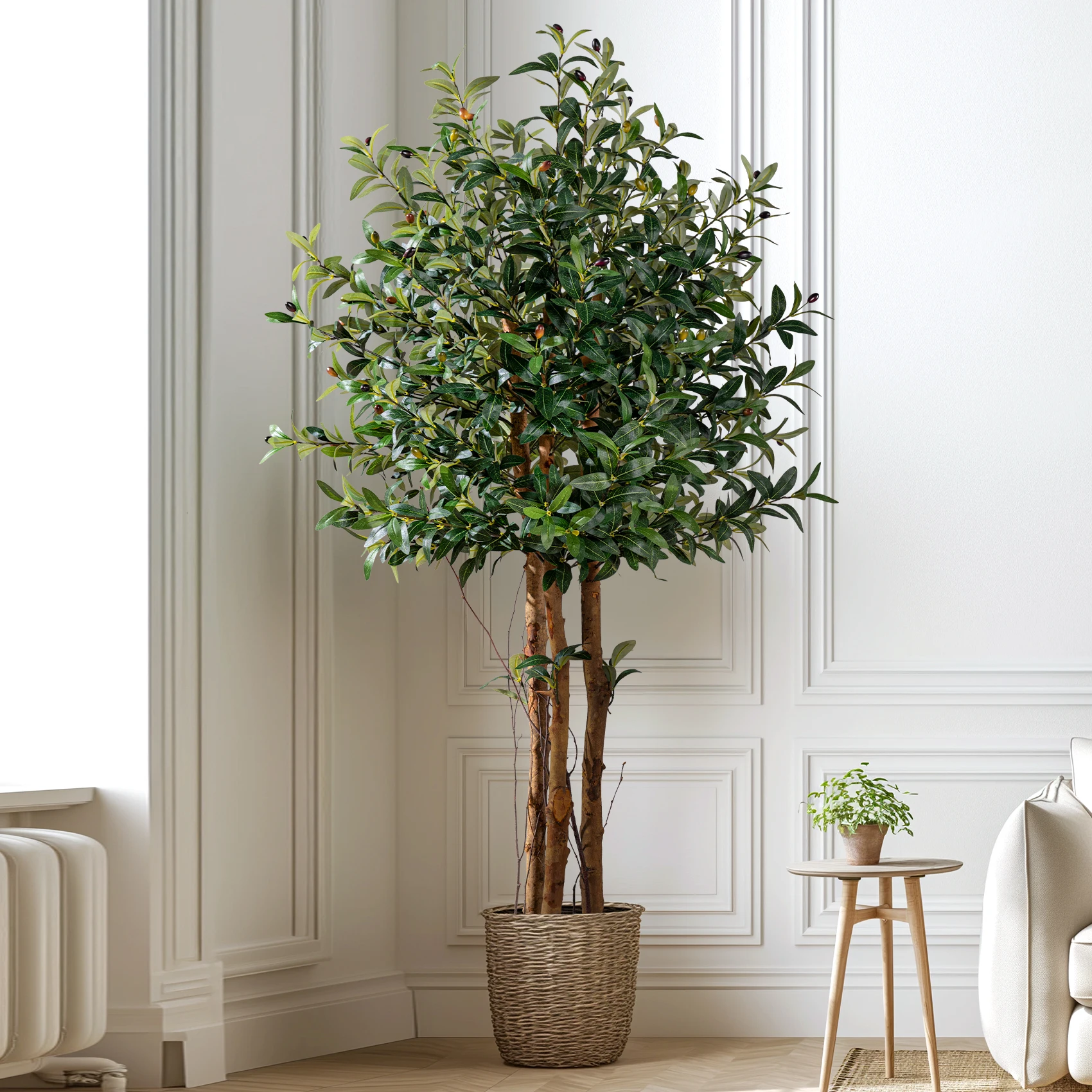
Premium hospitality venues understand that ambiance plays a crucial role in guest satisfaction and repeat business. The strategic placement of high-end artificial plants creates inviting spaces that promote relaxation and positive experiences. Unlike traditional live plants that may wilt, require frequent watering, or trigger allergies, quality artificial alternatives maintain their pristine appearance year-round. This consistency ensures that every guest encounter occurs within an aesthetically pleasing environment, regardless of seasonal changes or maintenance schedules.
Transforming Guest Spaces with Premium Artificial Greenery
Creating Memorable First Impressions
The lobby represents the first touchpoint between hospitality establishments and their guests, making it essential to create an immediate positive impact. High-end artificial plants positioned strategically throughout entrance areas establish an atmosphere of luxury and attention to detail. Large statement pieces such as artificial olive trees or towering palms can serve as focal points that guide guest movement while adding vertical interest to spacious areas. These installations communicate quality and sophistication before guests even complete their check-in process.
Reception areas benefit tremendously from the incorporation of realistic artificial foliage that maintains its beauty under constant foot traffic and artificial lighting conditions. Premium artificial plants resist fading and deterioration, ensuring that first impressions remain consistently positive throughout their lifespan. The investment in quality artificial greenery pays dividends through enhanced guest perceptions and increased likelihood of positive reviews and recommendations.
Enhancing Dining Environments
Restaurant spaces within hotels and standalone dining establishments utilize high-end artificial plants to create intimate, garden-like atmospheres that encourage longer stays and higher spending. Artificial herbs and small potted arrangements on tables provide visual interest without interfering with conversations or table service. Larger specimens positioned around dining room perimeters define spaces and create natural barriers between seating areas, enhancing privacy for diners.
The food service industry particularly benefits from artificial plant solutions because live vegetation can harbor bacteria or attract insects that compromise food safety standards. High-end artificial plants eliminate these concerns while still providing the psychological benefits associated with natural environments. Studies consistently demonstrate that diners in green environments report higher satisfaction levels and are more likely to return for future visits.
Operational Advantages in Hospitality Settings
Reducing Maintenance Costs and Labor
Hospitality operations face constant pressure to control costs while maintaining high service standards. Traditional live plant maintenance requires skilled horticultural staff, specialized equipment, and ongoing supplies including fertilizers, pesticides, and replacement plants. High-end artificial plants eliminate these recurring expenses while providing consistent visual impact. The initial investment in quality artificial specimens typically pays for itself within the first year through reduced labor costs and eliminated plant replacement needs.
Housekeeping staff can maintain artificial plant installations with simple dusting routines, freeing up time for other guest-focused activities. This efficiency improvement allows hospitality establishments to allocate human resources toward direct guest services rather than plant maintenance tasks. The reliability of artificial plants also eliminates concerns about plant health during staff vacations or busy periods when maintenance might otherwise be neglected.
Ensuring Consistent Aesthetic Standards
Brand consistency represents a critical factor in hospitality success, particularly for chain operations that must maintain uniform standards across multiple locations. High-end artificial plants provide reliable aesthetic results regardless of climate conditions, local water quality, or staff expertise levels. Each location can achieve identical visual impact without the variables that affect live plant health and appearance.
Quality artificial plants maintain their appearance through temperature fluctuations, varying humidity levels, and different lighting conditions commonly found in hospitality environments. This stability ensures that guest experiences remain consistent whether they visit during peak season or slower periods when maintenance attention might be reduced. The predictable appearance of artificial plants supports brand reliability and guest expectations.
Design Flexibility and Creative Applications
Adapting to Challenging Environments
Hospitality spaces often present challenging conditions for live vegetation, including areas with limited natural light, extreme temperature variations, or high foot traffic. High-end artificial plants thrive in these difficult environments, allowing designers to incorporate greenery into spaces that would otherwise remain bare. Interior courtyards, windowless conference rooms, and climate-controlled areas all benefit from artificial plant installations that would be impossible with live specimens.
Basement meeting rooms, hotel corridors, and bathrooms represent additional areas where artificial plants can enhance ambiance without the complications associated with live plant care. The ability to place greenery in any location expands design possibilities and allows for more comprehensive biophilic design implementation throughout hospitality facilities.
Seasonal and Thematic Flexibility
High-end artificial plants offer hospitality designers the flexibility to create seasonal displays or thematic environments that would be challenging to achieve with live vegetation. Spring cherry blossoms, autumn foliage, or tropical arrangements can be maintained year-round regardless of local climate conditions. This capability allows hotels and restaurants to create signature looks that differentiate their brand and create memorable guest experiences.
Event spaces particularly benefit from artificial plant flexibility, as arrangements can be easily reconfigured for different occasions without concern for plant stress or recovery time. Wedding venues can maintain romantic garden atmospheres throughout all seasons, while corporate meeting spaces can project professional yet welcoming environments that support productive discussions.
Quality Considerations and Investment Returns
Identifying Premium Artificial Plant Features
Not all artificial plants deliver the quality standards required for luxury hospitality applications. High-end artificial plants feature realistic textures created through advanced manufacturing techniques that replicate natural leaf structures, bark patterns, and growth habits. Premium specimens utilize UV-resistant materials that prevent fading and maintain color accuracy under various lighting conditions commonly found in hospitality settings.
Quality artificial plants incorporate multiple leaf shapes, sizes, and colors within single specimens to mirror natural variation found in live plants. Advanced manufacturing processes create realistic imperfections such as subtle browning on leaf edges or natural asymmetry that enhance authenticity. These details distinguish premium products from lower-quality alternatives that may appear obviously artificial to discerning guests.
Calculating Long-term Value
The initial investment in high-end artificial plants may exceed costs for live alternatives, but long-term value calculations consistently favor artificial solutions in hospitality applications. Elimination of replacement costs, reduced maintenance labor, and consistent appearance create substantial savings over multi-year periods. Premium artificial plants typically maintain their appearance for five to ten years with minimal care, while live plant installations require ongoing replacements and intensive maintenance.
Insurance and liability considerations also favor artificial plant installations, as they eliminate risks associated with plant-related slip hazards from water drainage or allergic reactions that could impact guest satisfaction. The predictable costs associated with high-end artificial plants support accurate budget planning and eliminate unexpected expenses that can affect profitability in competitive hospitality markets.
Implementation Strategies for Maximum Impact
Professional Design Integration
Successful integration of high-end artificial plants requires careful planning and professional design expertise to achieve natural-looking results. Mixing different plant types and sizes creates authentic ecosystems that avoid the artificial uniformity that can detract from realistic appearances. Strategic placement considerations include sight lines, lighting conditions, and guest traffic patterns to ensure optimal visual impact without interference with operations.
Professional designers understand how to balance artificial plants with other design elements to create cohesive environments that support brand identity and guest comfort. The most successful installations incorporate artificial plants as integral components of overall design schemes rather than obvious additions that appear disconnected from surrounding aesthetics.
Staff Training and Maintenance Protocols
While high-end artificial plants require minimal maintenance compared to live alternatives, establishing proper care protocols ensures maximum longevity and appearance retention. Staff training should cover appropriate cleaning methods, frequency schedules, and inspection procedures to identify any wear or damage that might compromise guest impressions. Simple maintenance routines performed consistently yield better results than irregular intensive cleaning sessions.
Maintenance protocols should address specific environmental challenges present in different areas of hospitality facilities. High-traffic zones may require more frequent attention, while areas exposed to cooking vapors or other contaminants need specialized cleaning approaches to maintain optimal appearance standards expected by discerning guests.
FAQ
How long do high-end artificial plants last in hospitality environments
Quality high-end artificial plants typically maintain their appearance for five to ten years in hospitality settings with proper care. Premium specimens manufactured with UV-resistant materials and advanced construction techniques resist fading, brittle breakdown, and other deterioration issues that affect lower-quality alternatives. Regular dusting and occasional deeper cleaning help maximize lifespan and maintain optimal guest impressions throughout the investment period.
Can artificial plants really fool guests into thinking they are real
Modern high-end artificial plants achieve remarkable realism through advanced manufacturing techniques that replicate natural textures, color variations, and growth patterns. Premium specimens incorporate realistic imperfections and natural asymmetry that make detection difficult without close physical examination. While some guests may eventually recognize artificial plants upon closer inspection, the immediate visual impact and ambient contribution remain highly effective for enhancing hospitality environments.
What areas of hotels and restaurants benefit most from artificial plants
High-end artificial plants provide maximum benefit in challenging environments where live plants struggle, including basement meeting rooms, windowless corridors, climate-controlled spaces, and high-traffic areas. Dining rooms, lobbies, and guest room common areas also see significant improvements in ambiance and guest satisfaction. Areas with inconsistent lighting, temperature variations, or maintenance challenges represent ideal applications for quality artificial plant installations.
How do artificial plants compare to live plants for guest health and wellness
High-end artificial plants provide many of the same psychological benefits associated with natural environments, including stress reduction and improved mood, without potential drawbacks such as allergen exposure or pest attraction. While artificial plants do not provide air purification benefits, they eliminate concerns about plant-related health issues that could affect sensitive guests. The consistent, healthy appearance of artificial plants maintains positive psychological impacts throughout all seasons and conditions.