
 EN
EN
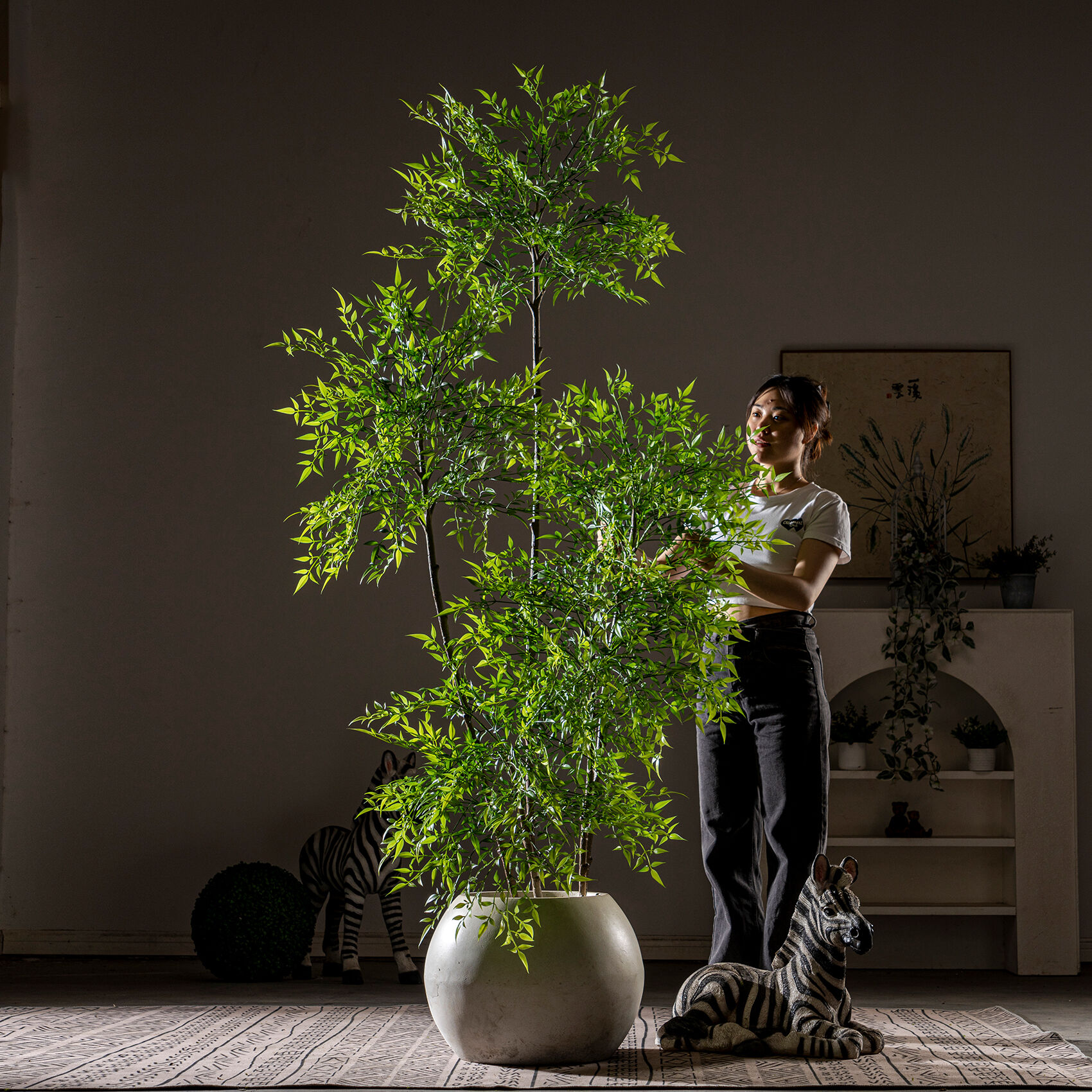
Selecting the right artificial plants for interior design schemes requires careful consideration of space, style, and aesthetic goals. Modern artificial plants have evolved significantly from their predecessors, offering realistic textures, natural colors, and sophisticated designs that seamlessly integrate into contemporary living spaces. Understanding how to choose appropriate artificial plants can transform any interior environment while providing the beauty of greenery without the maintenance requirements of living plants. The key to successful integration lies in matching plant selections with existing decor elements, room functionality, and personal design preferences.
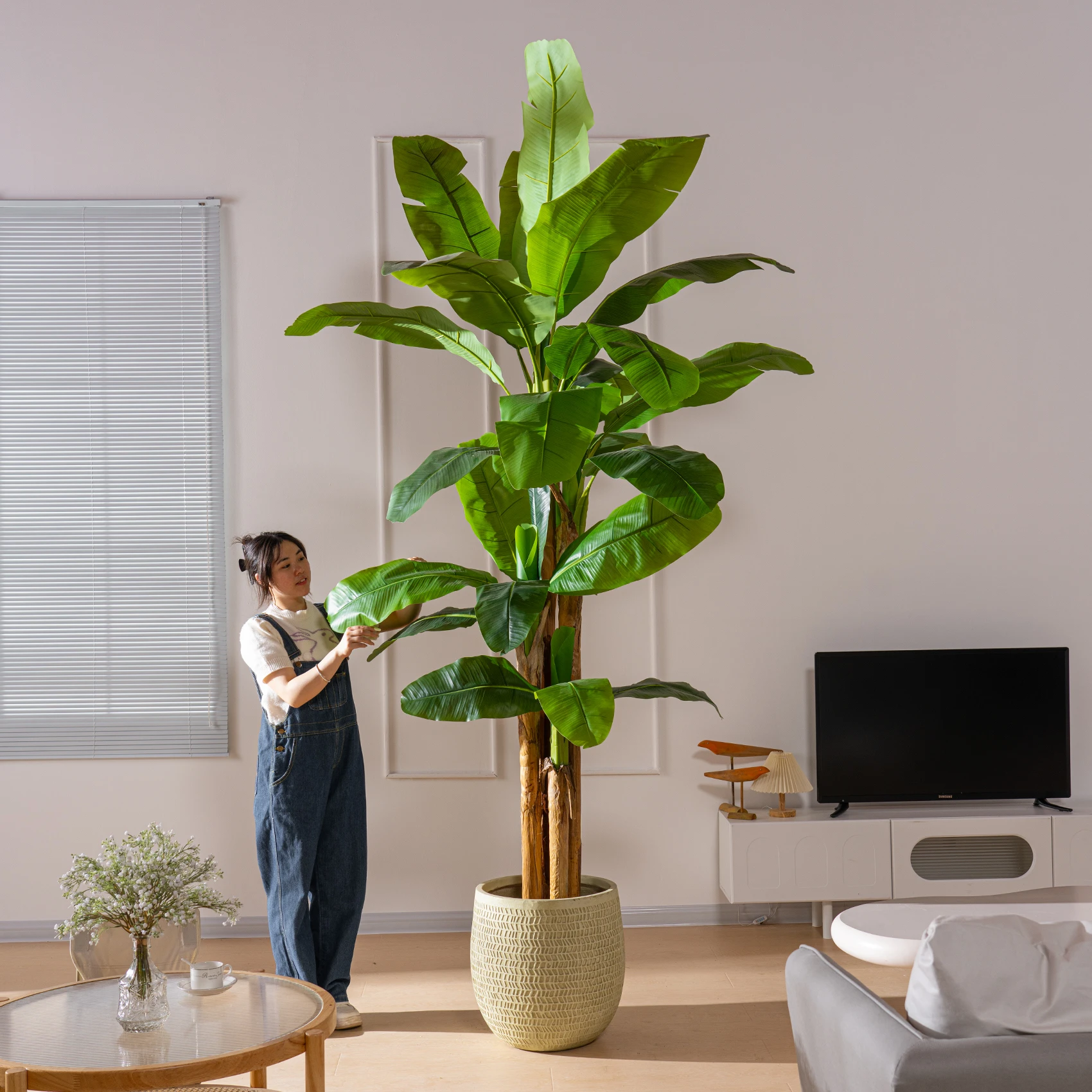
Understanding Artificial Plant Quality Standards
Material Composition and Construction
Premium artificial plants utilize high-grade materials that closely mimic natural foliage characteristics. Quality artificial plants feature silk or polyester leaves with realistic texturing, UV-resistant coatings, and durable stem construction. The best artificial plants incorporate multiple leaf sizes, natural color variations, and authentic branch patterns that replicate real plant growth. Manufacturing techniques now include hand-painted details, wire-reinforced stems, and weighted bases that enhance stability and realism.
Construction quality directly impacts longevity and appearance retention in artificial plants. Superior artificial plants resist fading, maintain shape over time, and withstand regular cleaning without deterioration. Investment in well-constructed artificial plants ensures consistent aesthetic appeal and reduces replacement frequency, making them cost-effective for long-term interior design applications.
Realistic Appearance Factors
Achieving realistic appearance in artificial plants requires attention to natural growth patterns, color depth, and surface texturing. The most convincing artificial plants feature irregular leaf arrangements, natural imperfections, and subtle color gradations that mirror living specimens. Quality artificial plants avoid overly perfect symmetry and incorporate realistic stem thickness variations, natural bending, and authentic root structures when visible.
Lighting conditions significantly affect how artificial plants appear in interior spaces. High-quality artificial plants maintain their realistic appearance under various lighting scenarios, from natural daylight to artificial illumination. The best artificial plants feature matte finishes that reduce artificial shine while preserving natural leaf characteristics that contribute to authentic visual appeal.
Matching Plants to Interior Design Styles
Contemporary and Modern Aesthetics
Contemporary interior design benefits from sleek, architecturally interesting artificial plants with clean lines and minimalist appeal. Modern spaces often incorporate artificial plants with geometric forms, such as sculptural succulents, snake plants, or bamboo arrangements. These artificial plants complement neutral color palettes and emphasize form over ornate detailing, creating sophisticated focal points without overwhelming contemporary design elements.
Scale considerations are crucial when selecting artificial plants for modern interiors. Large statement artificial plants work well in open floor plans with high ceilings, while smaller artificial plants suit compact urban living spaces. Contemporary design often favors artificial plants in simple, elegant containers that enhance rather than compete with the overall aesthetic vision.
Traditional and Classic Environments
Traditional interior design schemes accommodate more ornate artificial plants with lush foliage and classic appeal. These environments suit artificial plants like ferns, ivy arrangements, and flowering varieties that complement rich fabrics, wood finishes, and established color schemes. Traditional spaces benefit from artificial plants that add warmth and natural elements while maintaining formal elegance and timeless appeal.
Classic interiors often feature artificial plants in decorative planters that coordinate with existing furniture and architectural details. The selection process should consider how artificial plants will interact with traditional design elements like crown molding, wainscoting, and established furniture arrangements to create cohesive visual harmony.
Room-Specific Selection Considerations
Living Areas and Entertainment Spaces
Living rooms require artificial plants that create welcoming atmospheres while accommodating furniture arrangements and traffic flow. Large artificial plants can define conversation areas, soften architectural angles, and add vertical interest to entertainment spaces. Consider artificial plants that won't obstruct sight lines or interfere with seating arrangements while providing natural ambiance for social gatherings.
Entertainment spaces benefit from artificial plants that maintain their appearance despite varying lighting conditions and occasional contact from guests. Durable artificial plants with secure mounting or weighted bases ensure safety while providing consistent visual appeal throughout different room configurations and activities.
Bedrooms and Private Retreats
Bedroom environments favor calming artificial plants that promote relaxation and tranquility. Smaller artificial plants work well on nightstands, dressers, or window sills, while larger artificial plants can create private nooks or soften bedroom corners. The selection should complement existing textiles, lighting schemes, and personal style preferences to enhance the restful atmosphere.
Privacy considerations influence artificial plant placement in bedrooms, where they can provide natural screening or create intimate spaces within larger rooms. Artificial plants in bedrooms should coordinate with color schemes and avoid overwhelming smaller spaces while contributing to peaceful, restorative environments.
Size and Scale Optimization
Proportional Relationships
Proper scaling ensures artificial plants enhance rather than dominate interior spaces. Large artificial plants require adequate floor space and ceiling height to avoid cramped appearances, while small artificial plants need appropriate placement to maintain visual impact. The relationship between artificial plants and surrounding furniture, artwork, and architectural features determines successful integration and overall aesthetic balance.
Multiple artificial plants within single spaces require careful size coordination to avoid visual competition or cluttered appearances. Varying heights and forms in artificial plants creates natural-looking arrangements that guide the eye through interior spaces while maintaining proportional harmony with existing design elements.
Spatial Impact Assessment
Artificial plants significantly influence perceived room dimensions and spatial flow. Tall artificial plants can make ceilings appear higher, while wide artificial plants may make rooms feel more spacious or intimate depending on placement. Understanding these spatial effects helps optimize artificial plant selection for specific dimensional goals and functional requirements.
Corner placements, room dividers, and accent positions each require different artificial plant characteristics to achieve desired spatial effects. Strategic selection and positioning of artificial plants can enhance natural light distribution, create focal points, and improve overall room functionality while maintaining aesthetic appeal.
Maintenance and Longevity Factors
Cleaning and Care Requirements
Quality artificial plants require minimal maintenance compared to living alternatives but benefit from regular cleaning to maintain appearance. Dust accumulation on artificial plants can diminish their realistic appearance and require periodic attention using appropriate cleaning methods. Different artificial plant materials respond to various cleaning techniques, from gentle dusting to careful washing for more thorough maintenance.
Establishing cleaning routines for artificial plants ensures consistent appearance and extends their functional lifespan. Simple maintenance practices for artificial plants include regular dusting, occasional deeper cleaning, and inspection for any damage that might compromise their aesthetic contribution to interior design schemes.
Durability and Replacement Cycles
Investment in high-quality artificial plants reduces replacement frequency and provides better long-term value for interior design applications. Premium artificial plants maintain their appearance for years with minimal degradation, while lower-quality options may require more frequent replacement due to fading, shape loss, or material deterioration.
Understanding expected lifespan helps budget for artificial plant investments and plan for periodic updates that keep interior design schemes fresh and current. Quality artificial plants often justify higher initial costs through extended service life and consistent aesthetic performance over time.
FAQ
How do I choose artificial plants that look realistic in my home?
Focus on artificial plants with high-quality materials, natural color variations, and realistic texturing. Look for artificial plants with irregular leaf patterns, matte finishes, and authentic growth characteristics. Quality artificial plants feature multiple leaf sizes, natural imperfections, and realistic stem construction that closely mimics living plants.
What size artificial plants work best for small apartments?
Small apartments benefit from medium-sized artificial plants that provide visual impact without overwhelming limited space. Consider artificial plants between 2-4 feet tall for floor placement, with smaller artificial plants for tables and shelves. Vertical artificial plants can make ceilings appear higher while conserving floor space in compact living areas.
Can artificial plants fade or deteriorate over time?
Quality artificial plants with UV-resistant coatings maintain their appearance for years, while lower-grade artificial plants may fade when exposed to direct sunlight. Premium artificial plants resist color degradation, shape loss, and material breakdown. Proper care and occasional cleaning help artificial plants maintain their aesthetic appeal throughout their functional lifespan.
How many artificial plants should I use in one room?
The number of artificial plants depends on room size, layout, and design goals. Large rooms can accommodate 3-5 artificial plants of varying sizes, while smaller spaces work well with 1-2 carefully selected artificial plants. Avoid overcrowding by ensuring artificial plants complement rather than compete with existing design elements and furniture arrangements.