
 EN
EN
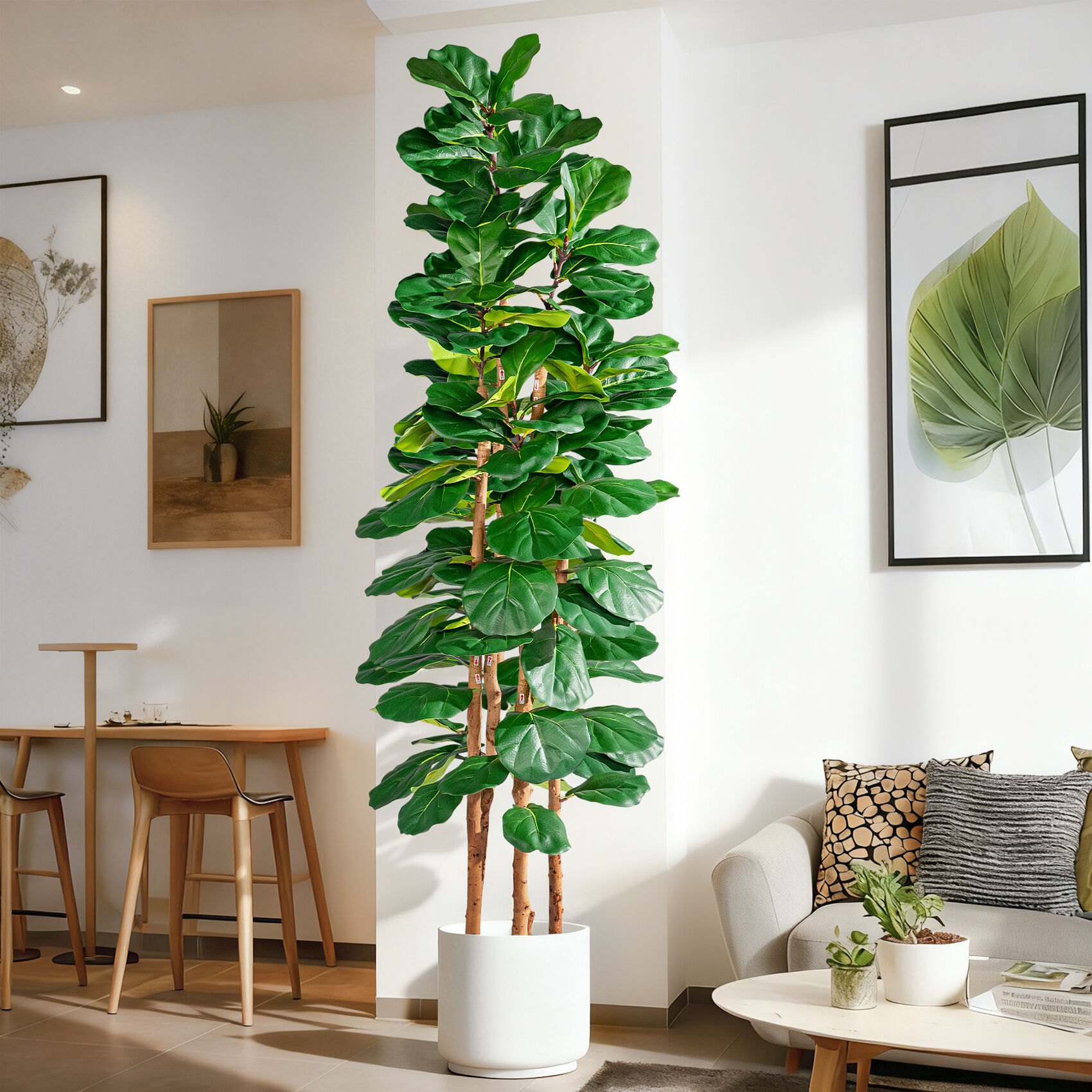
The world of artificial plants has evolved dramatically over the past decade, offering homeowners and businesses an impressive array of options that blur the line between synthetic and natural greenery. When choosing between lifelike and decorative-style artificial plants, understanding the fundamental differences can help you make an informed decision that aligns with your aesthetic preferences, budget, and maintenance requirements. Whether you're looking to enhance your home's interior design or create stunning outdoor displays, artificial plants provide a versatile solution that eliminates the challenges of watering, pruning, and seasonal care.
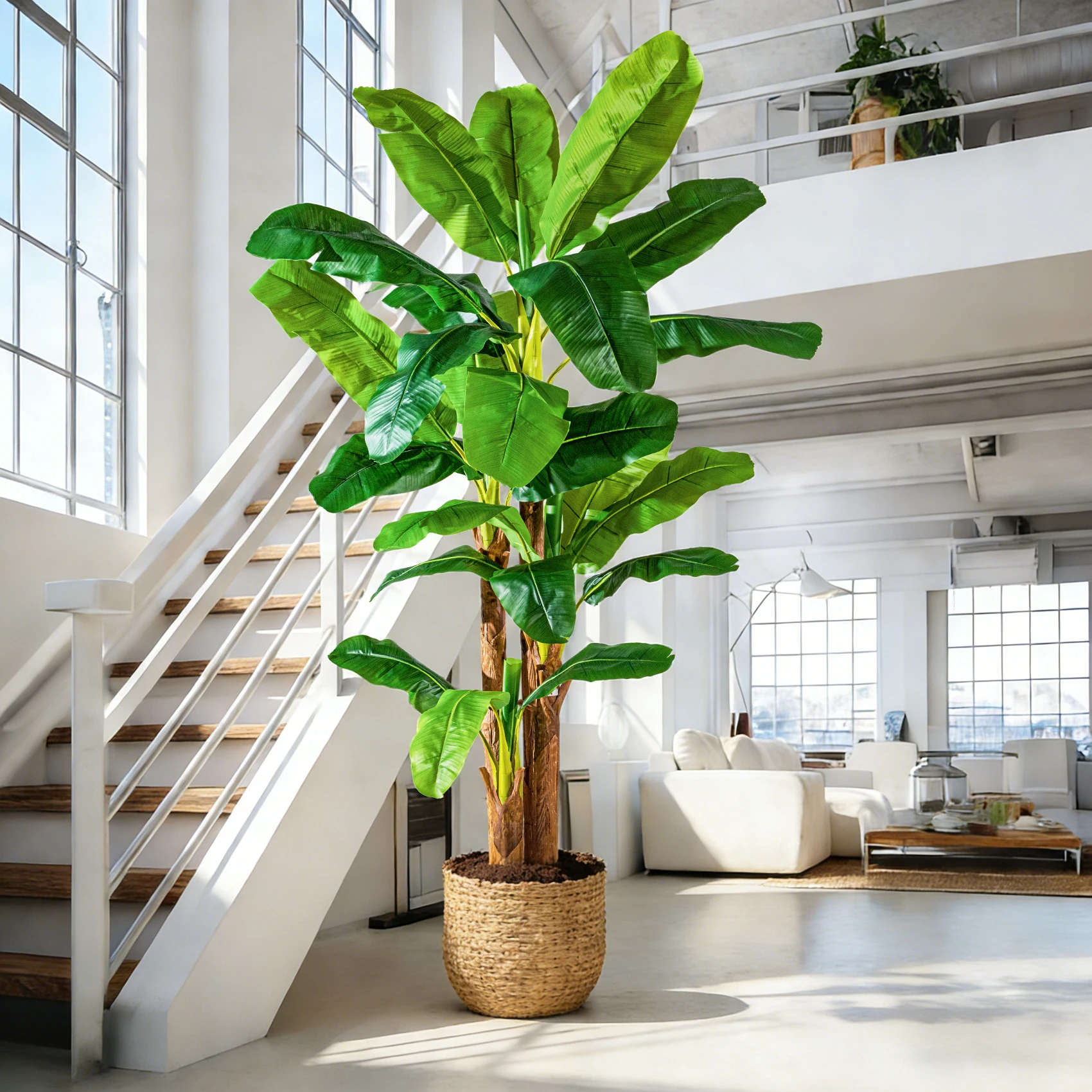
Understanding Lifelike Artificial Plants
Construction and Material Quality
Lifelike artificial plants represent the pinnacle of synthetic plant manufacturing, utilizing advanced materials and techniques to replicate the authentic appearance of living vegetation. These premium artificial plants feature high-grade silk, polyethylene, or specialized plastic materials that mimic the natural texture, color variations, and structural details found in real plants. The manufacturing process involves meticulous attention to detail, including realistic leaf veining, natural color gradients, and authentic branching patterns that create an incredibly convincing appearance.
The construction quality of lifelike artificial plants typically includes multiple layers of materials to achieve depth and realism. Premium manufacturers employ techniques such as injection molding for stems, hand-painting for color variation, and specialized coating processes that create natural-looking surface textures. These artificial plants often feature realistic root systems, natural-looking soil, and weathering effects that enhance their authentic appearance when displayed in gardens or indoor spaces.
Botanical Accuracy and Design Features
High-quality lifelike artificial plants prioritize botanical accuracy, ensuring that leaf shapes, growth patterns, and overall plant structure closely match their living counterparts. Manufacturers study real plants extensively to replicate specific species characteristics, including seasonal variations, natural imperfections, and species-specific details that contribute to authenticity. This attention to botanical detail makes these artificial plants virtually indistinguishable from real vegetation when viewed from normal distances.
Advanced design features in lifelike artificial plants include UV-resistant coatings that prevent color fading, realistic weight distribution for natural movement, and modular construction that allows for customization. Many premium artificial plants incorporate subtle imperfections, such as slightly yellowed leaves or natural-looking wear patterns, which enhance their realistic appearance and help them blend seamlessly with natural environments.
Exploring Decorative-Style Artificial Plants
Artistic Interpretation and Creative Design
Decorative-style artificial plants embrace artistic interpretation over strict botanical accuracy, offering creative freedom in design, color, and form. These artificial plants prioritize aesthetic impact and decorative appeal, often featuring stylized elements, enhanced colors, or exaggerated proportions that create visual interest in interior design schemes. Decorative artificial plants serve as functional art pieces that complement specific design themes or color palettes rather than attempting to replicate natural plant species exactly.
The creative approach of decorative artificial plants allows for innovative design elements such as metallic finishes, oversized blooms, geometric patterns, or contemporary color schemes that would be impossible to achieve with living plants. These artistic interpretations provide interior designers and homeowners with unique opportunities to create focal points, add texture, or introduce specific colors into their spaces without being constrained by the limitations of natural plant growth or seasonal availability.
Style Versatility and Design Integration
Decorative artificial plants excel in their ability to complement specific interior design styles, from ultra-modern minimalist spaces to eclectic bohemian environments. These artificial plants can be manufactured in virtually any color, size, or configuration to match existing decor elements, furniture pieces, or architectural features. The flexibility of decorative designs allows for seamless integration into themed spaces where natural plant colors or forms might clash with the overall aesthetic vision.
The style versatility of decorative artificial plants extends to their adaptability for special events, seasonal displays, or temporary installations where specific visual requirements take precedence over natural appearance. Interior designers frequently choose decorative artificial plants for commercial spaces, hospitality environments, or retail displays where consistent appearance and brand alignment are more important than botanical authenticity.
Quality Comparison and Durability Factors
Material Longevity and Weather Resistance
The durability of artificial plants varies significantly between lifelike and decorative styles, with material quality serving as the primary determining factor for longevity. High-quality lifelike artificial plants typically utilize superior materials designed for extended exposure to environmental conditions, including UV-resistant compounds, colorfast dyes, and weather-resistant coatings that maintain appearance over years of use. These premium materials justify higher initial costs through extended service life and reduced replacement frequency.
Weather resistance becomes particularly important for outdoor artificial plants, where exposure to sunlight, moisture, and temperature fluctuations can rapidly degrade inferior materials. Premium artificial plants feature specialized treatments that protect against fading, cracking, and material degradation, ensuring consistent appearance regardless of environmental conditions. The investment in quality materials translates directly to reduced maintenance costs and longer replacement cycles for both residential and commercial applications.
Maintenance Requirements and Care Considerations
Both lifelike and decorative artificial plants require minimal maintenance compared to living vegetation, but specific care requirements can vary based on materials and construction quality. High-end artificial plants typically require only periodic dusting and occasional cleaning with mild soap solutions to maintain their appearance. The ease of maintenance makes artificial plants particularly attractive for busy homeowners, commercial properties, or locations where consistent plant care would be challenging.
Maintenance considerations for artificial plants include proper storage during extreme weather conditions, regular inspection for wear or damage, and appropriate cleaning techniques that preserve material integrity. Quality artificial plants maintain their appearance with minimal intervention, while lower-grade options may require more frequent attention or earlier replacement due to material degradation or construction failures.
Cost Analysis and Value Proposition
Initial Investment and Long-Term Economics
The cost structure for artificial plants varies dramatically between lifelike and decorative options, with premium lifelike varieties commanding higher prices due to superior materials and manufacturing complexity. Initial investment analysis should consider not only purchase price but also expected lifespan, maintenance costs, and replacement frequency to determine true value over time. High-quality artificial plants represent a significant upfront investment that typically provides superior long-term value through extended durability and consistent appearance.
Economic analysis of artificial plants should include comparison with living plant alternatives, considering ongoing costs for watering, fertilizing, pruning, and potential replacement due to plant death or seasonal changes. The elimination of these recurring expenses often justifies the higher initial cost of quality artificial plants, particularly in commercial applications where maintenance labor costs can be substantial. Additionally, artificial plants provide cost predictability that living plants cannot match, with no unexpected expenses for plant replacement or seasonal care.
Budget Considerations and Selection Criteria
Budget planning for artificial plants should account for specific application requirements, expected lifespan, and quality expectations to ensure appropriate product selection. Decorative artificial plants often provide excellent value for temporary installations, themed events, or budget-conscious applications where longevity is less critical than immediate visual impact. Understanding the relationship between price, quality, and expected performance helps buyers make informed decisions that align with their specific needs and budget constraints.
Selection criteria should prioritize factors such as UV resistance for outdoor applications, fire retardant properties for commercial installations, and material safety certifications for environments with specific regulatory requirements. The investment in appropriate quality levels for specific applications ensures optimal performance and value, while avoiding over-specification for applications where premium features provide no additional benefit.
Application-Specific Selection Guidelines
Indoor Environment Considerations
Indoor applications for artificial plants present unique considerations related to lighting conditions, air circulation, and interior design requirements that influence the choice between lifelike and decorative styles. Lifelike artificial plants excel in environments where natural appearance is paramount, such as residential living spaces, professional offices, or hospitality settings where guests expect authentic-looking vegetation. The realistic appearance of premium artificial plants enhances interior aesthetics without the challenges associated with indoor plant care.
Interior design applications may favor decorative artificial plants when specific color coordination, scale requirements, or artistic elements take precedence over natural appearance. Modern interior designs often incorporate stylized vegetation as design elements rather than nature substitutes, making decorative artificial plants ideal for contemporary spaces, retail environments, or themed installations where creative expression outweighs botanical authenticity.
Outdoor Installation Requirements
Outdoor artificial plants face significantly more demanding environmental conditions that require careful material selection and construction quality to ensure satisfactory performance. UV resistance becomes critical for preventing color fading and material degradation, while weather resistance protects against moisture damage and temperature fluctuations. Premium lifelike artificial plants typically offer superior outdoor performance through specialized materials and protective coatings designed for extended environmental exposure.
Landscape applications for artificial plants require consideration of scale, placement, and integration with existing vegetation or hardscape elements. Large-format artificial plants, such as trees or substantial shrubs, benefit from lifelike construction that maintains authenticity when viewed from various distances and angles. The investment in quality outdoor artificial plants pays dividends through reduced replacement costs and consistent landscape appearance regardless of seasonal conditions or maintenance challenges.
Design Integration and Styling Tips
Creating Natural-Looking Arrangements
Successful integration of artificial plants into existing spaces requires attention to placement, grouping, and environmental context to achieve natural-looking results. Lifelike artificial plants benefit from strategic placement that mimics natural growing conditions, including appropriate lighting, logical groupings, and integration with compatible materials such as natural containers or complementary hardscape elements. The key to effective artificial plant arrangements lies in understanding how real plants would naturally occur in similar environments.
Mixed arrangements combining different artificial plants species or sizes create visual interest and authenticity that single-specimen displays often lack. Layer different heights, textures, and growth patterns to replicate the complexity found in natural plant communities. Consider seasonal variations by incorporating artificial plants with different color phases or by periodically rotating displays to maintain visual interest and prevent the static appearance that can reveal artificial construction.
Complementary Design Elements
Successful artificial plants installations benefit from complementary design elements that enhance authenticity and visual appeal. Natural containers, realistic soil materials, decorative stones, or mulch create believable growing environments that support the illusion of living vegetation. These supporting elements help artificial plants blend seamlessly with their surroundings while providing visual anchors that enhance overall design cohesion.
Lighting considerations play a crucial role in artificial plants presentation, with appropriate illumination highlighting realistic details while minimizing any artificial characteristics. Natural or full-spectrum lighting enhances color accuracy and creates realistic shadows that contribute to authentic appearance. Avoid harsh or direct lighting that may reveal synthetic materials or create unnatural highlights that compromise the realistic effect of quality artificial plants.
FAQ
How can I tell the difference between high-quality and low-quality artificial plants
High-quality artificial plants feature realistic textures, natural color variations, and detailed construction that closely mimics living vegetation. Look for multiple leaf layers, realistic branching patterns, and materials that feel substantial rather than flimsy. Premium artificial plants often include subtle imperfections and natural-looking wear patterns that enhance authenticity. Check for UV-resistant coatings and colorfast materials that maintain appearance over time, especially for outdoor applications.
Are lifelike artificial plants worth the higher cost compared to decorative styles
Lifelike artificial plants justify higher costs through superior materials, extended durability, and authentic appearance that provides lasting value. The investment becomes worthwhile when natural appearance is priority, such as in residential spaces, professional environments, or outdoor landscapes where authenticity matters. For temporary installations, themed displays, or budget-conscious applications, decorative artificial plants may provide better value while still delivering attractive visual impact.
What maintenance is required to keep artificial plants looking their best
Artificial plants require minimal maintenance consisting primarily of regular dusting and occasional cleaning with mild soap solutions. Indoor artificial plants benefit from periodic rotation to prevent uneven dust accumulation, while outdoor varieties may need more frequent cleaning due to environmental exposure. Inspect artificial plants regularly for damage or wear, and store them properly during extreme weather conditions to maximize lifespan and maintain appearance.
Can artificial plants be used successfully in outdoor landscaping projects
Quality artificial plants designed for outdoor use can successfully enhance landscaping projects when properly selected and installed. Choose artificial plants with UV-resistant materials and weather-resistant construction to ensure longevity in outdoor environments. Consider placement carefully to complement existing vegetation and hardscape elements while providing logical growing conditions. High-end outdoor artificial plants offer consistent appearance year-round without the maintenance requirements of living vegetation, making them ideal for challenging growing conditions or low-maintenance landscape designs.
Table of Contents
- Understanding Lifelike Artificial Plants
- Exploring Decorative-Style Artificial Plants
- Quality Comparison and Durability Factors
- Cost Analysis and Value Proposition
- Application-Specific Selection Guidelines
- Design Integration and Styling Tips
-
FAQ
- How can I tell the difference between high-quality and low-quality artificial plants
- Are lifelike artificial plants worth the higher cost compared to decorative styles
- What maintenance is required to keep artificial plants looking their best
- Can artificial plants be used successfully in outdoor landscaping projects