
 EN
EN
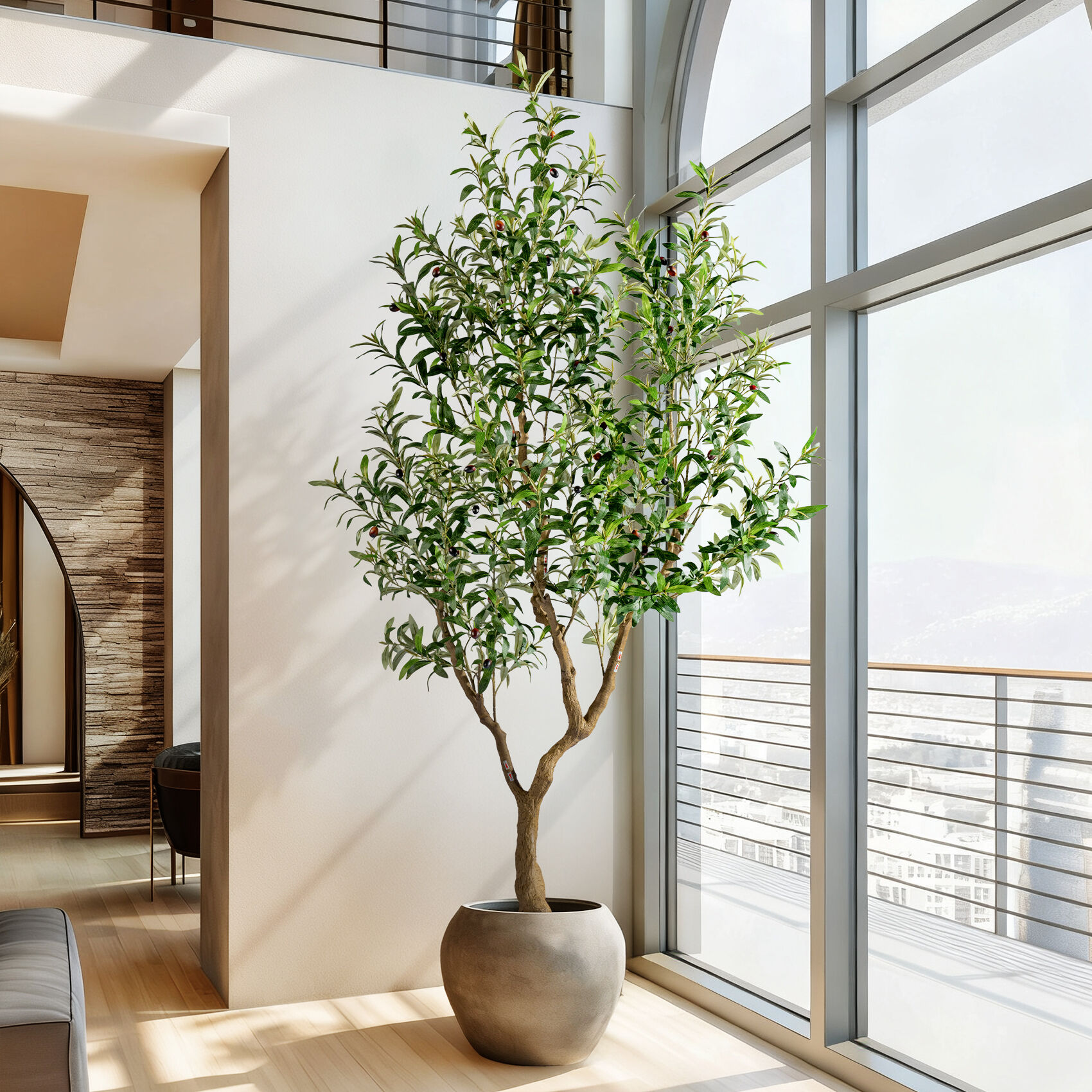
Outdoor landscaping presents unique challenges that many homeowners and business owners struggle to overcome. Weather extremes, soil conditions, and maintenance demands often make traditional gardening impractical or expensive. UV-resistant artificial plants have emerged as a revolutionary solution, offering the aesthetic appeal of natural greenery without the ongoing care requirements. These innovative products combine advanced materials with realistic design to create outdoor environments that maintain their beauty year-round, regardless of harsh sun exposure or challenging weather conditions.
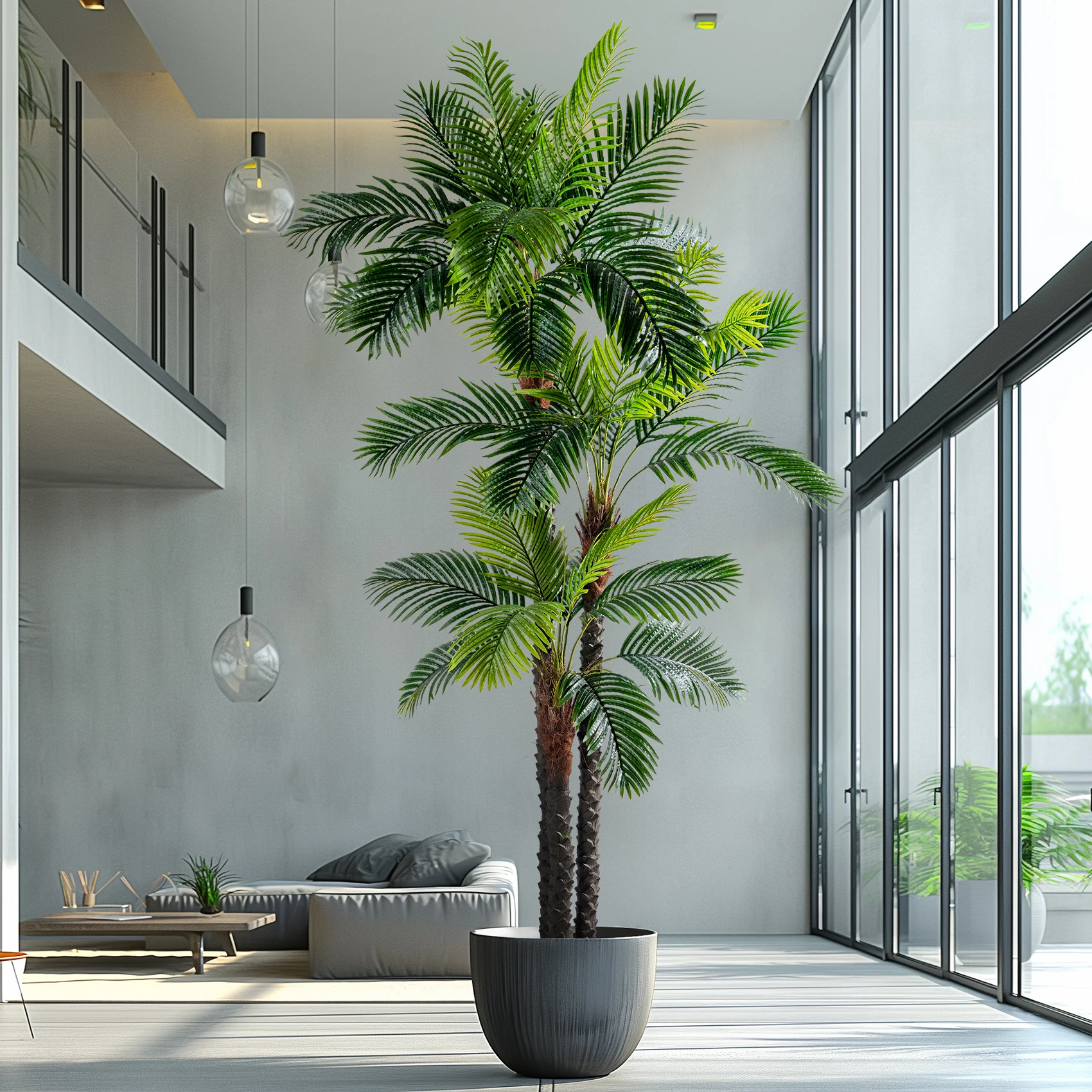
The technology behind UV-resistant artificial plants represents a significant advancement in synthetic landscaping materials. Modern manufacturers utilize specialized polymers and color-fast treatments that prevent fading, cracking, and deterioration under prolonged sun exposure. This technological evolution has transformed artificial plants from obvious imitations into sophisticated replicas that can withstand decades of outdoor use while maintaining their original appearance and structural integrity.
Understanding UV Resistance Technology in Artificial Plants
Advanced Polymer Composition
The foundation of effective UV-resistant artificial plants lies in their specialized polymer composition. High-quality synthetic plants incorporate UV stabilizers directly into the manufacturing process, creating materials that resist photodegradation at the molecular level. These stabilizers work by absorbing harmful ultraviolet radiation and converting it into harmless heat energy, preventing the breakdown of chemical bonds that typically cause fading and brittleness in standard plastics.
Premium UV-resistant artificial plants often feature multiple layers of protection, including surface coatings that provide additional defense against environmental stressors. The most advanced products utilize polyethylene and polypropylene blends specifically engineered for outdoor applications. These materials maintain their flexibility and color integrity even after years of exposure to intense sunlight, making them ideal for climates with high UV indexes and extreme temperature variations.
Color-Fast Treatment Processes
Color stability represents a critical factor in the longevity and visual appeal of outdoor artificial plants. Leading manufacturers employ sophisticated dyeing techniques that penetrate deep into the synthetic fibers, creating color that resists fading even under constant sun exposure. These processes often involve multiple color applications and heat-setting treatments that lock pigments into the material structure.
The most effective UV-resistant artificial plants undergo rigorous testing procedures that simulate years of sun exposure in accelerated timeframes. Quality products typically carry warranties spanning five to ten years, demonstrating manufacturer confidence in their UV protection capabilities. These warranties often specify exact color retention percentages and structural integrity standards, providing buyers with measurable performance expectations.
Economic Benefits of UV-Resistant Outdoor Artificial Plants
Long-Term Cost Analysis
When evaluating the investment value of UV-resistant artificial plants, the long-term cost comparison reveals significant advantages over traditional landscaping approaches. While the initial purchase price may exceed that of live plants, the elimination of ongoing maintenance expenses creates substantial savings over time. These synthetic alternatives require no watering, fertilizing, pruning, or replacement due to seasonal changes or plant mortality.
Professional landscaping services can cost thousands of dollars annually for medium-sized commercial properties or extensive residential gardens. UV-resistant artificial plants eliminate these recurring expenses while providing consistent visual appeal throughout all seasons. The durability of high-quality synthetic plants means they can maintain their appearance for decades with minimal intervention, making them particularly cost-effective for large-scale installations or areas with challenging growing conditions.
Water Conservation Benefits
Water scarcity concerns and rising utility costs make UV-resistant artificial plants increasingly attractive for environmentally conscious property owners. Traditional landscaping can consume thousands of gallons of water annually, particularly in arid climates where irrigation systems run constantly to maintain plant health. Artificial alternatives eliminate this water consumption entirely while providing the same visual benefits.
Municipalities in drought-prone regions often implement water restrictions that limit landscape irrigation, creating challenges for maintaining traditional gardens. UV-resistant artificial plants offer a sustainable solution that complies with conservation efforts while preserving aesthetic appeal. This water independence becomes particularly valuable for commercial properties where consistent appearance is essential for business image, regardless of seasonal water availability or municipal restrictions.
Practical Applications and Installation Considerations
Commercial and Retail Environments
Commercial properties benefit significantly from UV-resistant artificial plants due to their consistent appearance and minimal maintenance requirements. Retail centers, office complexes, and hospitality venues utilize these synthetic alternatives to create inviting outdoor spaces that remain attractive throughout all seasons. The reliability of artificial plants ensures that business environments maintain professional appearances without the risks associated with plant mortality or seasonal dormancy periods.
Installation flexibility represents another major advantage for commercial applications. UV-resistant artificial plants can be positioned in locations where live plants would struggle, such as heavily shaded areas, high-traffic zones, or spaces with poor soil conditions. This adaptability allows property managers to achieve desired aesthetic effects without being constrained by traditional horticultural limitations or ongoing maintenance access requirements.
Residential Landscaping Solutions
Homeowners increasingly choose UV-resistant artificial plants for challenging outdoor areas where traditional landscaping proves difficult or expensive to maintain. Steep slopes, rocky terrain, and areas with poor drainage become viable for attractive plant displays when synthetic alternatives are employed. These applications are particularly valuable for vacation homes or rental properties where consistent maintenance may be impractical.
Modern UV-resistant artificial plants offer remarkable realism that satisfies even discerning homeowners who prioritize natural aesthetics. Advanced manufacturing techniques create subtle color variations, realistic textures, and natural movement characteristics that closely mimic live plants. When properly installed and combined with complementary hardscaping elements, these synthetic plants create outdoor environments that are virtually indistinguishable from traditional gardens while offering superior durability and consistency.
Quality Assessment and Selection Criteria
Material Quality Indicators
Identifying high-quality UV-resistant artificial plants requires understanding key material characteristics that indicate superior performance and longevity. Premium products feature thick, flexible leaves or needles that maintain their shape under physical stress while resisting cracking or splitting. The best UV-resistant artificial plants incorporate multiple green tones and subtle color variations that create realistic depth and natural appearance.
Structural components, including stems, branches, and mounting systems, should demonstrate robust construction capable of withstanding wind loads and temperature extremes. Quality manufacturers provide detailed specifications regarding wind resistance, temperature tolerances, and expected lifespan under various environmental conditions. These technical specifications help buyers select appropriate products for their specific climate and installation requirements.
Manufacturer Reputation and Warranties
Established manufacturers with proven track records in producing UV-resistant artificial plants typically offer comprehensive warranties that reflect confidence in their products' performance. Reputable companies provide clear warranty terms covering color retention, structural integrity, and UV resistance capabilities. These warranties often include replacement guarantees for products that fail to meet specified performance standards within the coverage period.
Third-party testing certifications from recognized standards organizations provide additional assurance of product quality and performance. UV-resistant artificial plants that have undergone independent testing for fade resistance, weatherability, and safety standards demonstrate manufacturer commitment to quality and regulatory compliance. These certifications become particularly important for commercial installations where liability concerns and performance expectations are heightened.
Installation and Maintenance Best Practices
Professional Installation Techniques
Proper installation significantly impacts the longevity and appearance of UV-resistant artificial plants in outdoor environments. Professional installation techniques include secure anchoring systems that prevent movement during high winds while ensuring adequate drainage around mounting points. The most effective installations incorporate hidden support structures that maintain natural appearance while providing necessary structural stability.
Strategic placement considerations include analyzing sun exposure patterns, wind direction, and visual sight lines to optimize both plant longevity and aesthetic impact. Professional installers often recommend grouping UV-resistant artificial plants with complementary hardscaping elements such as decorative stones, mulch, or architectural features that enhance realism while providing additional stability and visual integration with the surrounding landscape.
Minimal Maintenance Requirements
While UV-resistant artificial plants require minimal maintenance compared to live alternatives, periodic cleaning and inspection ensure optimal appearance and longevity. Simple maintenance routines include occasional rinsing with water to remove dust and debris, particularly in dusty or polluted environments. Gentle cleaning with mild soap solutions can restore original color vibrancy when accumulated grime affects appearance.
Annual inspections of mounting systems and structural components help identify potential issues before they compromise plant stability or appearance. These brief assessments typically involve checking anchor points, examining synthetic materials for signs of degradation, and ensuring that drainage systems continue functioning properly. The minimal time investment required for these maintenance activities represents a fraction of the effort needed for traditional landscaping care.
Environmental Impact and Sustainability
Reduced Chemical Usage
UV-resistant artificial plants contribute to environmental sustainability by eliminating the need for fertilizers, pesticides, and herbicides commonly used in traditional landscaping. These chemical inputs can contaminate groundwater, harm beneficial insects, and create runoff that affects local ecosystems. Synthetic alternatives provide aesthetic benefits without contributing to chemical pollution or requiring environmentally harmful maintenance practices.
The production of high-quality UV-resistant artificial plants increasingly incorporates recycled materials and sustainable manufacturing processes. Leading manufacturers utilize recycled plastics and implement closed-loop production systems that minimize waste generation. These environmental considerations make synthetic plants attractive to organizations pursuing sustainability certifications or seeking to reduce their ecological footprint.
Longevity and Resource Efficiency
The extended lifespan of premium UV-resistant artificial plants creates resource efficiency advantages over traditional landscaping approaches that require frequent plant replacement. Quality synthetic plants can maintain their appearance and functionality for decades, eliminating the environmental costs associated with repeated plant production, transportation, and disposal. This longevity translates into reduced overall resource consumption per year of aesthetic benefit provided.
Water conservation benefits of UV-resistant artificial plants become increasingly significant as global water scarcity concerns intensify. Eliminating irrigation requirements preserves precious water resources while avoiding the energy consumption associated with water treatment, distribution, and waste processing. These conservation benefits accumulate substantially over the lifespan of synthetic plant installations, creating meaningful environmental impact reductions.
FAQ
How long do UV-resistant artificial plants typically last outdoors
High-quality UV-resistant artificial plants can maintain their appearance and structural integrity for 10 to 20 years when properly installed and minimally maintained. Premium products often carry warranties spanning 5 to 10 years, with many installations continuing to perform well beyond warranty periods. The actual lifespan depends on climate severity, installation quality, and specific product materials, with some commercial-grade options lasting even longer in favorable conditions.
Can UV-resistant artificial plants withstand extreme weather conditions
Modern UV-resistant artificial plants are engineered to withstand a wide range of extreme weather conditions, including high winds, temperature fluctuations, hail, and prolonged sun exposure. Quality products undergo rigorous testing for wind resistance, temperature cycling, and impact resistance. However, installation location and mounting methods significantly influence weather resistance, with proper professional installation being essential for optimal performance in challenging climates.
Do UV-resistant artificial plants look realistic enough to fool neighbors and visitors
Contemporary UV-resistant artificial plants achieve remarkable realism through advanced manufacturing techniques that create natural color variations, realistic textures, and subtle imperfections that mimic live plants. When properly installed with appropriate complementary landscaping elements, high-quality synthetic plants are often indistinguishable from live alternatives at normal viewing distances. The key to achieving maximum realism lies in selecting premium products and employing professional installation techniques.
Are UV-resistant artificial plants worth the higher initial investment cost
The higher upfront cost of UV-resistant artificial plants typically pays for itself within 2 to 5 years through eliminated maintenance expenses, water savings, and replacement costs associated with traditional landscaping. For commercial properties or challenging residential locations, the return on investment often occurs even faster due to reduced labor costs and consistent appearance benefits. The long-term cost analysis strongly favors synthetic alternatives when total ownership costs are calculated over their expected lifespan.
Table of Contents
- Understanding UV Resistance Technology in Artificial Plants
- Economic Benefits of UV-Resistant Outdoor Artificial Plants
- Practical Applications and Installation Considerations
- Quality Assessment and Selection Criteria
- Installation and Maintenance Best Practices
- Environmental Impact and Sustainability
-
FAQ
- How long do UV-resistant artificial plants typically last outdoors
- Can UV-resistant artificial plants withstand extreme weather conditions
- Do UV-resistant artificial plants look realistic enough to fool neighbors and visitors
- Are UV-resistant artificial plants worth the higher initial investment cost