Nearly Natural Artificial Plants - Premium Realistic Indoor & Outdoor Greenery Solutions

All Categories

nearly natural artificial plants

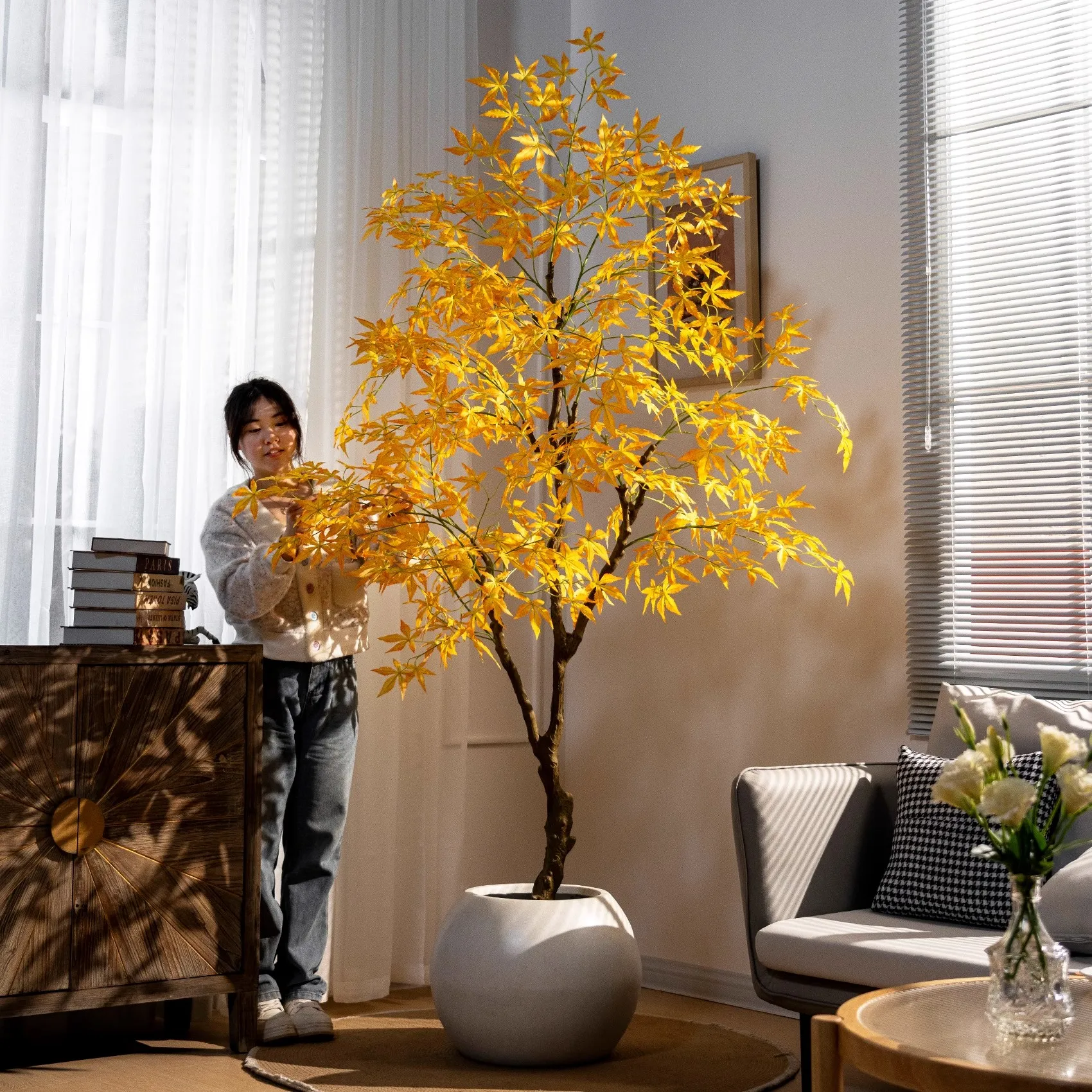
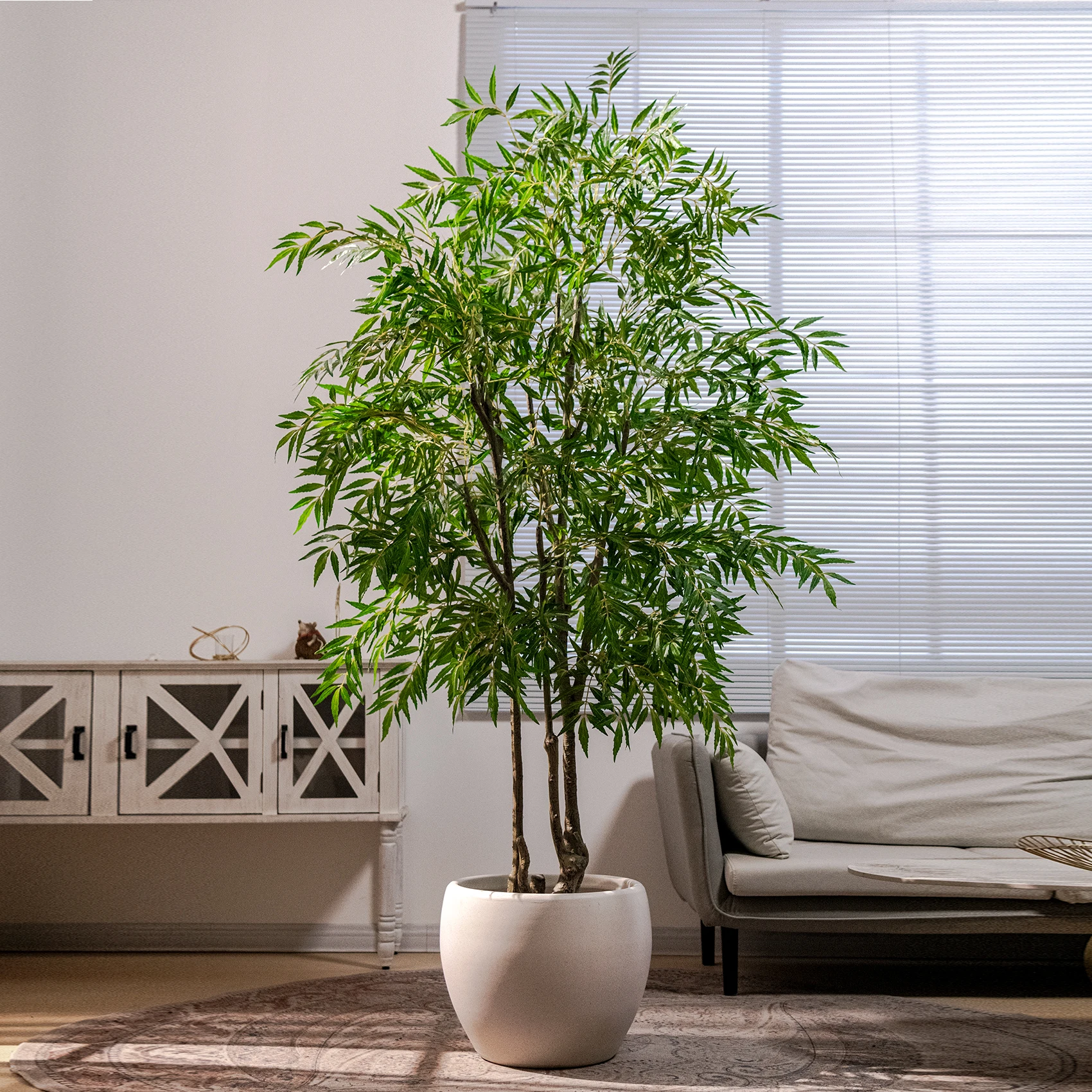
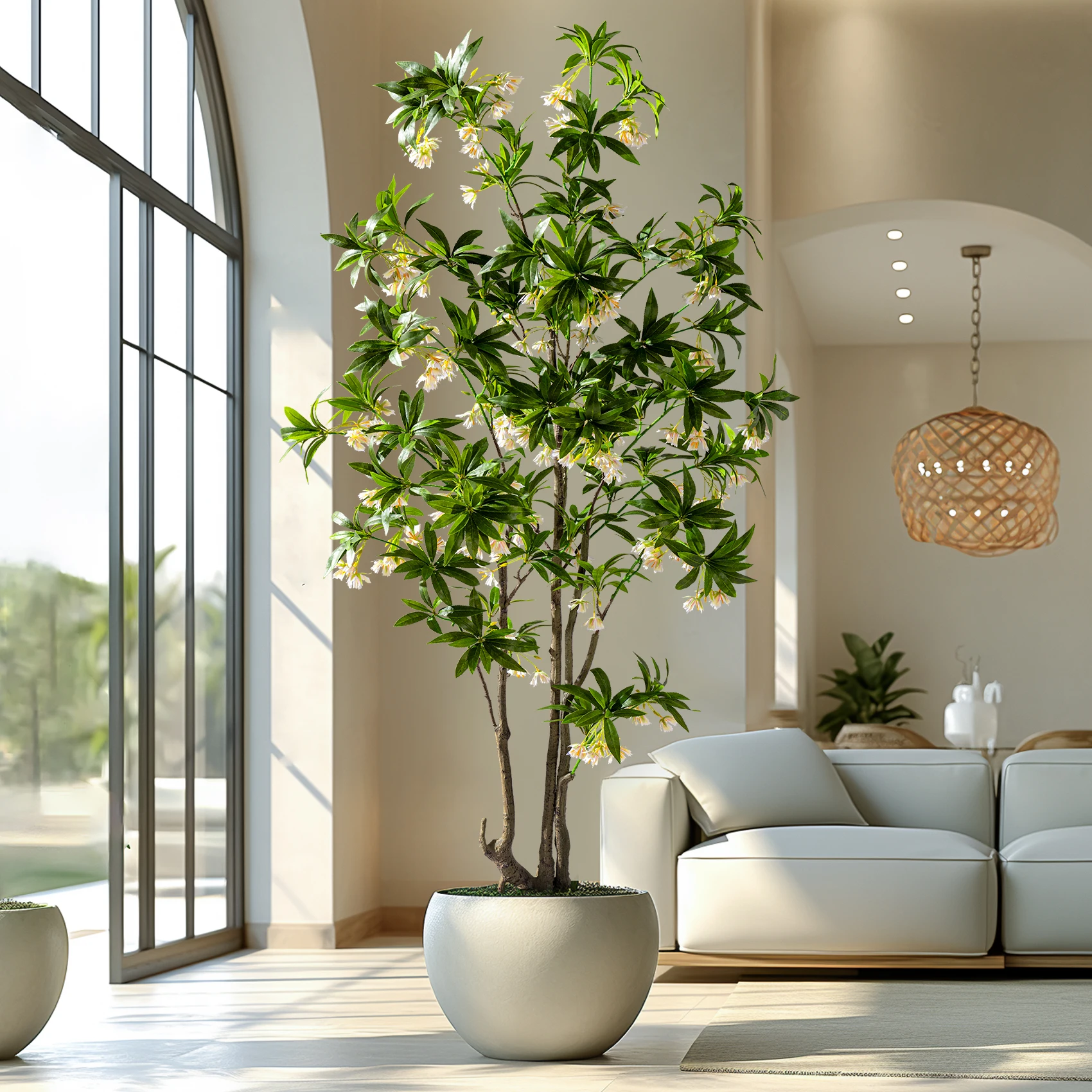
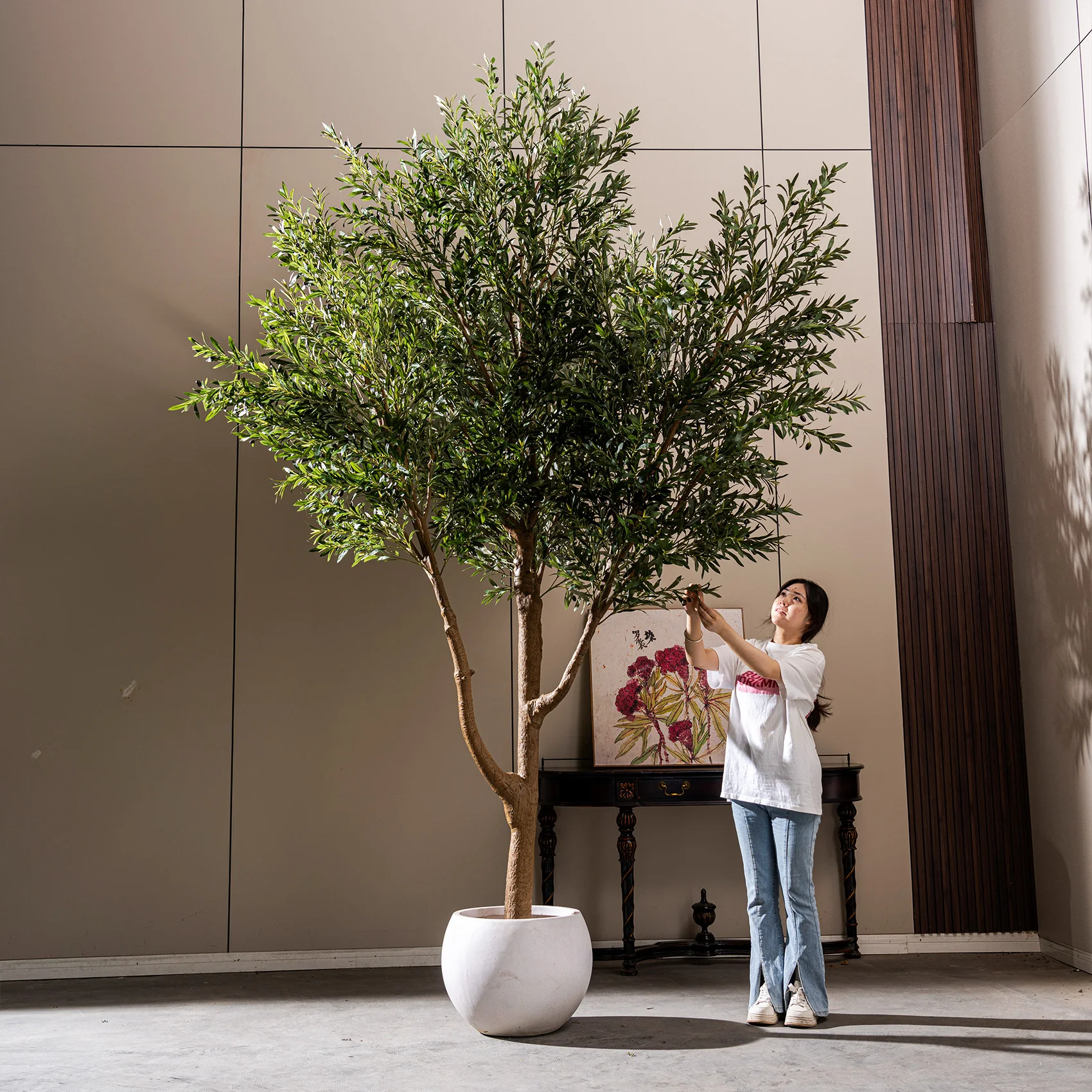
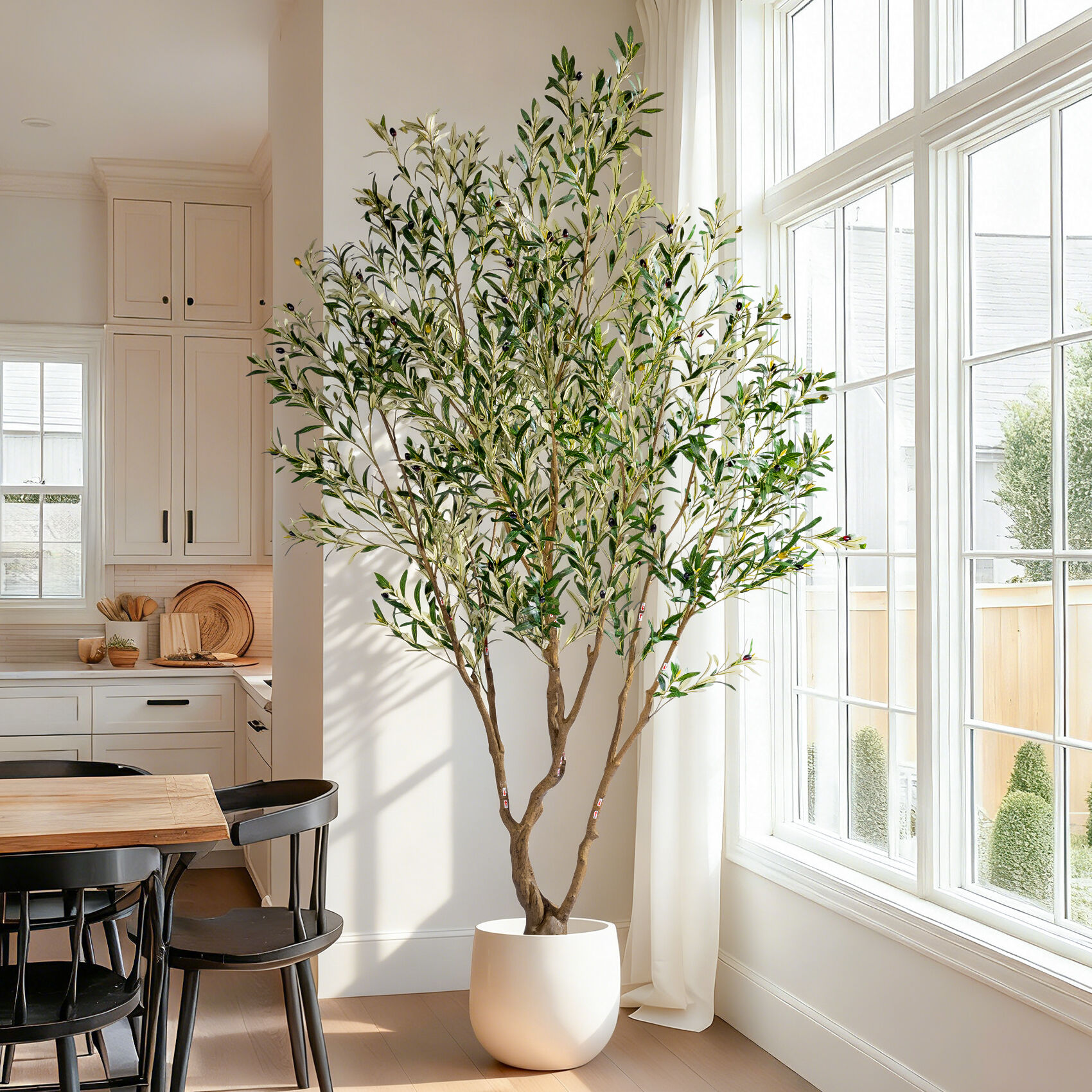
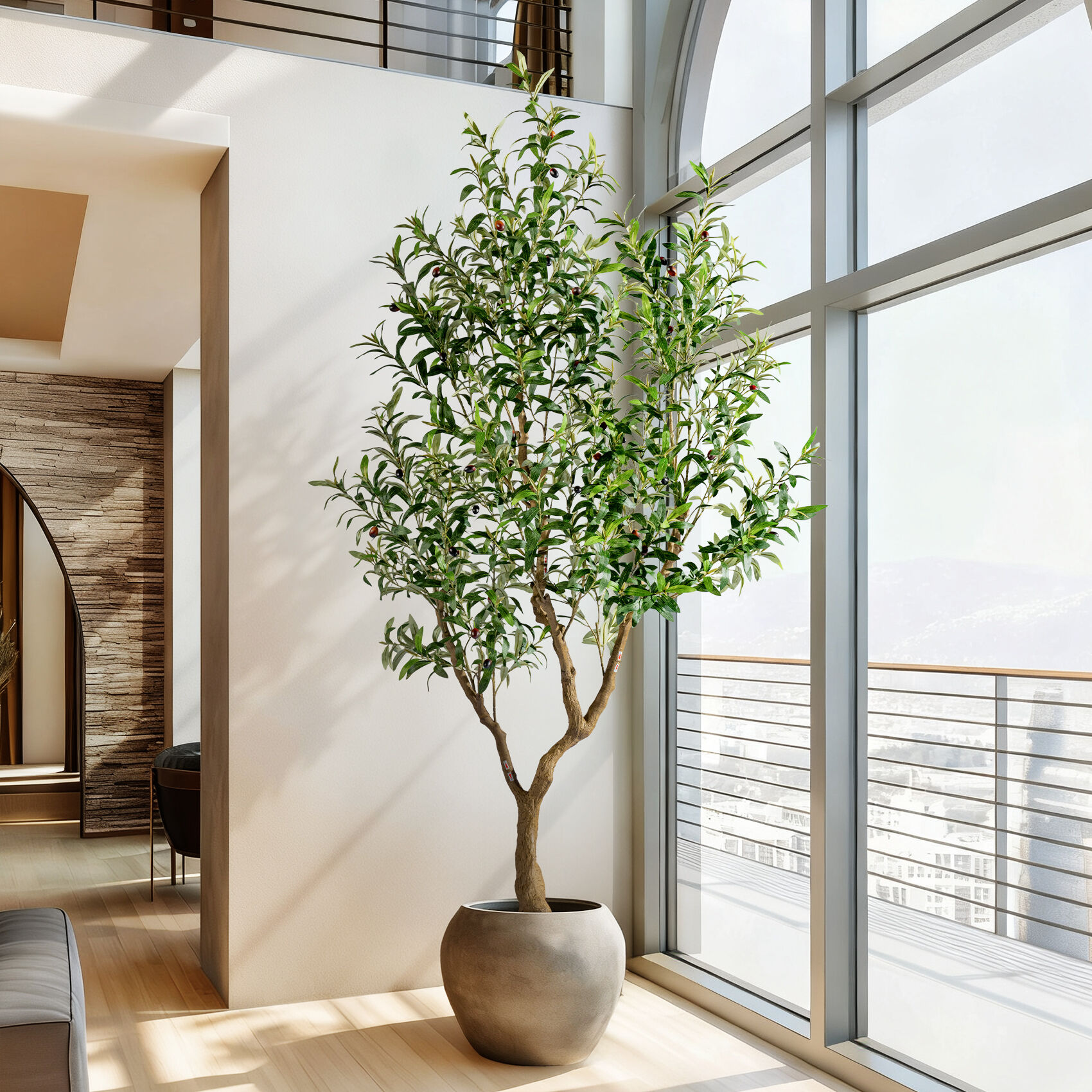
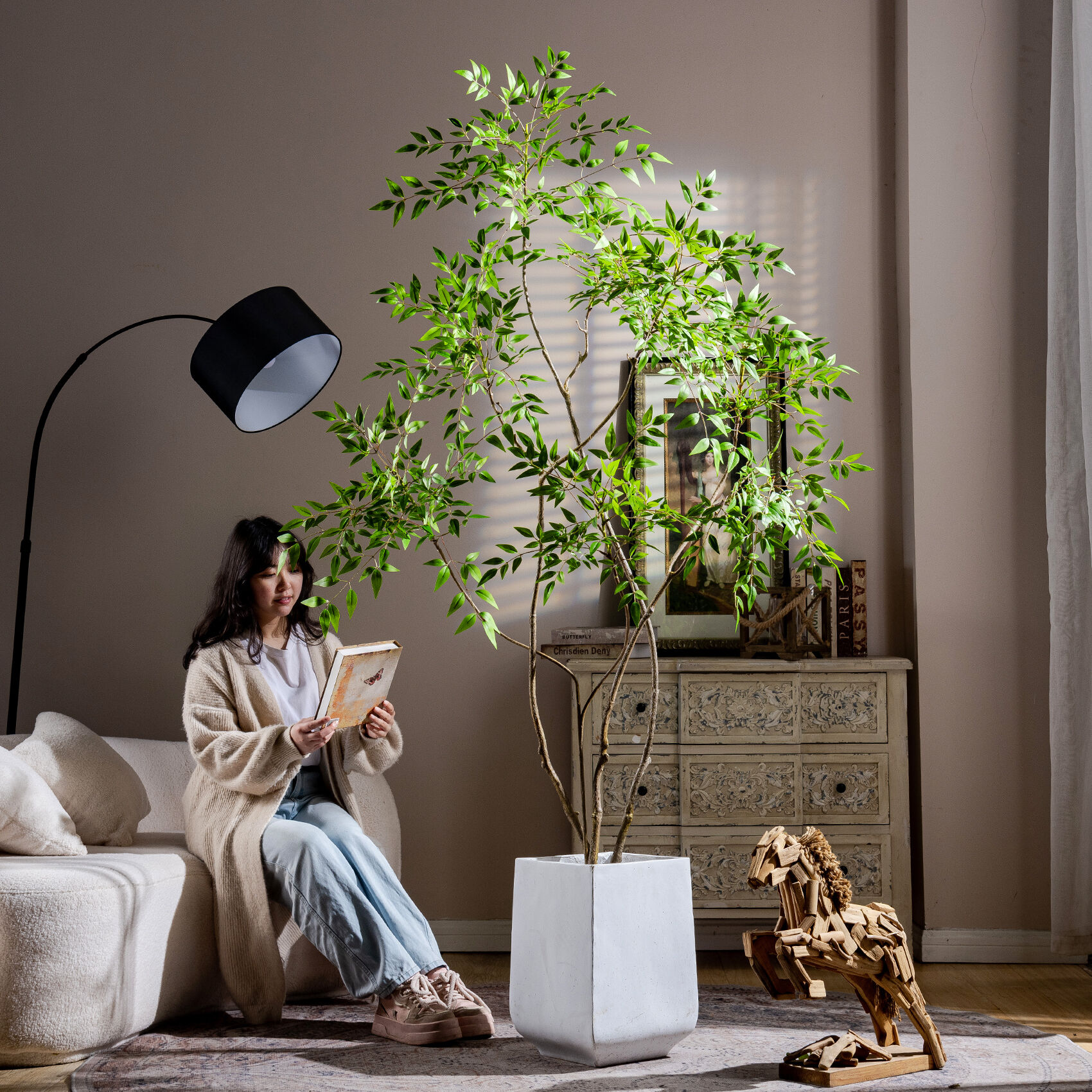
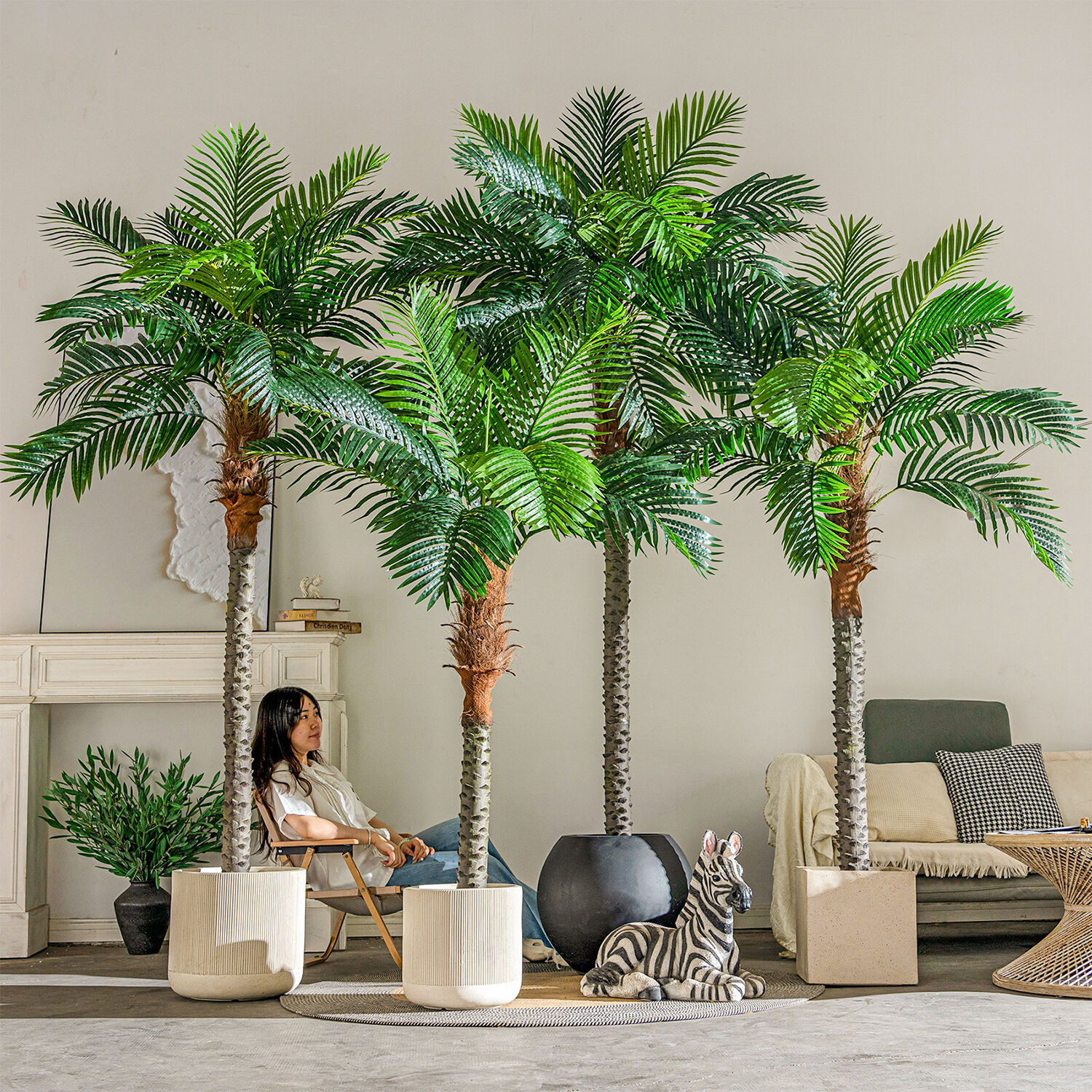
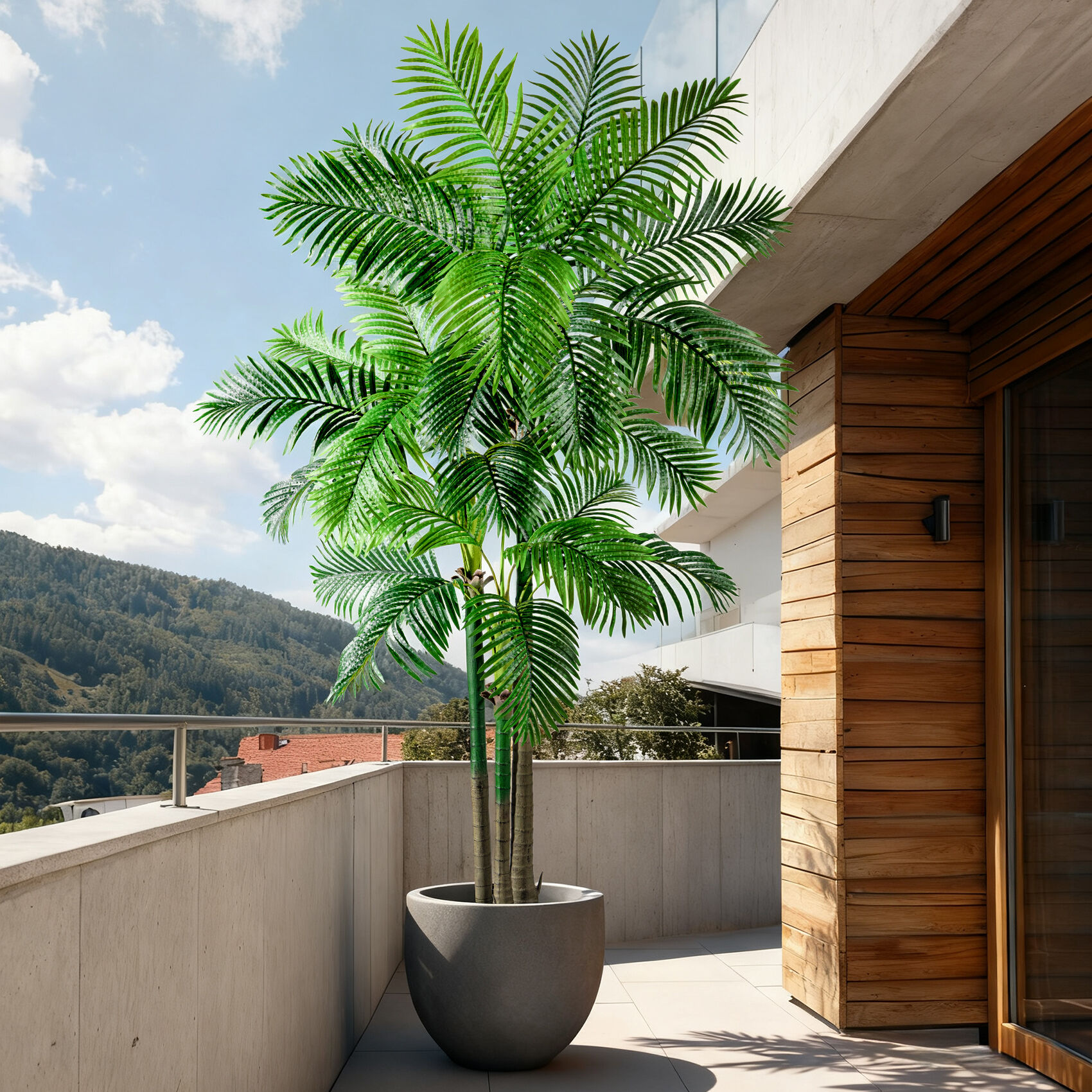
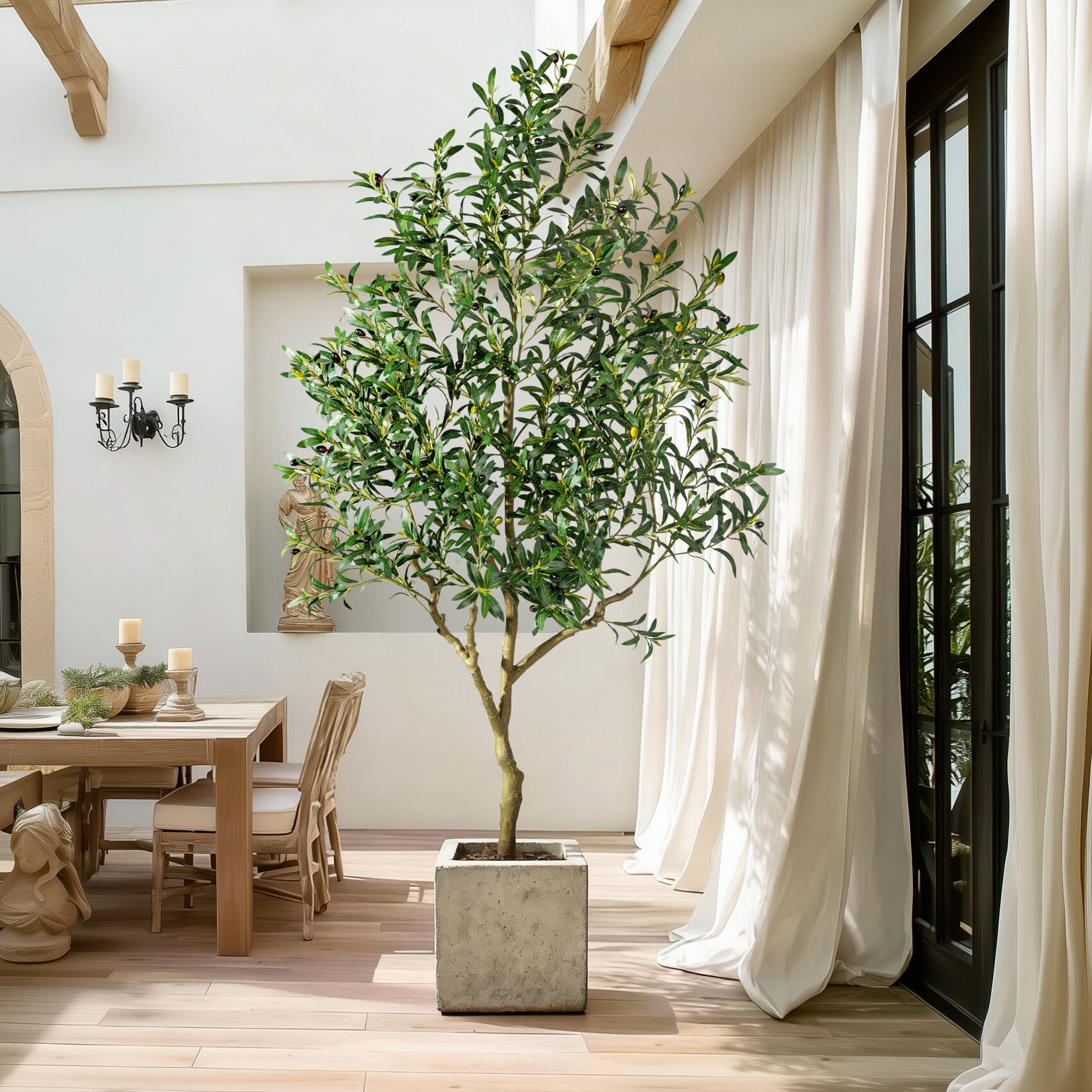
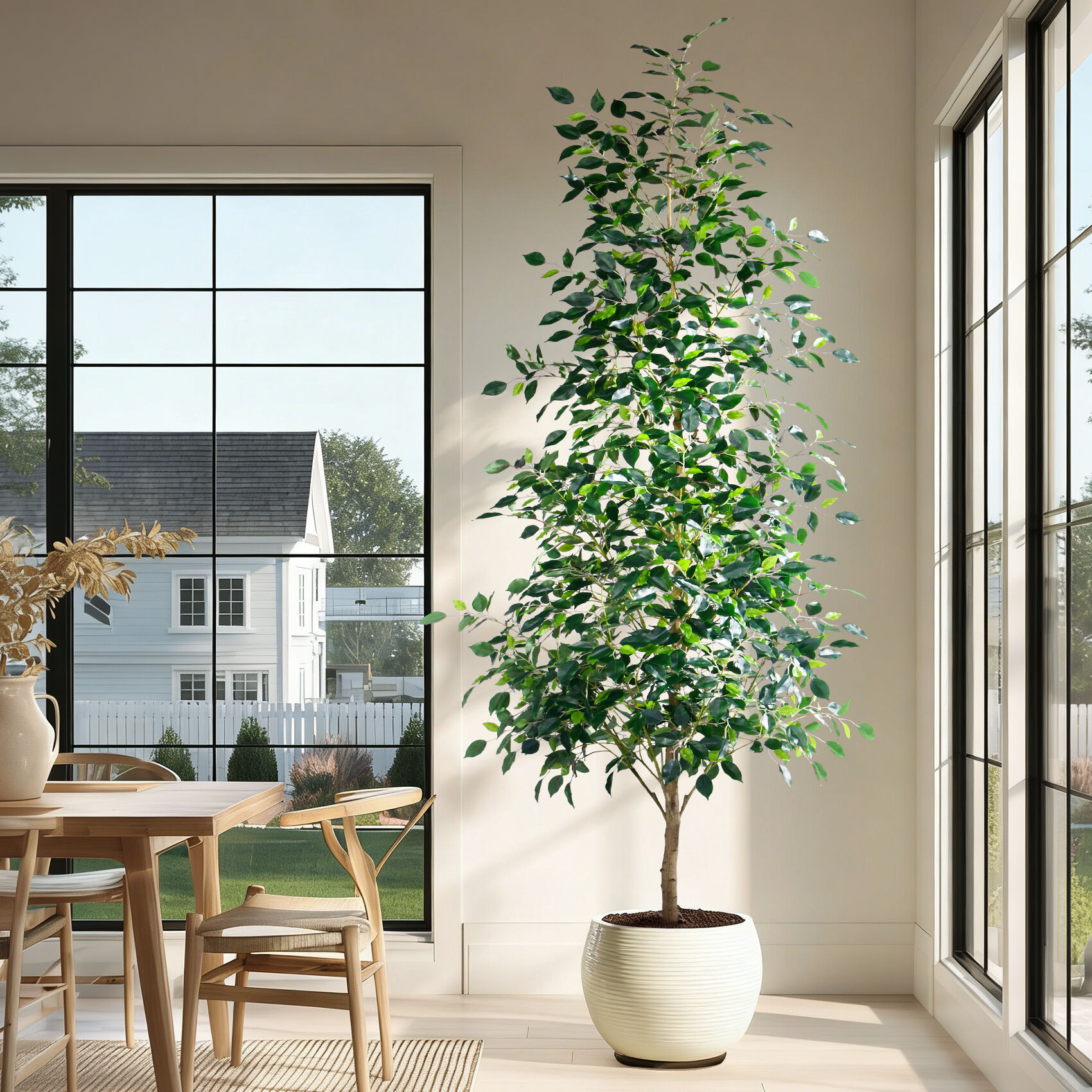
Nearly natural artificial plants represent the pinnacle of botanical replication technology, offering an exceptional solution for those seeking the beauty of greenery without the maintenance requirements of living plants. These sophisticated decorative elements combine advanced manufacturing techniques with meticulous attention to detail, creating products that closely mimic the appearance, texture, and visual appeal of real vegetation. The primary function of nearly natural artificial plants extends beyond mere decoration, serving as versatile design elements that enhance interior and exterior spaces while providing consistent aesthetic value year-round. These plants utilize cutting-edge materials including high-grade silk, premium polyethylene, and specialized UV-resistant polymers that ensure longevity and color retention even under challenging environmental conditions. The technological features of nearly natural artificial plants include realistic leaf texturing achieved through advanced molding processes, natural color gradation that replicates the subtle variations found in living plants, and flexible stem construction that allows for customizable positioning and arrangement. Modern manufacturing techniques employ detailed botanical studies to ensure accurate reproduction of leaf patterns, branch structures, and overall plant architecture. Applications for nearly natural artificial plants span residential, commercial, and institutional settings, making them ideal for offices, hotels, restaurants, retail spaces, healthcare facilities, and private homes. They excel in environments where natural light is limited, air quality is controlled, or maintenance resources are restricted. These plants provide consistent visual appeal without concerns about watering schedules, seasonal changes, pest control, or plant diseases. The durability of nearly natural artificial plants makes them particularly valuable for high-traffic areas where live plants might suffer damage or stress. Their versatility allows for creative arrangements that would be impossible with living plants, including installations in areas with extreme temperatures, limited access, or specialized lighting conditions. The cost-effectiveness of nearly natural artificial plants becomes evident over time, eliminating ongoing expenses related to plant care, replacement, and specialized maintenance equipment while delivering sustained aesthetic benefits.

New Product Recommendations

Nearly natural artificial plants deliver remarkable cost savings compared to maintaining live vegetation, eliminating the need for regular watering, fertilizing, pruning, and pest control treatments that consume both time and money. These plants require no specialized lighting systems, climate control adjustments, or professional gardening services, making them exceptionally budget-friendly for long-term use. The durability of nearly natural artificial plants ensures they maintain their appearance for years without replacement, unlike live plants that may die, become diseased, or require seasonal rotation. Installation flexibility represents another significant advantage, as these plants thrive in any location regardless of natural light availability, humidity levels, or temperature fluctuations. This versatility allows placement in windowless offices, dimly lit corners, air-conditioned environments, or outdoor spaces with extreme weather conditions where live plants would struggle to survive. Nearly natural artificial plants provide consistent visual appeal throughout all seasons, maintaining their lush appearance while live plants may experience dormancy periods, leaf drop, or seasonal color changes that affect overall aesthetics. The convenience factor cannot be overstated, as these plants require minimal maintenance beyond occasional dusting, freeing up valuable time for other activities while still enjoying beautiful greenery. Safety considerations favor nearly natural artificial plants in environments where allergies, toxic plant materials, or soil-borne pathogens might pose risks to occupants, particularly in healthcare facilities, schools, or homes with pets and small children. Design flexibility increases dramatically with artificial options, allowing for creative arrangements that incorporate multiple plant species without considering compatibility, growth patterns, or seasonal timing. Nearly natural artificial plants eliminate concerns about overwatering damage to floors and furniture, soil spillage, or insect attraction that commonly accompanies live plants. The predictable nature of artificial plants supports better space planning and interior design decisions, as their size, shape, and appearance remain constant over time. Transportation and relocation become simple processes with artificial plants, avoiding the stress, shock, and potential loss associated with moving live vegetation. These advantages combine to create a practical, attractive, and hassle-free solution for incorporating natural beauty into any environment without the traditional challenges of plant ownership and care.

Practical Tips

What Defines Premium Quality in Modern Artificial Plant Manufacturing?

25

Feb

What Defines Premium Quality in Modern Artificial Plant Manufacturing?

The landscape of artificial plant manufacturing has evolved dramatically over the past decade, transforming from basic plastic replicas to sophisticated botanical recreations that rival their living counterparts. Modern artificial plant manufacturing...
View More
Are UV-Resistant Artificial Plants Worth the Investment for Outdoor Use?

25

Feb

Are UV-Resistant Artificial Plants Worth the Investment for Outdoor Use?

Outdoor landscaping presents unique challenges that many homeowners and business owners struggle to overcome. Weather extremes, soil conditions, and maintenance demands often make traditional gardening impractical or expensive. UV-resistant artificia...
View More
The ROI of Artificial Greenery in Reducing Facility Maintenance Costs.

06

Mar

The ROI of Artificial Greenery in Reducing Facility Maintenance Costs.

Modern businesses are increasingly recognizing the significant financial benefits of incorporating artificial greenery into their facility design strategies. As organizations seek to balance aesthetic appeal with operational efficiency, artificial gr...
View More
Artificial Greenery for Events: Achieving Luxury Decor on a Tight Timeline.

06

Mar

Artificial Greenery for Events: Achieving Luxury Decor on a Tight Timeline.

Event planners and decorators constantly face the challenge of creating stunning visual experiences within strict timeframes and budget constraints. When natural plants and flowers require extensive care, watering schedules, and optimal lighting cond...
View More

Get a Free Quote

Our representative will contact you soon.
Email
Name
Company Name
Message
0/1000

nearly natural artificial plants

Unmatched Realism Through Advanced Manufacturing

Unmatched Realism Through Advanced Manufacturing

Nearly natural artificial plants achieve extraordinary realism through sophisticated manufacturing processes that meticulously replicate every aspect of living vegetation with remarkable precision and attention to detail. The development process begins with extensive botanical research, where designers study live plant specimens to understand intricate details such as leaf vein patterns, surface textures, color variations, and natural growth habits. This comprehensive analysis forms the foundation for creating molds and templates that capture even the most subtle characteristics of real plants. Advanced injection molding techniques utilize high-quality materials including premium silk fibers, polyethylene compounds, and specialized polymers that closely match the tactile properties of natural leaves and stems. The manufacturing process incorporates multiple layers of color application, starting with base tones and progressing through highlighting and shadowing techniques that create the natural color gradation found in living plants. Each leaf receives individual attention during production, with hand-finishing processes that add realistic imperfections, natural curves, and authentic aging effects that prevent the artificial appearance common in lower-quality products. The stem construction employs flexible wire cores wrapped in textured materials that allow for natural positioning while maintaining structural integrity over extended periods. UV-resistant treatments ensure color stability and prevent fading when exposed to natural or artificial lighting, maintaining the vibrant appearance that makes nearly natural artificial plants virtually indistinguishable from their living counterparts. Quality control measures throughout the manufacturing process include comparison testing against live plant samples, ensuring that each product meets stringent standards for visual authenticity. The result is artificial vegetation that not only looks natural from a distance but also withstands close inspection, making it suitable for high-end commercial applications and discerning residential customers. This commitment to realism extends to packaging and presentation, with many nearly natural artificial plants arriving in conditions that mirror how live plants would be delivered, complete with realistic potting materials and natural-looking soil alternatives. The investment in advanced manufacturing technology and skilled craftsmanship ensures that nearly natural artificial plants provide exceptional value through their ability to deliver the aesthetic benefits of live plants without any of the associated maintenance requirements or limitations.
Maintenance-Free Beauty for Busy Lifestyles

Maintenance-Free Beauty for Busy Lifestyles

Nearly natural artificial plants provide the perfect solution for individuals and organizations seeking beautiful greenery without the time commitment, expertise, or ongoing responsibility required to maintain living plants successfully. This maintenance-free advantage addresses the common challenges faced by busy professionals, frequent travelers, elderly individuals, and anyone whose lifestyle or circumstances make traditional plant care difficult or impractical. Unlike live plants that demand daily attention, regular watering schedules, seasonal adjustments, and constant monitoring for signs of disease or pest problems, nearly natural artificial plants maintain their pristine appearance with minimal intervention. The elimination of watering requirements removes the risk of overwatering or underwatering, both leading causes of plant failure that result in costly replacements and disappointing aesthetic outcomes. No fertilizing schedules mean freedom from purchasing, storing, and applying plant nutrients, while also avoiding the potential for chemical burns, soil contamination, or unpleasant odors associated with organic fertilizers. Pruning and grooming become unnecessary activities, as nearly natural artificial plants maintain their intended shape and size indefinitely without developing overgrowth, dead branches, or unsightly appearance that requires regular trimming. The absence of soil eliminates concerns about fungal growth, bacterial development, pest attraction, and the mess associated with repotting activities that can damage floors, furniture, and surrounding areas. Climate control requirements disappear entirely, allowing nearly natural artificial plants to thrive in any environment regardless of temperature extremes, humidity fluctuations, or air circulation patterns that would stress or kill living vegetation. This environmental independence makes them ideal for spaces with challenging conditions such as basements, attics, enclosed offices, or outdoor areas with harsh weather exposure. Seasonal care transitions become obsolete, as these plants never experience dormancy periods, seasonal die-back, or the need for special winter protection that living plants require. The consistency of appearance throughout the year ensures that interior design schemes remain intact regardless of season, weather patterns, or environmental changes that might affect live plants. Pest control measures become unnecessary, eliminating the need for insecticides, fungicides, or other chemical treatments that can pose health risks and create unpleasant conditions. The time savings achieved through choosing nearly natural artificial plants can be substantial, freeing up hours each week that would otherwise be spent on plant care activities, allowing individuals to focus on other priorities while still enjoying the psychological and aesthetic benefits of greenery in their environment.

Versatile Design Solutions for Any Environment

Versatile Design Solutions for Any Environment

Nearly natural artificial plants offer unparalleled versatility in design applications, providing creative flexibility that surpasses the limitations inherent in working with living vegetation while delivering consistent aesthetic results across diverse environments and challenging conditions. This adaptability makes them invaluable tools for interior designers, architects, and property managers who need reliable greenery solutions that perform consistently regardless of environmental constraints or maintenance capabilities. The freedom from natural growth requirements allows nearly natural artificial plants to be positioned in locations where live plants would fail to thrive, including areas with insufficient natural light, poor air circulation, extreme temperatures, or limited access for regular care. This placement flexibility enables creative design concepts such as suspended installations, wall-mounted arrangements, and integrated architectural features that would be impossible or impractical with living plants. The ability to combine different plant species without considering compatibility factors opens up exciting possibilities for creating lush, diverse arrangements that might never occur naturally or would require extensive expertise to maintain successfully. Scale and proportion control becomes effortless with artificial options, as plants can be selected based purely on aesthetic requirements rather than being limited by available varieties, seasonal availability, or growing conditions. Custom arrangements can incorporate exotic species alongside common varieties, creating unique visual impacts that would be costly or impossible to achieve with live plants. The durability of nearly natural artificial plants enables their use in high-traffic areas, outdoor installations exposed to weather extremes, and specialized environments such as swimming pool areas, saunas, or industrial settings where live plants would quickly deteriorate. Design continuity across multiple locations becomes achievable, allowing businesses with multiple facilities to maintain consistent branding and aesthetic standards without worrying about varying growing conditions or local climate limitations. The absence of growth patterns and seasonal changes means that carefully planned design schemes remain intact over time, providing predictable results that support long-term aesthetic goals and investment planning. Installation timing becomes completely flexible, allowing nearly natural artificial plants to be incorporated into construction projects, renovation schedules, or seasonal decorating plans without concern for planting seasons, establishment periods, or climate timing. The ability to create instant mature landscapes eliminates the waiting period associated with live plant growth, delivering immediate visual impact for events, grand openings, or urgent design deadlines. This versatility extends to maintenance scheduling, as nearly natural artificial plants can be cleaned, rearranged, or updated according to design needs rather than biological requirements, providing complete control over aesthetic management and allowing for responsive adjustments to changing design preferences or functional requirements.

Get a Free Quote

Our representative will contact you soon.
Email
Name
Company Name
Message
0/1000