
 EN
EN
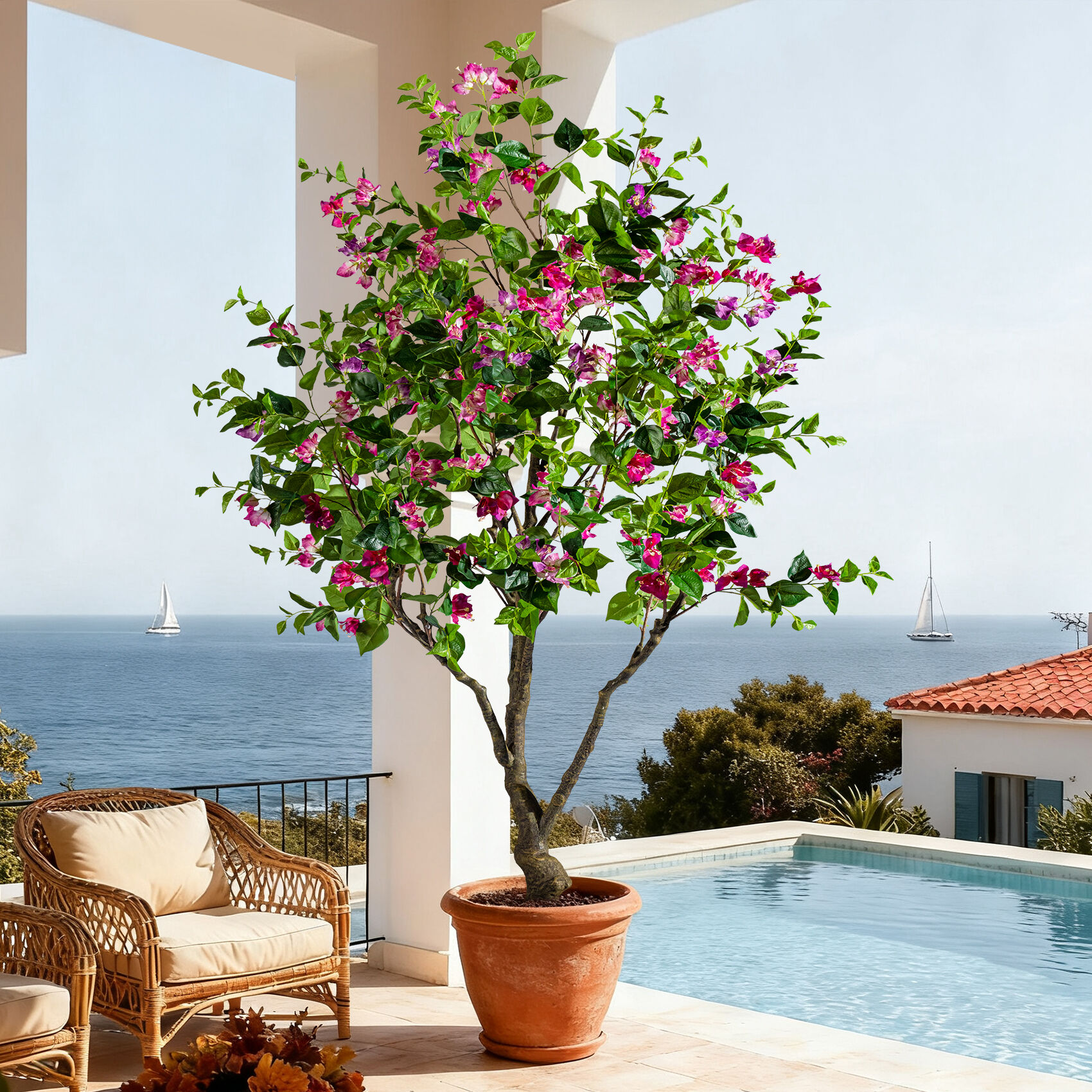
Commercial spaces require greenery that maintains its aesthetic appeal while withstanding heavy foot traffic, varying environmental conditions, and minimal maintenance requirements. Artificial plants for commercial projects have emerged as the optimal solution for businesses seeking to enhance their interior landscapes without the ongoing costs and complications associated with live vegetation. From corporate offices and retail establishments to healthcare facilities and hospitality venues, artificial plants for commercial projects provide consistent visual impact while eliminating concerns about watering, pruning, pest control, and plant replacement.
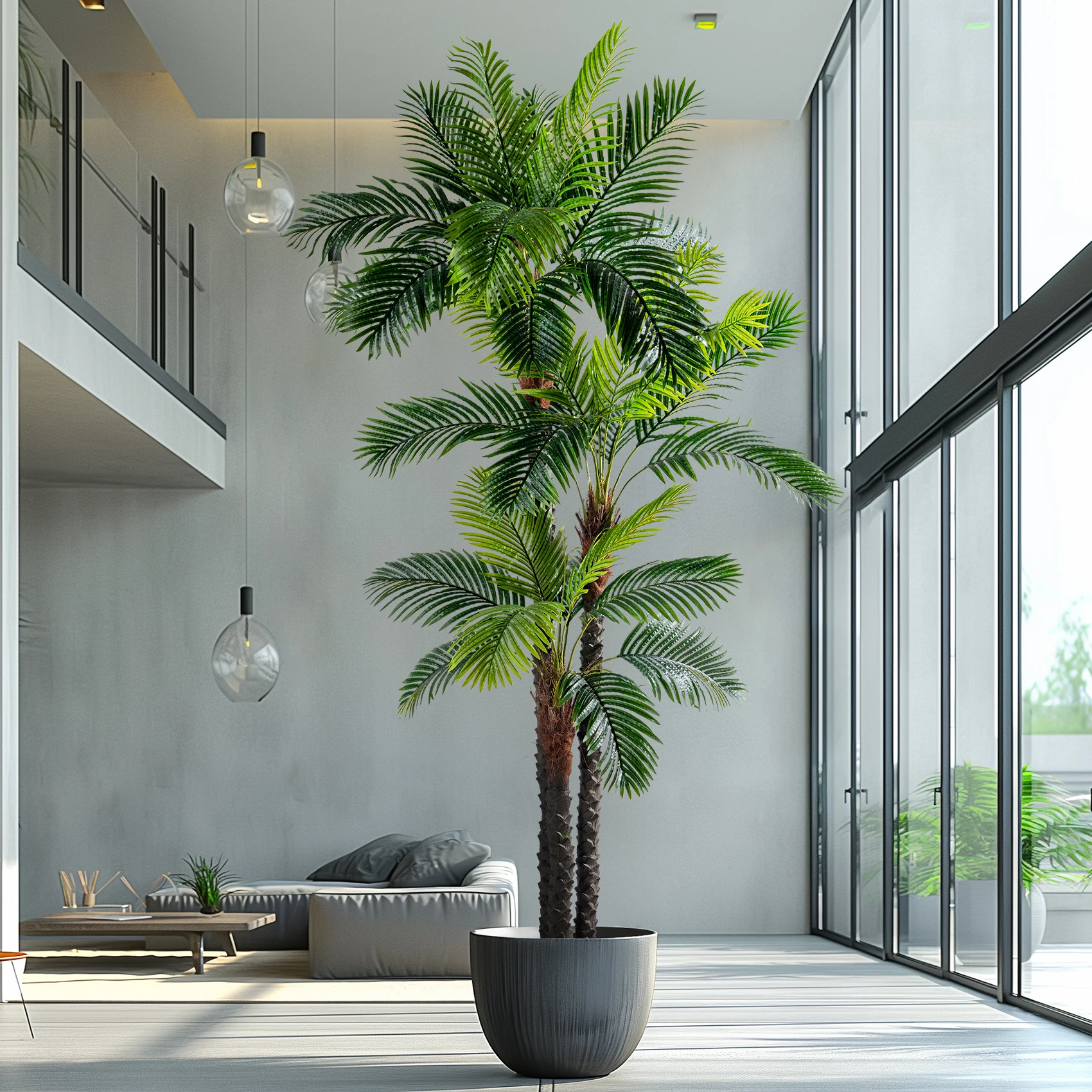
The selection process for artificial plants for commercial projects requires careful consideration of multiple factors including durability specifications, fire safety ratings, UV resistance capabilities, and long-term cost effectiveness. Professional procurement managers and interior designers must evaluate these synthetic botanical solutions against stringent commercial standards while ensuring the final installations deliver the desired ambiance and brand representation. Understanding the nuances of commercial-grade artificial plants for commercial projects enables decision-makers to make informed investments that will serve their facilities for years to come.
Understanding Commercial-Grade Artificial Plant Standards
Material Composition and Durability Requirements
Commercial artificial plants for commercial projects must be manufactured using high-grade materials that can withstand constant exposure to foot traffic, cleaning chemicals, and environmental stressors. Premium synthetic foliage typically incorporates UV-stabilized polyethylene, polypropylene, or specialized polymer blends that resist fading, cracking, and deterioration over extended periods. The stem and trunk structures require reinforced internal frameworks, often utilizing steel wire cores or rigid plastic supports that maintain structural integrity under stress.
Fire retardancy represents a critical safety consideration for artificial plants for commercial projects, particularly in public spaces, hotels, and healthcare facilities. Commercial-grade synthetic vegetation must meet or exceed local fire safety codes, with many products carrying certifications such as NFPA 701 or equivalent international standards. These flame-resistant treatments ensure that the artificial plants for commercial projects will not contribute to fire spread while maintaining their visual appeal throughout their service life.
UV Resistance and Color Stability
Ultraviolet radiation poses a significant threat to the longevity of artificial plants for commercial projects, particularly those installed in areas with significant natural lighting or outdoor applications. Commercial-grade synthetic foliage incorporates specialized UV inhibitors and stabilizers that prevent photodegradation, color shifting, and material brittleness. These protective treatments ensure that artificial plants for commercial projects maintain their vibrant appearance and structural integrity even when exposed to intense sunlight or artificial UV sources.
Quality artificial plants for commercial projects undergo rigorous testing protocols that simulate years of UV exposure in accelerated timeframes. Manufacturers typically provide warranties ranging from three to ten years, with premium products offering fade-resistant guarantees that ensure color stability throughout the warranty period. This UV protection technology represents a significant advancement over earlier synthetic foliage products that would quickly deteriorate when exposed to natural lighting conditions.
Sourcing Strategies for Commercial Procurement
Identifying Reputable Manufacturers and Suppliers
Successful procurement of artificial plants for commercial projects begins with identifying manufacturers and suppliers who specialize in commercial-grade synthetic vegetation. Established suppliers typically maintain extensive product lines specifically designed for commercial applications, offering detailed specifications, installation guidance, and post-purchase support services. These specialized vendors understand the unique requirements of artificial plants for commercial projects and can provide technical documentation necessary for compliance with building codes and safety regulations.
Due diligence in supplier selection includes reviewing manufacturer certifications, quality control processes, and production capabilities. Reputable suppliers of artificial plants for commercial projects maintain ISO quality management systems, environmental certifications, and documented testing protocols that verify product performance claims. Additionally, established suppliers often provide sample programs that allow procurement teams to evaluate material quality, construction techniques, and aesthetic suitability before committing to large-scale orders.
Bulk Purchasing and Volume Pricing Considerations
Commercial artificial plants for commercial projects typically offer significant cost advantages when purchased in volume quantities, with many suppliers providing tiered pricing structures that reward larger orders. Bulk purchasing strategies enable facilities managers to achieve uniform aesthetics across multiple locations while securing favorable pricing terms that improve overall project economics. Volume pricing considerations should include not only initial product costs but also shipping expenses, installation requirements, and potential future expansion needs.
Long-term procurement planning for artificial plants for commercial projects should account for product standardization, replacement part availability, and supplier relationship management. Establishing framework agreements with preferred suppliers ensures consistent product quality and pricing stability across multiple projects while providing access to new product developments and technical innovations. These strategic partnerships facilitate efficient procurement processes and enable rapid response to changing facility requirements or expansion opportunities.
Quality Assessment and Product Evaluation
Physical Inspection and Testing Protocols
Comprehensive quality assessment of artificial plants for commercial projects requires systematic evaluation of construction quality, material integrity, and aesthetic realism. Physical inspection protocols should examine leaf attachment methods, stem flexibility, root system construction, and overall dimensional accuracy. High-quality artificial plants for commercial projects feature secure leaf attachment using mechanical fastening or chemical bonding techniques that prevent premature detachment during handling or maintenance activities.
Testing protocols for artificial plants for commercial projects should include stress testing of structural components, colorfastness evaluation under various lighting conditions, and cleanability assessments using commercial-grade cleaning products. These evaluation processes help identify potential performance issues before installation and ensure that selected products will meet operational requirements throughout their intended service life. Documentation of testing results provides valuable reference information for maintenance planning and warranty claim procedures.
Aesthetic Realism and Design Integration
The visual impact of artificial plants for commercial projects depends heavily on the realism of foliage textures, color variations, and natural growth patterns. Premium synthetic vegetation incorporates multiple shades of green, realistic leaf textures, and irregular branching patterns that mimic natural plant growth characteristics. These design elements ensure that artificial plants for commercial projects integrate seamlessly with architectural elements and contribute positively to the overall interior design scheme.
Design integration considerations for artificial plants for commercial projects include scale relationships, color coordination with existing décor elements, and seasonal variation capabilities. Many commercial installations benefit from modular artificial plants for commercial projects that allow for easy reconfiguration, seasonal updates, or expansion as facility requirements evolve. This flexibility enables facility managers to maintain fresh, engaging environments while maximizing their investment in synthetic vegetation solutions.
Installation and Maintenance Best Practices
Professional Installation Techniques
Proper installation of artificial plants for commercial projects requires specialized techniques that ensure secure mounting, aesthetic positioning, and long-term stability. Professional installers understand the importance of proper anchoring systems, particularly for larger specimen plants that may be subject to air currents from HVAC systems or human interaction. Installation techniques must account for facility access requirements, maintenance considerations, and potential future relocation needs.
Commercial installations of artificial plants for commercial projects often involve integration with existing planter systems, architectural features, or specialized display platforms. Professional installation teams coordinate with facility management, security personnel, and maintenance staff to minimize disruption to normal operations while ensuring that all safety protocols are followed throughout the installation process. This collaborative approach helps guarantee successful project completion and client satisfaction.
Ongoing Maintenance and Care Requirements
While artificial plants for commercial projects require significantly less maintenance than live vegetation, they do benefit from regular care to preserve their appearance and extend their service life. Maintenance protocols typically include periodic dusting, occasional deep cleaning with appropriate solvents, and inspection for signs of wear or damage that might require repair or replacement. Establishing routine maintenance schedules ensures that artificial plants for commercial projects continue to enhance facility aesthetics throughout their operational life.
Training facility maintenance staff in proper care techniques for artificial plants for commercial projects helps prevent damage from inappropriate cleaning methods or harsh chemicals. Many suppliers provide detailed maintenance guidelines, recommended cleaning products, and troubleshooting resources that enable in-house maintenance teams to effectively care for synthetic vegetation installations. This support infrastructure contributes to the long-term success and cost-effectiveness of artificial plants for commercial projects.
Cost Analysis and Return on Investment
Initial Investment Versus Long-Term Savings
The financial analysis of artificial plants for commercial projects must consider both upfront acquisition costs and long-term operational savings compared to live plant alternatives. While premium artificial plants for commercial projects typically require higher initial investment than live plants, they eliminate ongoing expenses for watering systems, soil replacement, pest control, fertilization, and plant replacement due to mortality or seasonal changes. These operational savings often result in positive return on investment within the first two to three years of installation.
Additional cost benefits of artificial plants for commercial projects include reduced liability insurance costs, elimination of water damage risks, and decreased maintenance labor requirements. Many facilities also realize energy savings through reduced HVAC loads since artificial plants for commercial projects do not require climate-controlled environments or specialized lighting systems. These cumulative savings contribute to the overall economic attractiveness of synthetic vegetation solutions for commercial applications.
Budget Planning and Financial Projections
Comprehensive budget planning for artificial plants for commercial projects should include acquisition costs, installation expenses, ongoing maintenance requirements, and potential replacement schedules. Financial projections typically assume service lives of five to ten years for commercial-grade products, with premium artificial plants for commercial projects often exceeding these expectations when properly maintained. Budget allocations should also account for potential expansion or reconfiguration needs as facility requirements evolve.
Total cost of ownership calculations for artificial plants for commercial projects provide valuable insights for capital budgeting and facility planning processes. These analyses should compare synthetic vegetation solutions against alternatives including live plants, alternative décor options, and no vegetation scenarios. The comprehensive financial evaluation ensures that decision-makers understand the full economic implications of their investment in artificial plants for commercial projects.
FAQ
What certifications should commercial artificial plants have?
Commercial artificial plants for commercial projects should carry relevant safety certifications including fire retardancy ratings such as NFPA 701 or equivalent standards. Additionally, look for UV resistance certifications, material safety documentation, and quality management system certifications from the manufacturer. These certifications ensure compliance with building codes and safety regulations while providing assurance of product quality and performance capabilities.
How long do commercial-grade artificial plants typically last?
High-quality artificial plants for commercial projects typically provide service lives ranging from five to fifteen years, depending on environmental conditions, maintenance practices, and initial product quality. Premium commercial-grade products with proper UV protection and regular maintenance can often exceed these timeframes, while lower-grade alternatives may require replacement within three to five years. Manufacturer warranties provide reliable indicators of expected service life.
Can artificial plants be customized for specific commercial applications?
Many suppliers of artificial plants for commercial projects offer customization services including specific color matching, size modifications, and specialized mounting systems. Custom solutions enable perfect integration with architectural elements, brand requirements, and unique aesthetic preferences. Customization options may include specialized fire retardancy treatments, specific material compositions, or unique design elements that align with corporate identity standards.
What maintenance is required for commercial artificial plants?
Maintenance requirements for artificial plants for commercial projects typically include regular dusting, periodic deep cleaning with appropriate solvents, and occasional inspection for wear or damage. Most installations benefit from monthly light cleaning and quarterly comprehensive maintenance procedures. Unlike live plants, artificial plants for commercial projects do not require watering, fertilization, pruning, or pest control, significantly reducing ongoing maintenance costs and complexity.