large artificial plants manufacturer
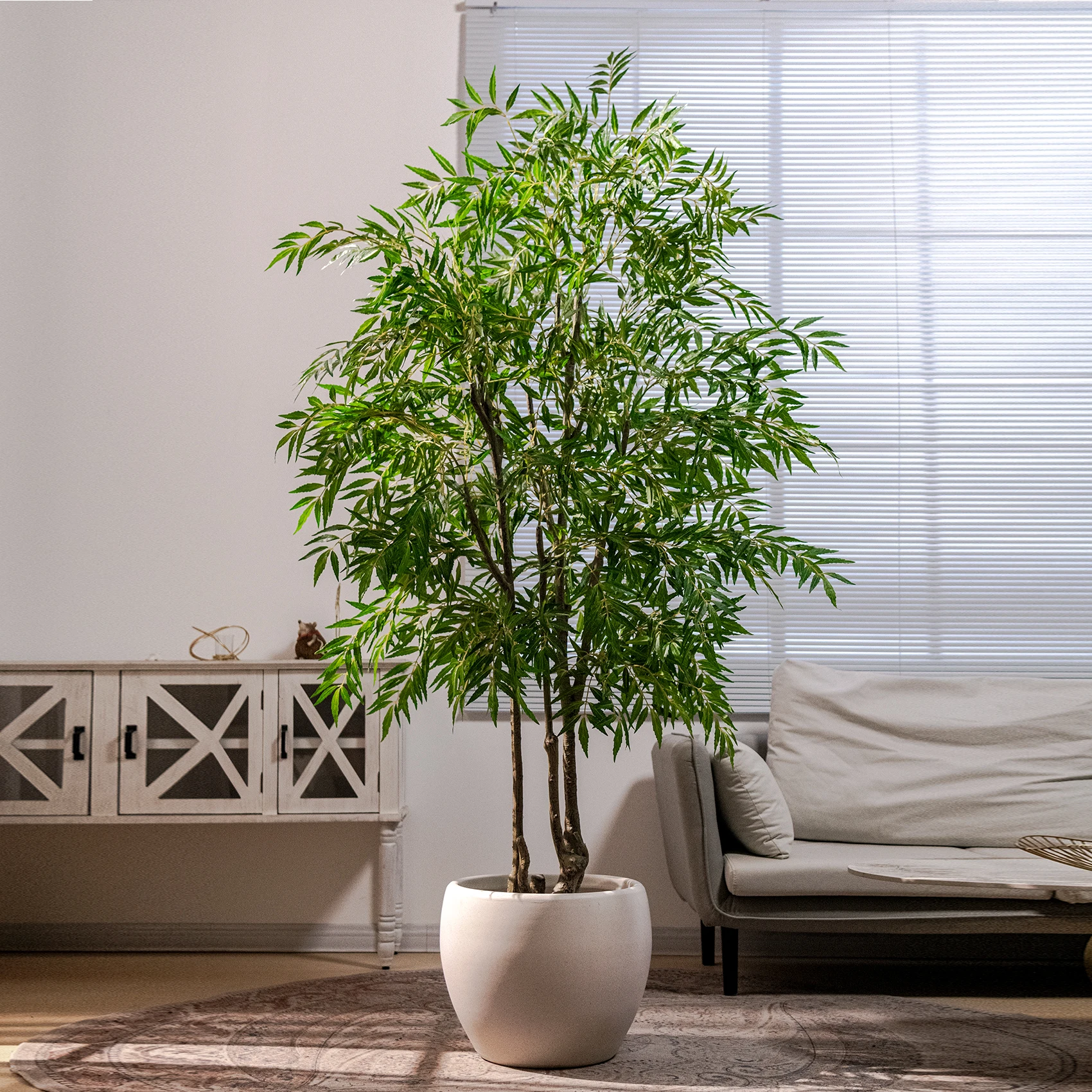
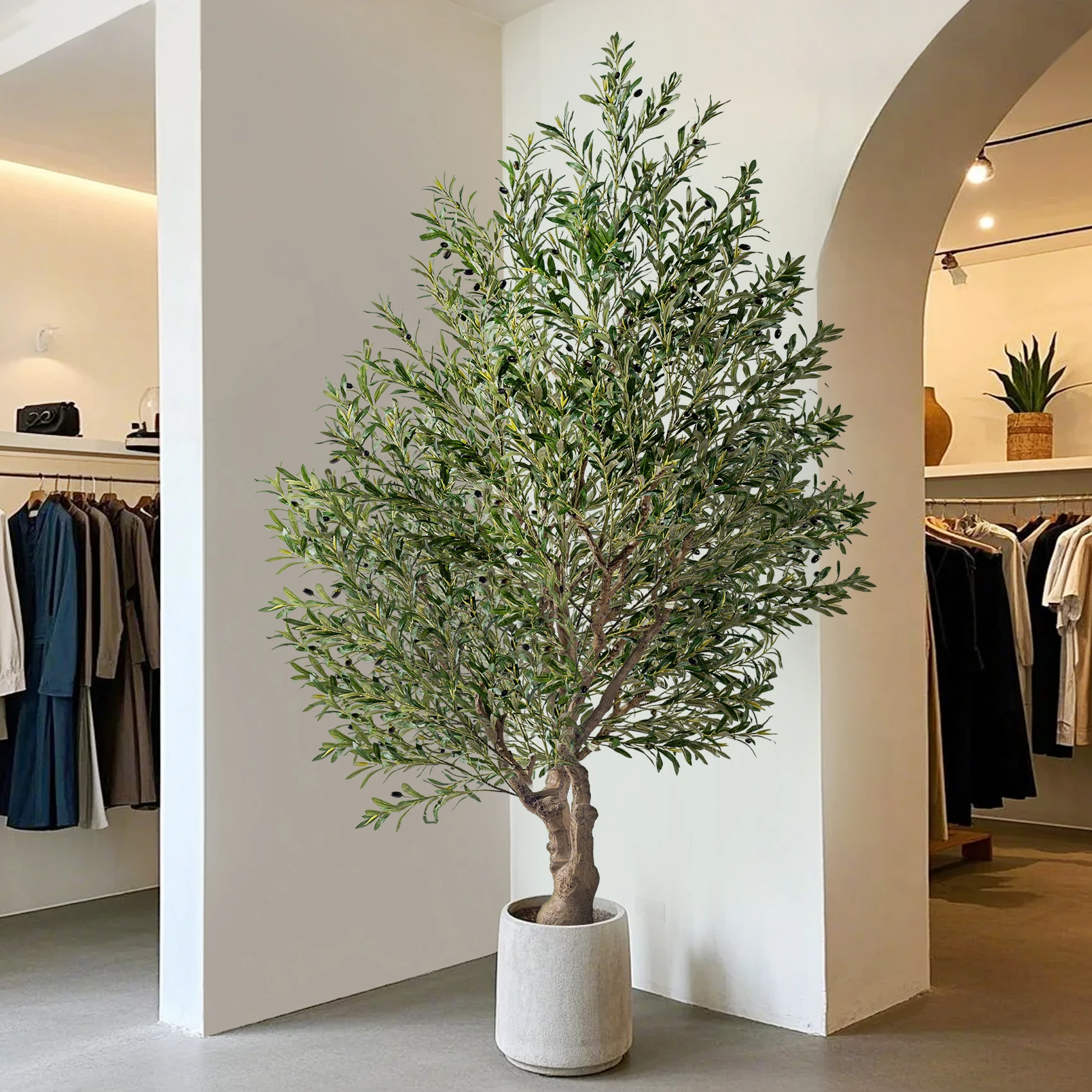
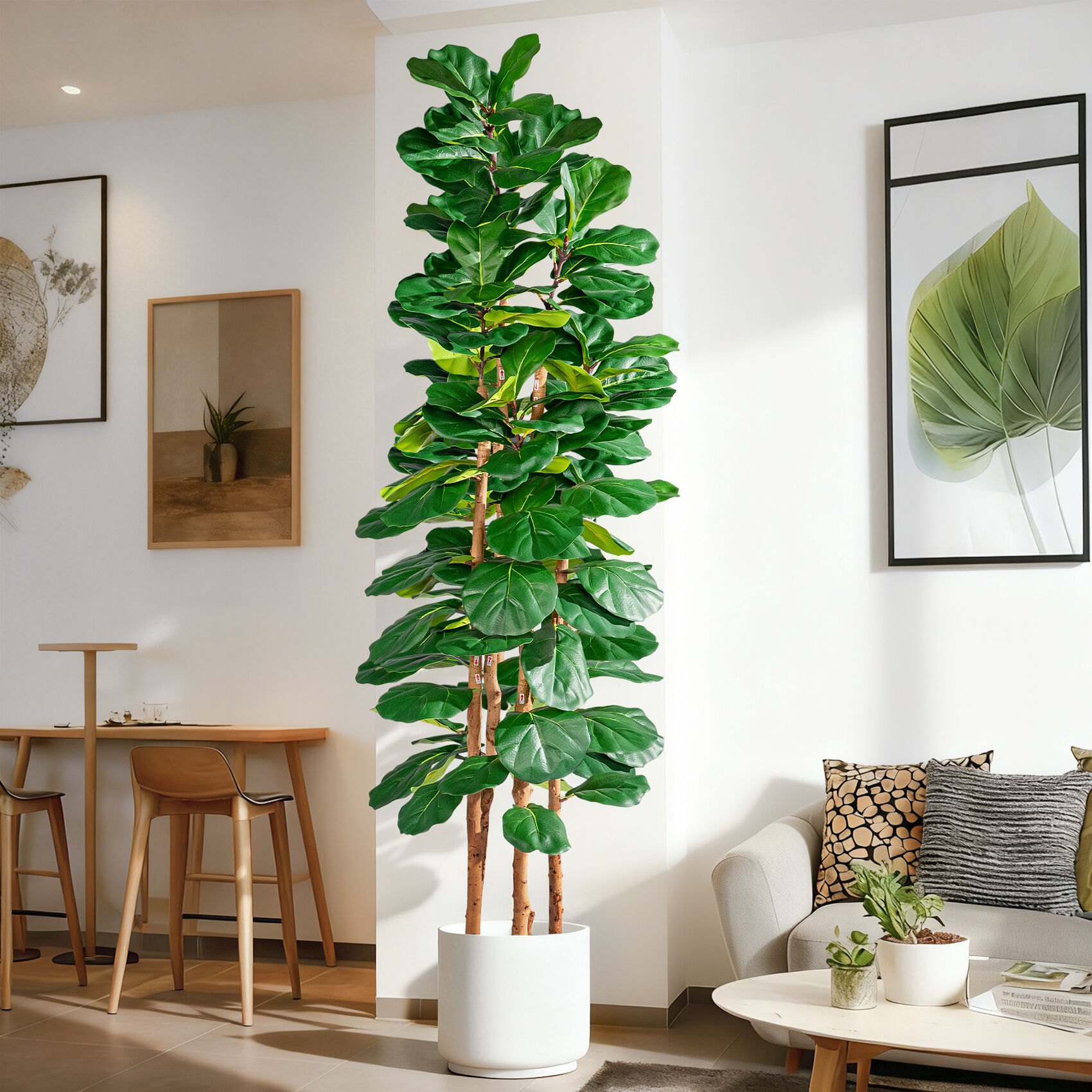
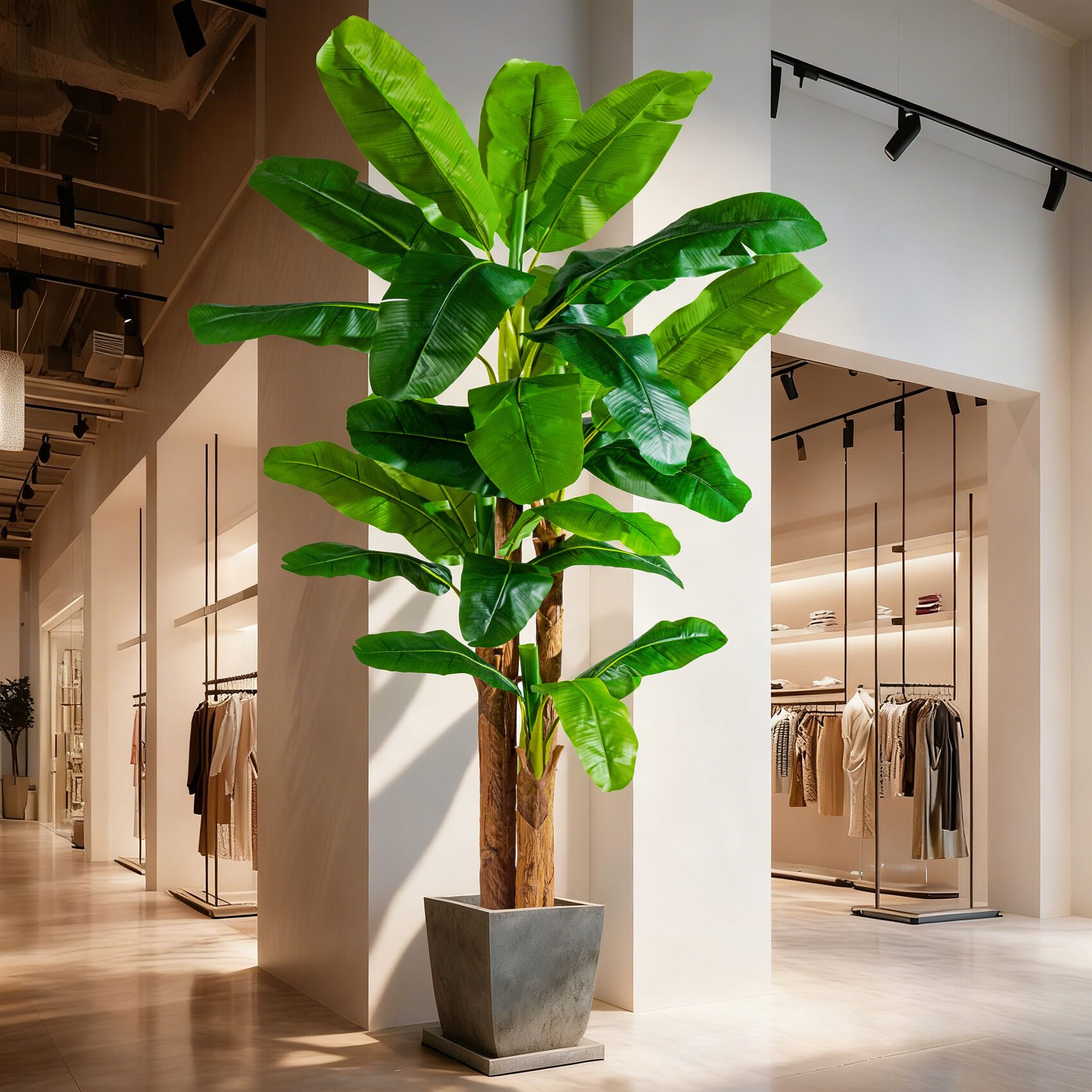
A large artificial plants manufacturer represents a sophisticated enterprise that specializes in producing premium-quality synthetic vegetation for commercial, residential, and institutional applications. These manufacturers operate extensive production facilities equipped with advanced manufacturing technologies, skilled craftspeople, and comprehensive quality control systems. The core function of a large artificial plants manufacturer involves designing, creating, and distributing lifelike plant replicas that capture the natural beauty of living vegetation without requiring maintenance, watering, or environmental considerations. The technological features of modern large artificial plants manufacturer facilities include precision molding equipment, advanced coloring systems, UV-resistant treatment processes, and innovative material science applications. These manufacturers utilize high-grade polyethylene, silk fabrics, plastic compounds, and metal framework structures to create durable, realistic plant reproductions. Computer-aided design software enables precise botanical accuracy, while automated production lines ensure consistent quality across large-volume orders. The applications for products from a large artificial plants manufacturer span numerous industries and settings. Corporate offices integrate artificial plants to enhance workplace aesthetics without maintenance burdens. Hotels, restaurants, and retail establishments utilize synthetic vegetation for consistent ambiance regardless of lighting conditions or climate control limitations. Healthcare facilities benefit from allergen-free plant alternatives that maintain sterile environments. Residential customers appreciate artificial plants in areas with limited natural light, extreme temperatures, or high-traffic zones where live plants would struggle. Educational institutions, airports, shopping centers, and entertainment venues rely on large artificial plants manufacturer products for long-term decorative solutions. The manufacturing process involves botanical research, mold creation, material selection, assembly, quality testing, and packaging. These manufacturers often maintain extensive catalogs featuring trees, shrubs, flowers, grasses, and custom designs. Distribution networks enable global reach, while customer service teams provide installation guidance and maintenance recommendations for optimal product longevity and visual impact.

 EN
EN