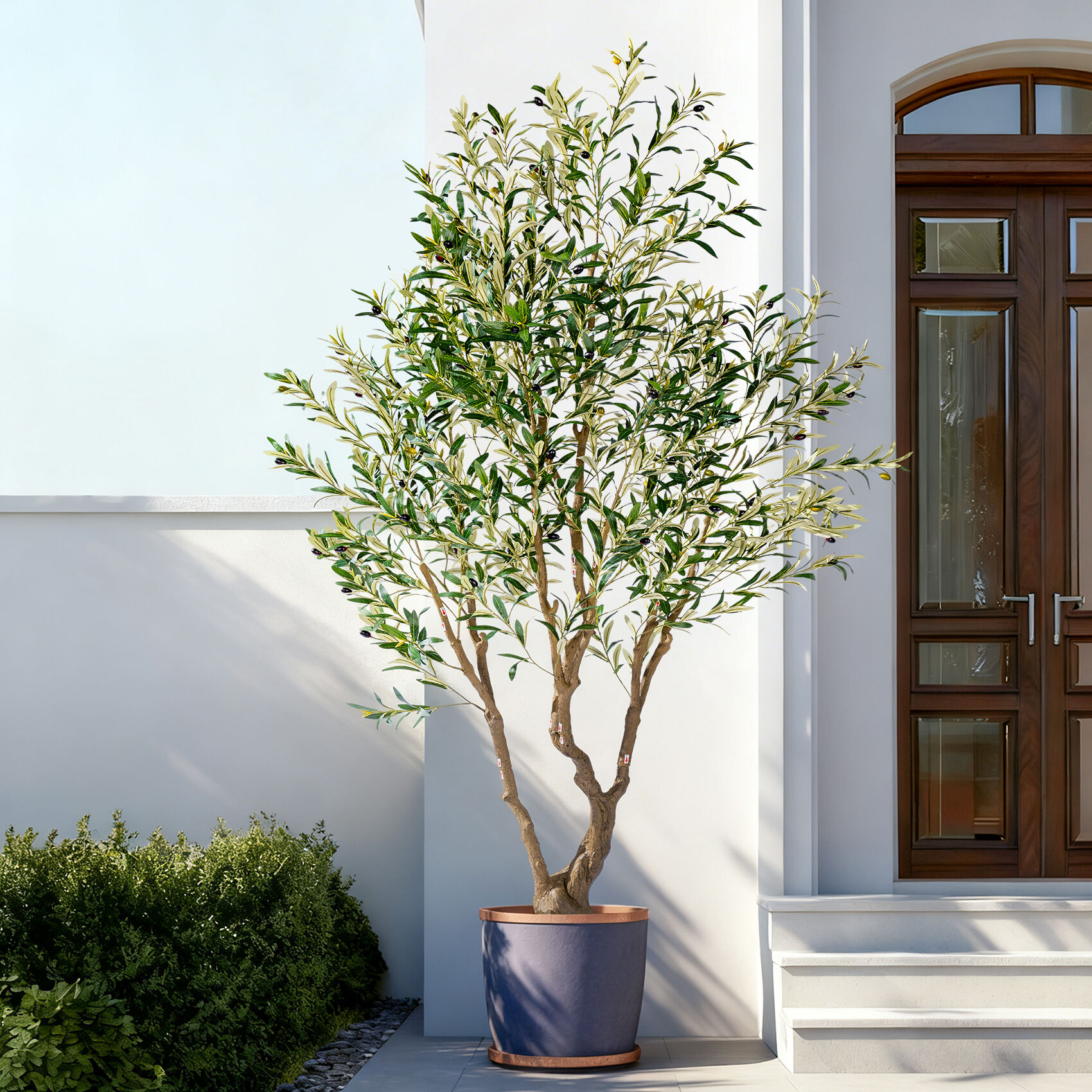
Revolutionary Low-Maintenance Solution
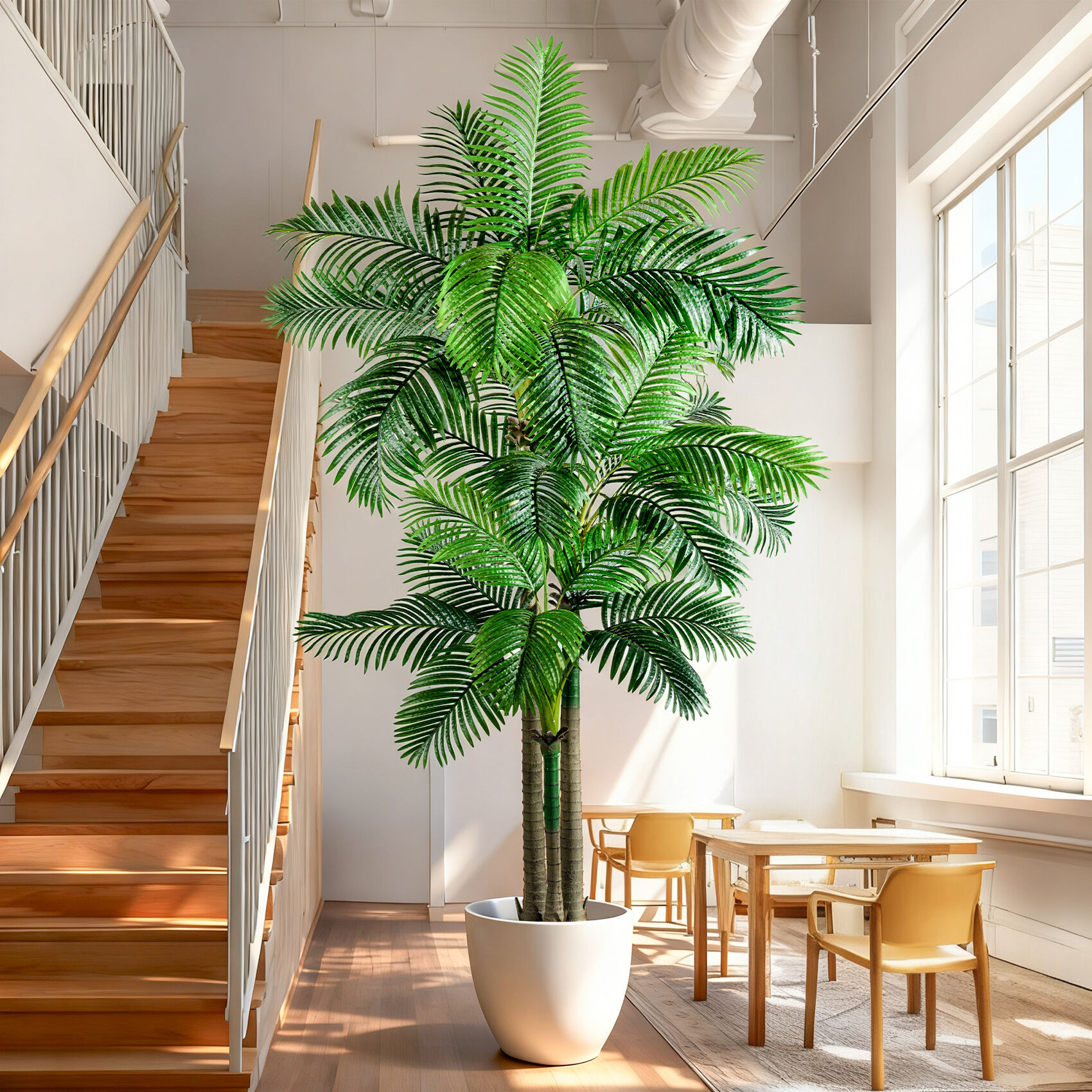
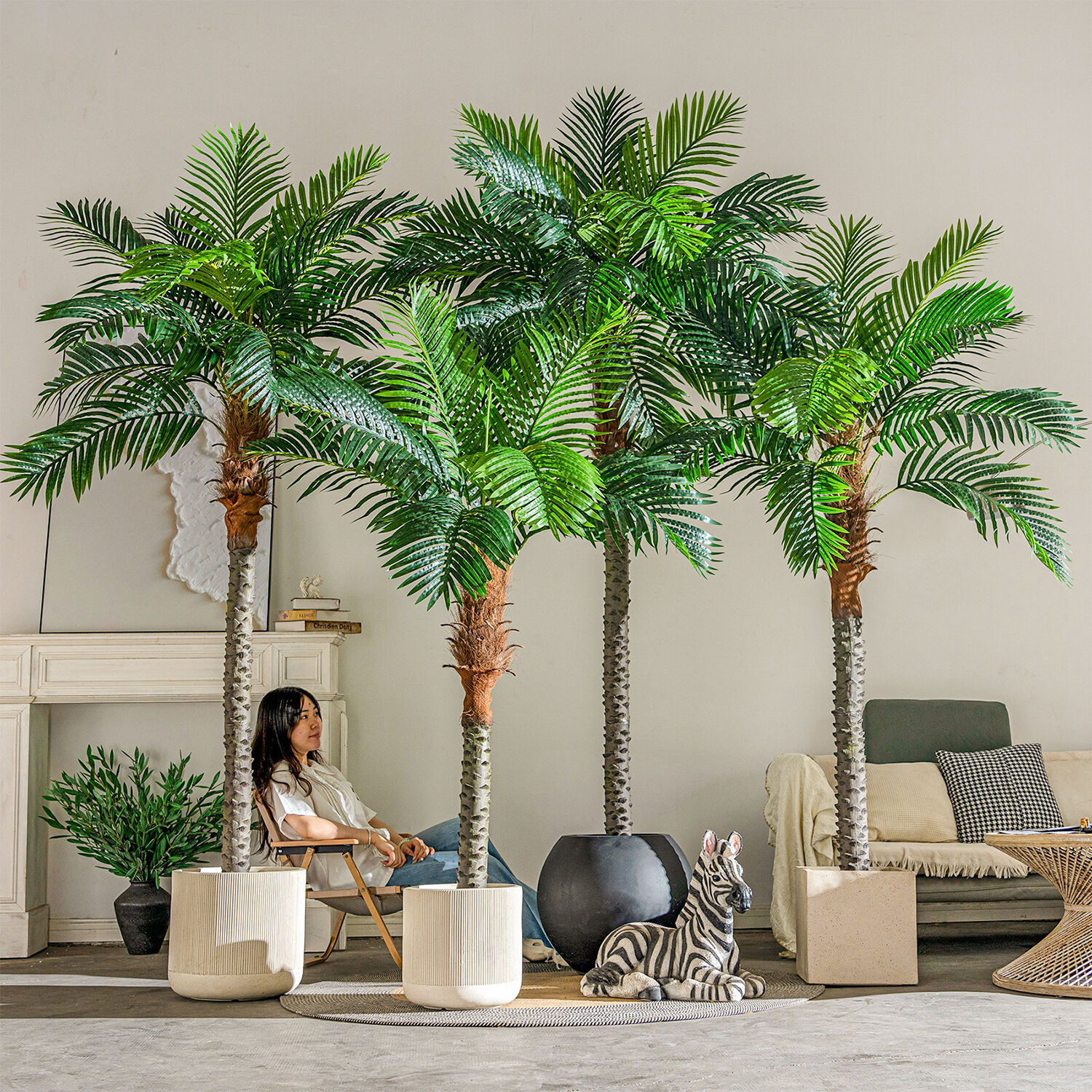
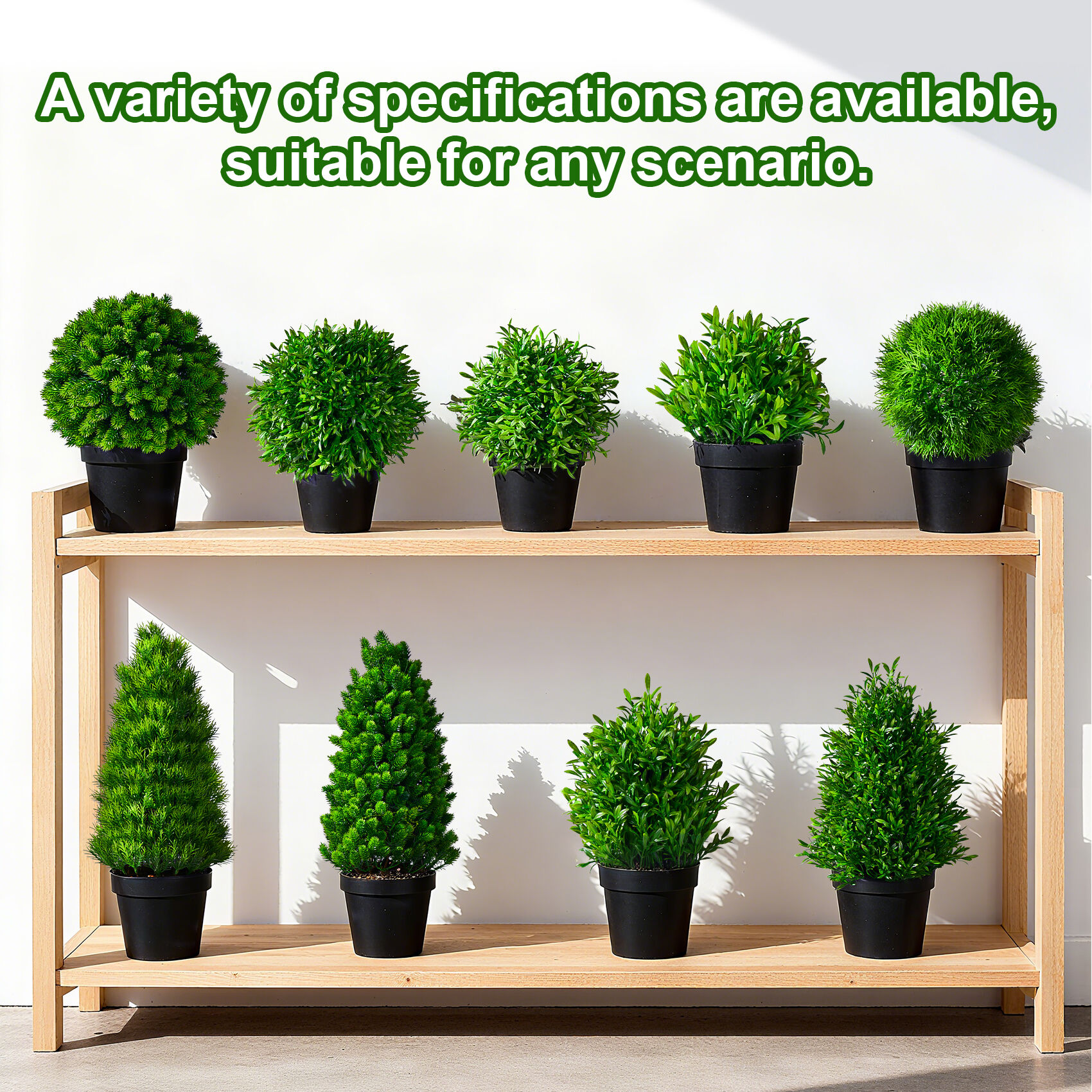
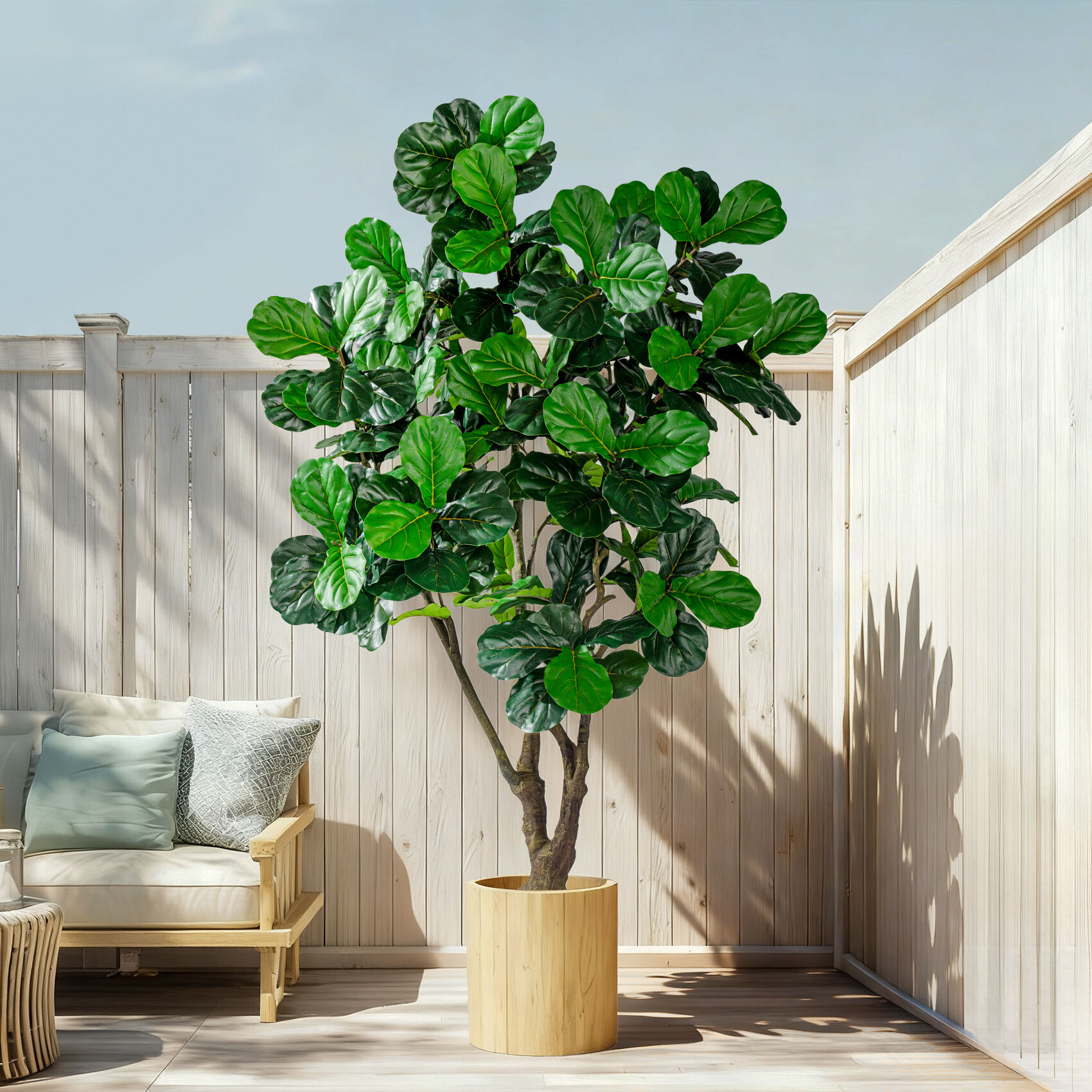
Commercial artificial trees represent the pinnacle of maintenance-free landscaping solutions, delivering consistent beauty without the extensive care requirements that burden facilities management teams and drain operational budgets. Unlike live plants that demand daily attention, precise watering schedules, regular fertilization, pruning, pest control, and seasonal care adjustments, these sophisticated installations maintain their pristine appearance with minimal intervention. The technological advancement in materials and construction means that commercial artificial trees resist fading, maintain structural integrity, and preserve their realistic appearance for years without requiring specialized maintenance staff or expensive care products. This maintenance-free characteristic proves especially valuable for businesses operating in challenging environments such as shopping centers, airports, hospitals, and office buildings where traditional landscaping creates logistical complications and ongoing expense burdens. Facility managers appreciate the predictable nature of artificial tree installations, as they eliminate emergency plant replacement costs, water damage risks, and the unpredictable expenses associated with pest infestations or plant diseases that can devastate live installations. The elimination of watering requirements removes concerns about moisture damage to flooring, furniture, and electronic equipment while preventing slip hazards from wet surfaces around plant displays. Additionally, commercial artificial trees eliminate the need for specialized lighting systems, humidity controls, and ventilation modifications that live plants often require to thrive in commercial environments. The durability of modern commercial artificial trees means they withstand high-traffic areas, temperature variations, and air circulation challenges that would stress or kill live plants, providing consistent aesthetic enhancement regardless of environmental conditions. This reliability translates into significant cost savings over time, as businesses avoid the recurring expenses of plant replacement, soil amendments, fertilizers, pest treatments, and professional landscaping services. The time savings for staff members who would otherwise spend hours weekly on plant care can be redirected to more productive activities, improving overall operational efficiency and employee satisfaction.

 EN
EN