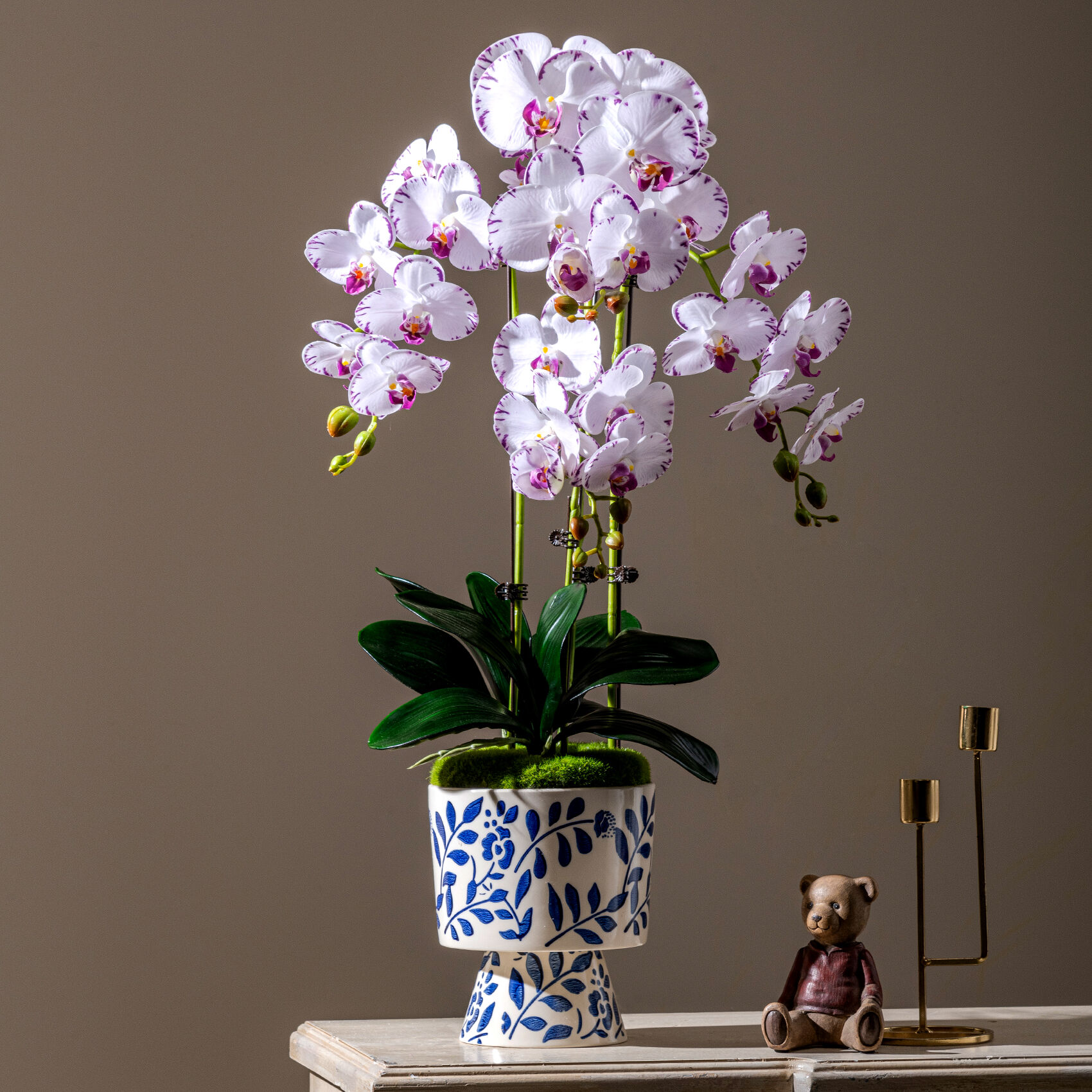
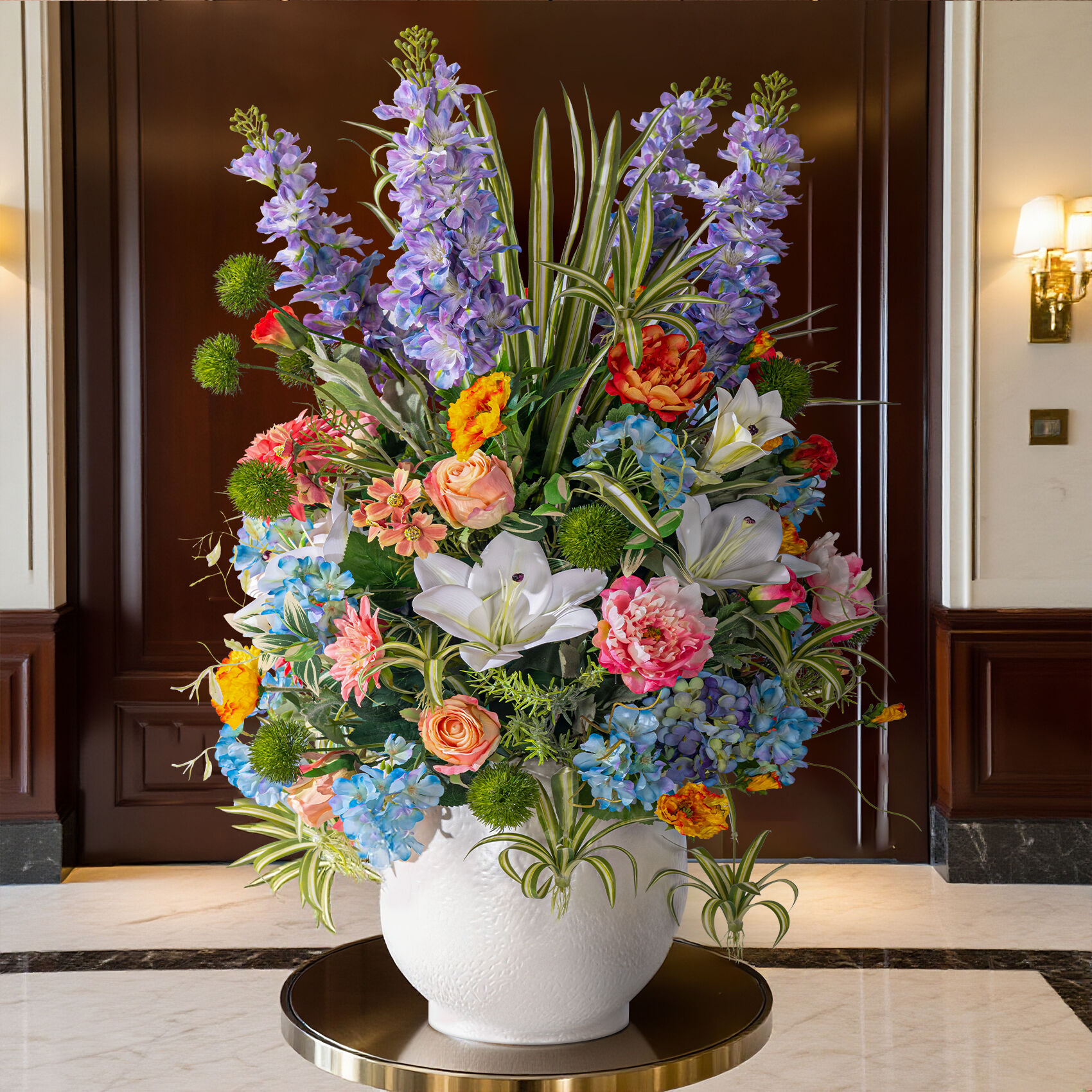
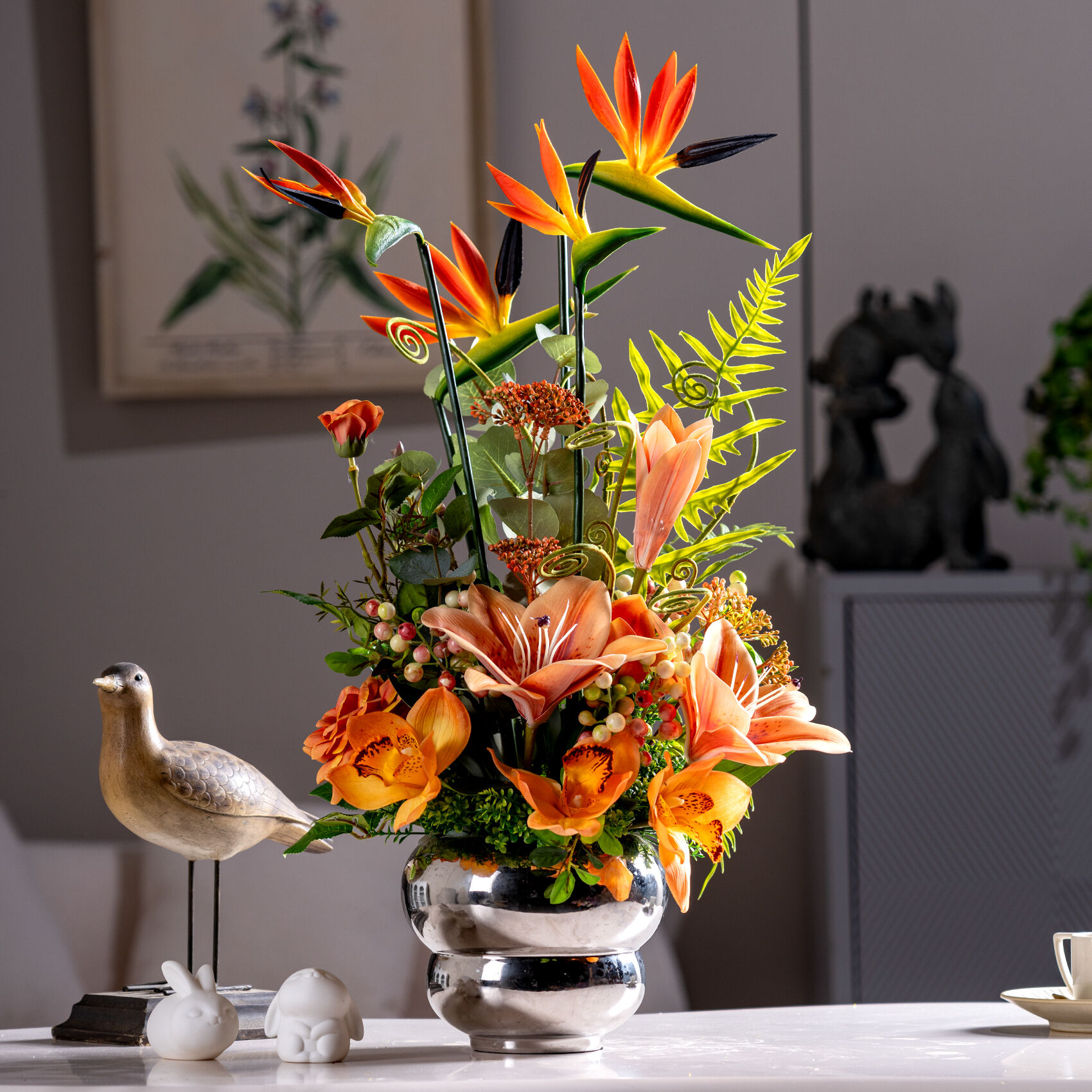
best outdoor uv artificial plants
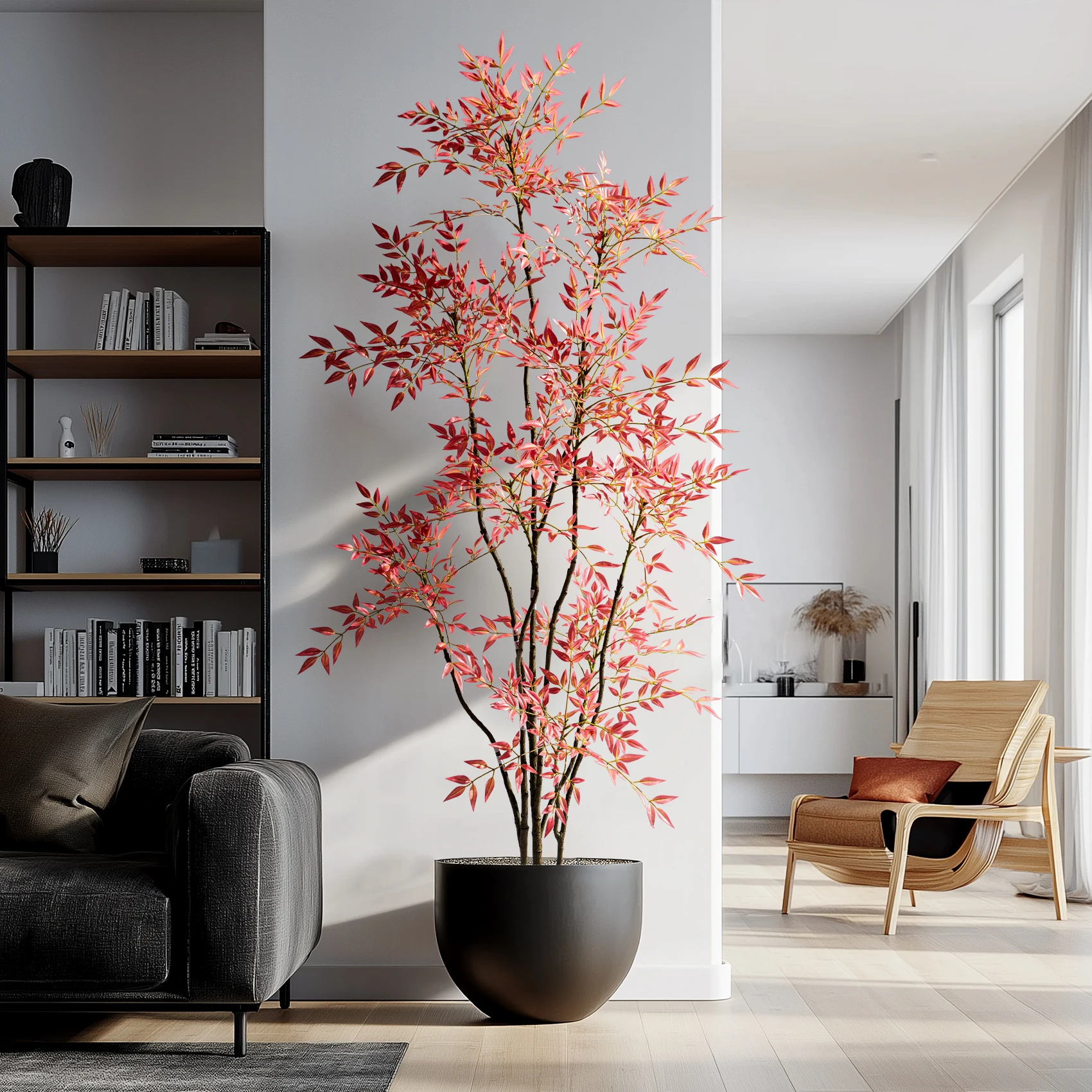
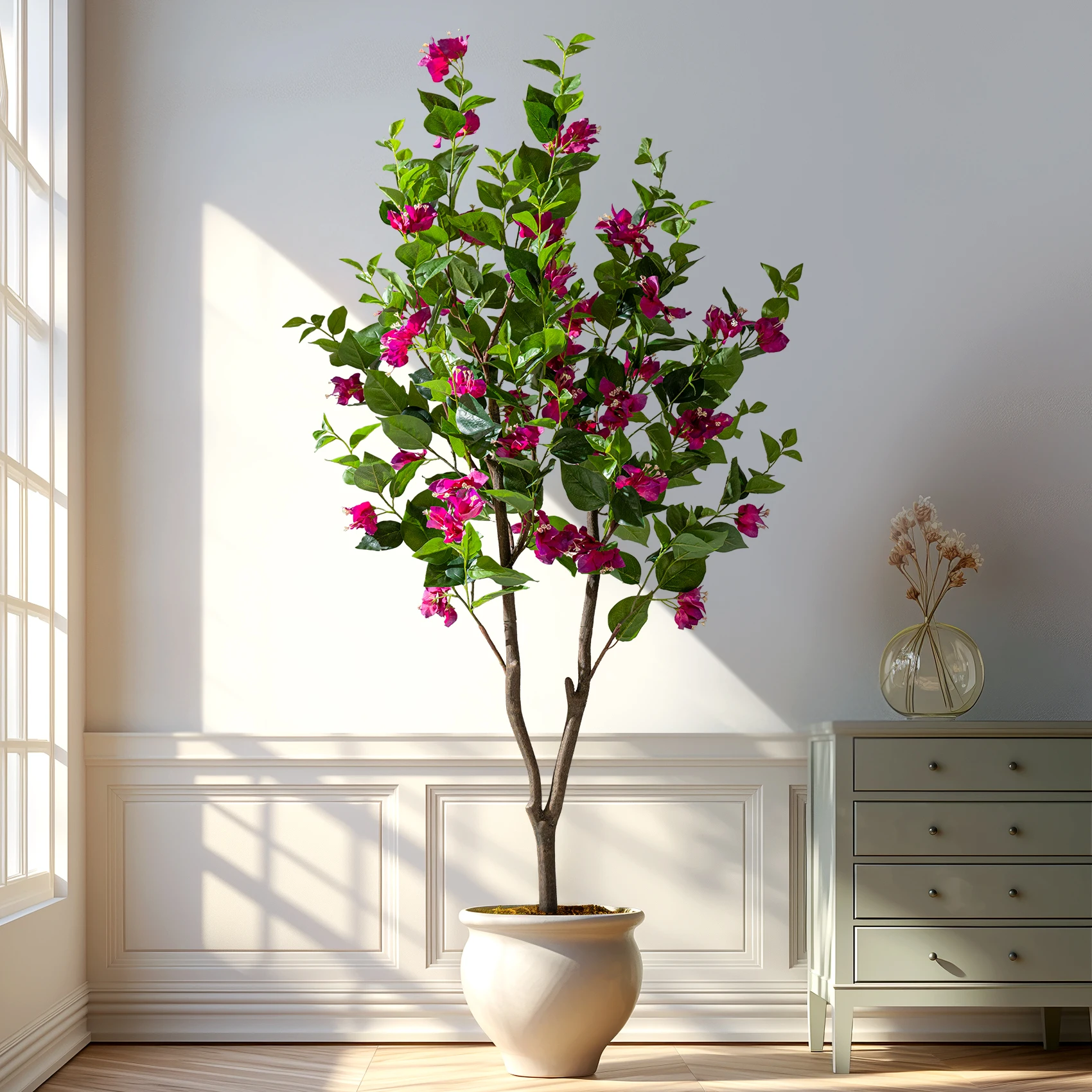
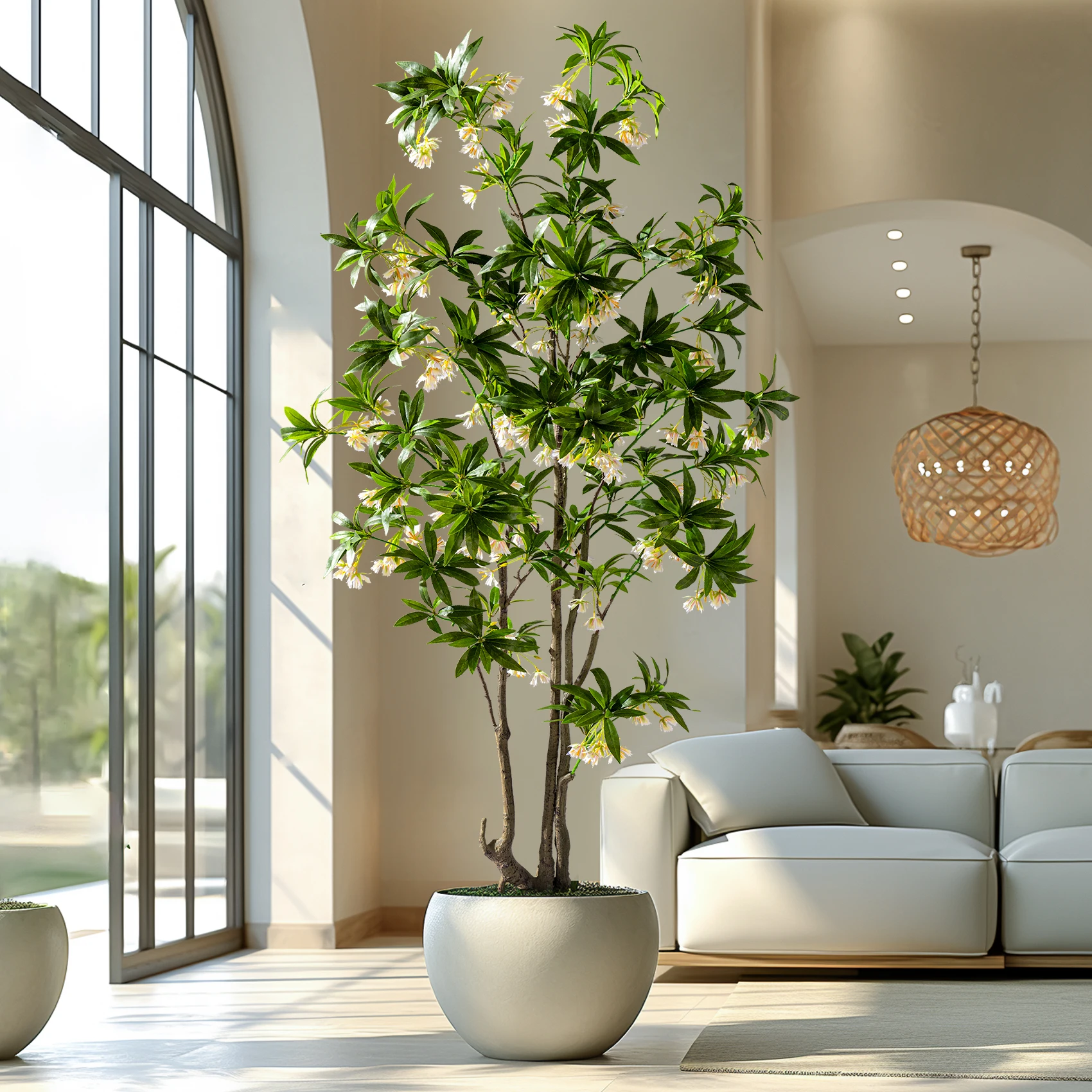
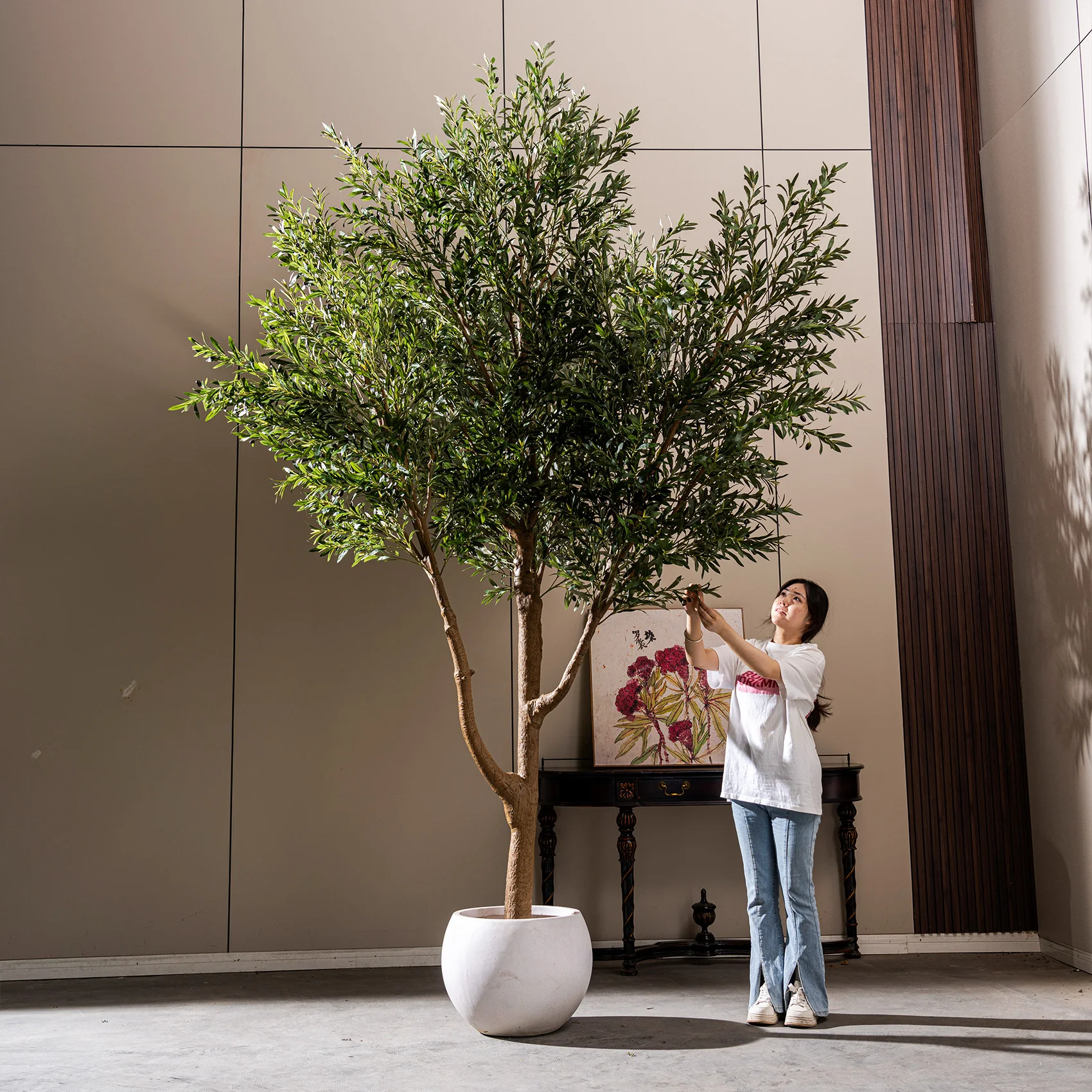
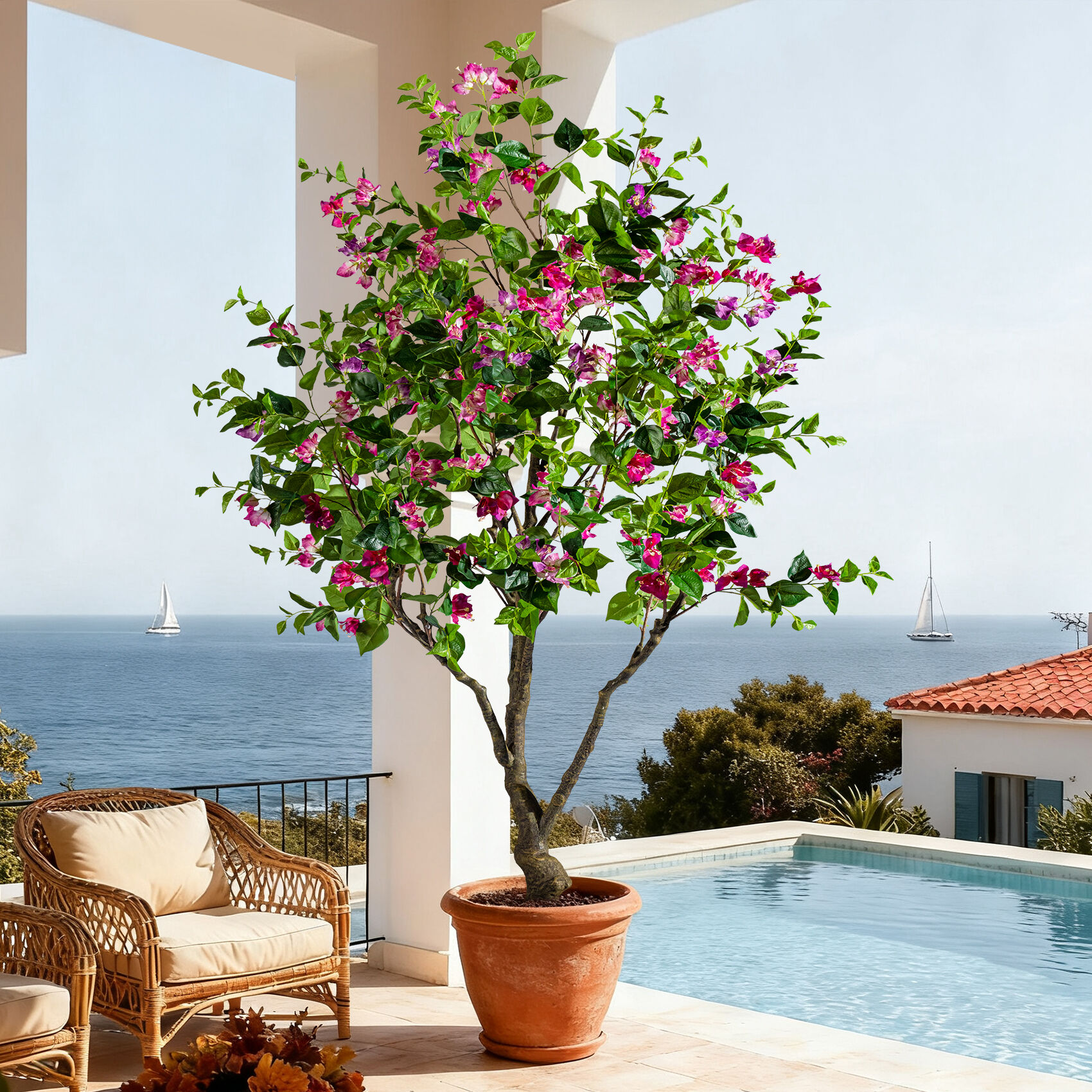
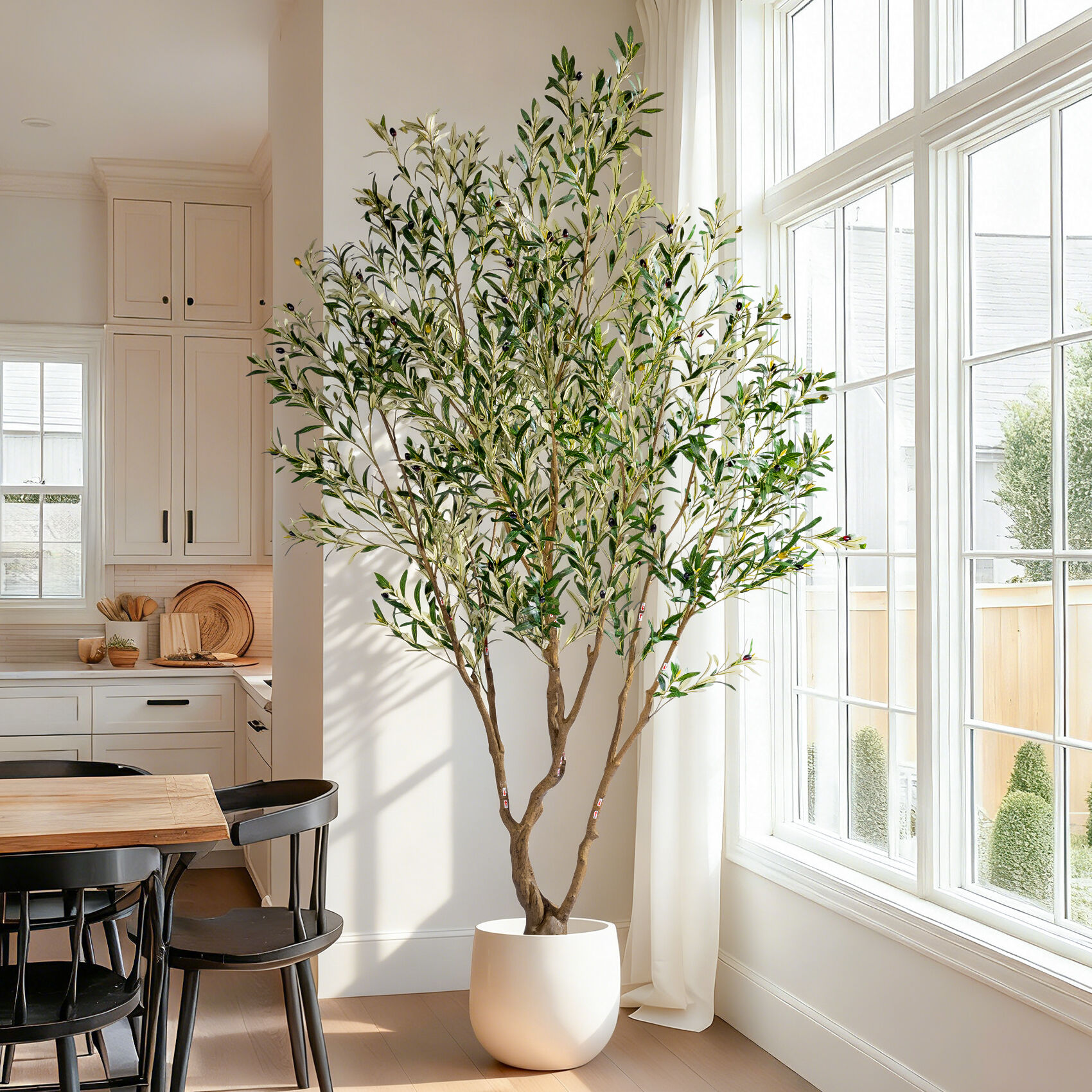
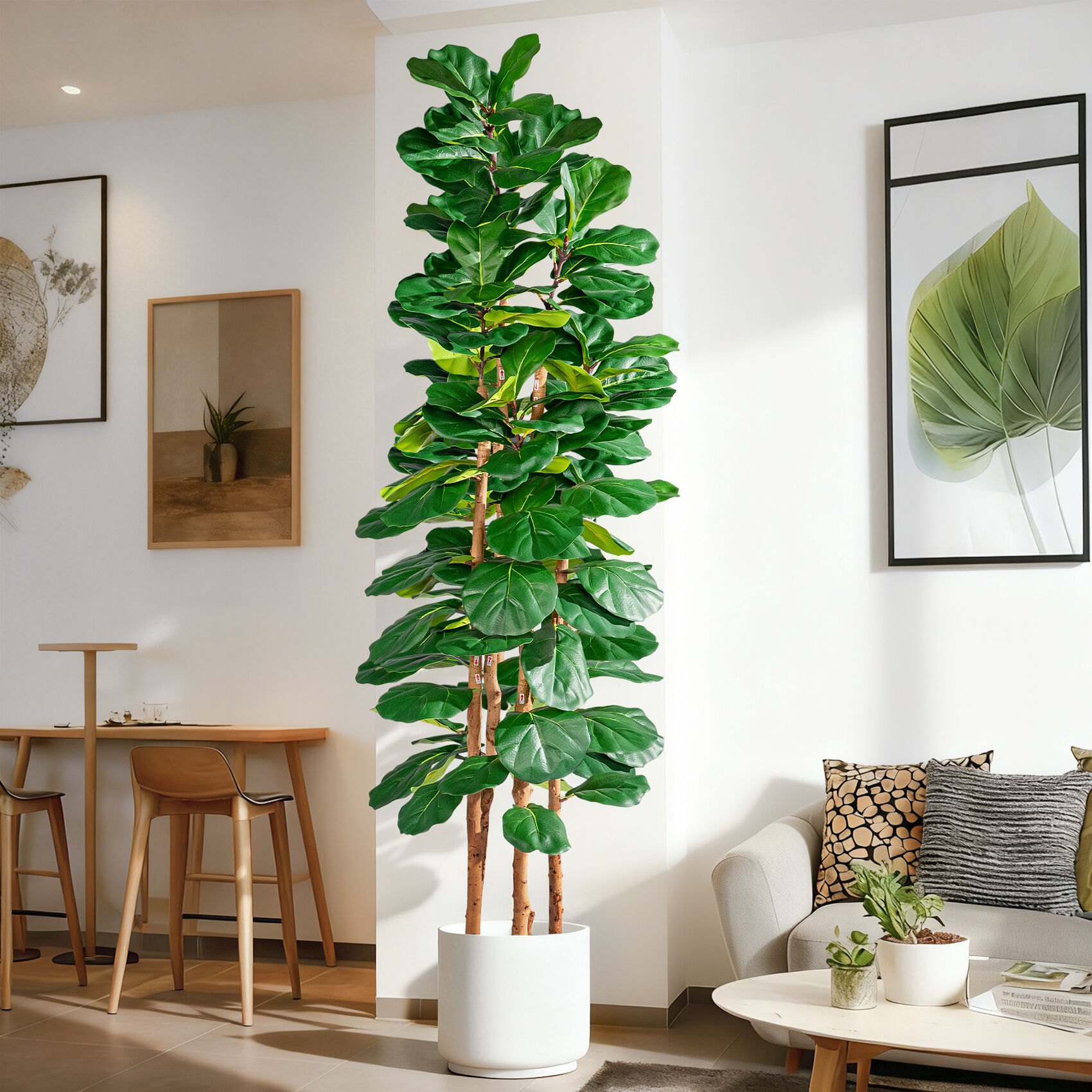
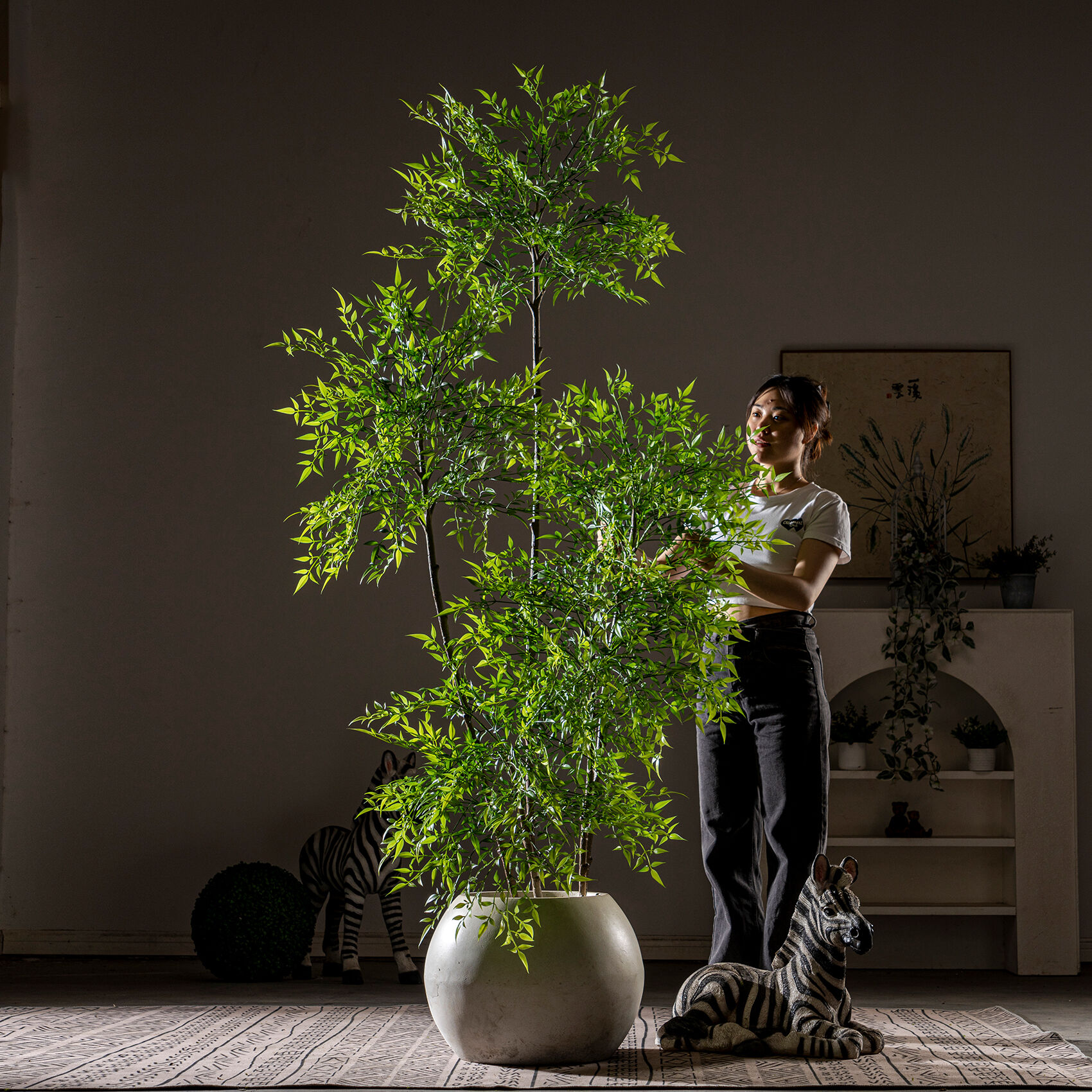
The best outdoor uv artificial plants represent a revolutionary advancement in synthetic landscaping solutions, combining cutting-edge UV-resistant technology with remarkably realistic botanical aesthetics. These premium artificial plants are specifically engineered to withstand harsh outdoor environments while maintaining their vibrant appearance year-round. Unlike traditional artificial foliage that fades and deteriorates under sun exposure, the best outdoor uv artificial plants incorporate advanced polymer compounds and specialized UV inhibitors that protect against photodegradation, ensuring long-lasting color retention and structural integrity. The main functions of these sophisticated artificial plants include providing instant landscaping solutions, eliminating maintenance requirements, and delivering consistent aesthetic appeal regardless of weather conditions or seasonal changes. Technological features encompass high-grade polyethylene and silk materials infused with UV stabilizers, realistic texture molding techniques that replicate natural plant characteristics, and weather-resistant construction designed to endure extreme temperatures, moisture, and wind exposure. The manufacturing process involves multi-layer coating systems that create protective barriers against environmental damage while preserving the natural appearance of leaves, stems, and flowers. These artificial plants find extensive applications in residential landscaping, commercial property enhancement, hospitality industry decoration, retail environments, and architectural projects where live plants would be impractical or impossible to maintain. Property developers utilize the best outdoor uv artificial plants in rooftop gardens, balcony installations, and courtyard designs where traditional gardening faces challenges. Restaurant owners and hotel managers frequently choose these solutions for outdoor dining areas, pool surroundings, and entrance displays that require year-round visual appeal without ongoing horticultural expenses. The versatility of these artificial plants extends to challenging environments such as desert climates, coastal areas with salt exposure, and urban settings with limited sunlight or poor soil conditions.

 EN
EN