artificial gardens
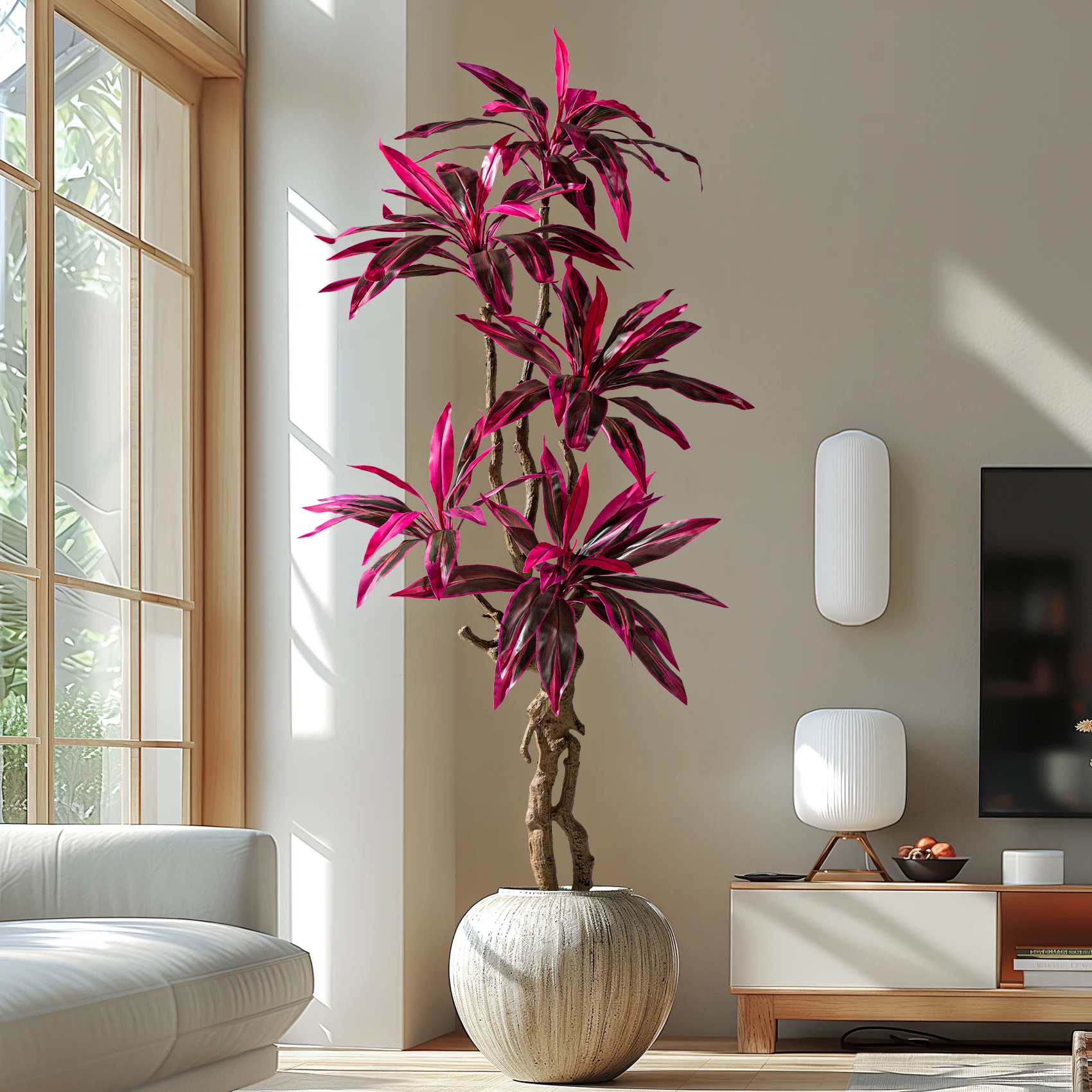
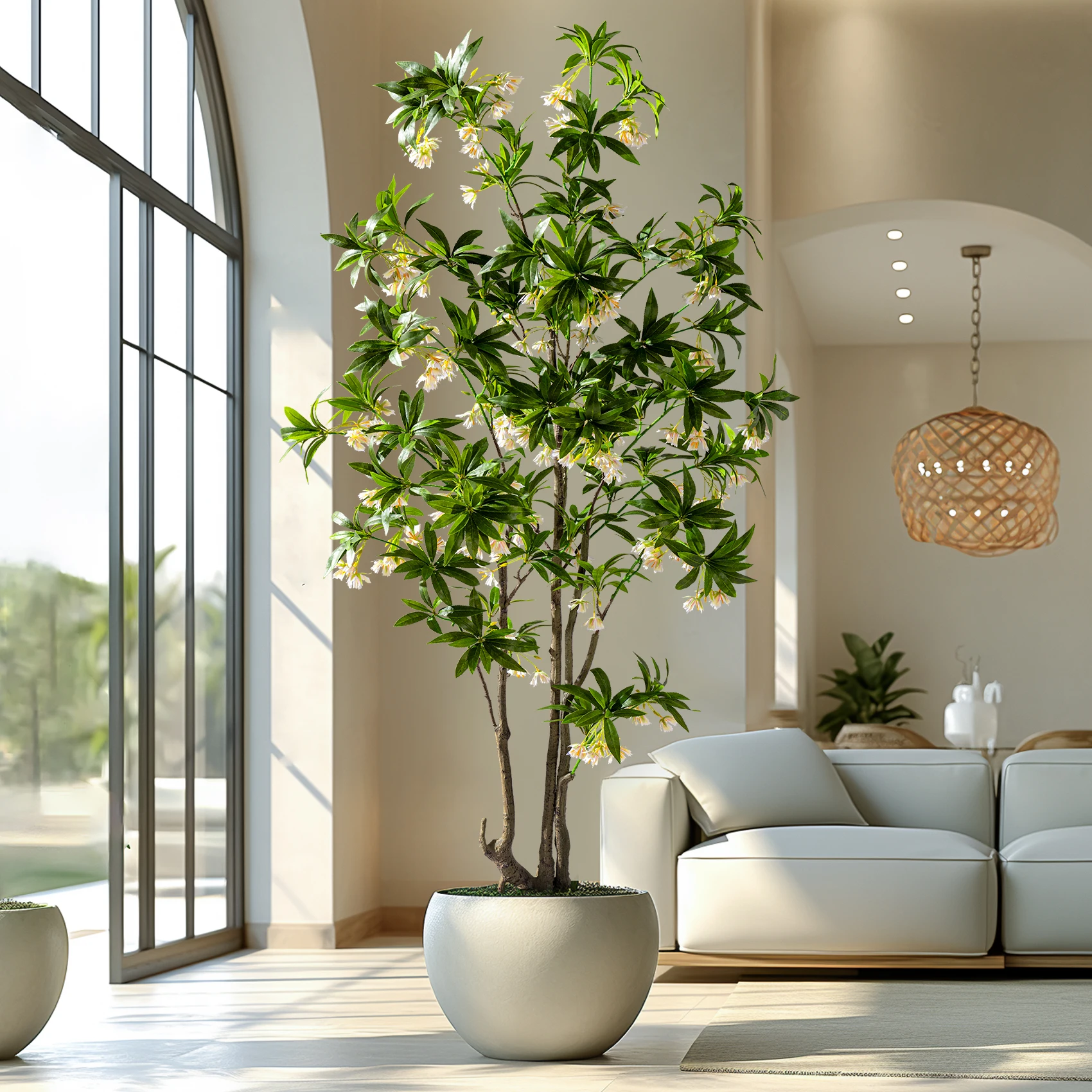
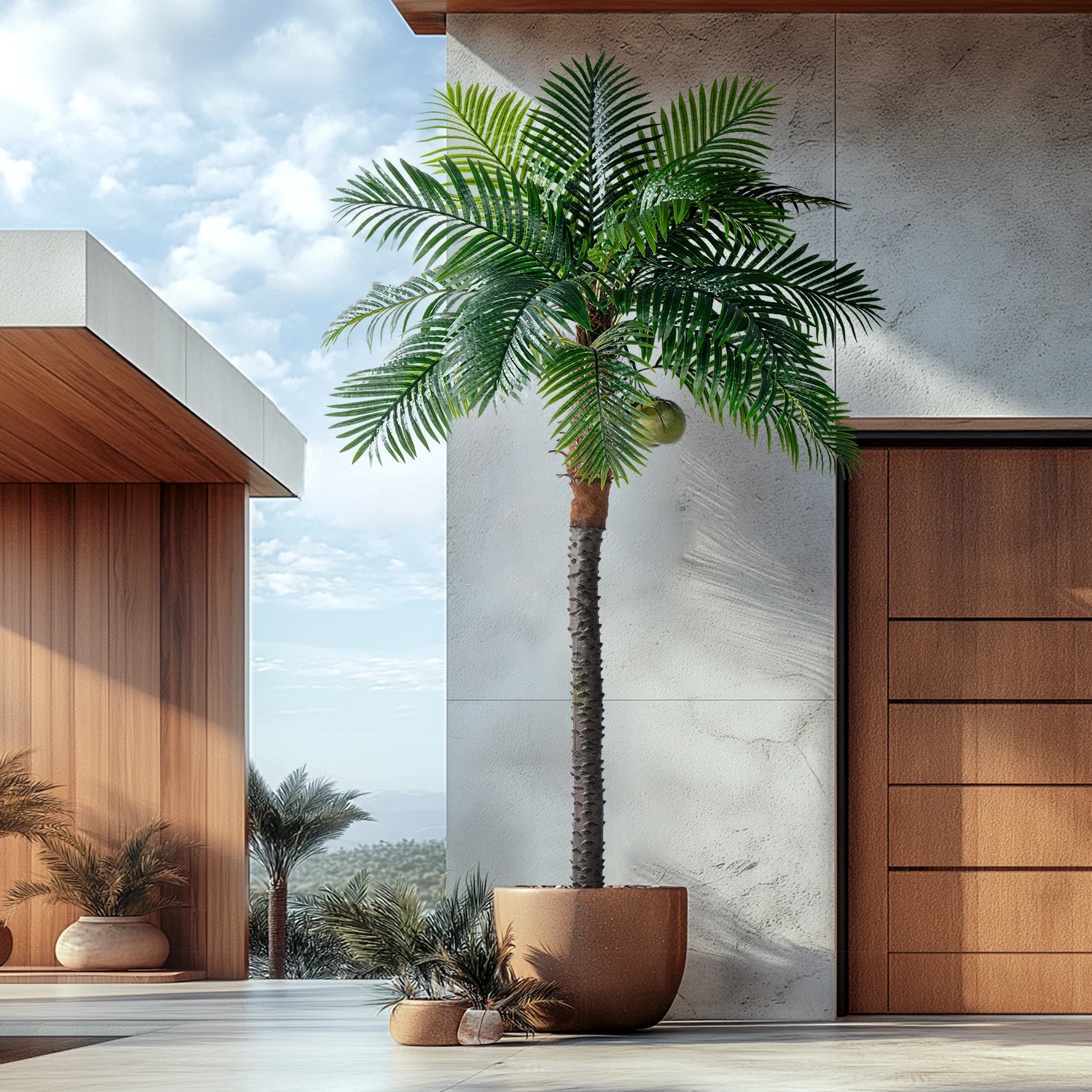
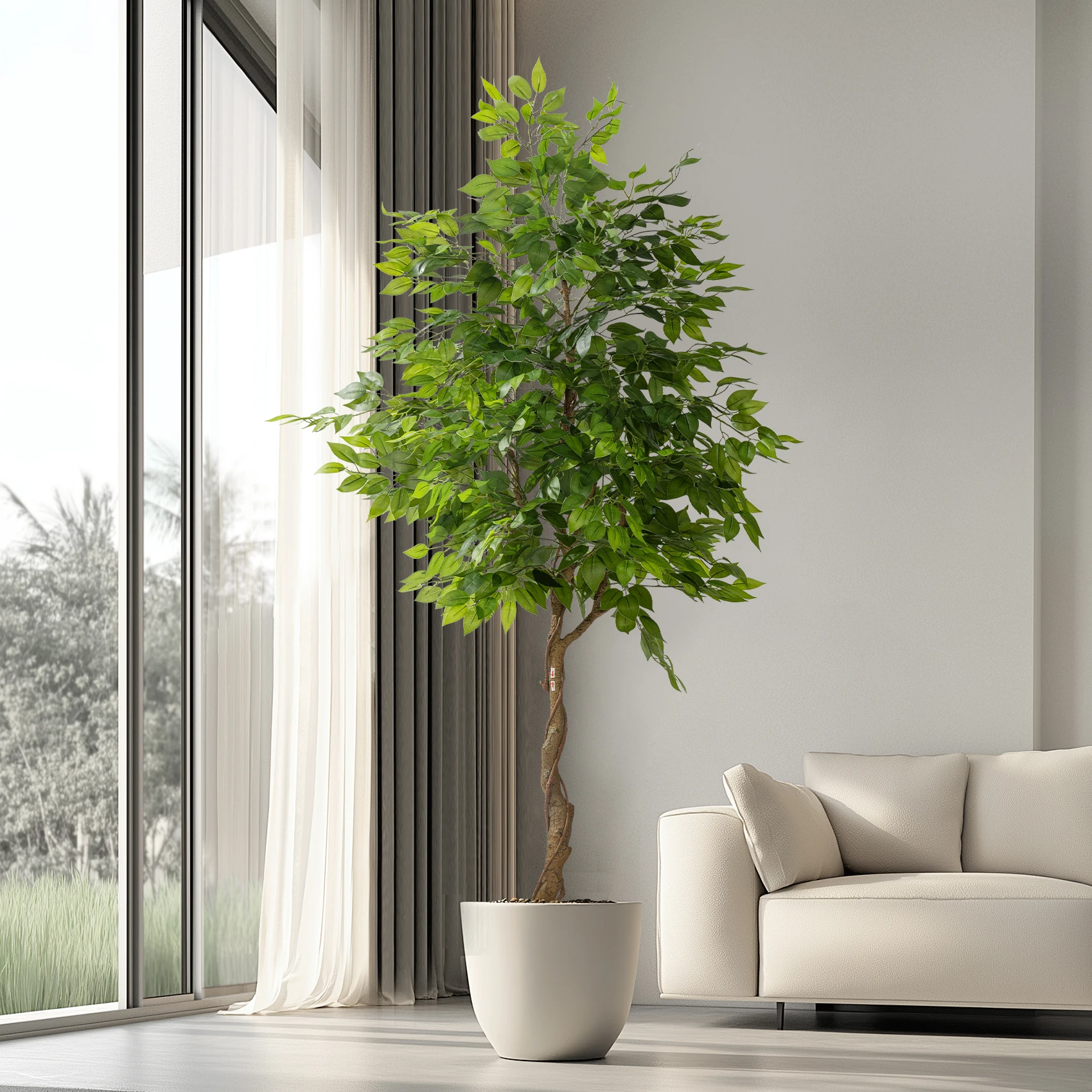
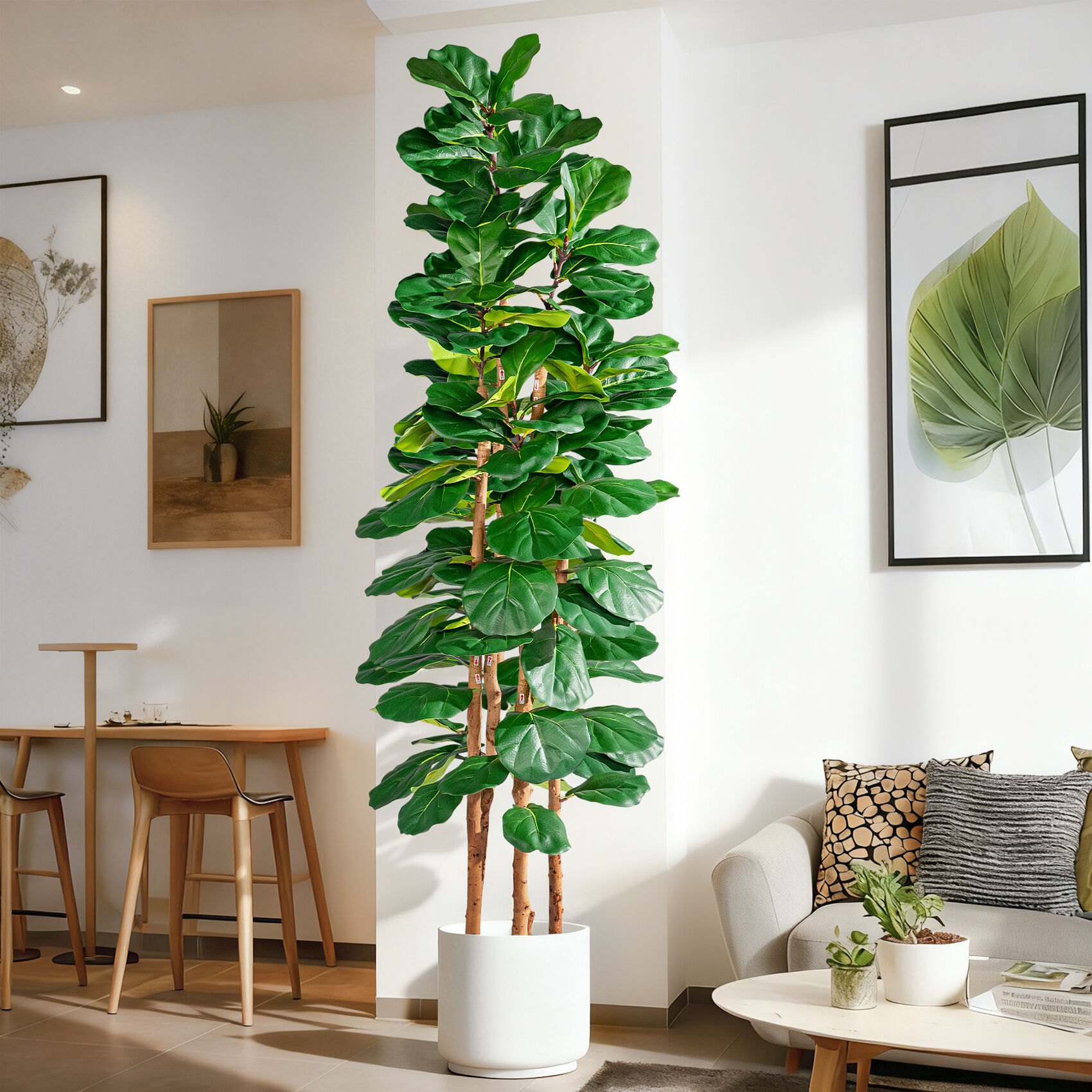
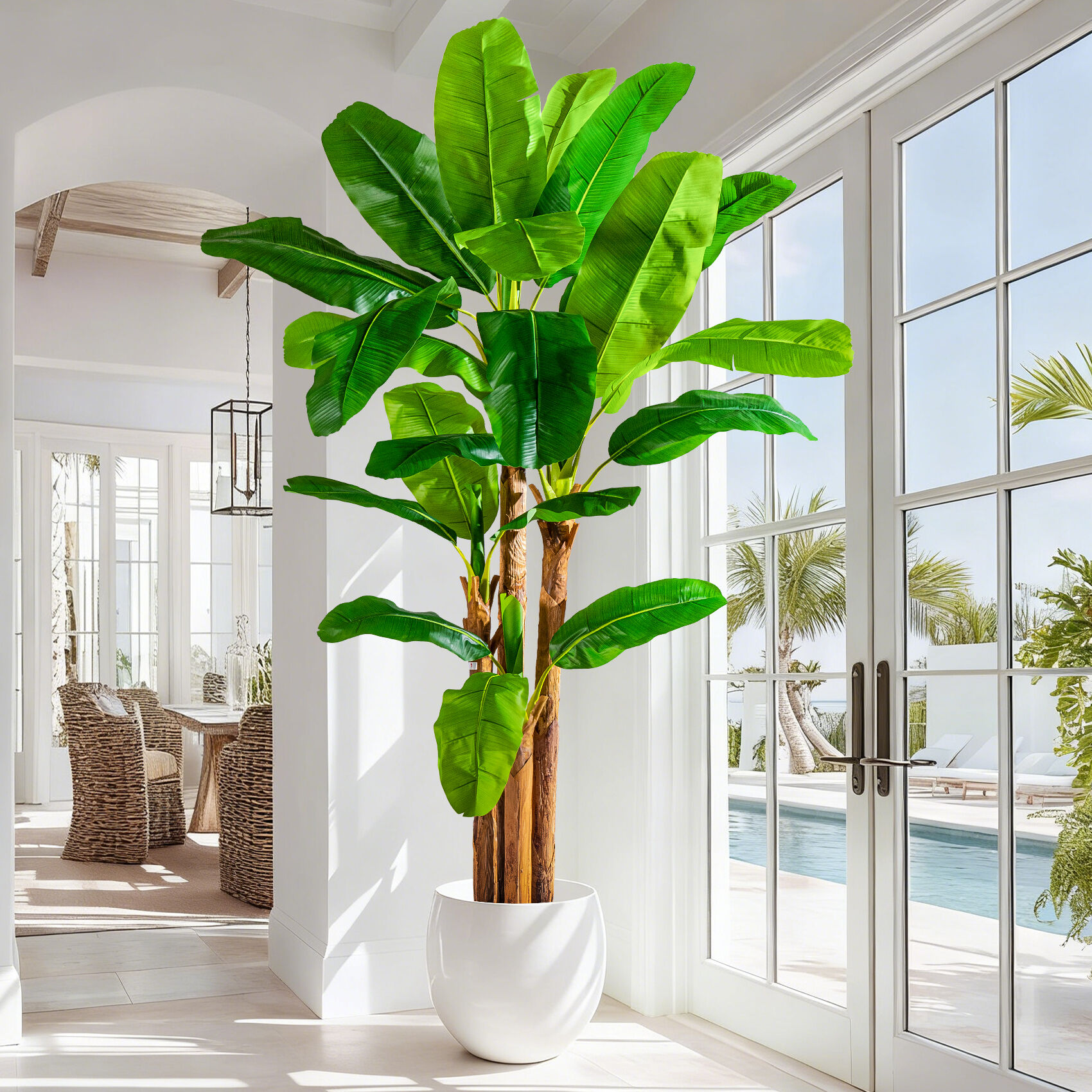
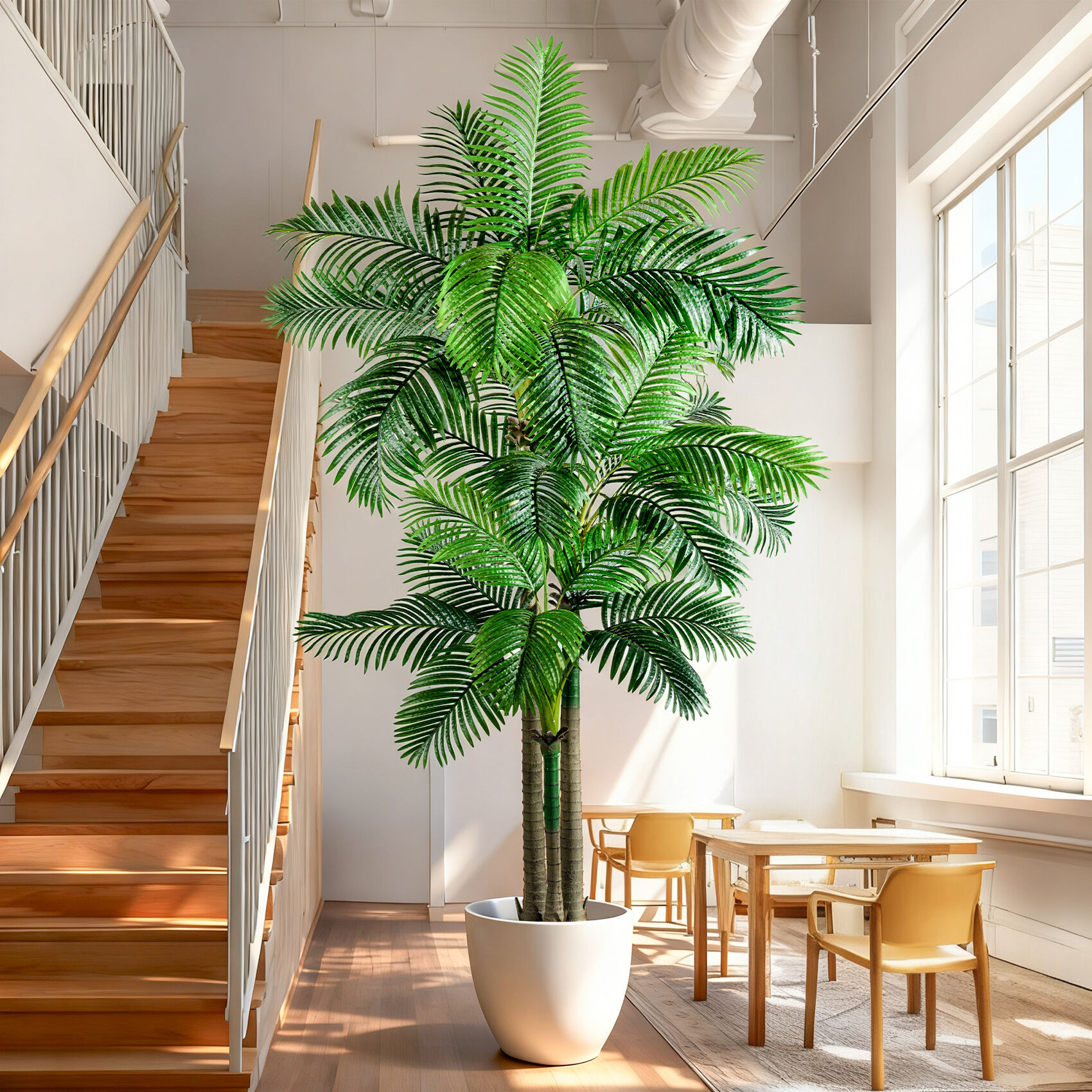
Artificial gardens represent a revolutionary approach to landscaping that combines cutting-edge technology with sustainable design principles to create stunning outdoor spaces without the traditional maintenance requirements. These innovative garden solutions utilize high-quality synthetic materials, advanced irrigation systems, and smart environmental controls to deliver the aesthetic appeal of natural gardens while eliminating common challenges associated with traditional landscaping. The main functions of artificial gardens include providing year-round visual appeal, reducing water consumption, minimizing maintenance costs, and creating controlled environments that remain consistent regardless of weather conditions or seasonal changes. Technological features integrated into modern artificial gardens encompass sophisticated drainage systems that prevent water accumulation, UV-resistant materials that maintain color vibrancy for extended periods, antimicrobial treatments that prevent mold and bacterial growth, and modular designs that allow for easy customization and reconfiguration. Smart sensor technology monitors environmental conditions, while automated lighting systems enhance nighttime aesthetics and extend usability hours. Applications for artificial gardens span residential properties, commercial complexes, rooftop installations, indoor spaces, hospitality venues, healthcare facilities, educational institutions, and urban development projects. These versatile installations serve as decorative focal points, functional outdoor living spaces, therapeutic environments, and sustainable landscaping solutions. The integration of artificial gardens into architectural designs provides immediate visual impact without the lengthy establishment periods required for natural vegetation. Advanced manufacturing processes ensure that synthetic plants and materials closely mimic the texture, color variations, and movement patterns of living vegetation, creating convincing replicas that satisfy aesthetic requirements while delivering practical benefits. Modern artificial gardens incorporate eco-friendly materials, energy-efficient components, and recyclable elements that align with environmental consciousness goals while providing long-term value through reduced resource consumption and minimal environmental impact compared to traditional gardening approaches.

 EN
EN