Health and Safety Benefits for Modern Households
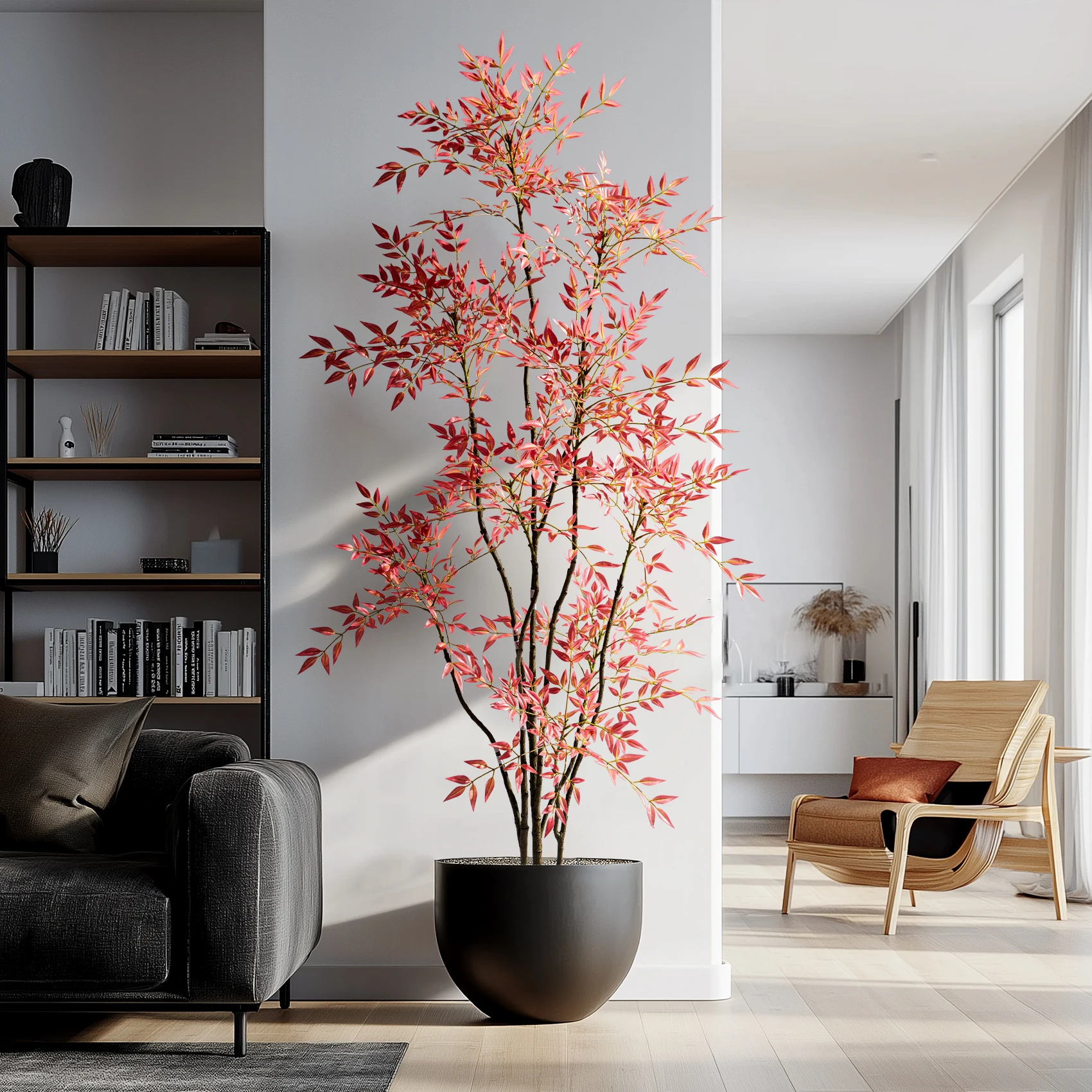
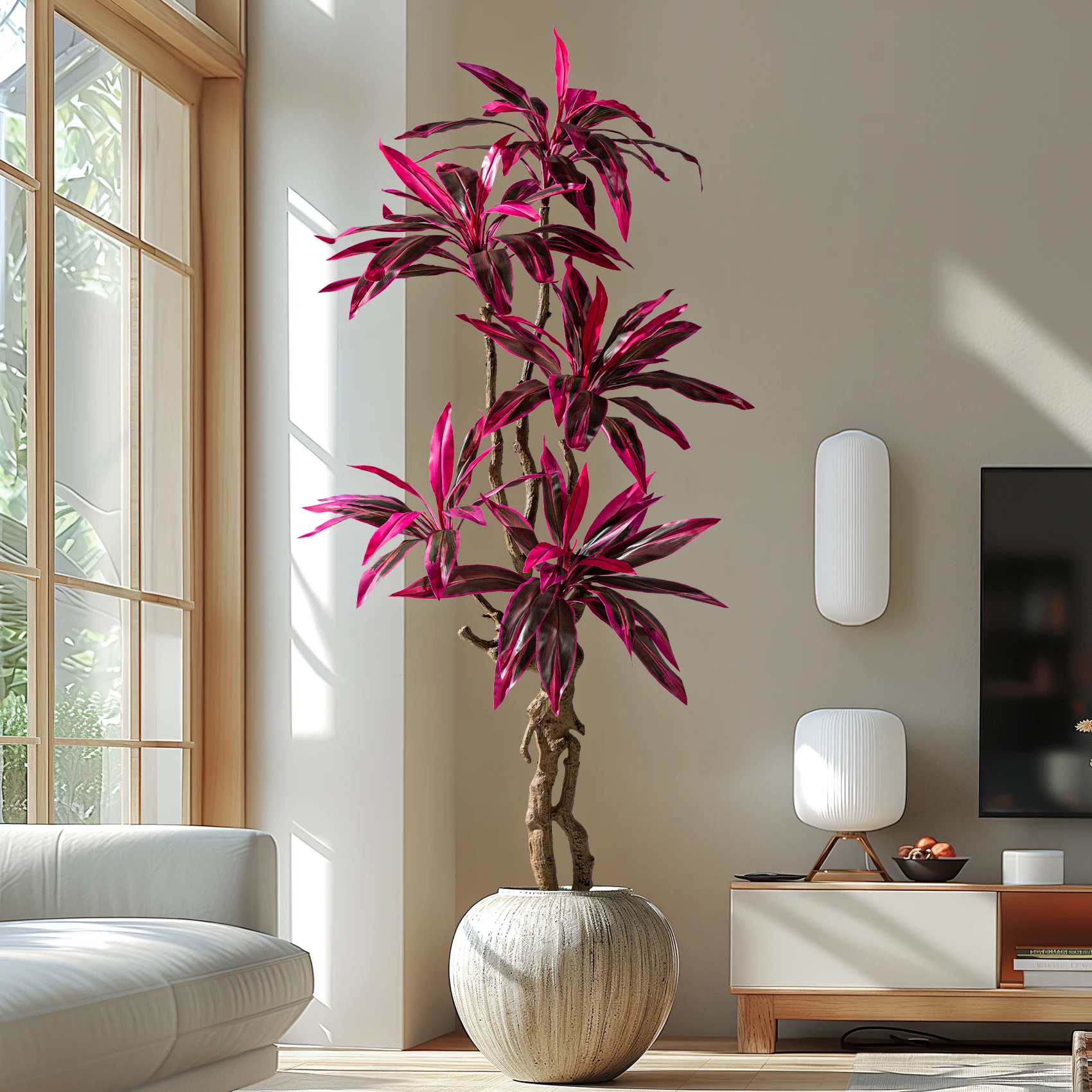
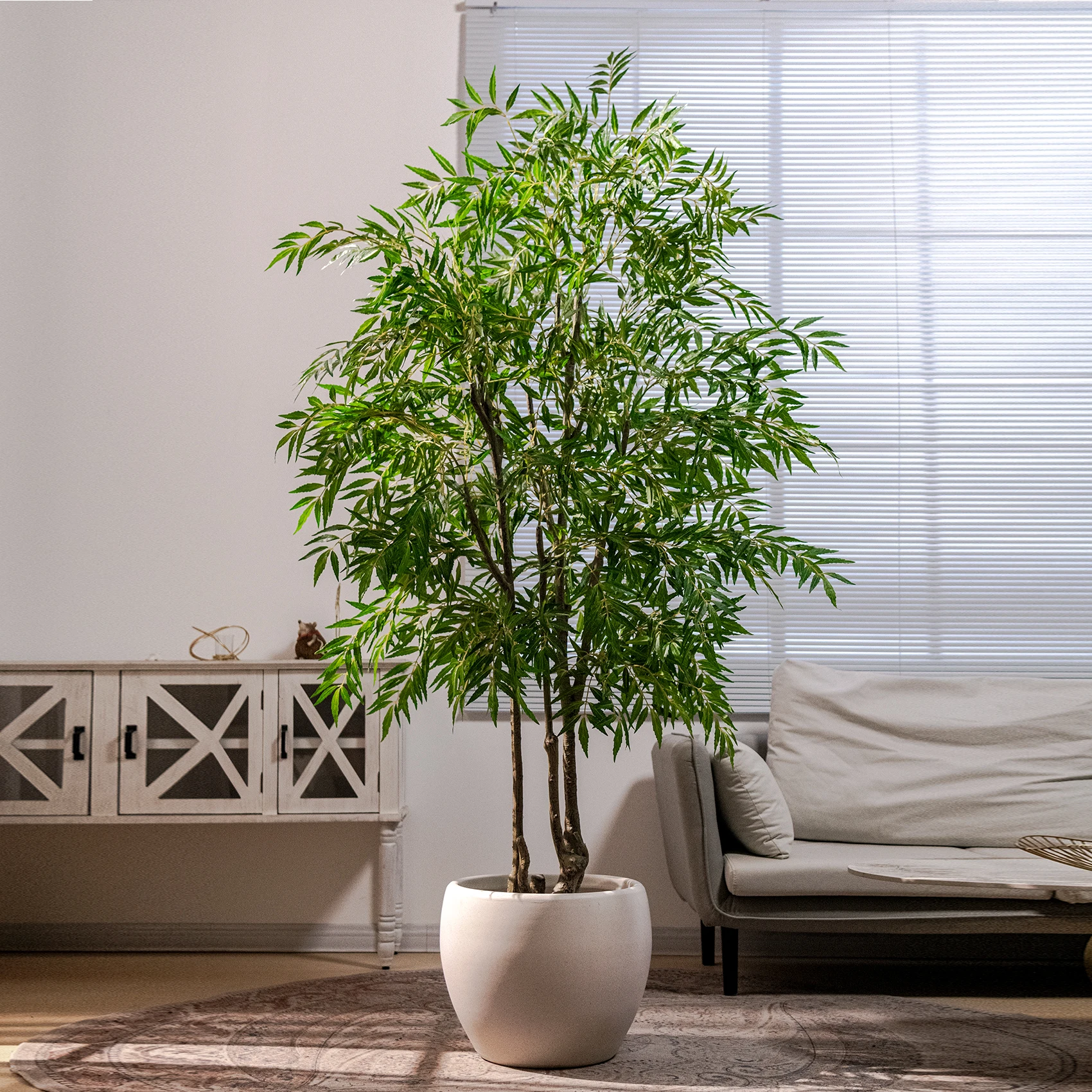
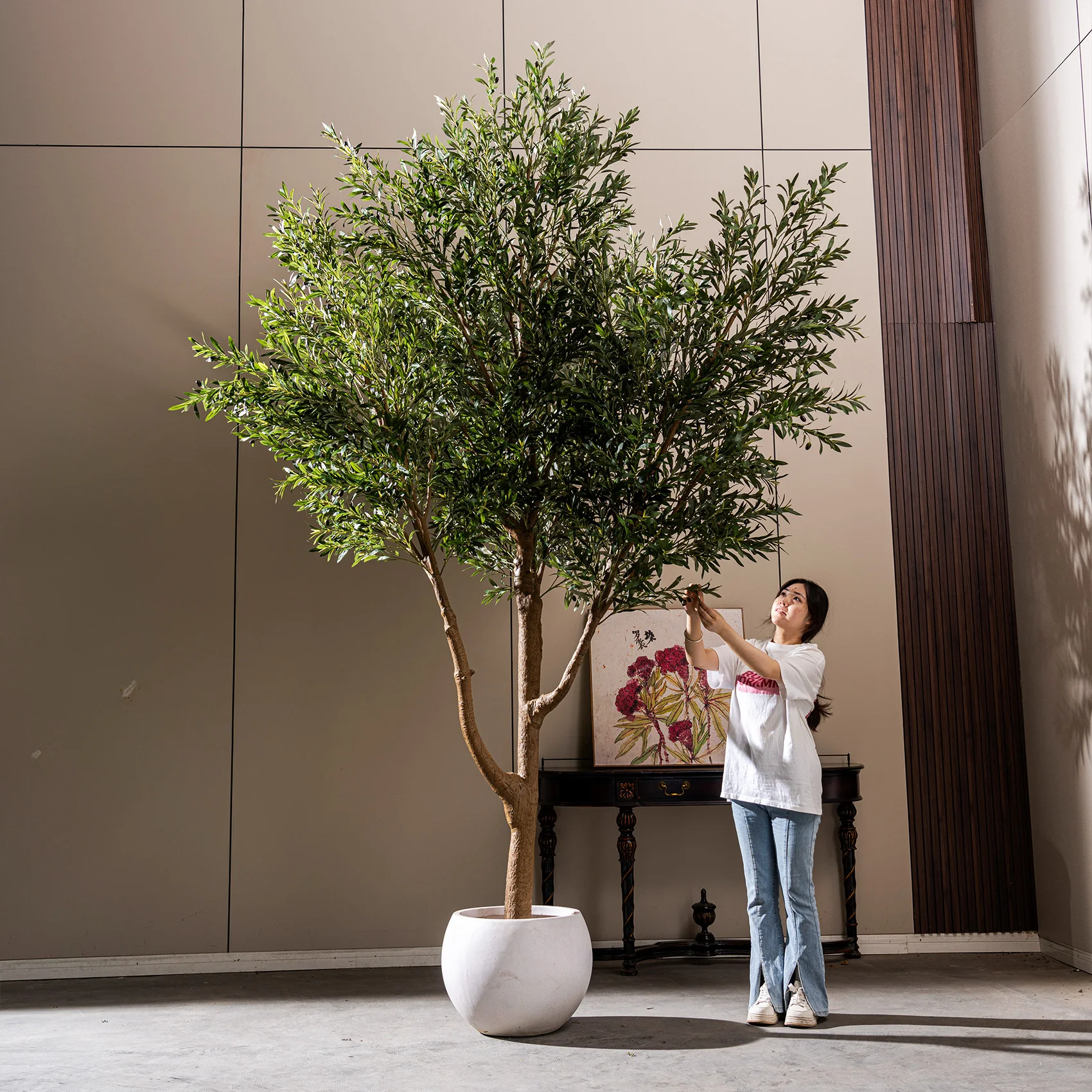
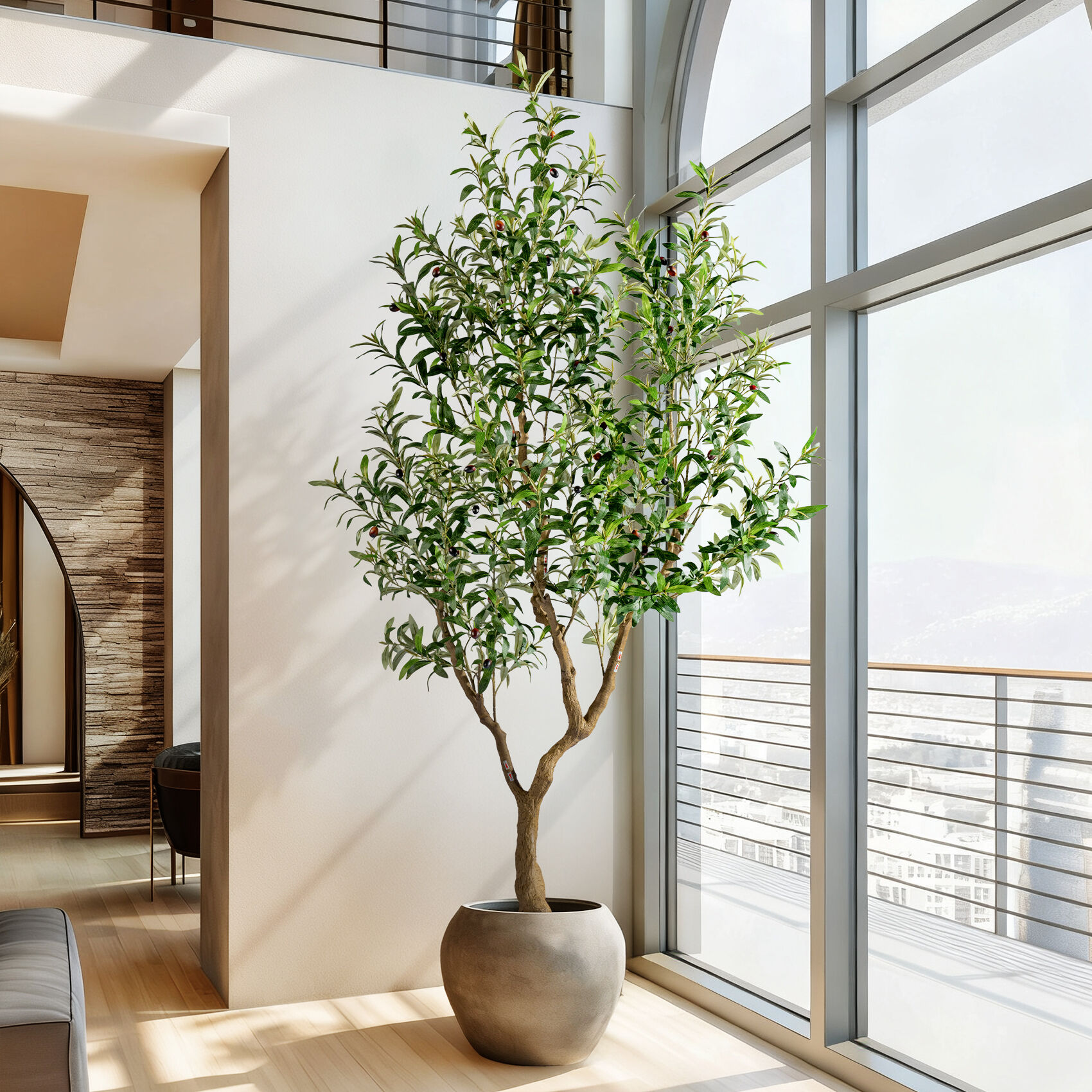
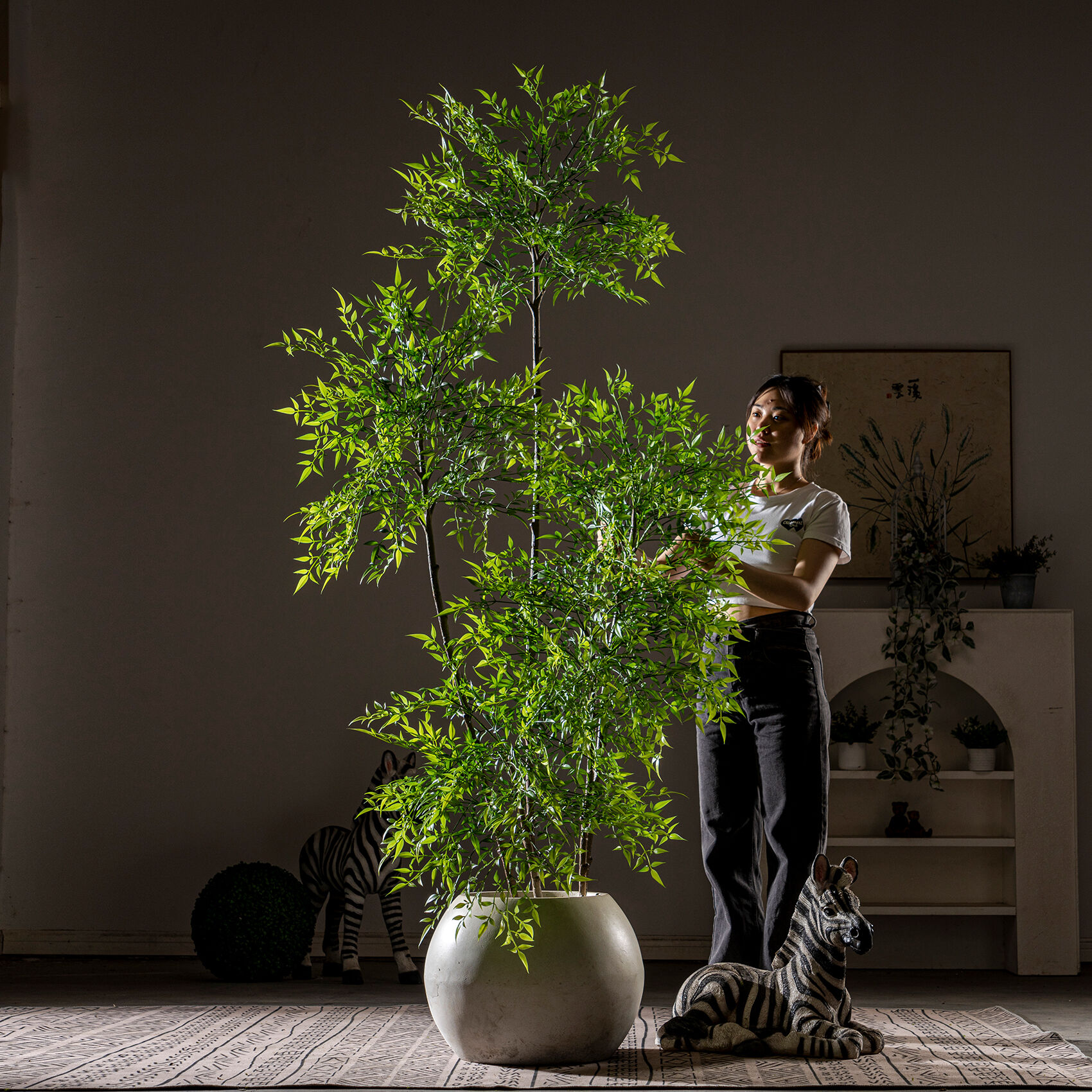
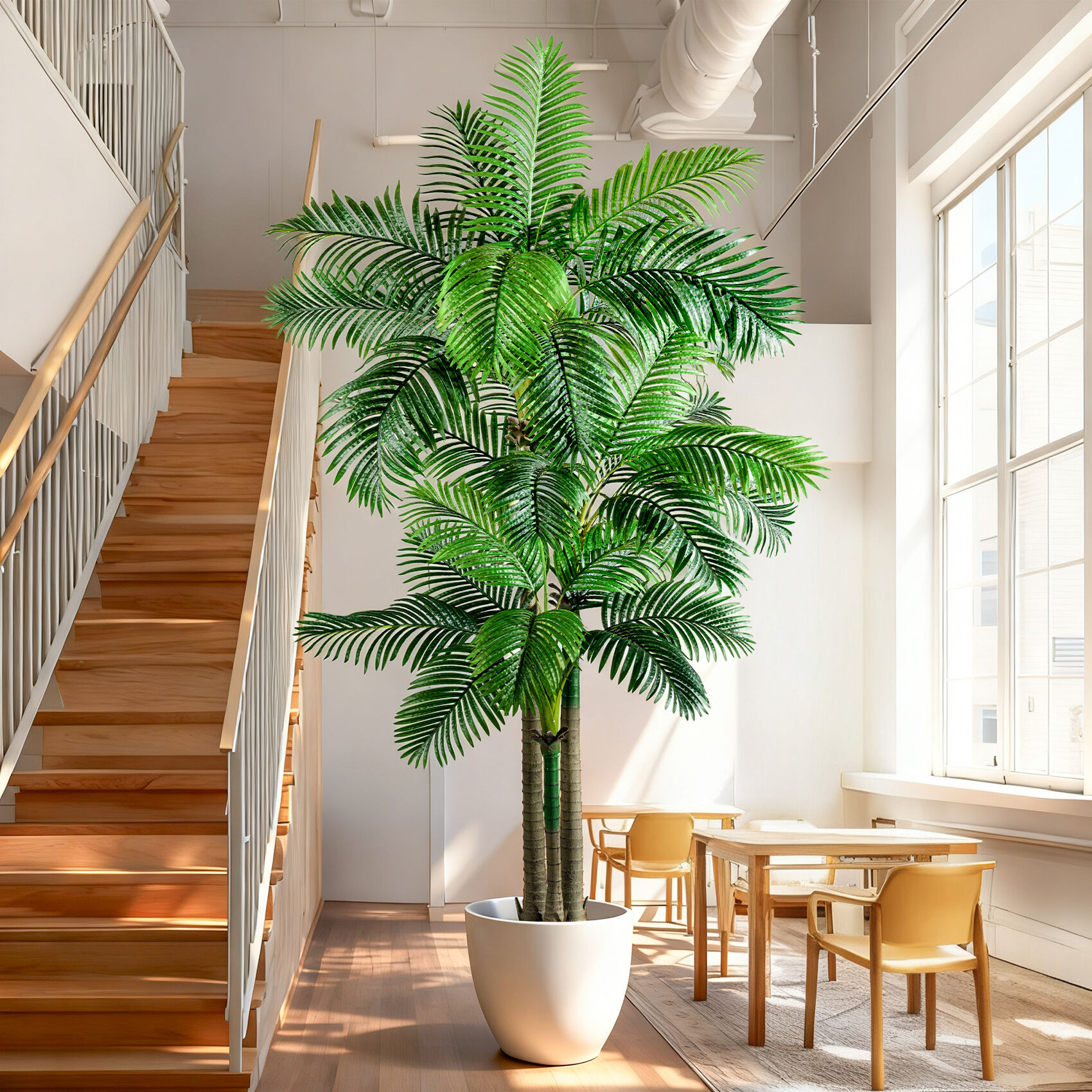
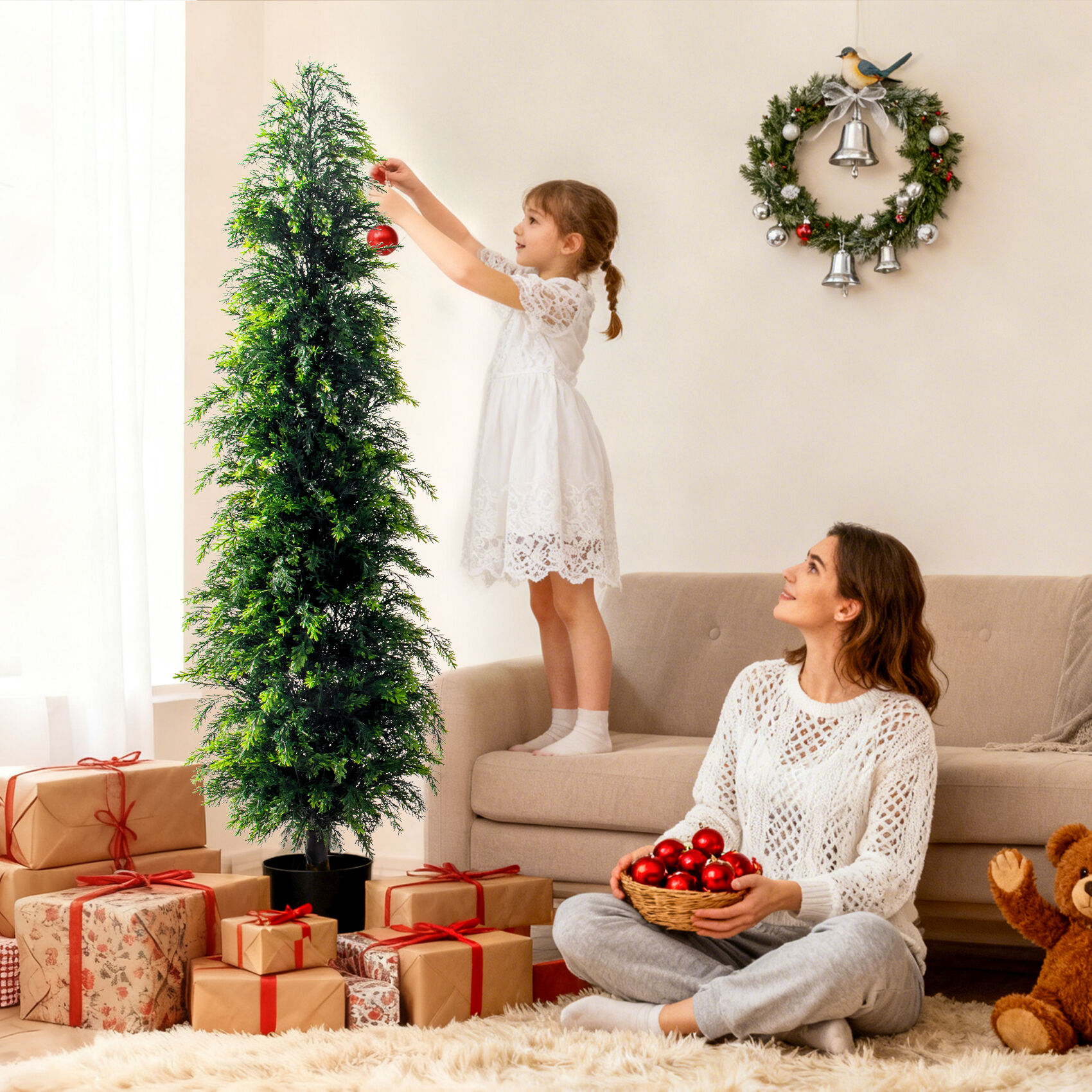
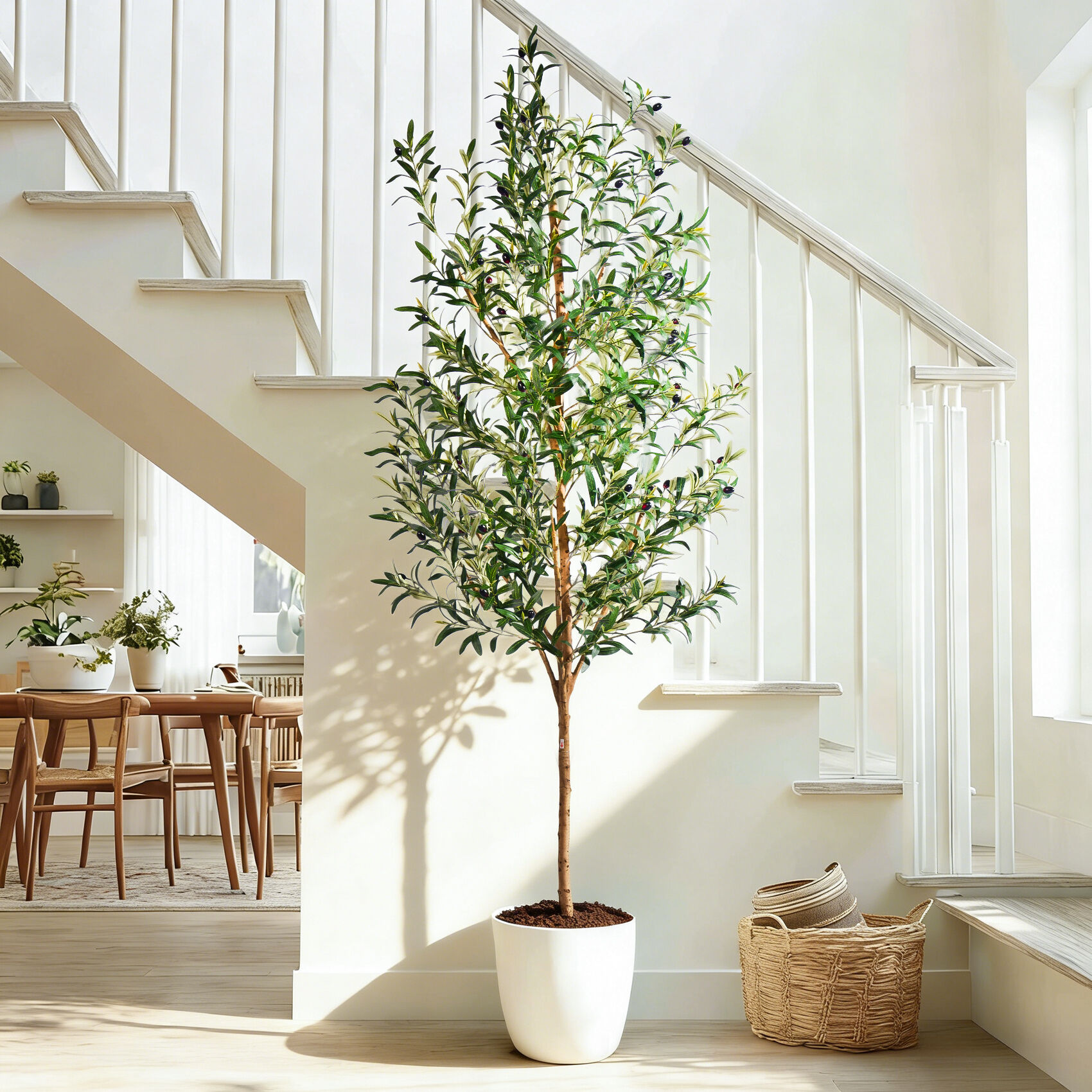
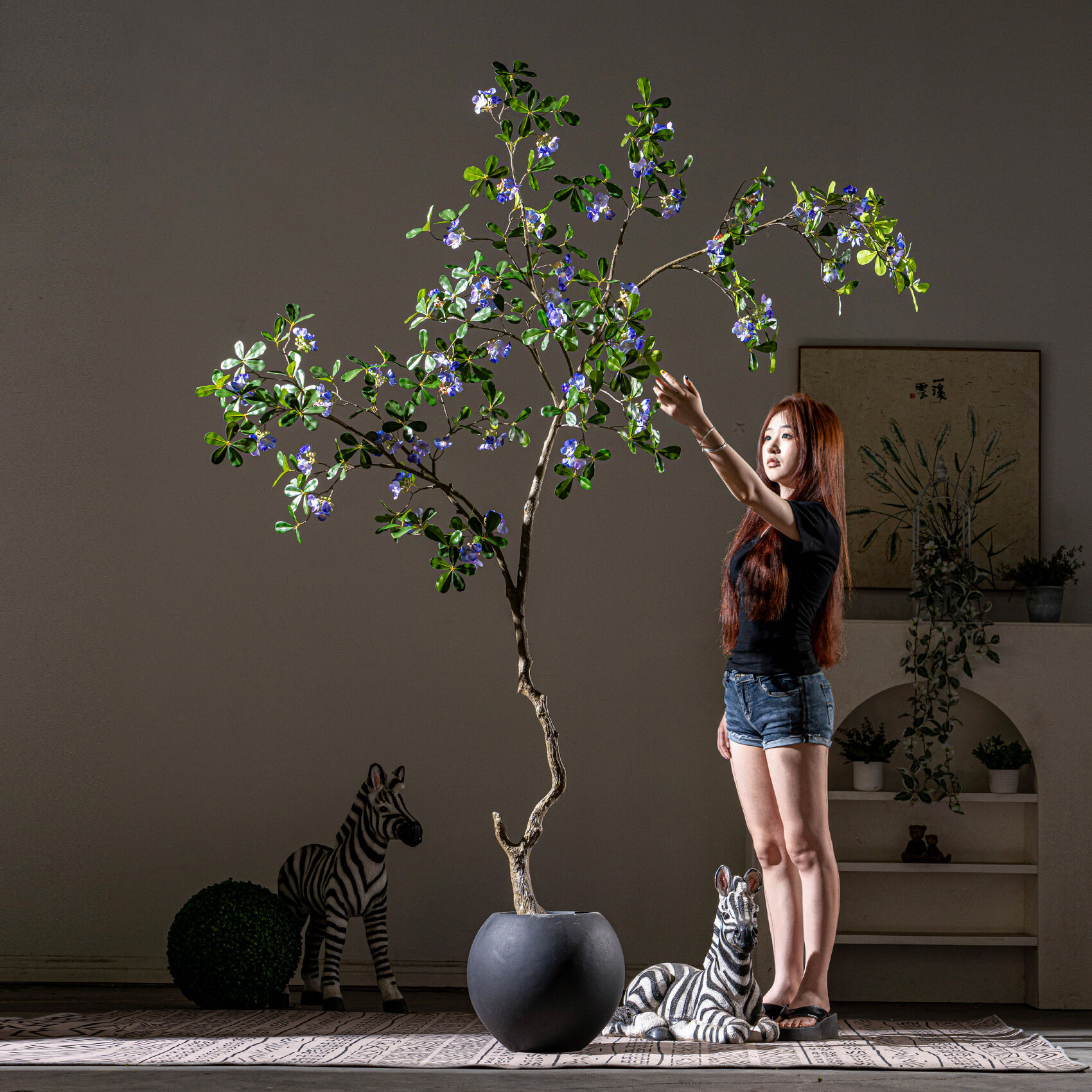
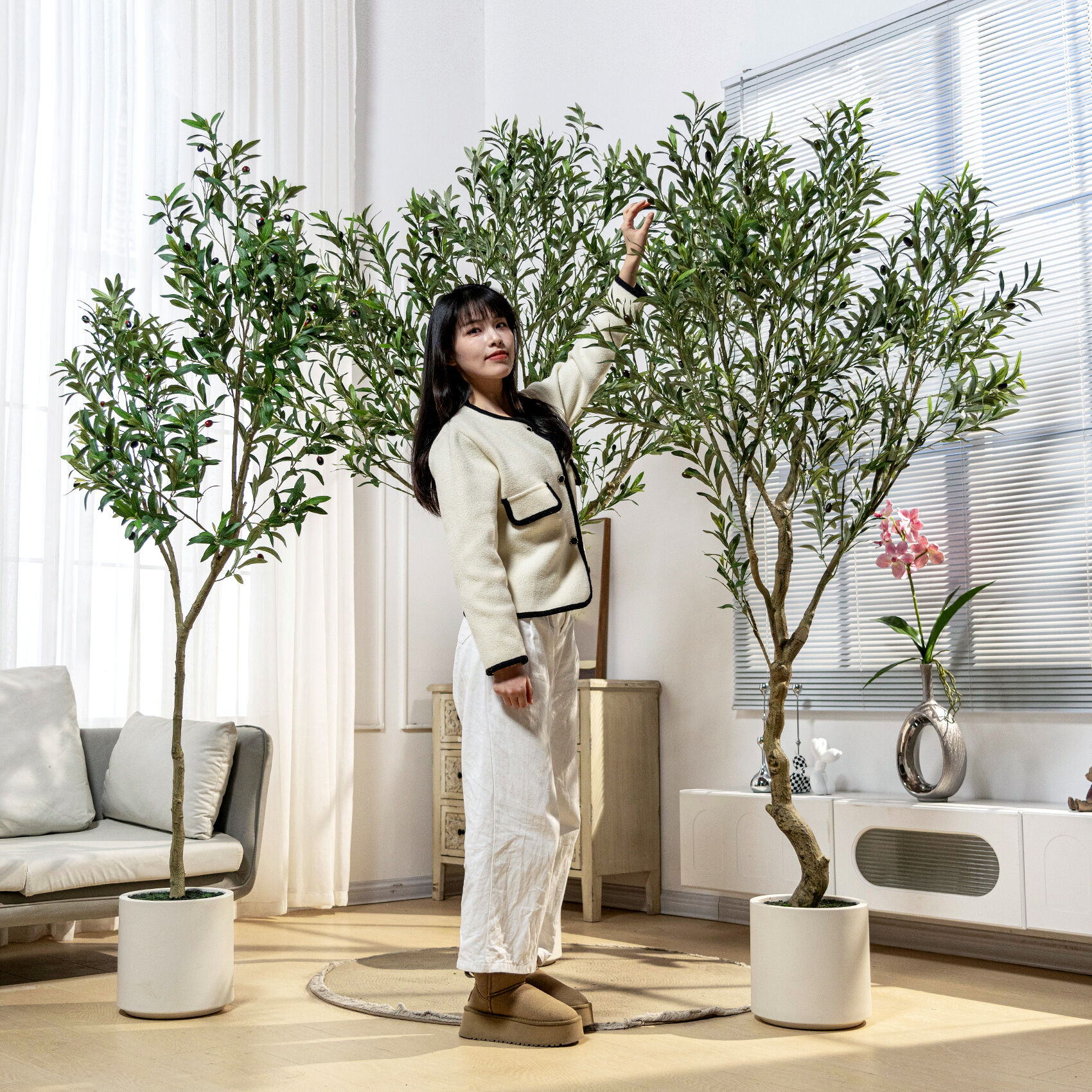
The artificial tree for living room provides significant health and safety benefits that make it an ideal choice for modern households, particularly those with family members who suffer from allergies, respiratory sensitivities, or compromised immune systems. These carefully crafted alternatives eliminate common health concerns associated with live plants while maintaining the psychological and aesthetic benefits of bringing nature indoors. Unlike natural trees that can harbor mold, fungus, or bacterial growth in soil and humid conditions, the artificial tree for living room creates no environment for harmful microorganisms that trigger allergic reactions or respiratory distress. Pollen-free construction makes these decorative options perfect for individuals with hay fever, asthma, or other pollen-related allergies who still desire the calming presence of greenery in their living spaces. Pet owners particularly benefit from artificial tree options, as many popular houseplant varieties pose toxicity risks to cats and dogs who may chew leaves or bark, while synthetic alternatives present no poisoning hazards to curious animals. The artificial tree for living room eliminates pest attraction commonly associated with potted plants, including fungus gnats, spider mites, aphids, and other insects that can infest homes and create additional health and cleanliness concerns. Families with young children appreciate the safety aspects of artificial trees, which lack sharp thorns, toxic berries, or small parts that could present choking hazards or injury risks during play and exploration. Chemical sensitivity considerations favor artificial options, as they require no fertilizers, pesticides, or plant treatments that can trigger reactions in sensitive individuals or contribute to poor indoor air quality. The absence of soil eliminates concerns about tracking dirt throughout the home, reducing cleaning requirements and maintaining healthier indoor environments. Elderly family members or those with mobility limitations benefit from artificial tree alternatives that require no physical maintenance, watering, or care activities that might prove challenging or impossible to perform safely, while still enjoying the mental health benefits associated with natural elements in living spaces.

 EN
EN