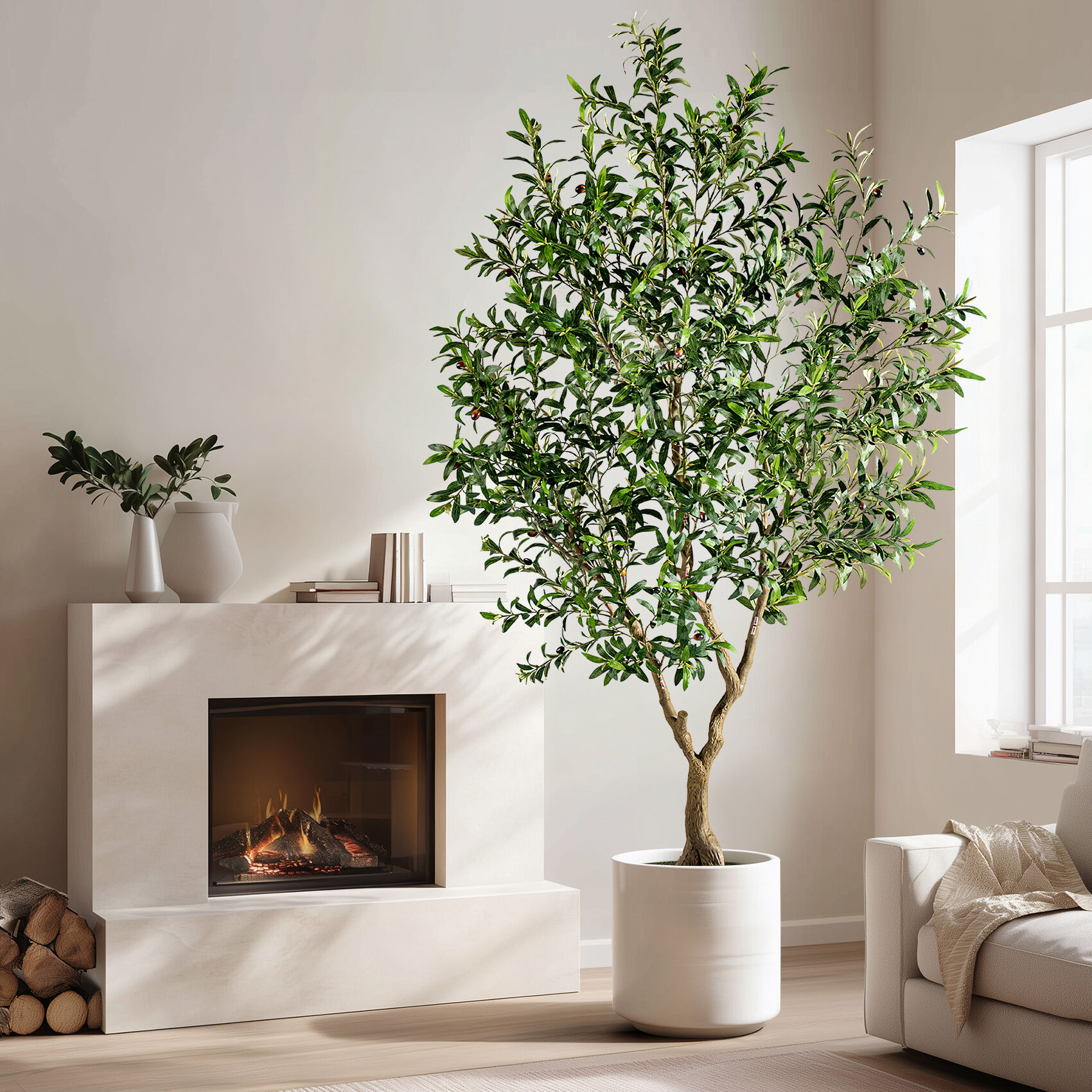
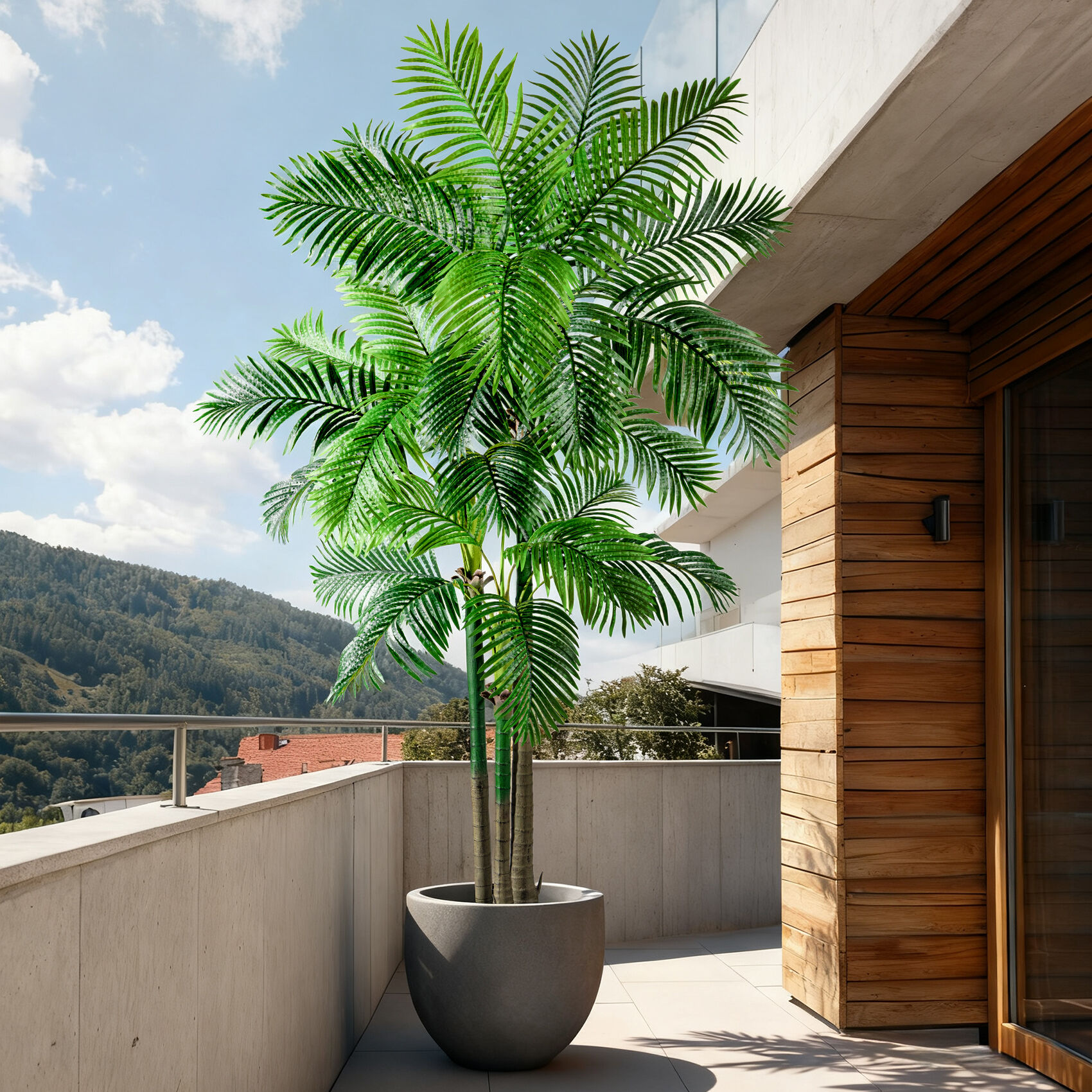
artificial fake tree
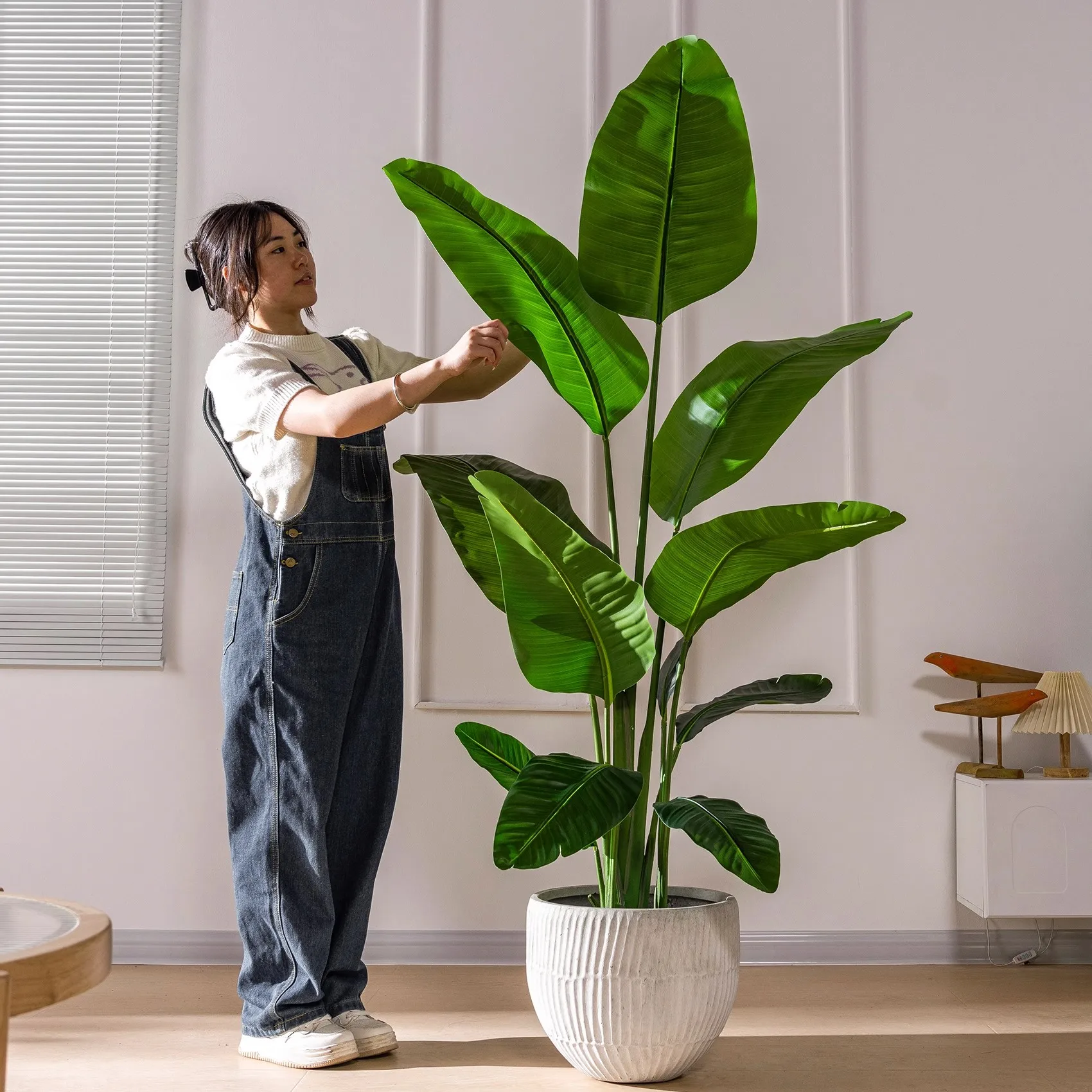
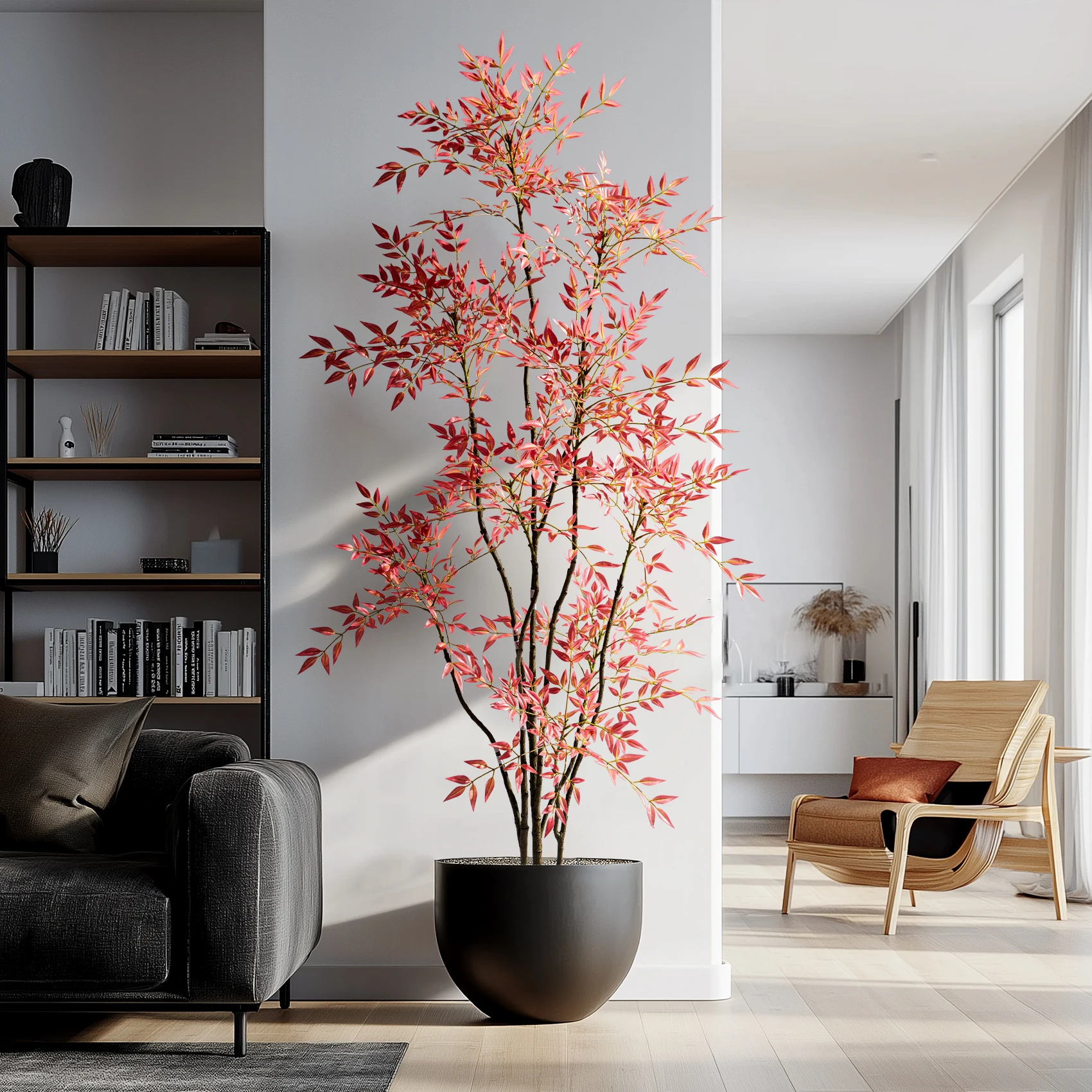
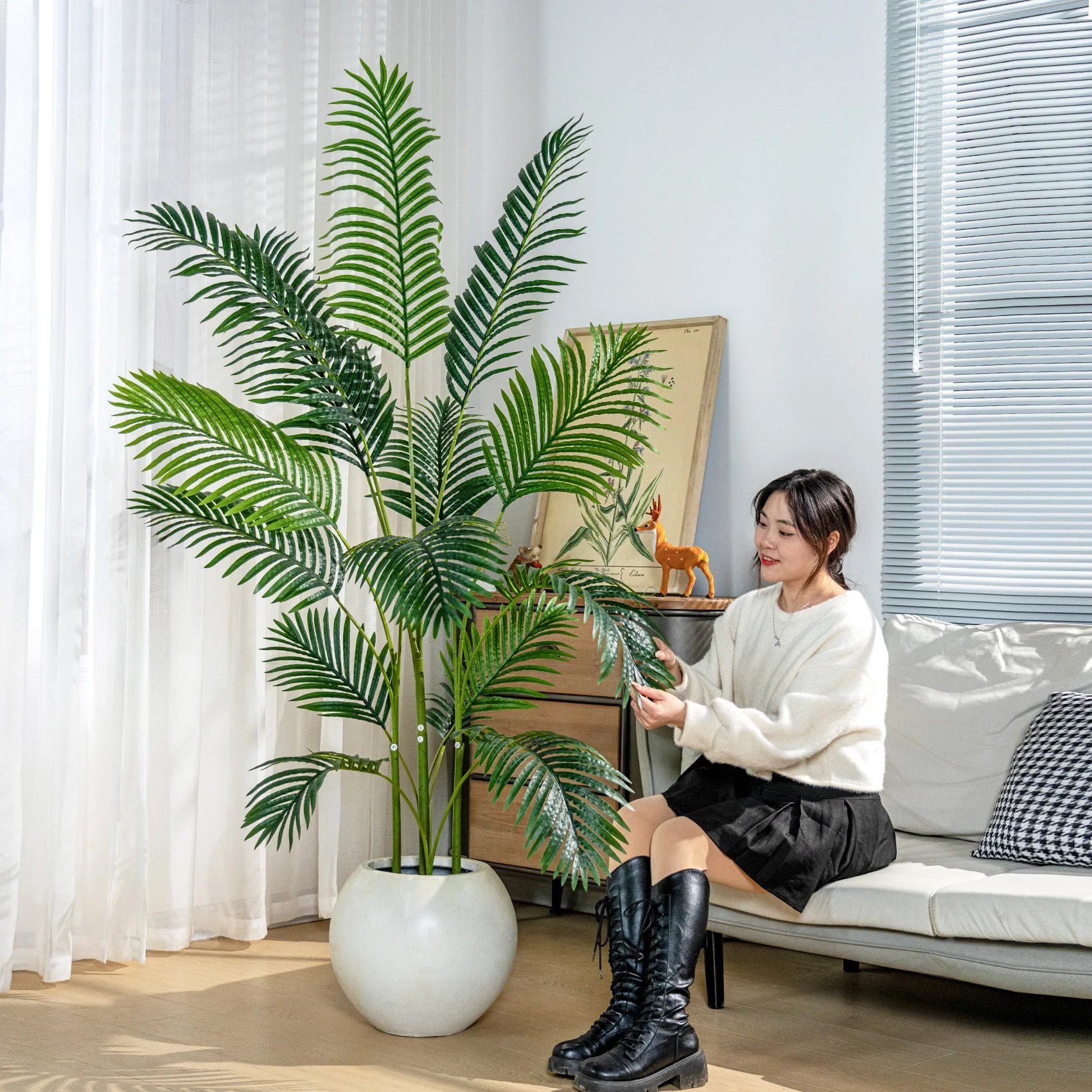
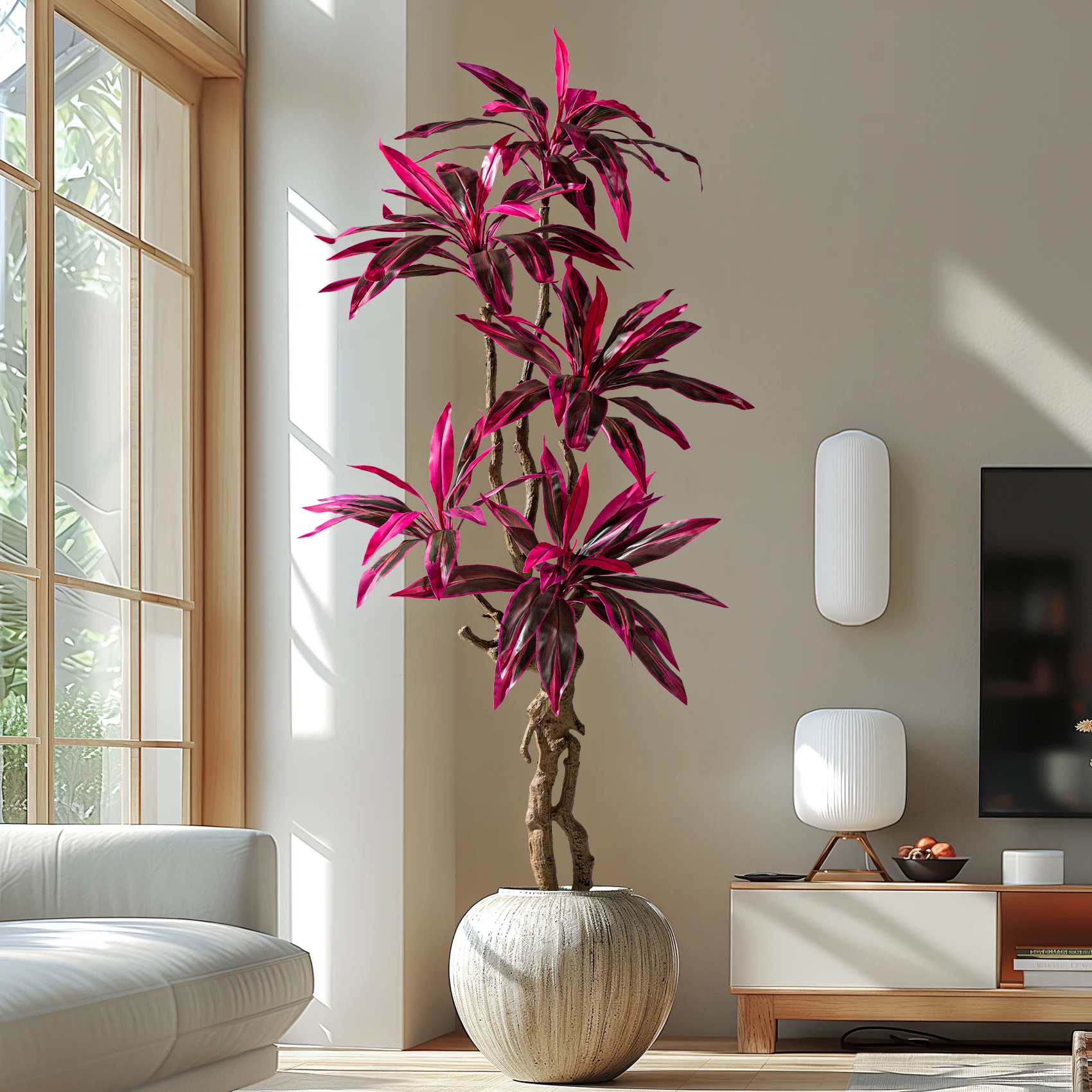
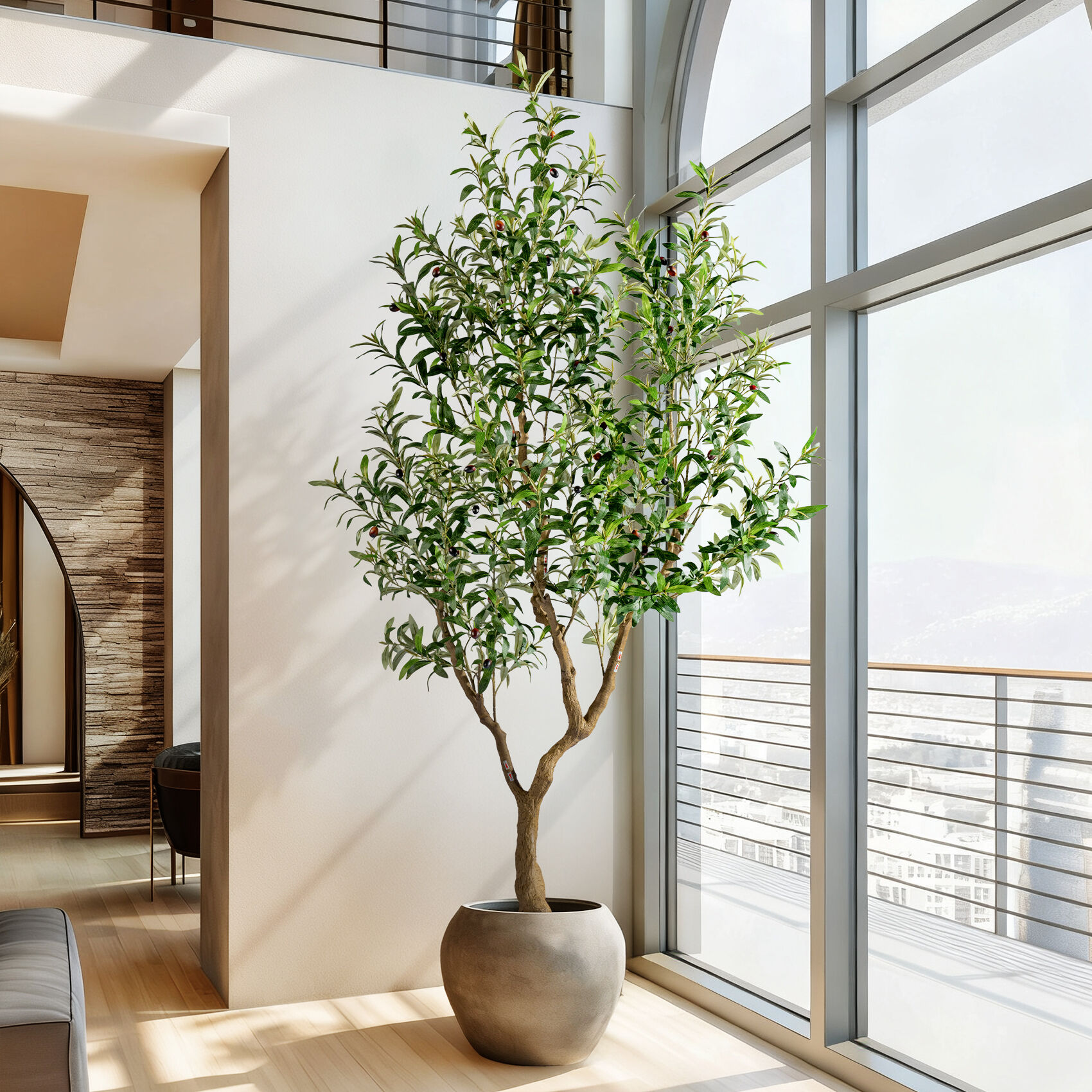
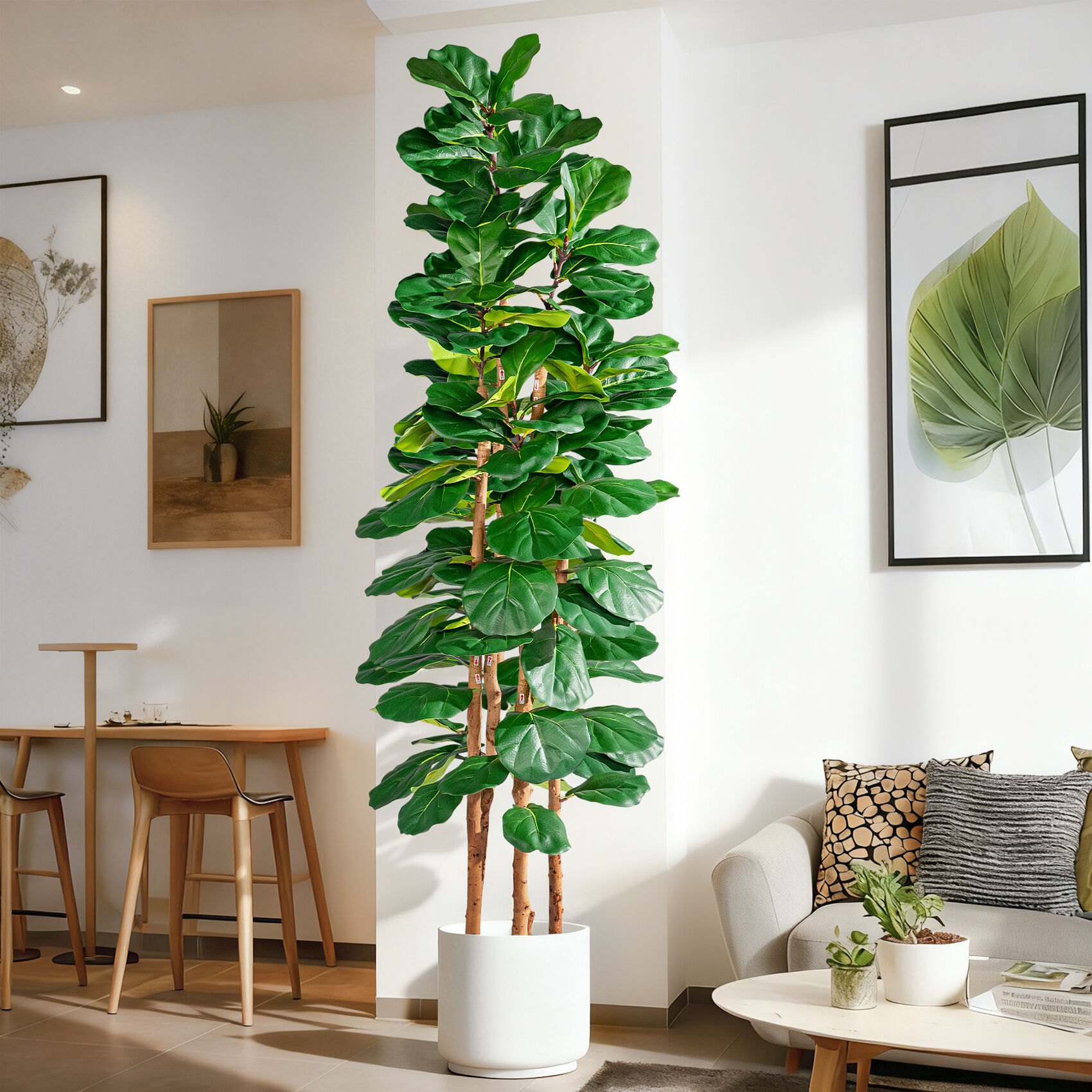
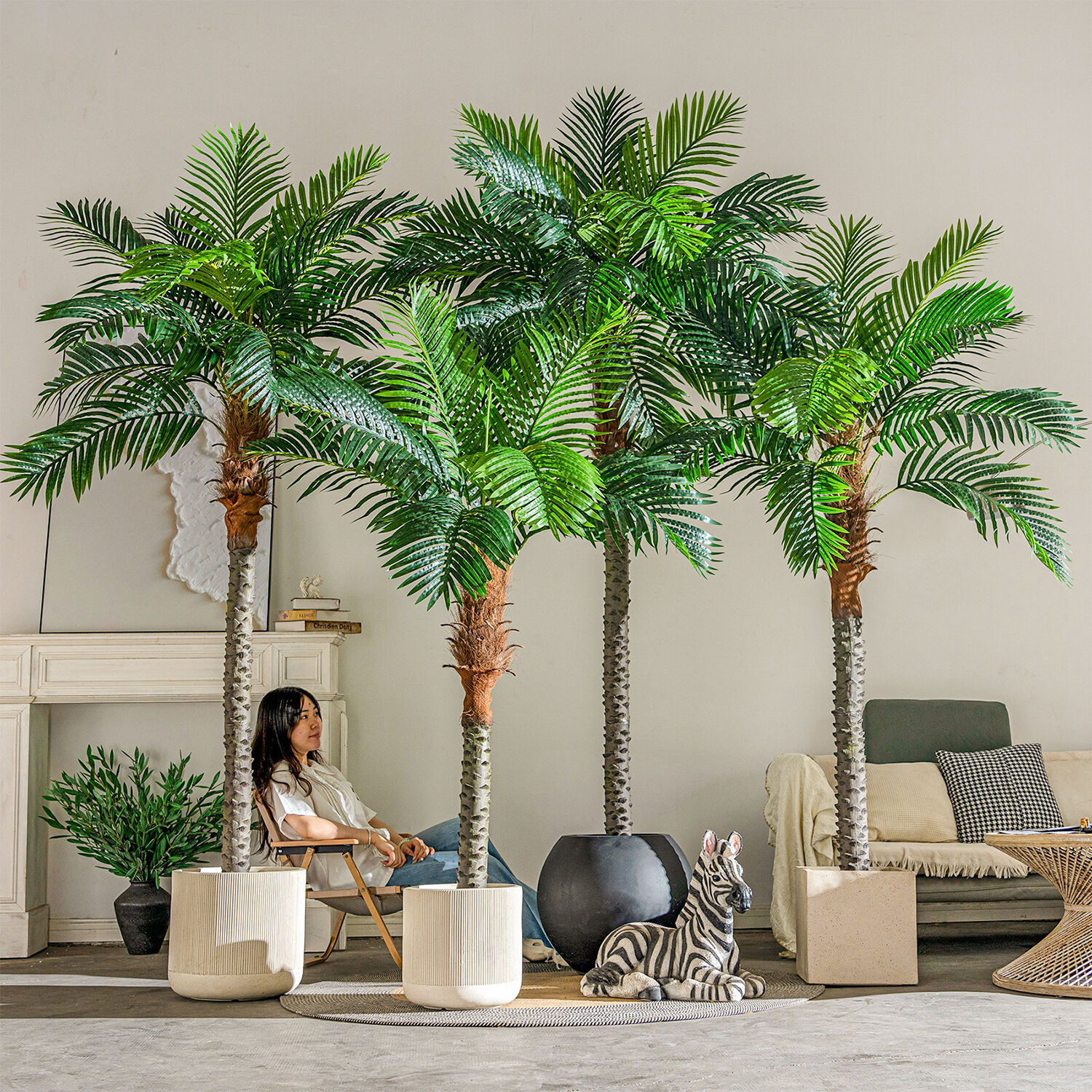
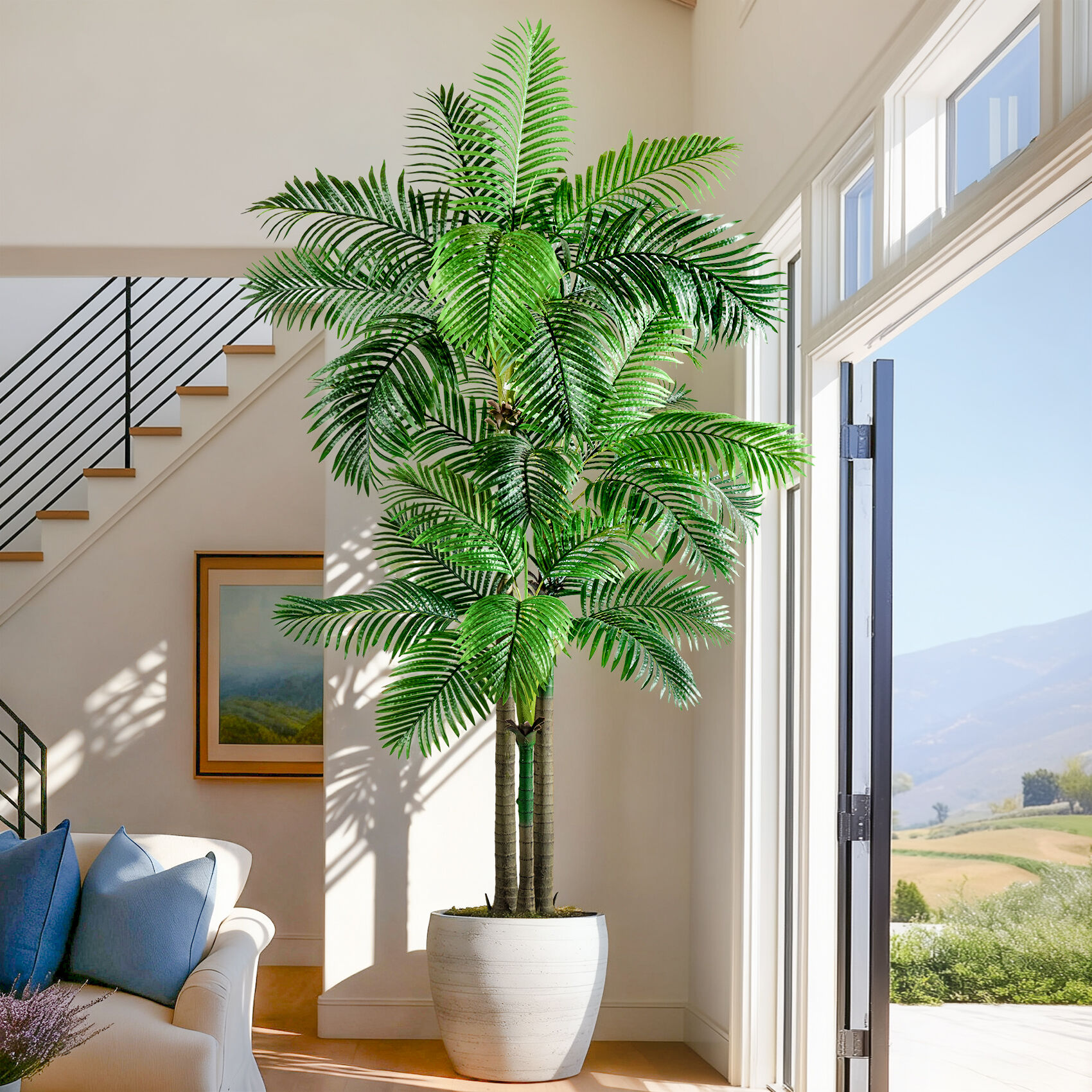
An artificial fake tree represents a sophisticated blend of modern manufacturing technology and aesthetic design, creating realistic botanical replicas that serve multiple purposes across residential, commercial, and outdoor environments. These meticulously crafted synthetic trees utilize advanced materials including high-grade polyethylene, polypropylene, and specialized UV-resistant polymers to achieve remarkable visual authenticity while maintaining structural durability. The artificial fake tree incorporates innovative manufacturing techniques such as injection molding, hand-crafted detailing, and multi-layered texture applications to replicate natural bark patterns, leaf variations, and seasonal characteristics. Contemporary artificial fake tree designs feature modular construction systems that allow for customizable height adjustments, branch positioning, and foliage density modifications to suit specific spatial requirements. The technological features of an artificial fake tree include fire-retardant treatments, antimicrobial surface coatings, and weather-resistant finishes that ensure longevity in diverse environmental conditions. These synthetic trees often incorporate internal wire frameworks that provide flexibility for natural-looking branch movement while maintaining structural integrity. Advanced coloration techniques using fade-resistant pigments ensure that the artificial fake tree maintains its vibrant appearance throughout extended periods of use. Applications for artificial fake tree installations span numerous industries including hospitality venues, retail environments, office buildings, healthcare facilities, educational institutions, and residential spaces. Theme parks, restaurants, hotels, and shopping centers frequently utilize these synthetic trees to create immersive natural environments without the maintenance requirements of living vegetation. The artificial fake tree serves as an ideal solution for locations where traditional landscaping faces challenges such as limited natural light, controlled environments, or restricted access for regular maintenance activities.

 EN
EN