Cost-Effective Long-Term Investment Value
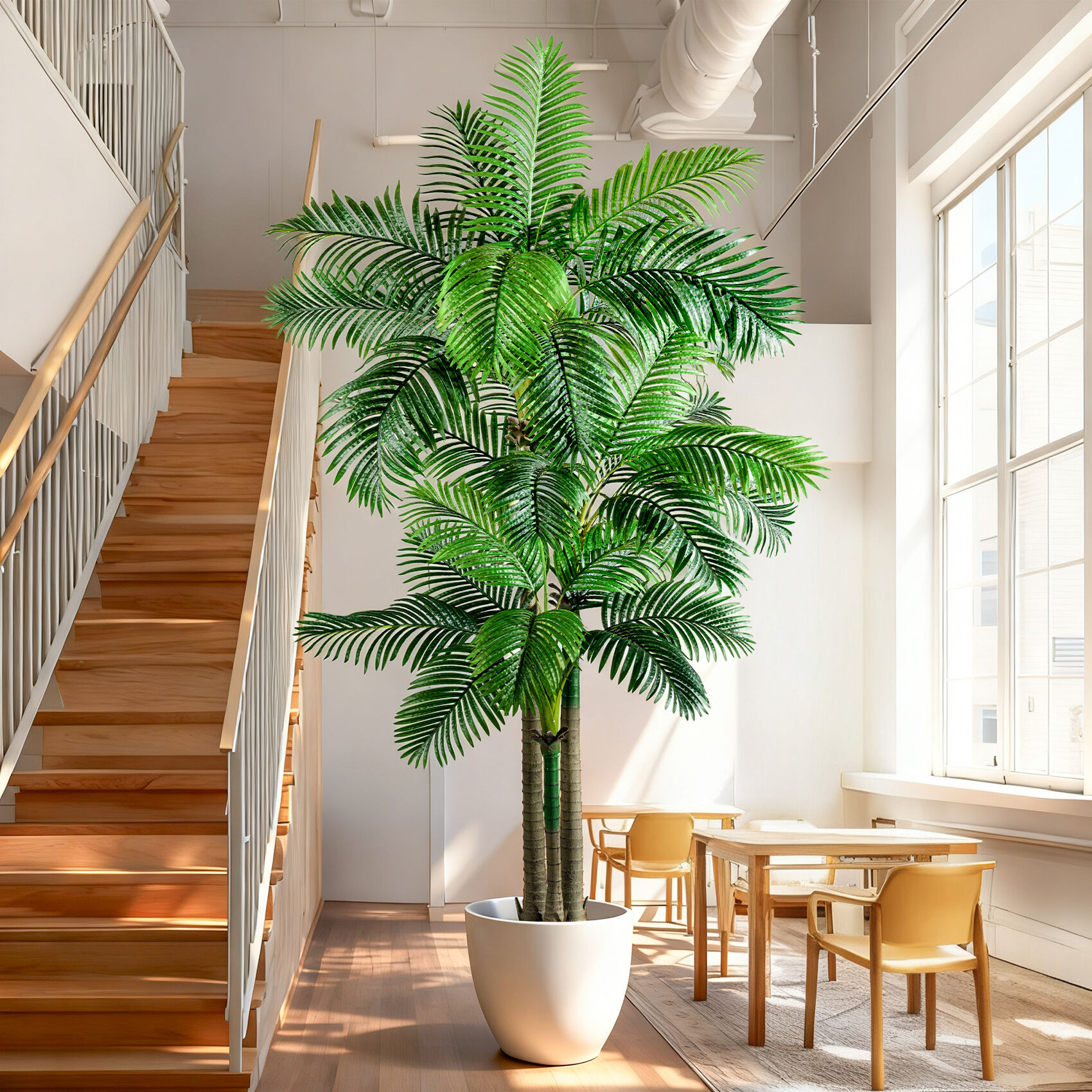
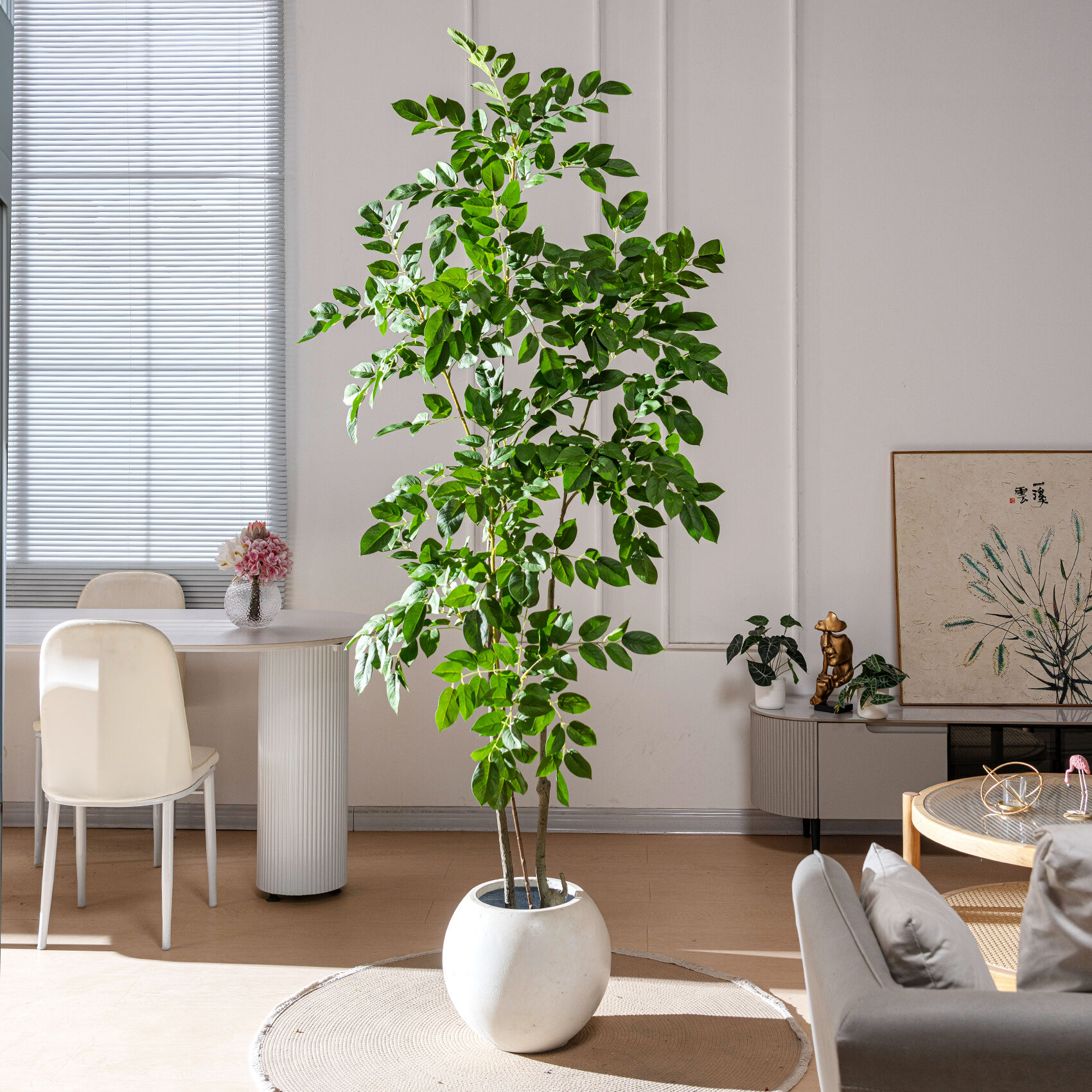
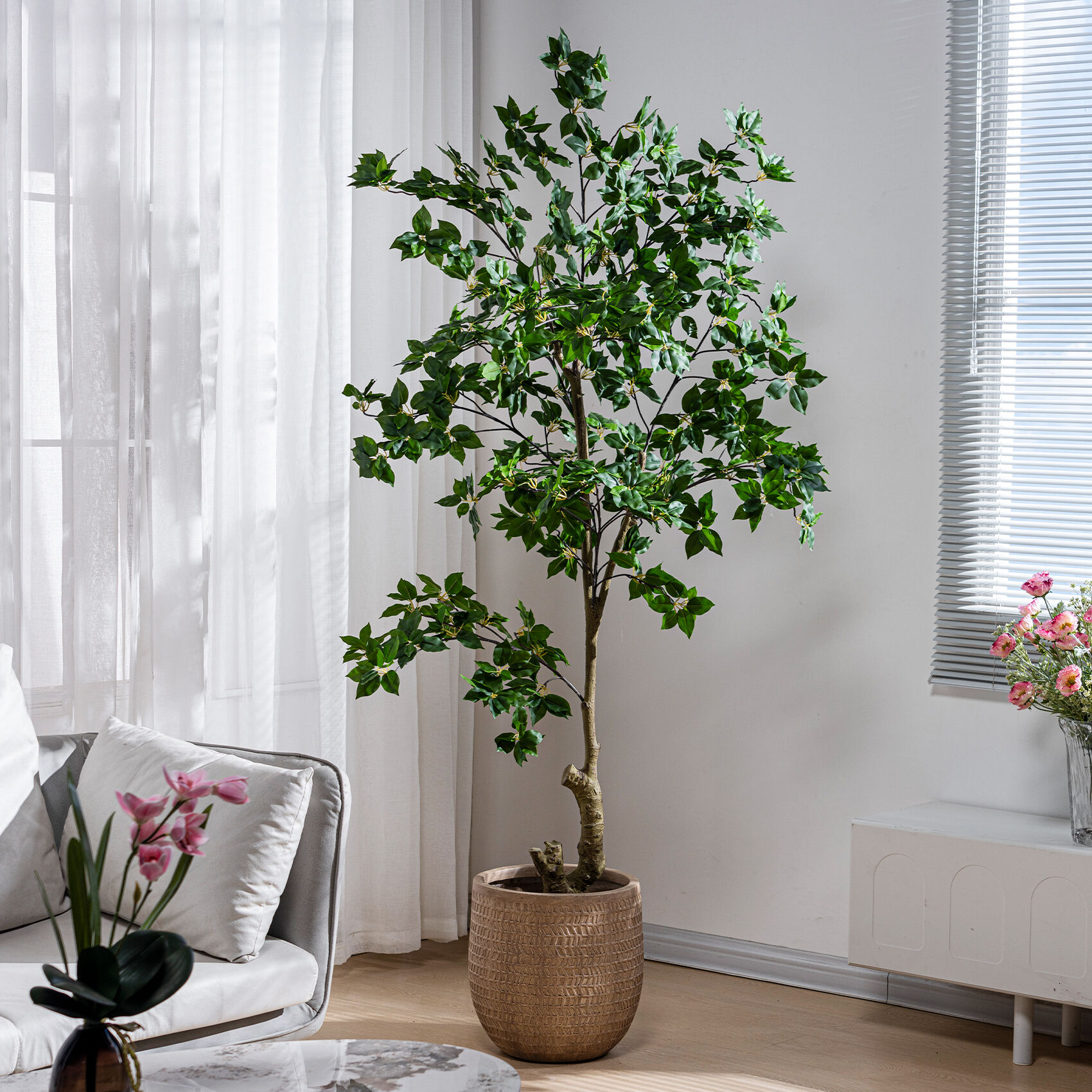
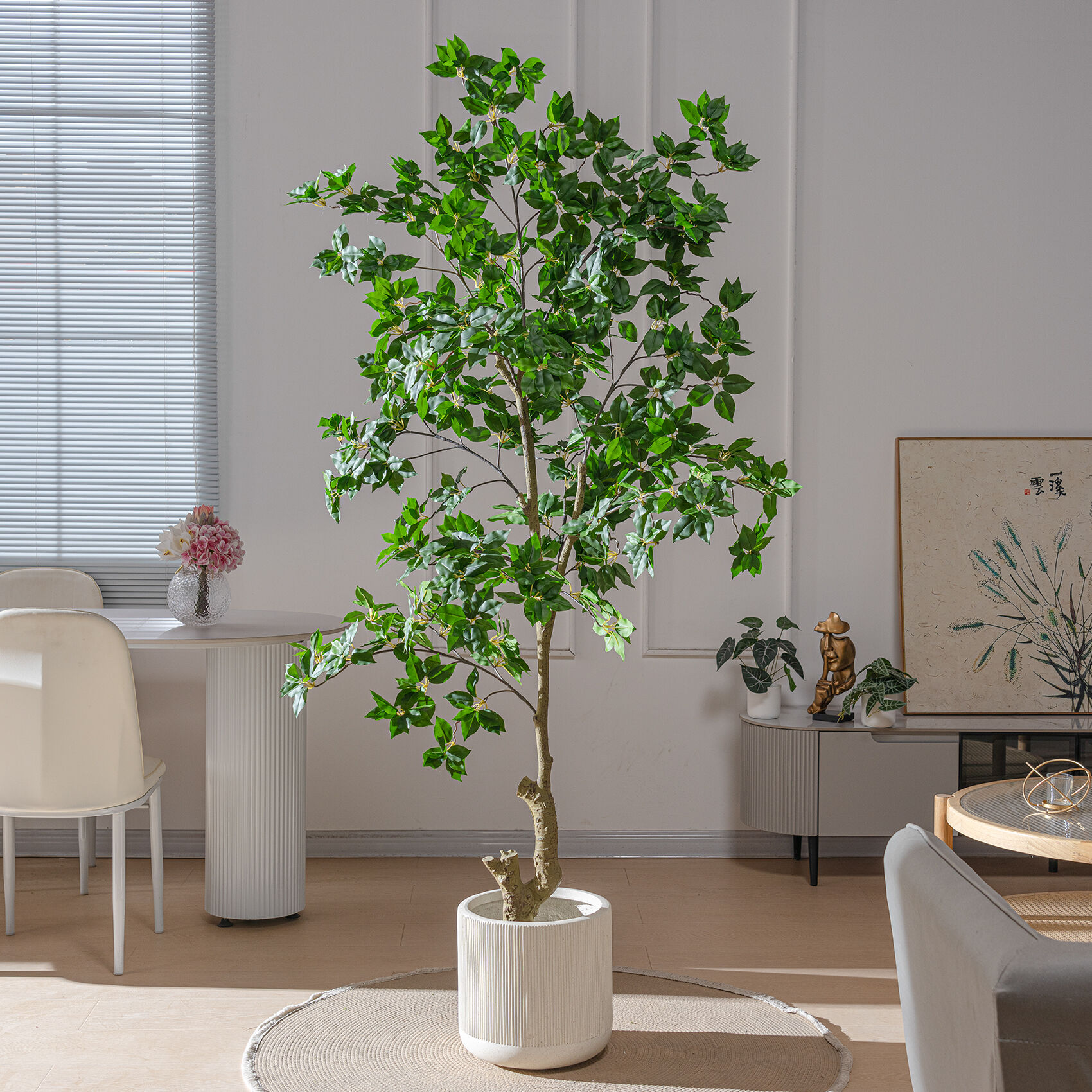
The exceptional cost-effectiveness of realistic faux trees becomes evident when analyzing the total cost of ownership compared to living alternatives, revealing significant financial advantages that extend far beyond initial purchase prices. Unlike living trees that require ongoing investments in irrigation systems, soil amendments, fertilizers, pest control treatments, and professional maintenance services, realistic faux trees eliminate these recurring expenses while delivering consistent aesthetic value throughout their extended service life. Water cost savings alone can be substantial, particularly in regions where irrigation expenses are high or water conservation measures restrict landscape watering, making realistic faux trees an environmentally and financially responsible choice for properties seeking sustainable design solutions. Labor cost reductions represent another significant financial benefit, as realistic faux trees require no pruning, trimming, leaf removal, or seasonal care activities that living trees demand, freeing property management resources for other priorities while ensuring consistently attractive appearances. Insurance benefits may apply to properties utilizing realistic faux trees, as they eliminate risks associated with falling branches, root system damage to foundations, or liability issues related to tree-related injuries, potentially reducing property insurance premiums over time. The predictable appearance and performance of realistic faux trees support accurate budgeting for facility management and design maintenance, eliminating unexpected expenses related to plant replacement, emergency tree removal, or storm damage repairs that can significantly impact operational budgets. Energy efficiency contributions emerge when realistic faux trees are strategically positioned to provide visual privacy and spatial definition without blocking natural light or airflow that living trees might obstruct, supporting optimal HVAC performance and reduced utility costs. Replacement cycle advantages become apparent over time, as quality realistic faux trees maintain their appearance and functionality for decades while living trees may require periodic replacement due to disease, storm damage, or changes in landscape design requirements. Tax implications may favor realistic faux trees in commercial applications, where they can be classified as fixtures or equipment rather than landscape improvements, potentially offering depreciation benefits and simplified accounting procedures. The flexibility to relocate realistic faux trees without transplanting costs or establishment periods provides additional financial advantages for properties undergoing renovations, expansions, or design updates that might otherwise require expensive landscape modifications.

 EN
EN