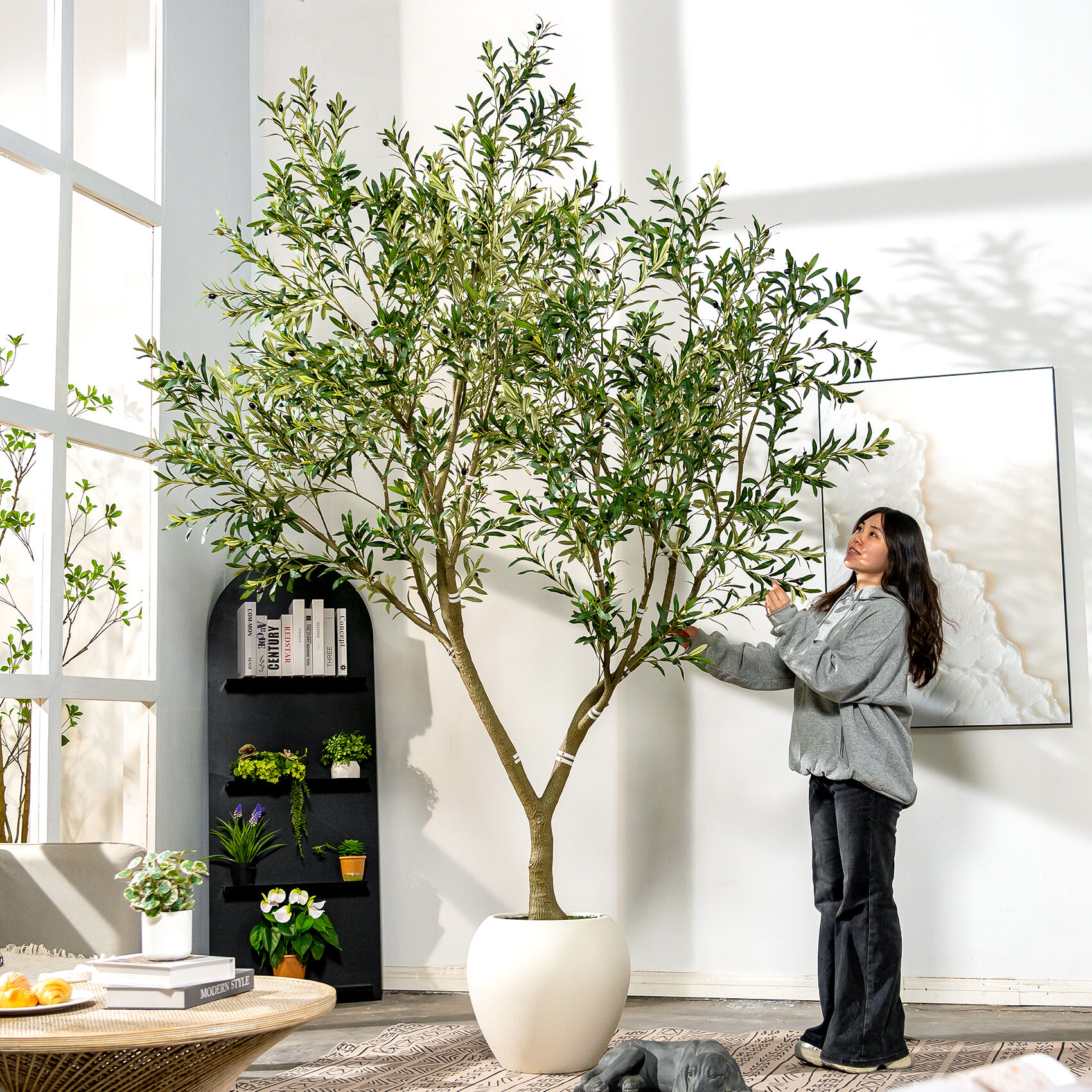
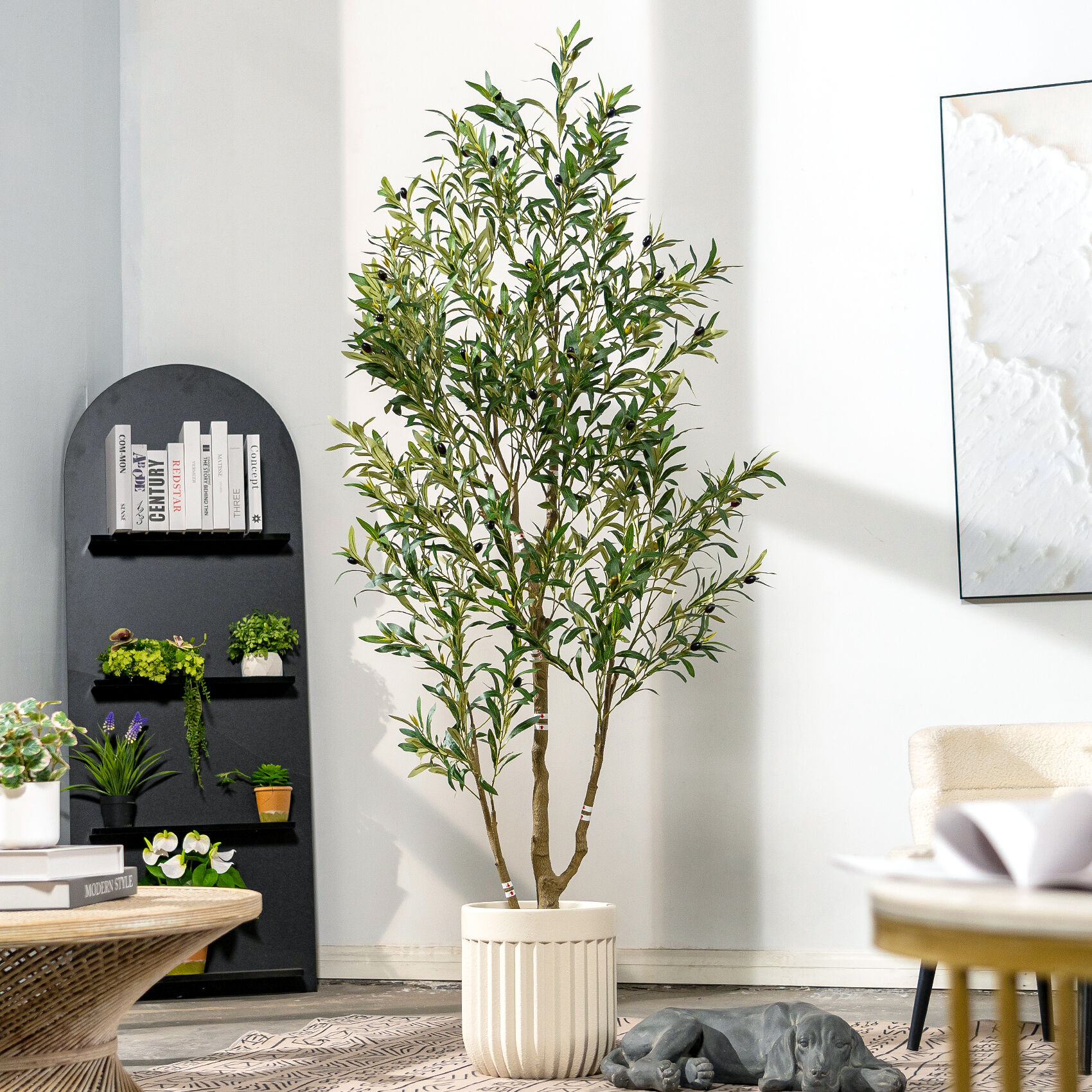
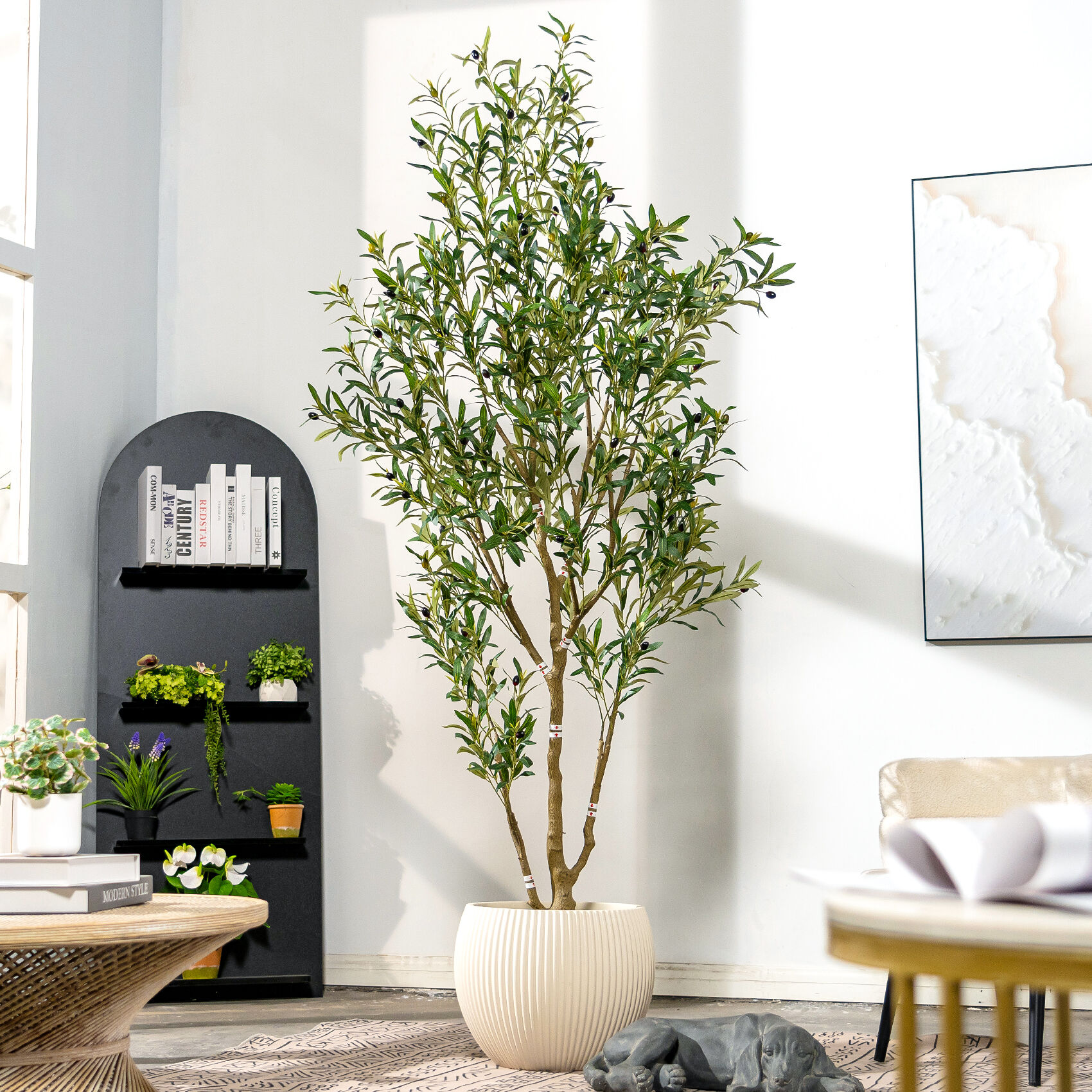
Long-Term Economic Value
The faux cactus plant delivers exceptional long-term economic value through its combination of minimal initial investment, zero ongoing costs, and decades-long lifespan that far exceeds traditional plant alternatives. This economic advantage becomes particularly evident when comparing total ownership costs over extended periods, as live plants require continuous investments in replacement specimens, fertilizers, pest control products, and specialized care equipment. Business operators find the faux cactus plant especially cost-effective because it eliminates recurring expenses associated with professional landscaping services, plant replacement programs, and facility maintenance staff time dedicated to plant care activities. The initial purchase price of quality artificial specimens represents the entire investment, with no additional costs for watering systems, growth supplements, or emergency plant replacement when natural specimens fail to thrive. Healthcare facilities, educational institutions, and corporate environments benefit from predictable budgeting advantages, as the faux cactus plant never requires unexpected expenditures for disease treatment, pest elimination, or environmental control modifications. Insurance considerations favor artificial alternatives because they eliminate risks associated with water damage from irrigation systems, allergic reactions among occupants, or slip hazards from fallen leaves and debris. Property management companies appreciate how the faux cactus plant contributes to consistent property values without the variability introduced by seasonal plant appearance changes or maintenance quality fluctuations. Retail environments leverage the economic benefits by avoiding revenue losses associated with withered displays that might negatively impact customer perceptions during peak business periods. The faux cactus plant investment appreciates over time as quality specimens maintain their appearance indefinitely, while live plants depreciate through natural aging processes that eventually require complete replacement. Energy cost savings emerge from eliminating specialized lighting requirements, climate control adjustments, and irrigation system operations that support live plant health but increase utility expenses significantly.

 EN
EN