Zero Maintenance Long-Term Investment Value
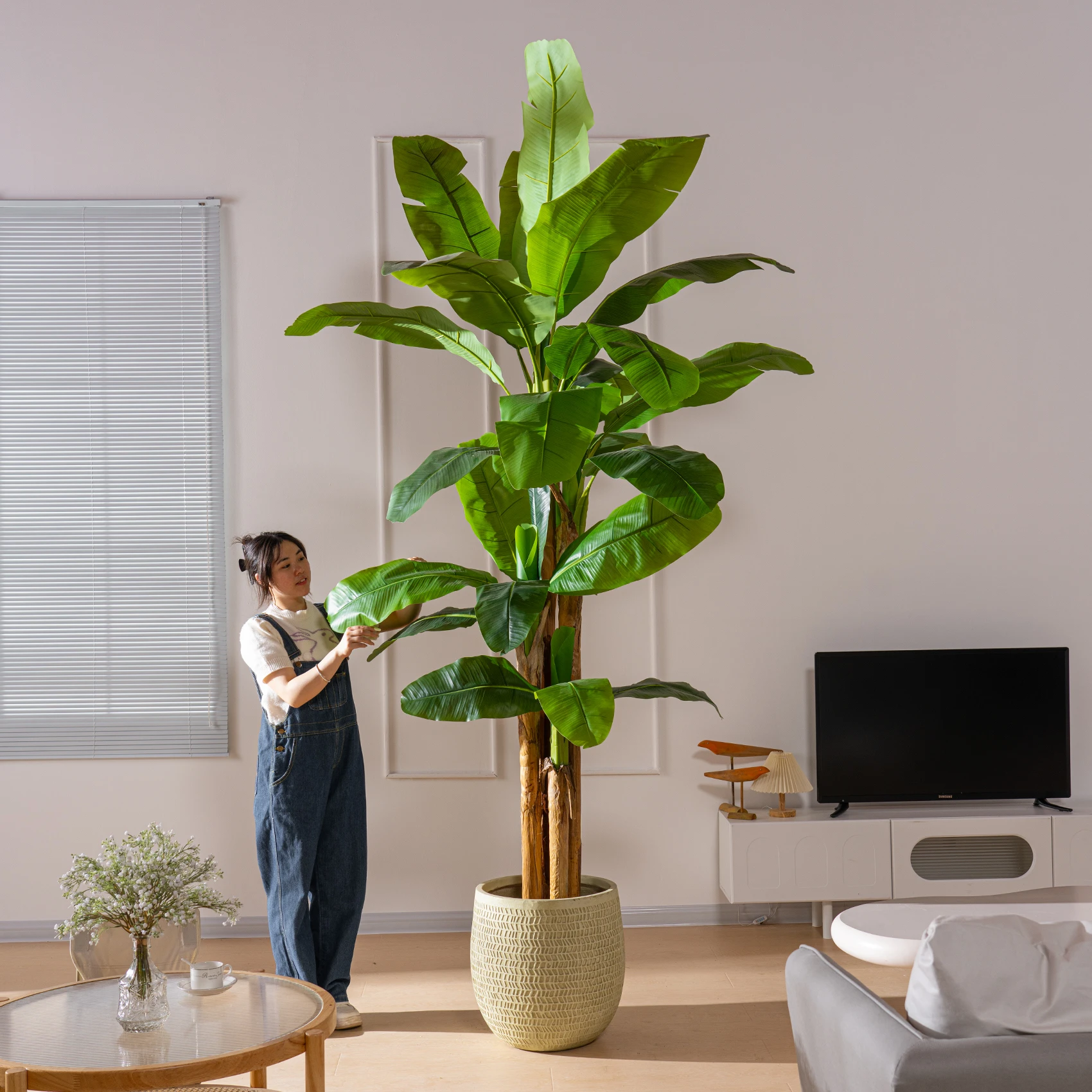
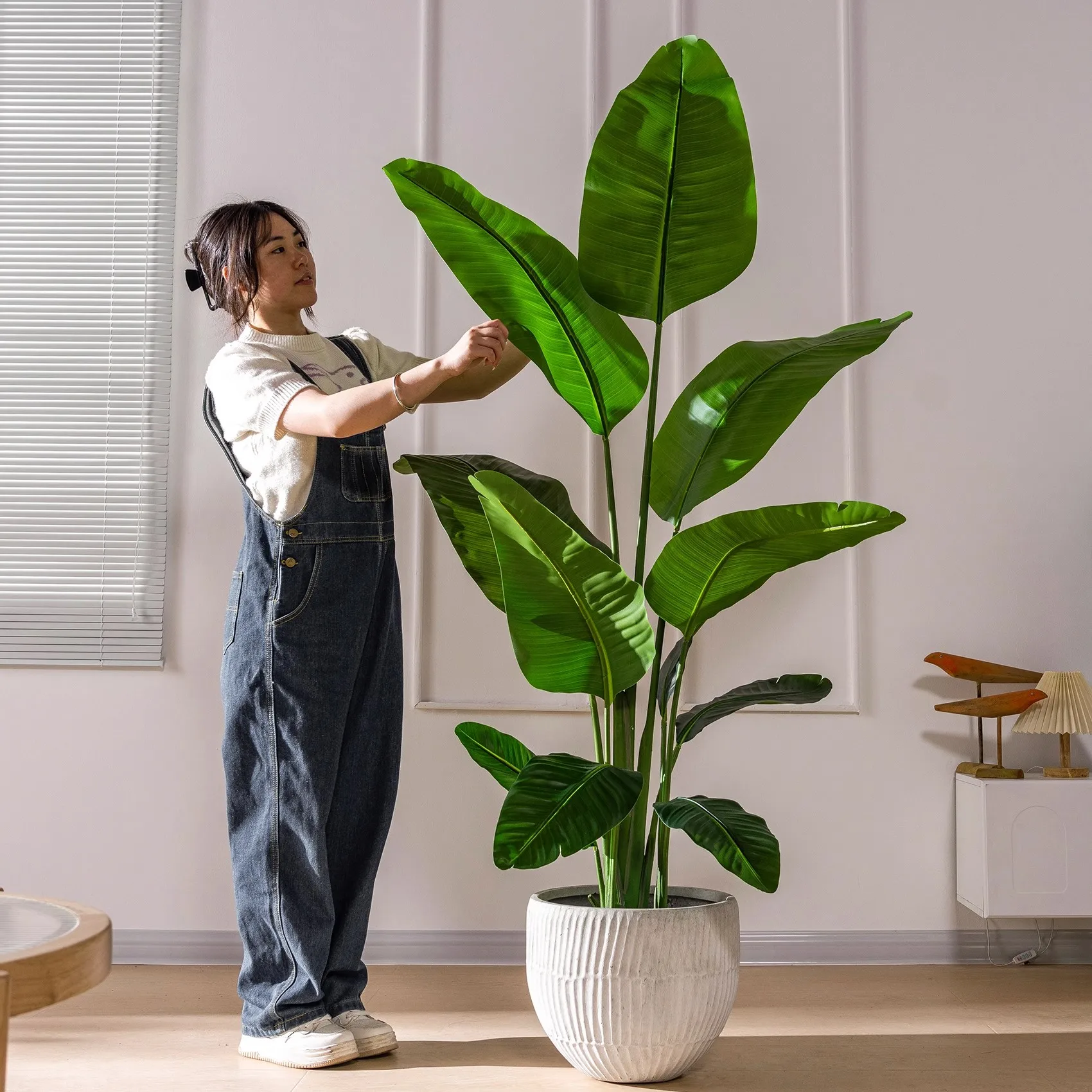
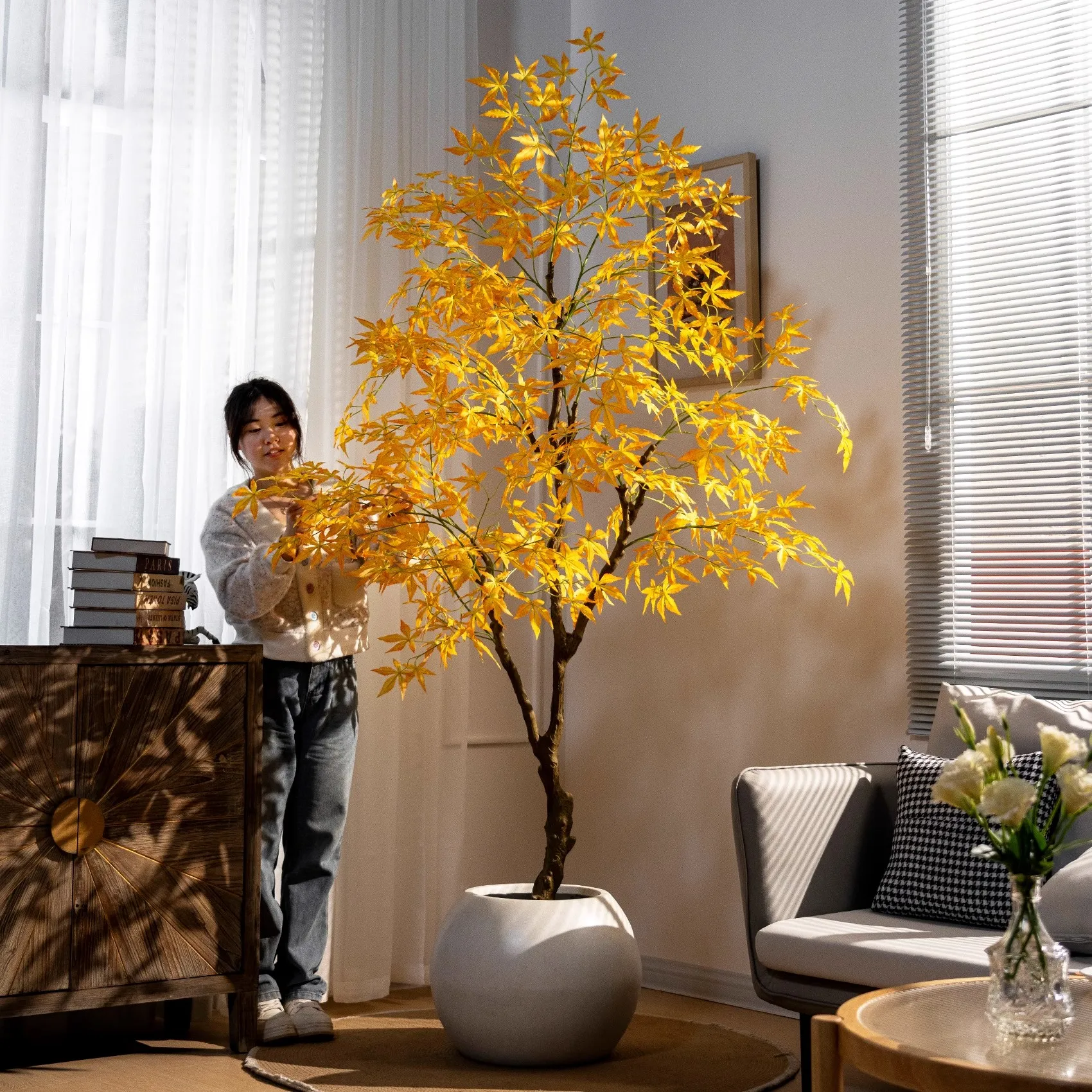
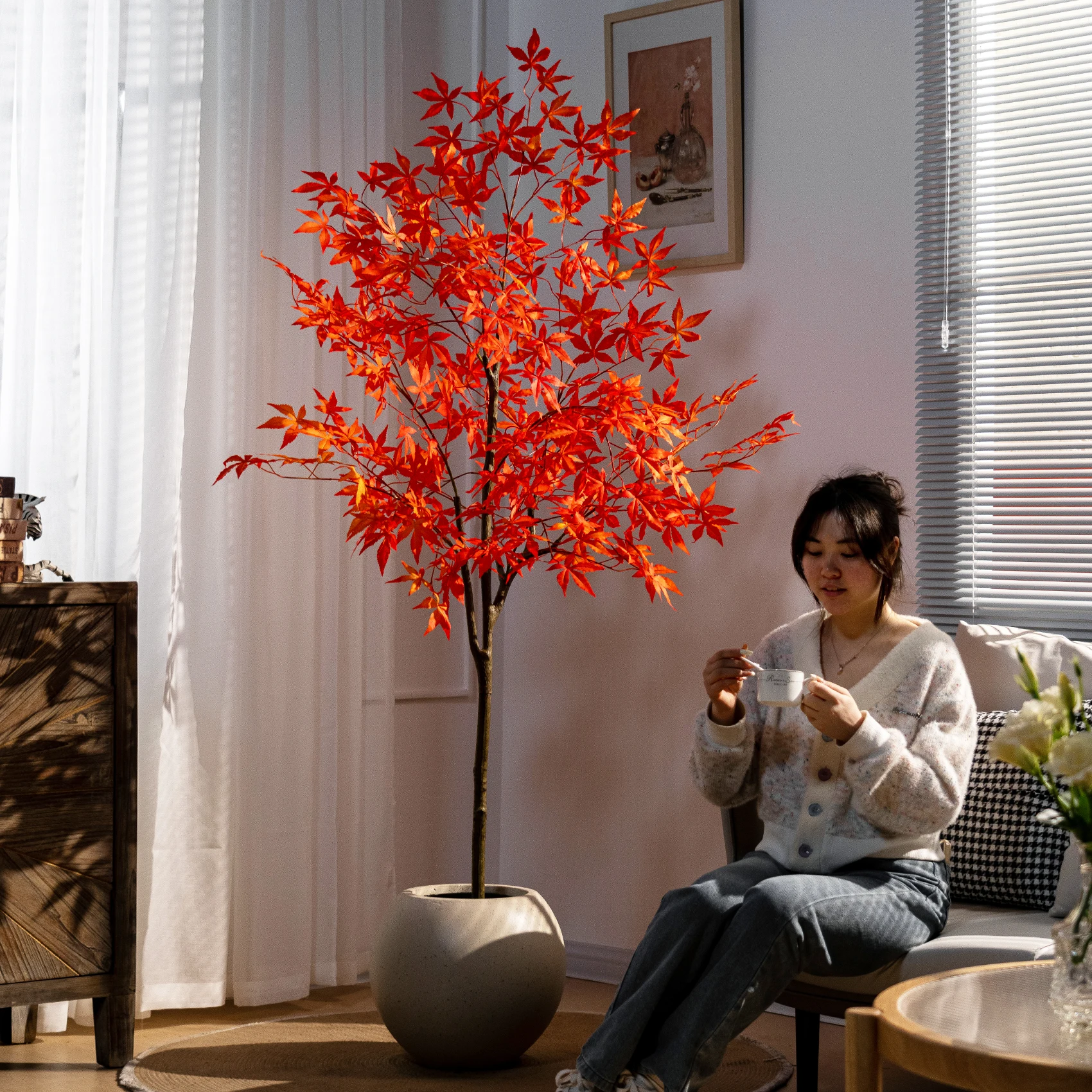
The zero maintenance characteristics of large fake trees outdoor represent exceptional long-term investment value that delivers continuous returns through eliminated ongoing costs and consistent performance over extended periods. Traditional landscaping requires substantial annual investments in irrigation systems, fertilizers, pest control treatments, pruning services, and replacement plantings that accumulate into significant financial burdens over time. Artificial installations eliminate these recurring expenses entirely, allowing property owners to redirect maintenance budgets toward other improvement projects or operational needs. Water conservation benefits become increasingly important in drought-prone regions where irrigation restrictions or rising utility costs make natural landscaping economically unsustainable. Large fake trees outdoor require no irrigation infrastructure, eliminating the costs of sprinkler system installation, water usage, and ongoing repairs that affect traditional landscapes. Labor cost elimination extends beyond basic maintenance to include specialized tree care services, seasonal cleanup activities, and emergency storm damage repairs that can create unexpected budget impacts. The consistent appearance throughout all seasons provides reliable aesthetic value without the dormant periods, leaf drop, or storm damage that affect property values and customer perceptions with natural alternatives. Insurance benefits may include reduced liability concerns related to falling branches, root damage to foundations or walkways, and pest-related issues that can create safety hazards or property damage claims. Longevity engineering ensures that quality large fake trees outdoor maintain structural integrity and visual appeal for decades with minimal intervention, providing superior return on investment compared to natural trees that face disease, pest, and weather-related mortality risks. Environmental compliance becomes simplified, as artificial installations eliminate concerns about chemical runoff, soil contamination, or protected species habitat disruption that can create regulatory complications with traditional landscaping. Energy efficiency improvements result from strategic placement of artificial shade structures that reduce building cooling costs without the unpredictable growth patterns or seasonal variations that affect natural tree performance. The investment value extends to property resale considerations, as well-maintained artificial landscapes provide consistent curb appeal and eliminate concerns about established tree removal or replacement costs that might deter potential buyers.

 EN
EN