nearly natural faux plants
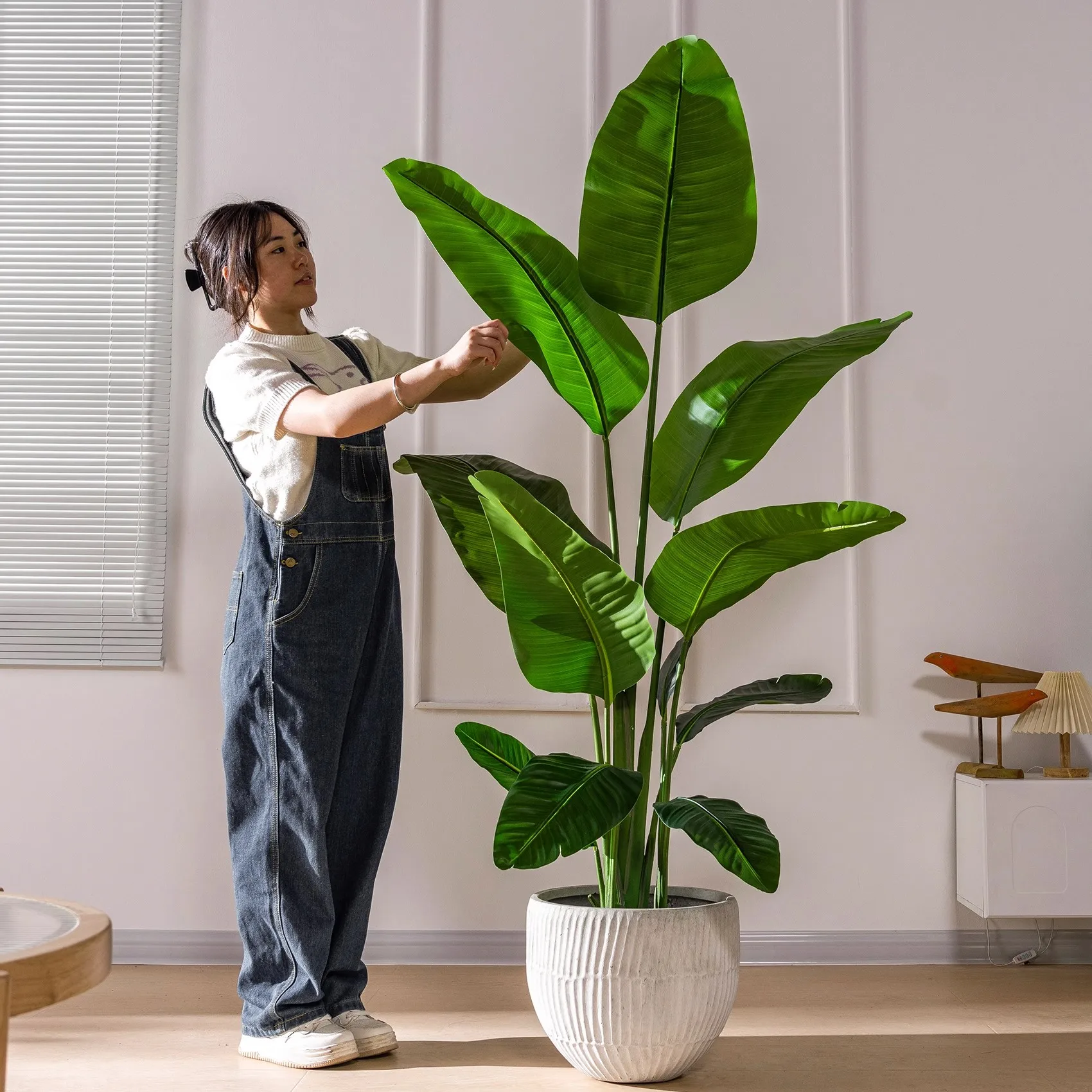
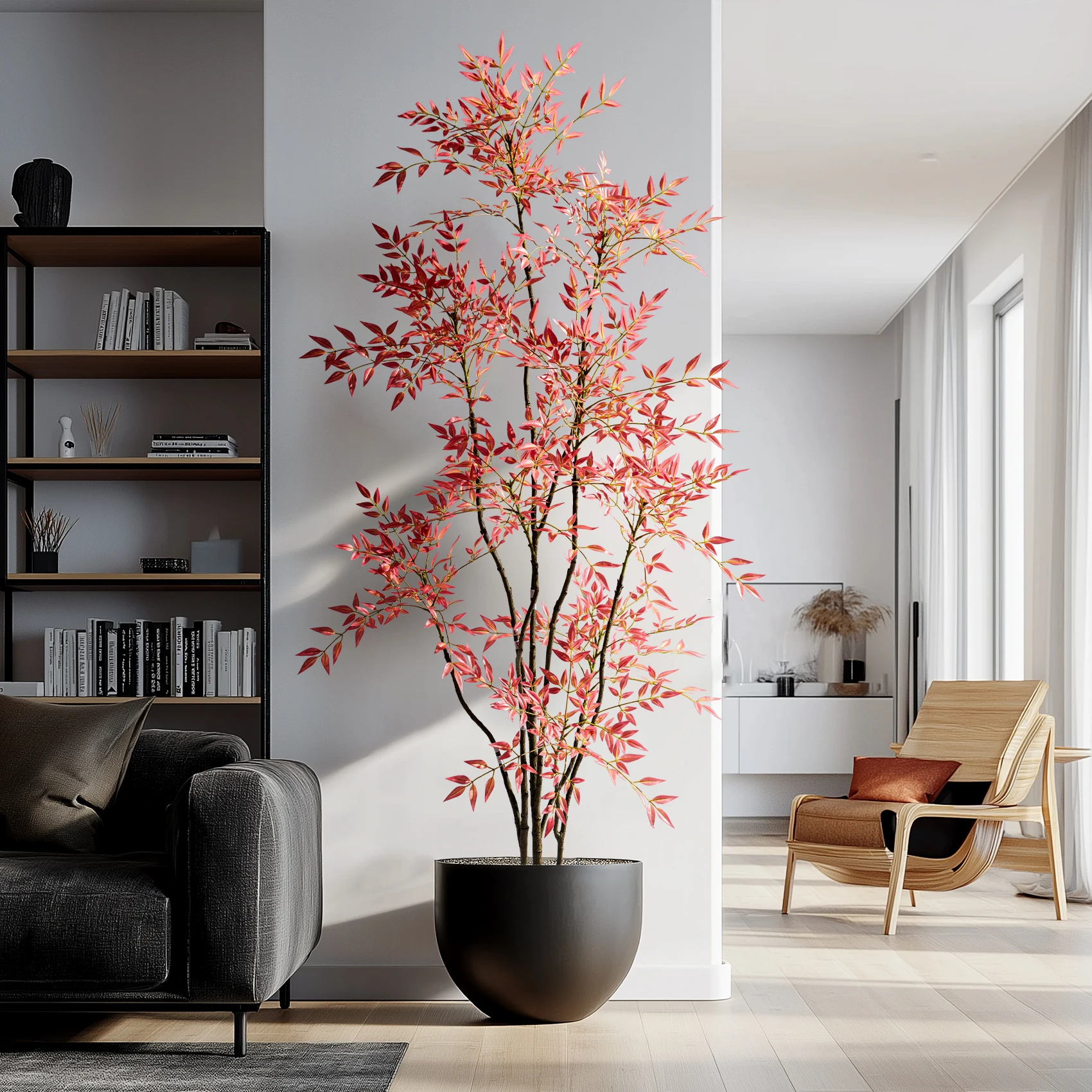
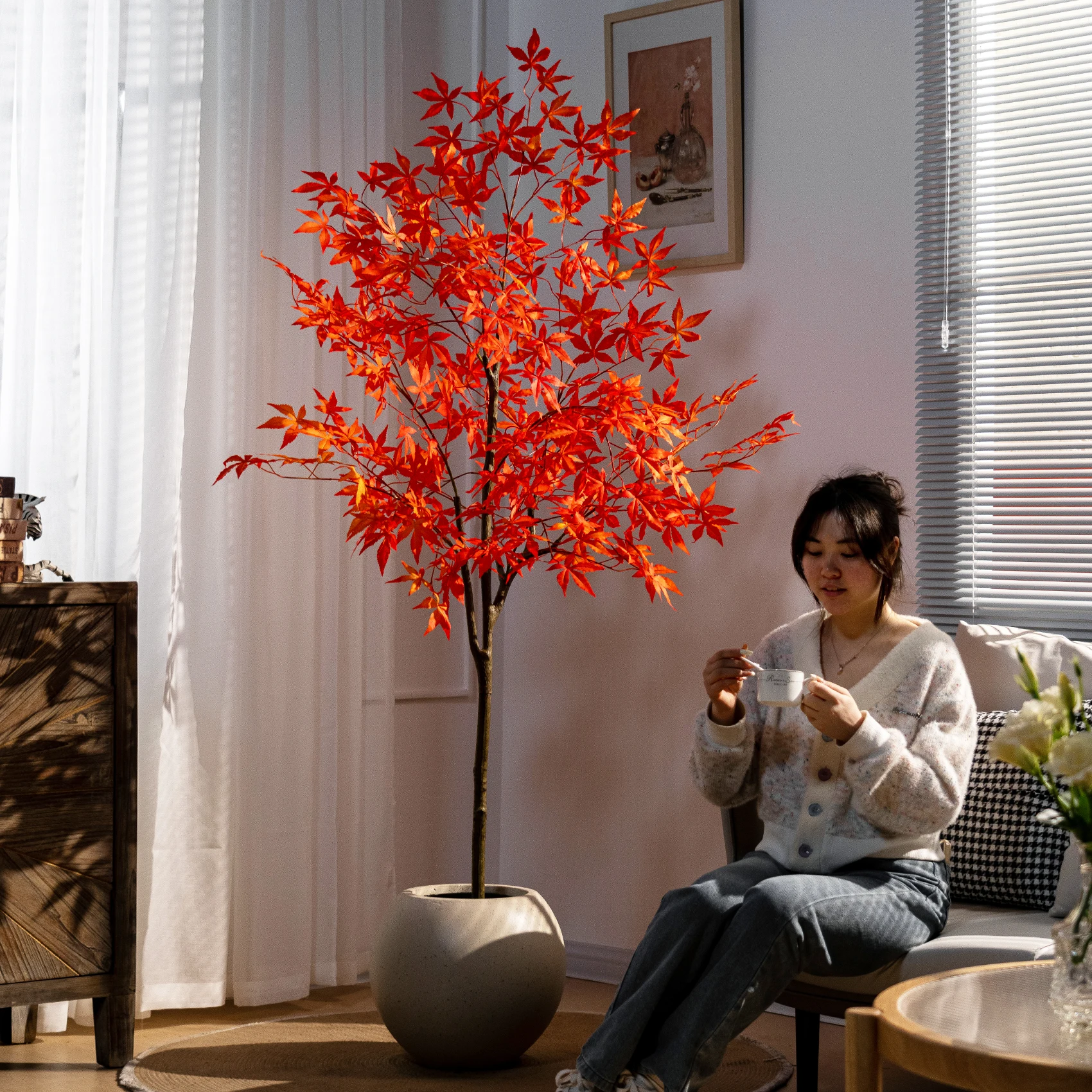
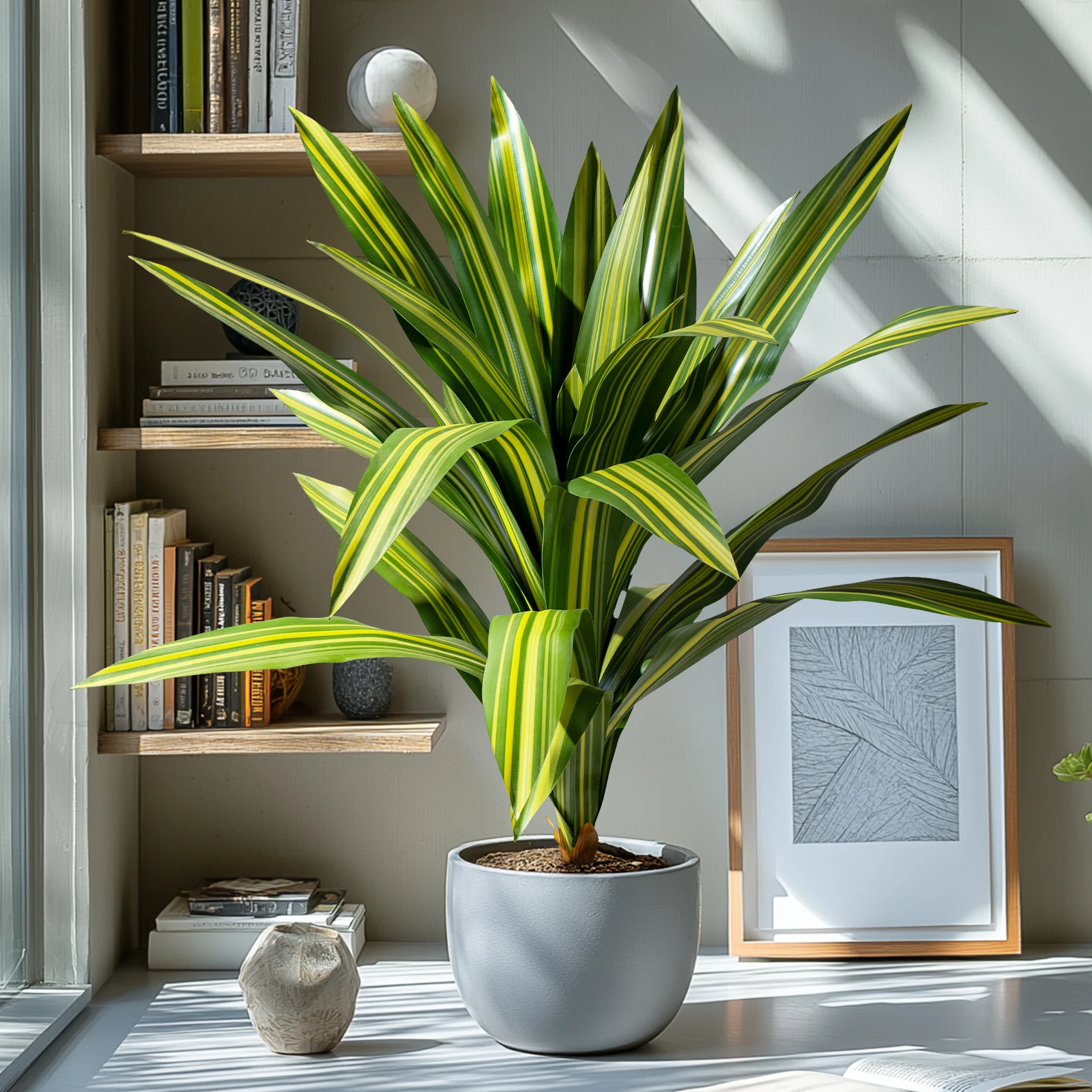
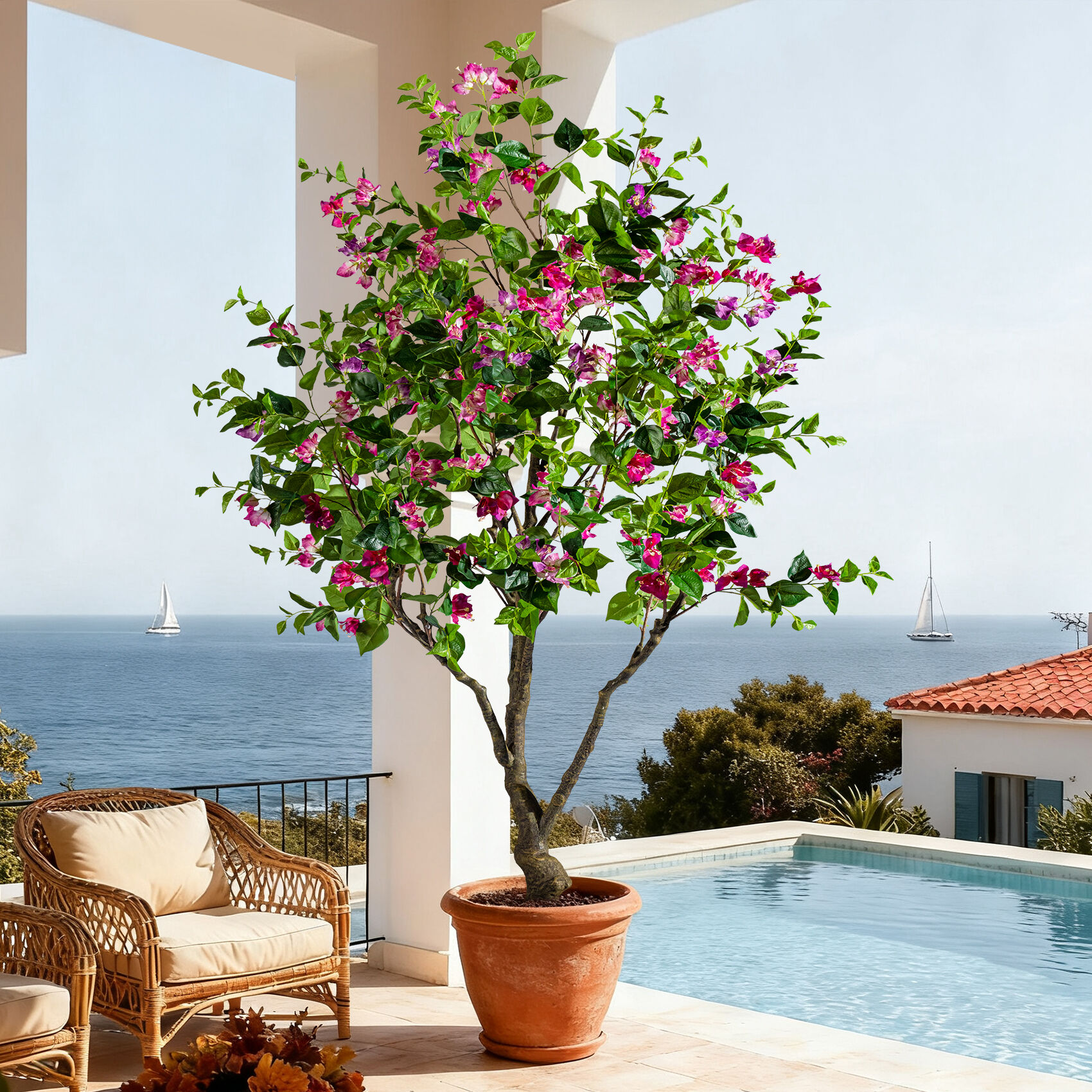
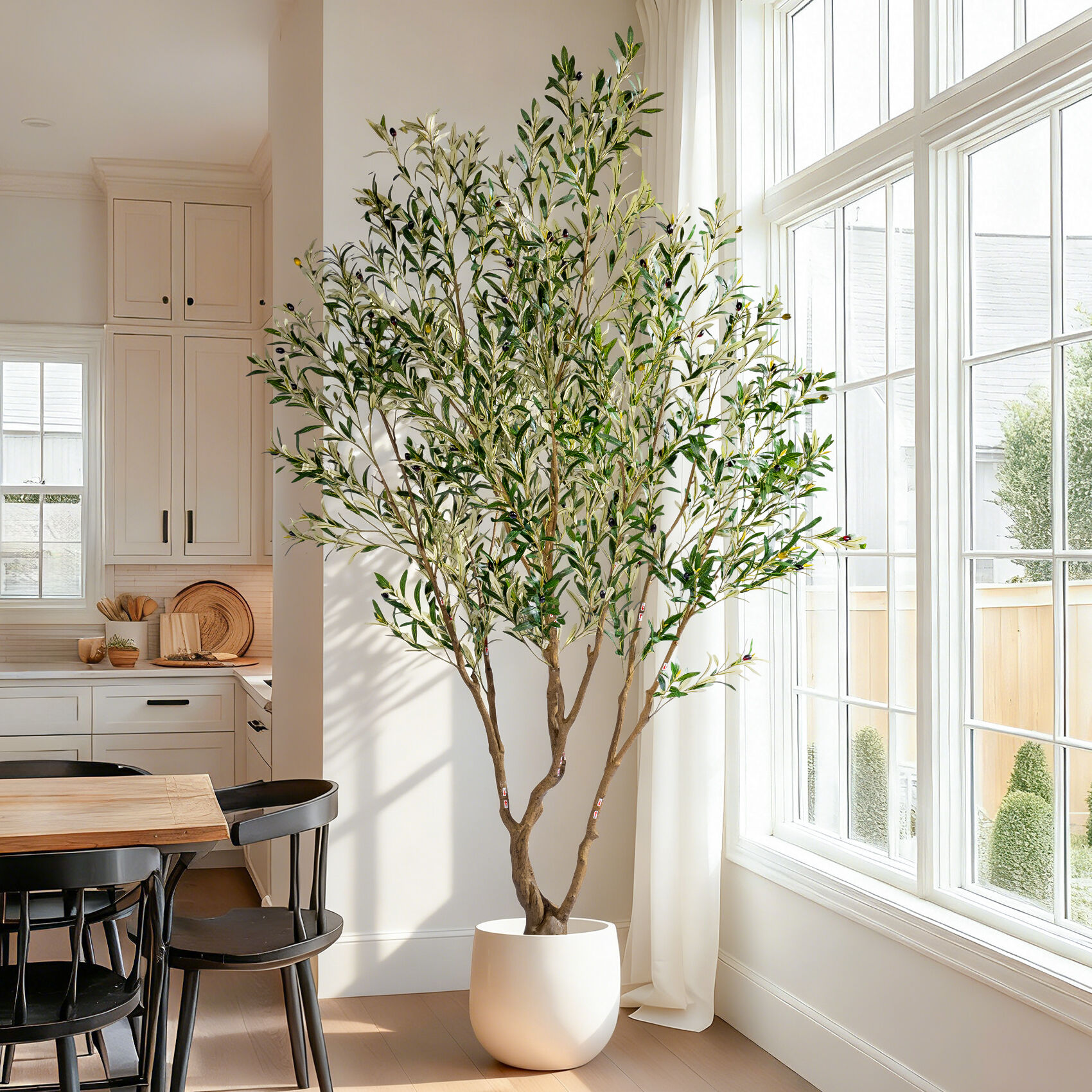
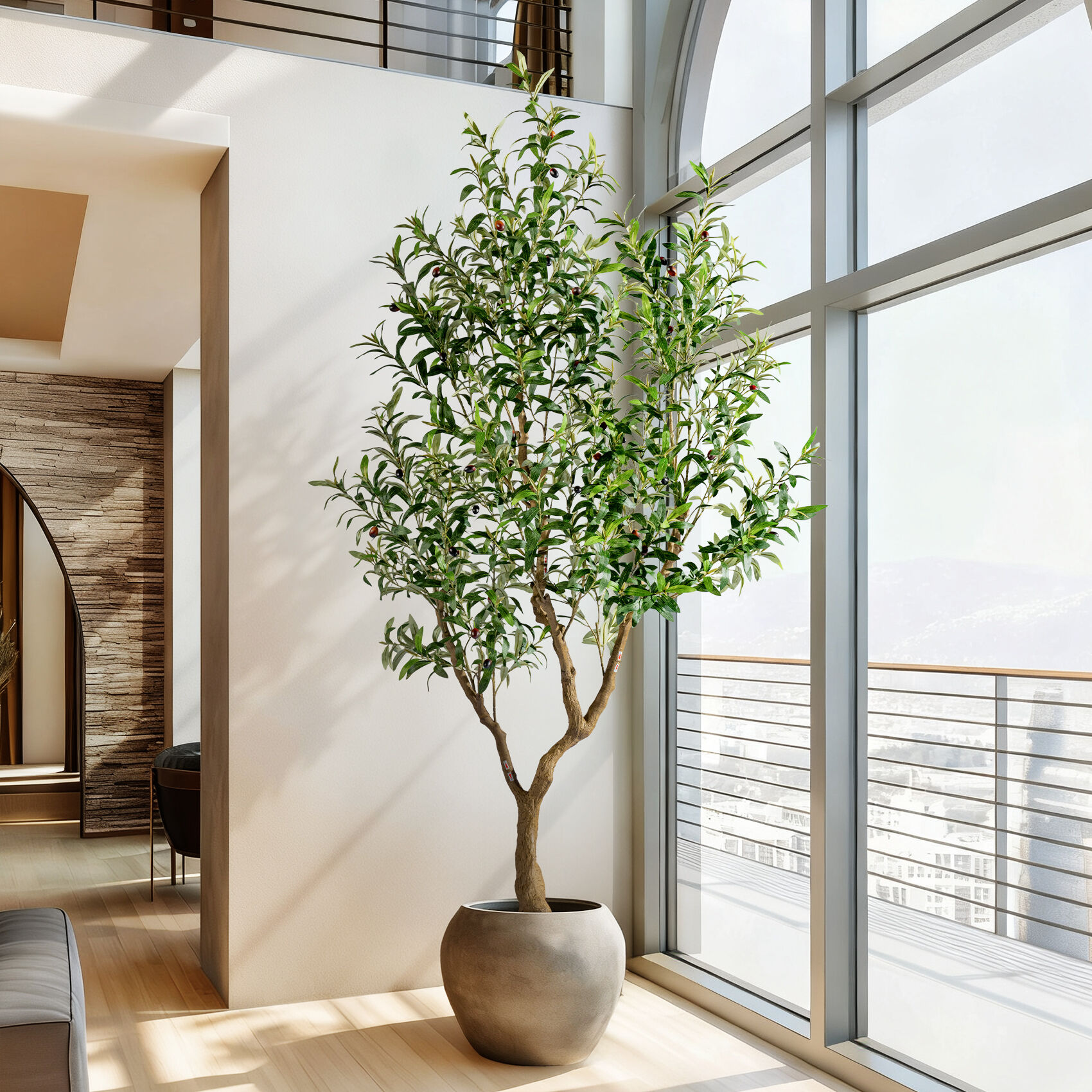
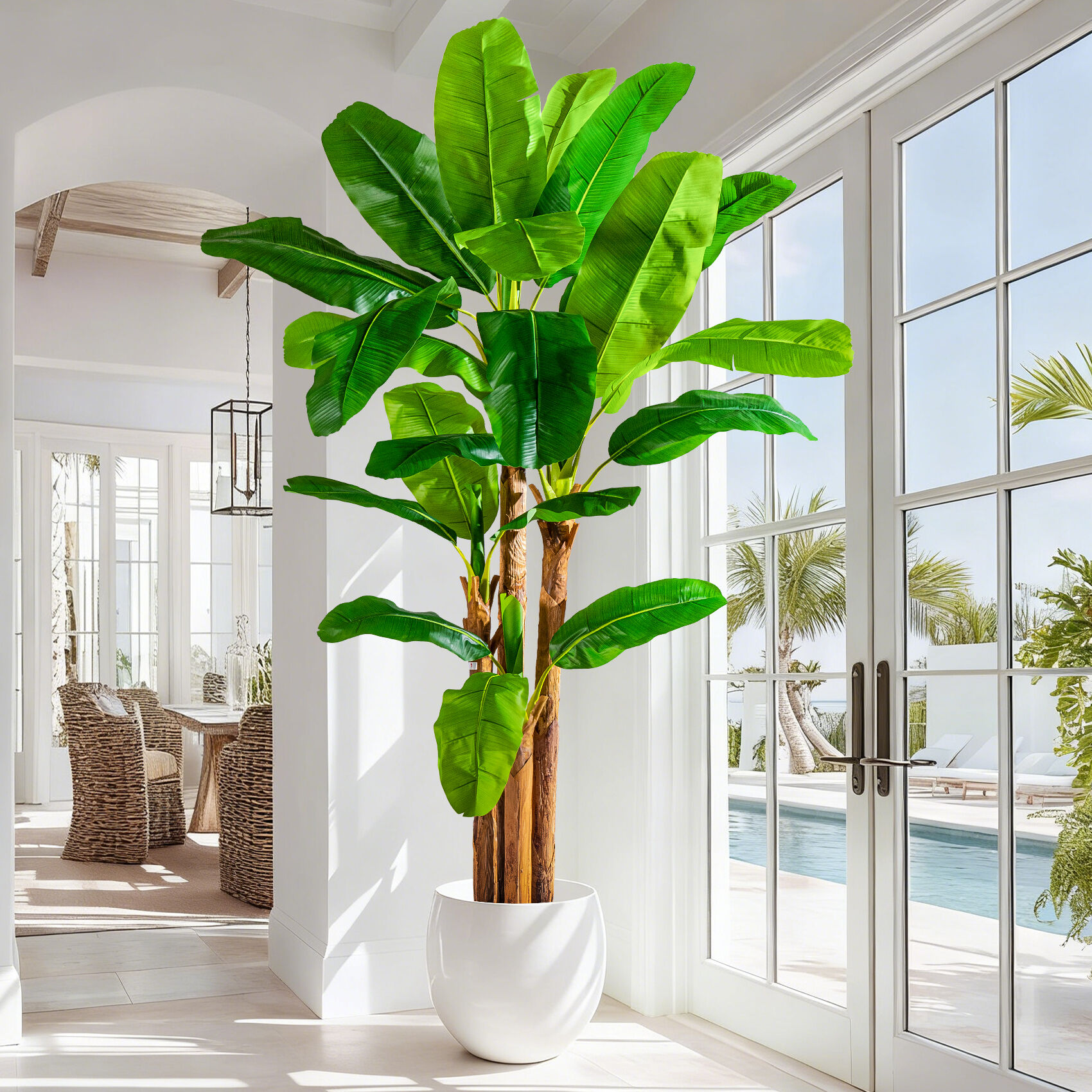
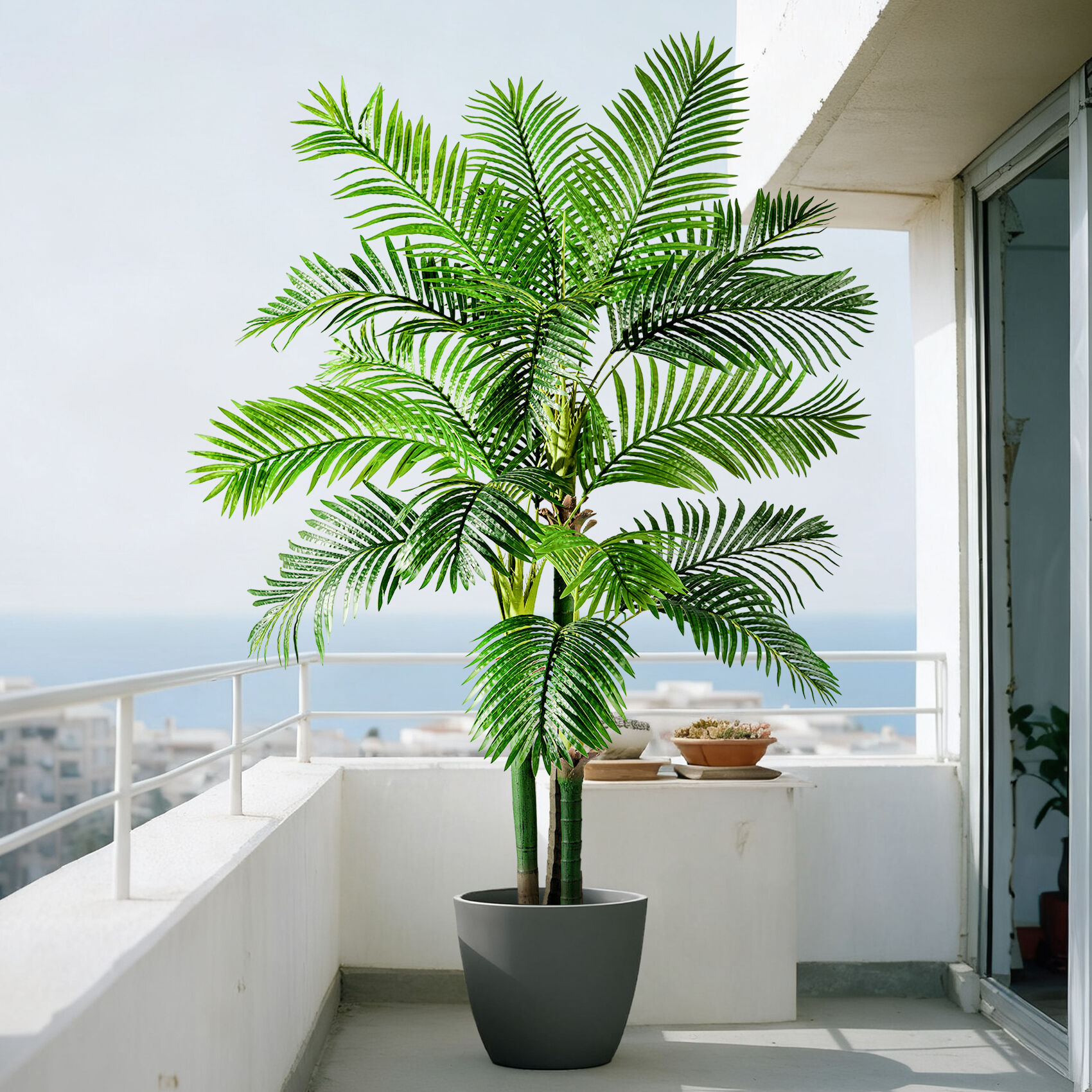
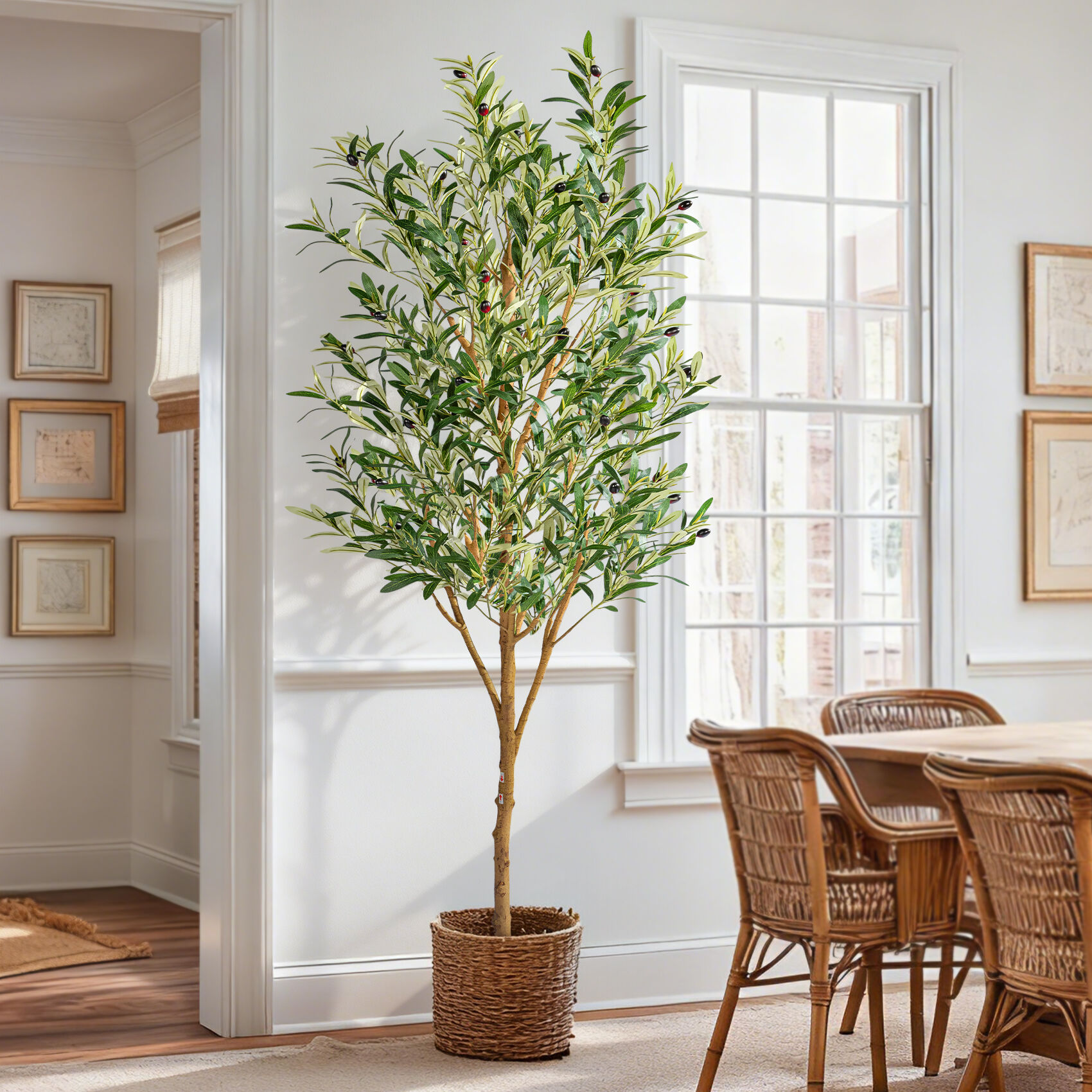
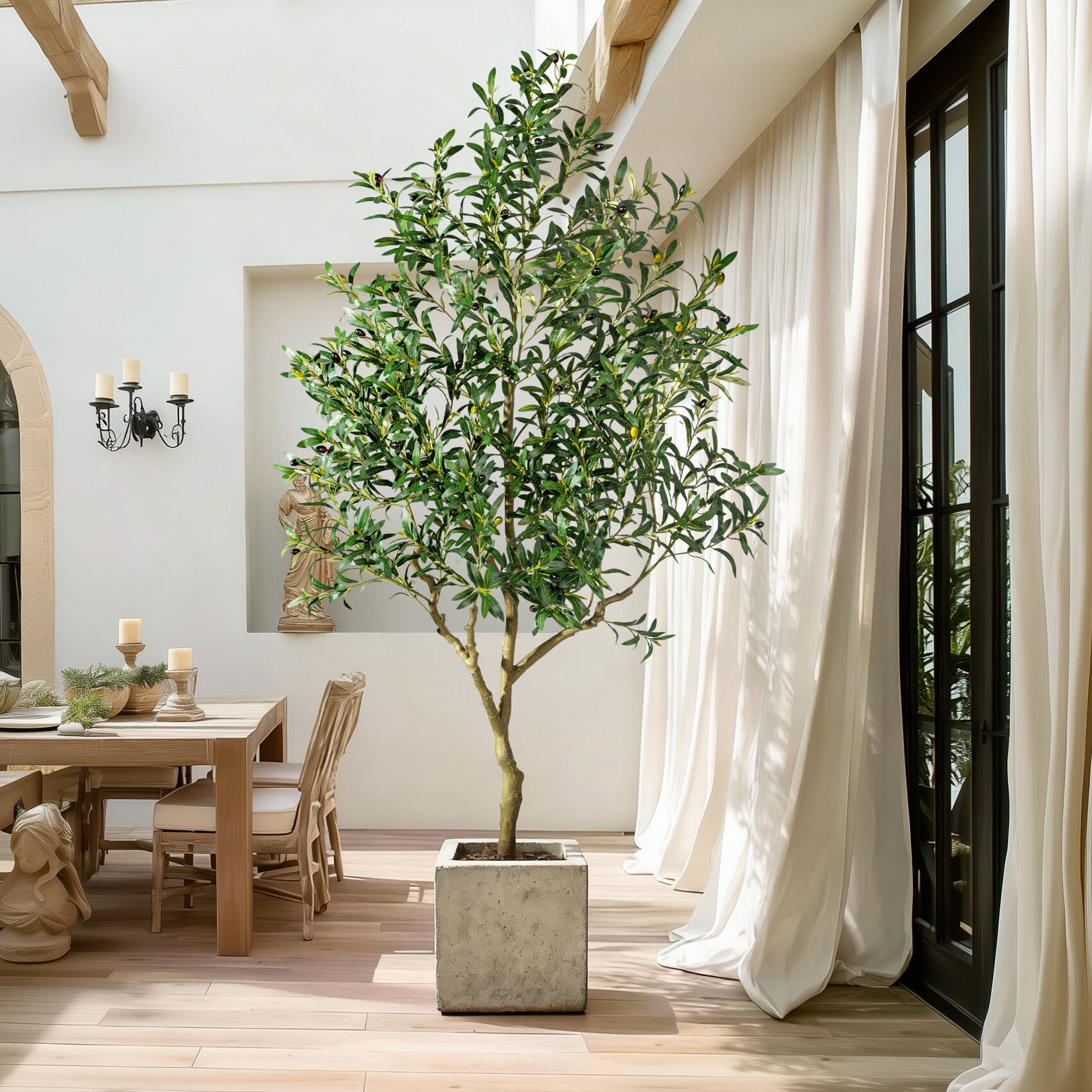
Nearly natural faux plants represent a revolutionary advancement in artificial botanical design, combining cutting-edge manufacturing techniques with meticulous attention to detail to create stunning plant replicas that are virtually indistinguishable from their living counterparts. These sophisticated artificial plants utilize premium materials including high-grade silk, advanced polymer compounds, and specially treated fabrics to achieve remarkable realism in texture, color, and form. The technological features of nearly natural faux plants include UV-resistant coating systems that prevent color fading, flame-retardant treatments for enhanced safety, and innovative molding processes that capture intricate leaf veining and natural imperfections. Manufacturing processes employ detailed botanical studies to ensure accurate reproduction of specific plant species, incorporating natural color variations, realistic stem flexibility, and authentic growth patterns. The applications for nearly natural faux plants span numerous environments and industries, making them ideal solutions for residential homes, commercial office spaces, retail establishments, hospitality venues, healthcare facilities, and educational institutions. Interior designers frequently specify these products for projects where maintenance-free greenery is essential, while homeowners appreciate their ability to bring natural beauty to challenging locations with poor lighting or limited access. Nearly natural faux plants excel in areas where traditional plants struggle, including basements, windowless offices, air-conditioned environments, and spaces requiring consistent appearance regardless of seasonal changes. The durability and longevity of these artificial botanicals make them cost-effective alternatives to live plants, eliminating ongoing expenses related to watering, fertilizing, pruning, and replacement due to plant mortality. Professional landscapers and property managers increasingly rely on nearly natural faux plants to maintain consistent aesthetic appeal in high-traffic areas where live plants would suffer damage or require frequent replacement, demonstrating their practical value across diverse applications.

 EN
EN