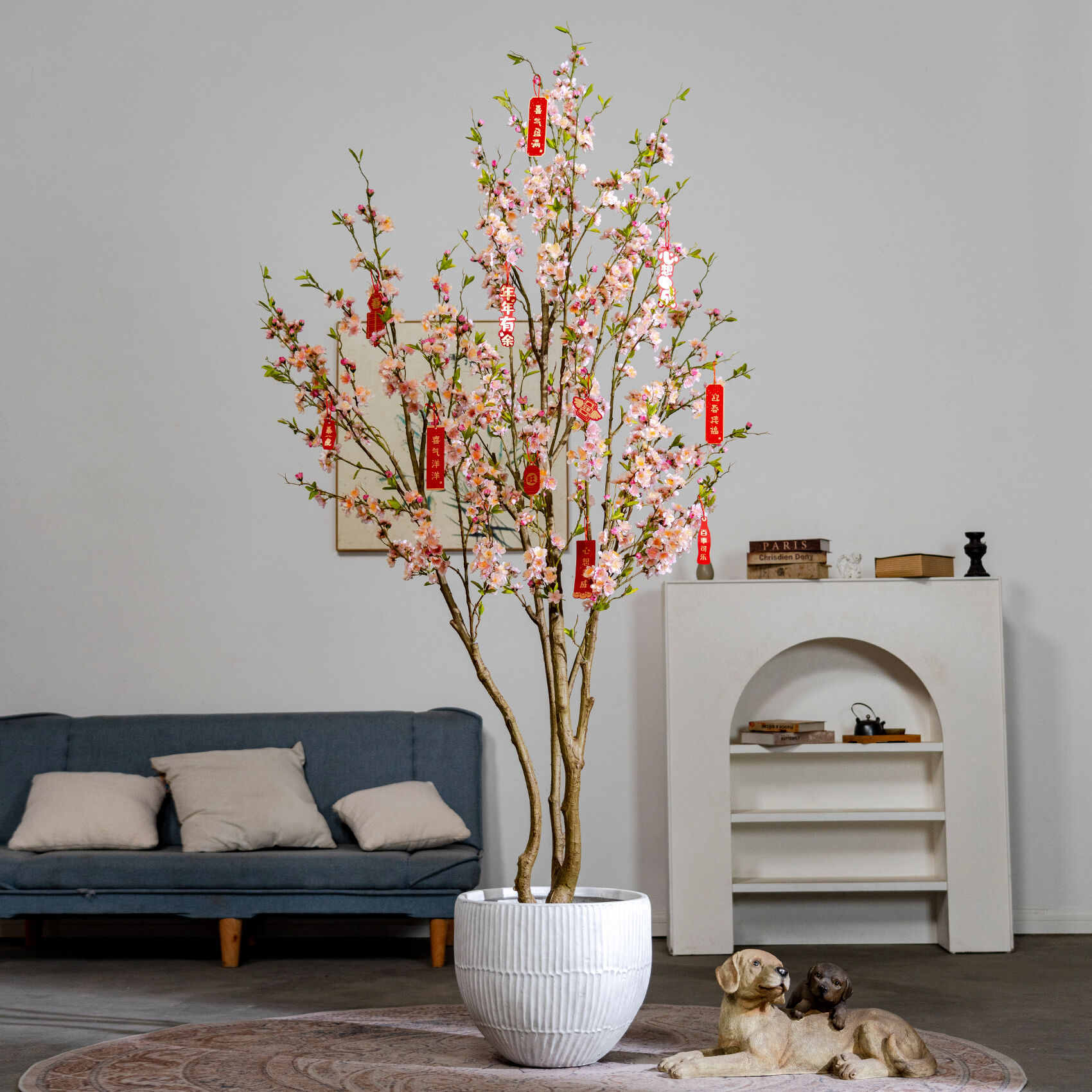
Superior Cost-Effectiveness and Return on Investment
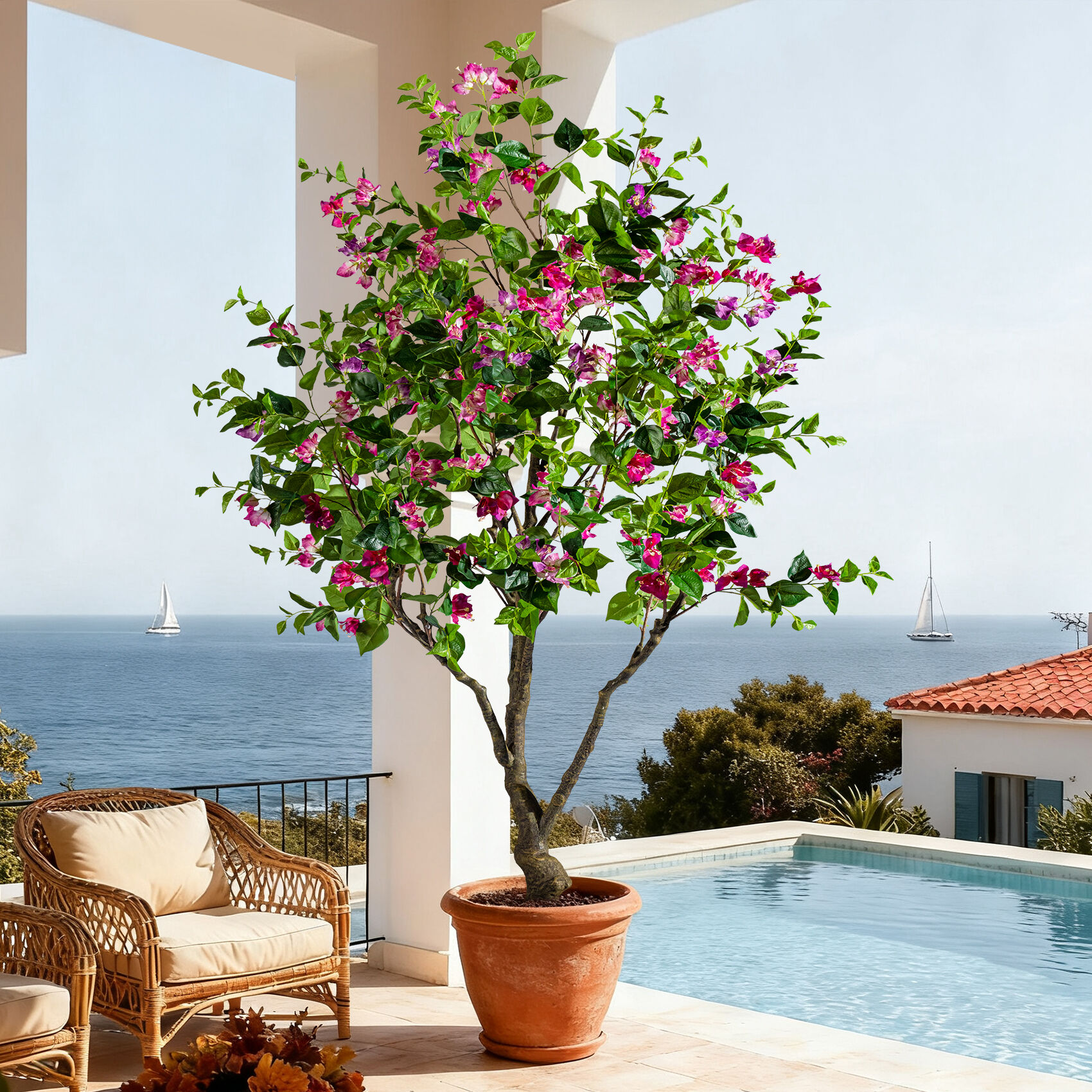
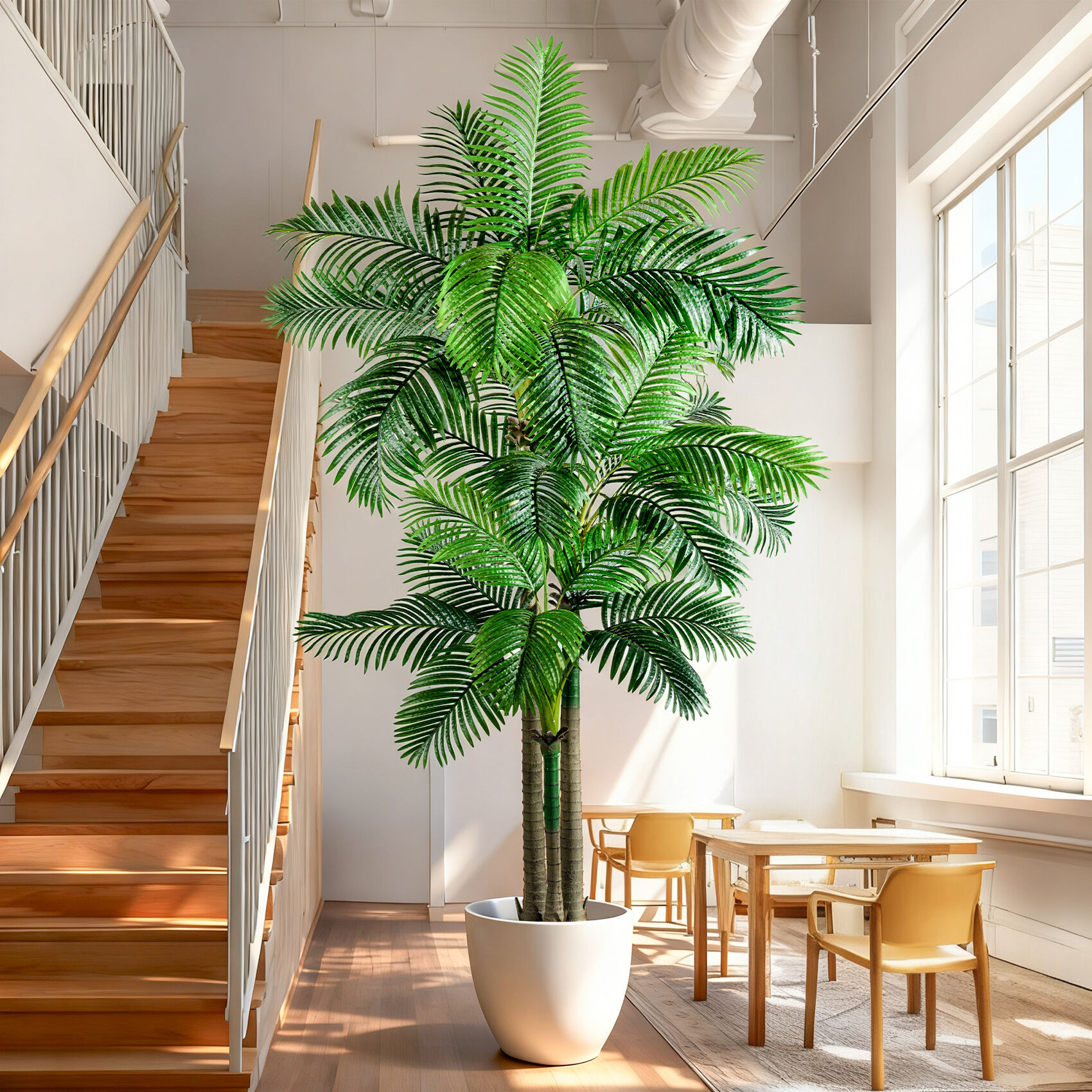
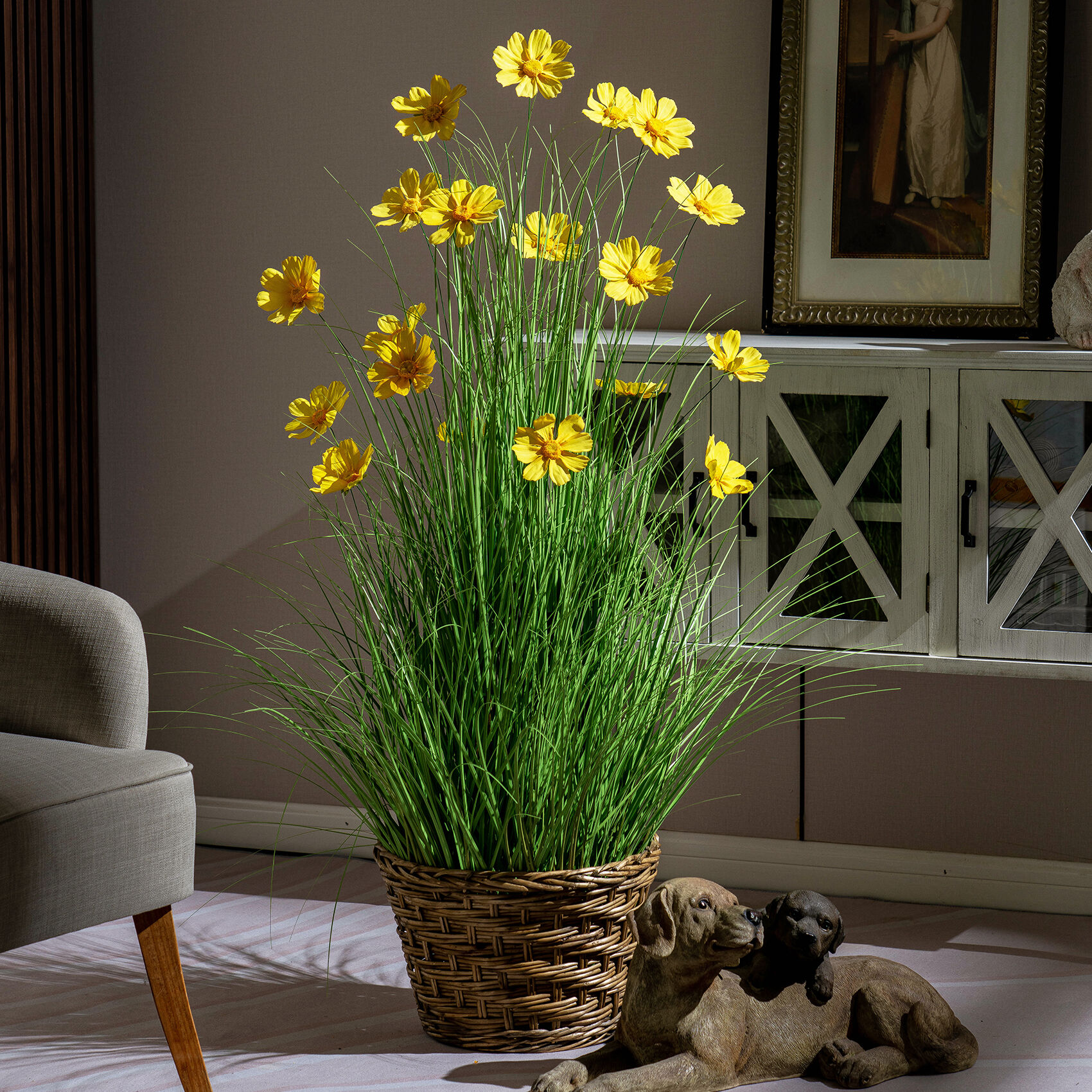
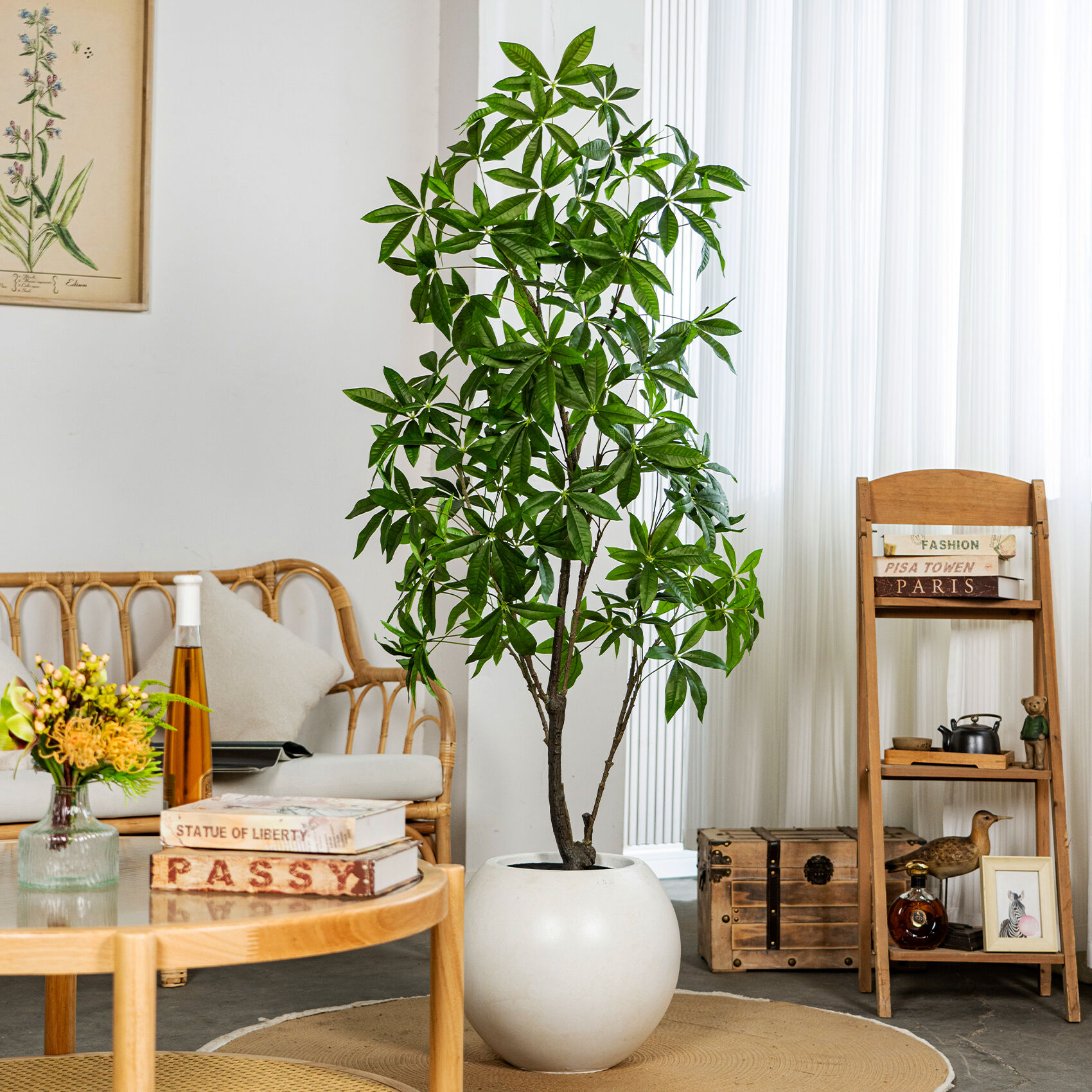
The superior cost-effectiveness of fake trees and plants becomes apparent when analyzing the total cost of ownership compared to maintaining living plants over time. While the initial purchase price of quality artificial plants may exceed that of their living counterparts, the absence of ongoing maintenance expenses creates substantial long-term savings that make fake trees and plants an intelligent financial investment. Living plants require continuous expenditures including regular watering, specialized fertilizers, pest control treatments, periodic repotting, and eventual replacement when they decline or die. Professional plant maintenance services, commonly used by businesses to ensure attractive appearance, can cost hundreds or thousands of dollars annually depending on the size and complexity of the installation. Fake trees and plants eliminate these recurring expenses entirely, requiring only occasional dusting or gentle cleaning to maintain their pristine appearance. The longevity of well-made artificial plants further enhances their cost-effectiveness, as quality fake trees and plants can maintain their beauty for many years without replacement, while living plants may need replacement multiple times during the same period due to disease, neglect, or natural lifecycle completion. Energy savings represent an additional cost benefit, as fake trees and plants require no special lighting, heating, or humidity control systems that living plants often demand, particularly in commercial settings. Water conservation achieved through fake trees and plants provides ongoing utility savings while supporting environmental sustainability goals, making them attractive options for drought-prone regions or facilities seeking to reduce resource consumption. The reduced labor costs associated with fake trees and plants prove particularly significant for businesses, as staff time previously devoted to plant care can be redirected toward core business activities. Insurance benefits may also apply, as fake trees and plants eliminate risks associated with water damage from overwatering, pest infestations that could affect nearby organic materials, and slip hazards from wet floors around plant displays. The predictable, one-time cost structure of fake trees and plants enables better budget planning and eliminates the uncertainty of plant-related maintenance expenses that can fluctuate based on seasonal needs, plant health issues, and changing care requirements.

 EN
EN