artificial plant wholesalers
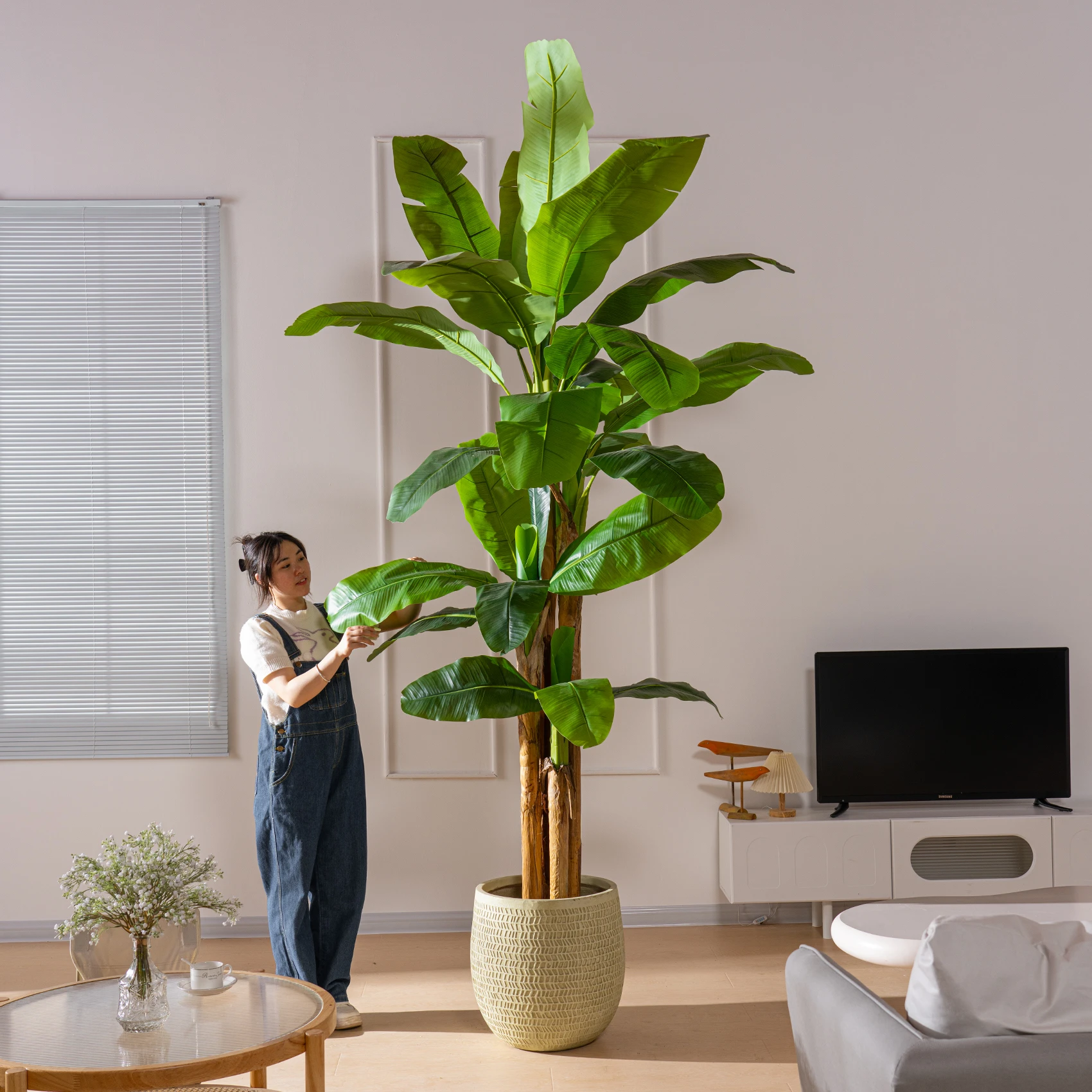
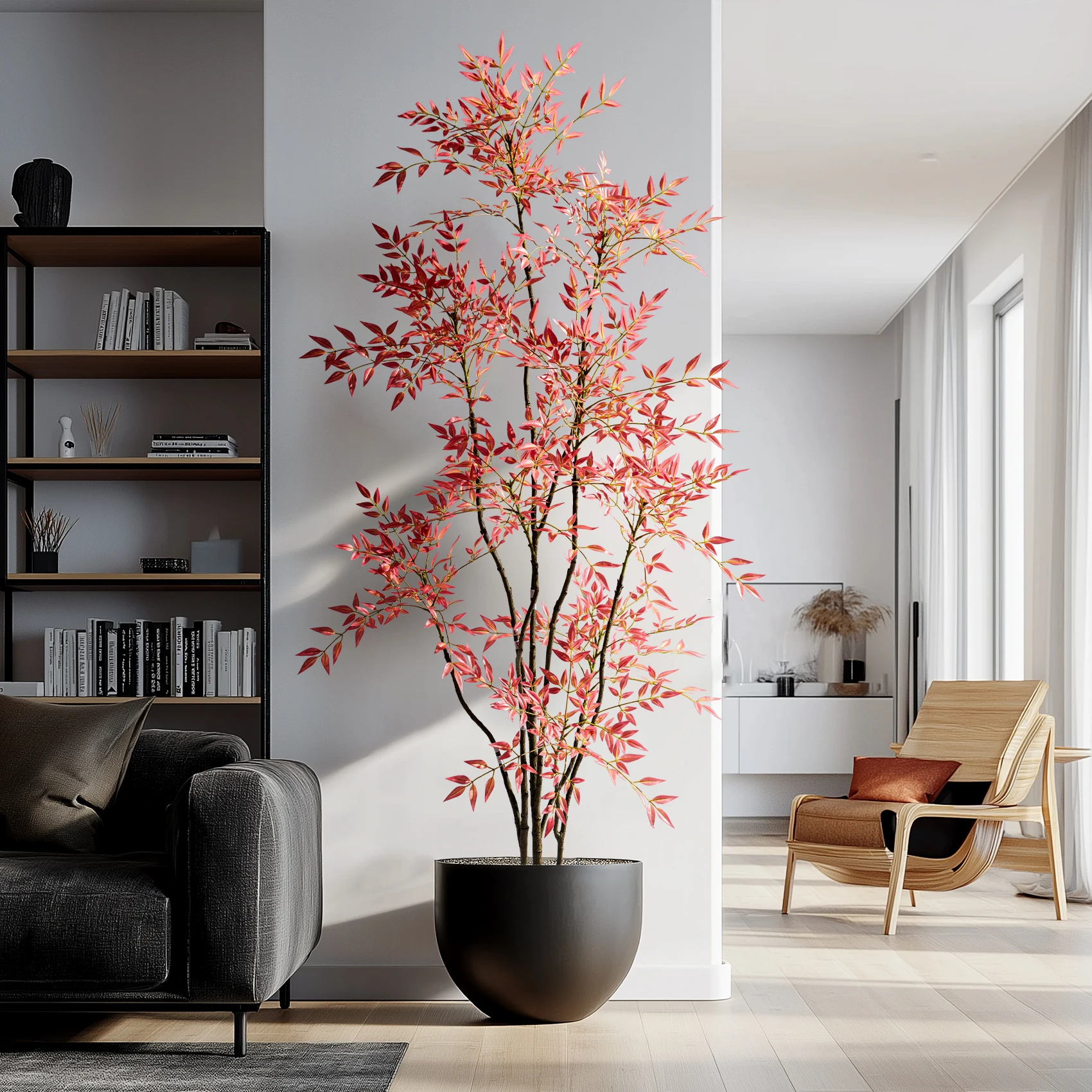
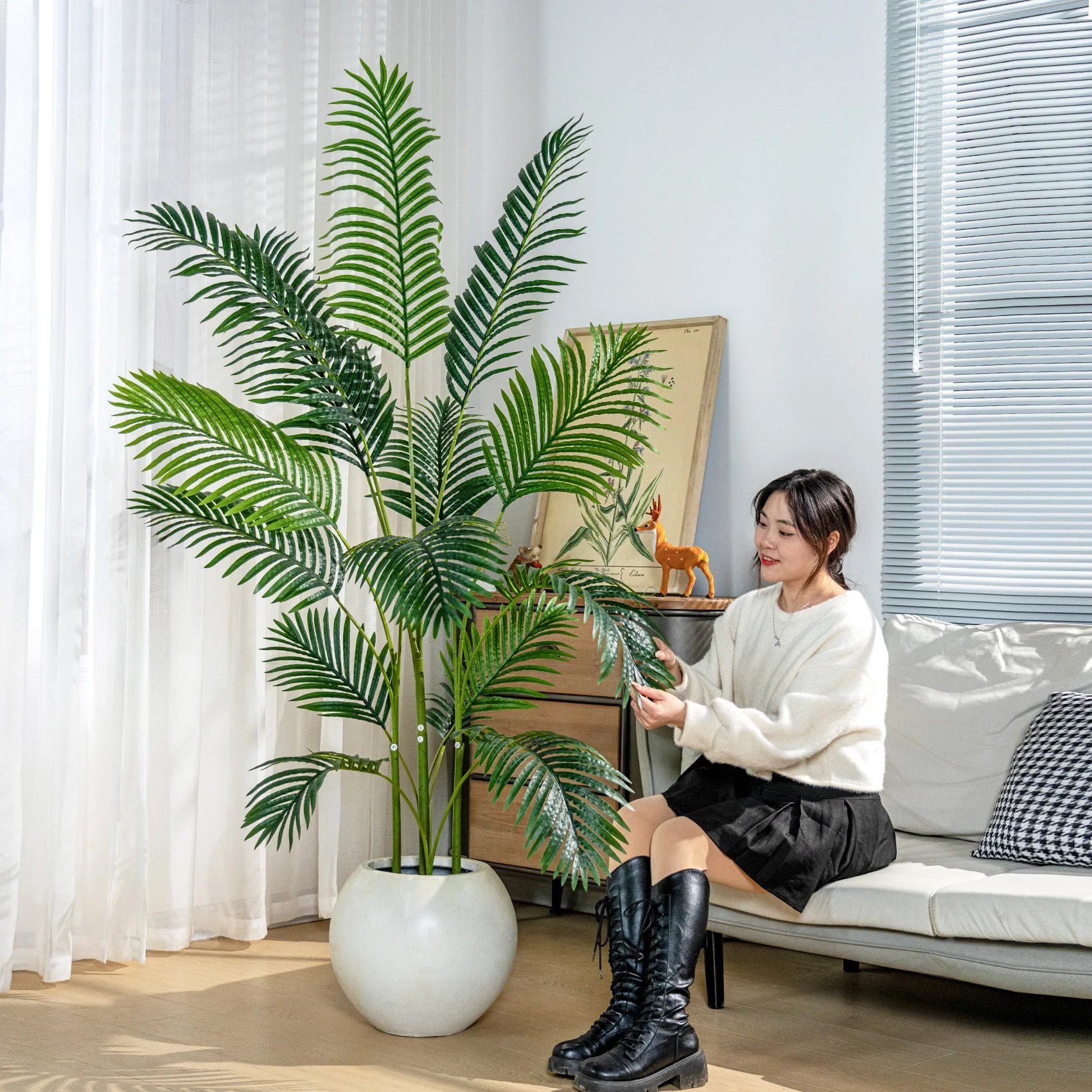
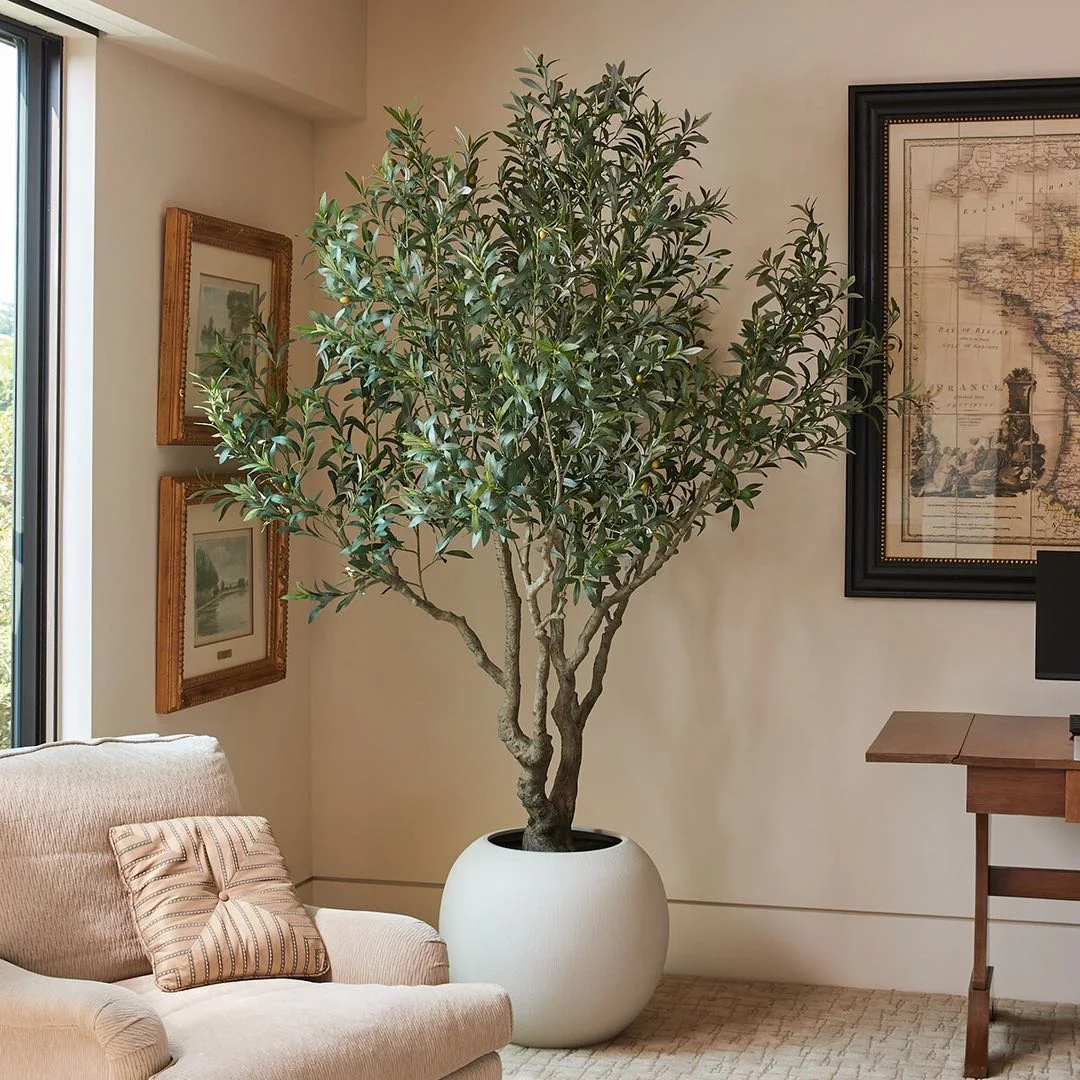
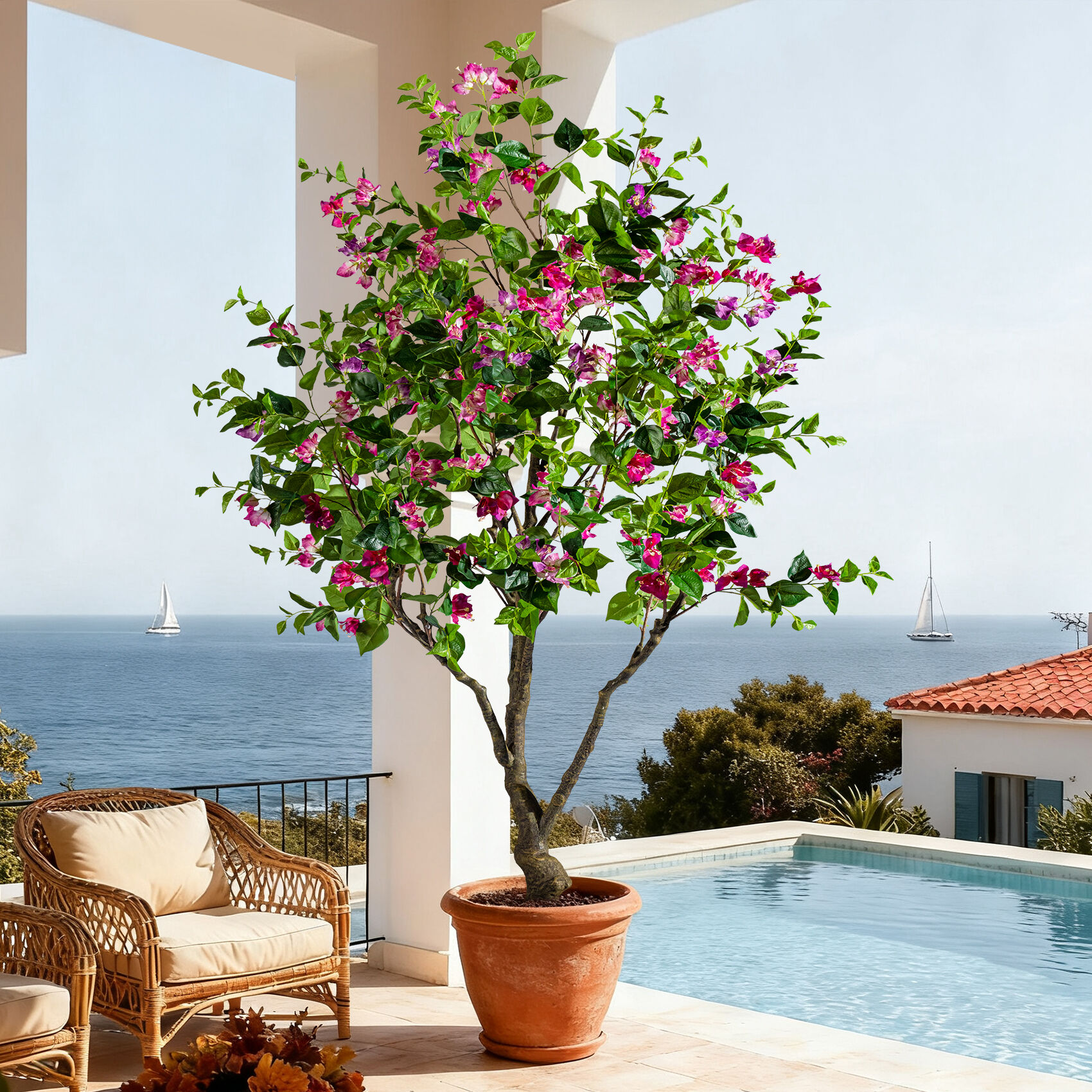
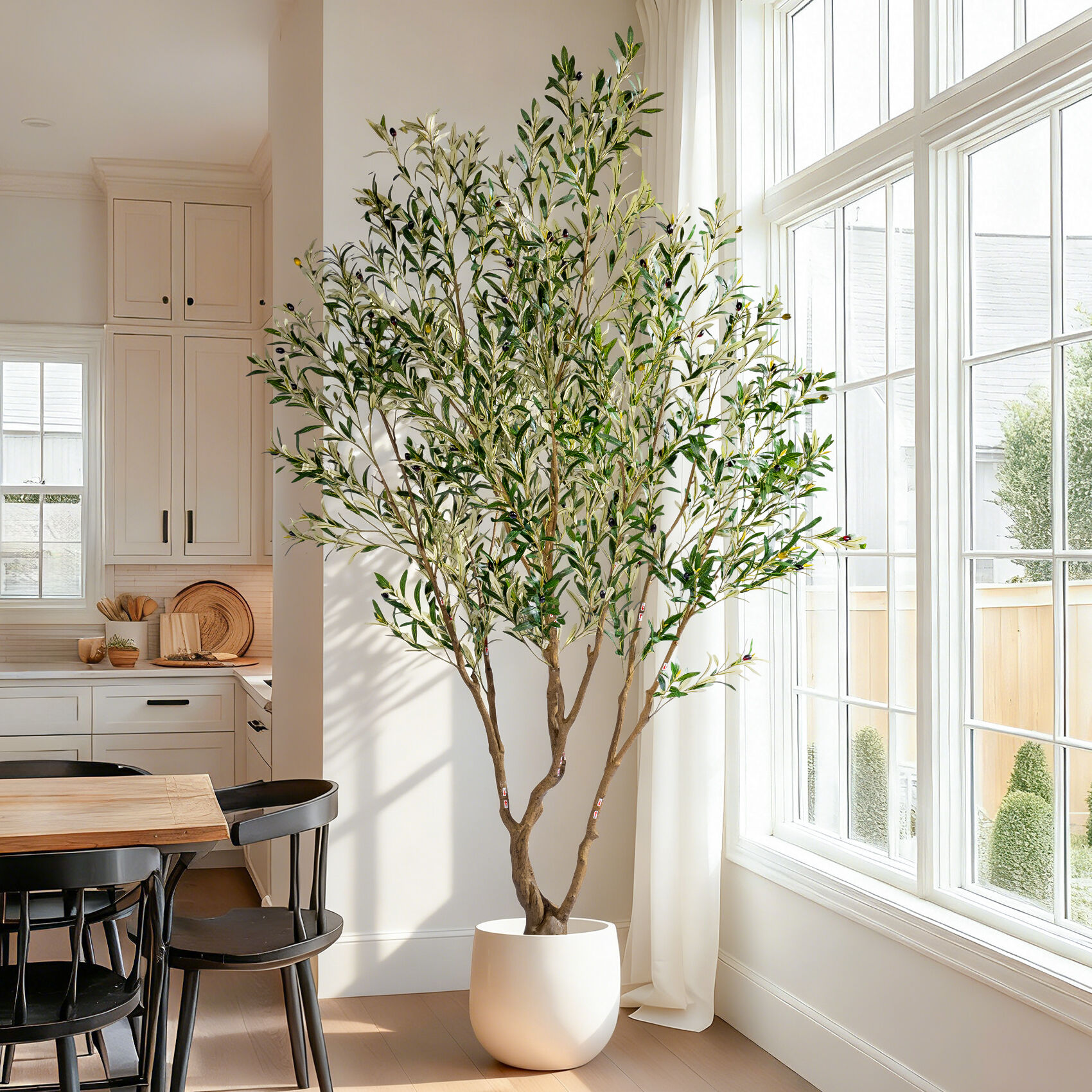
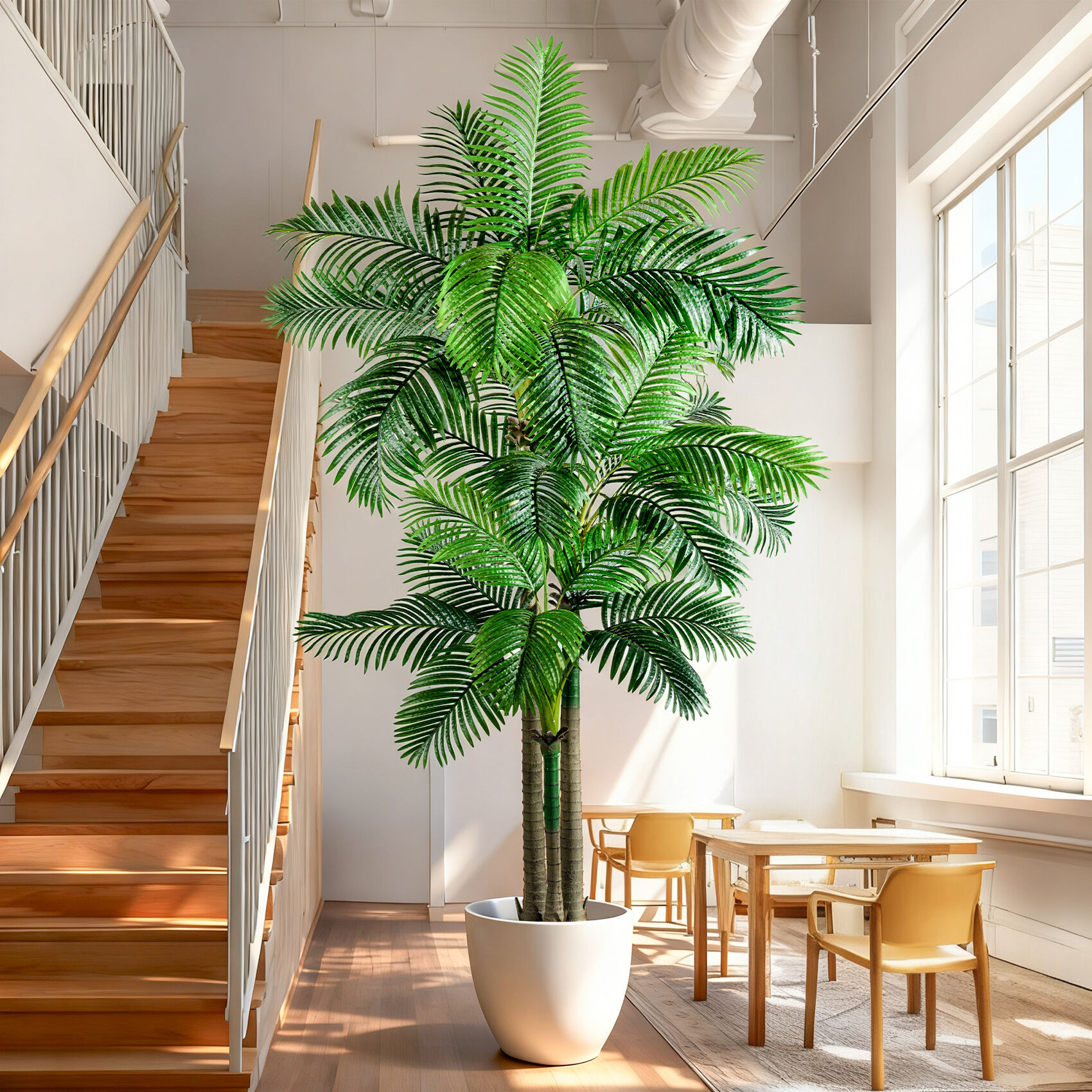
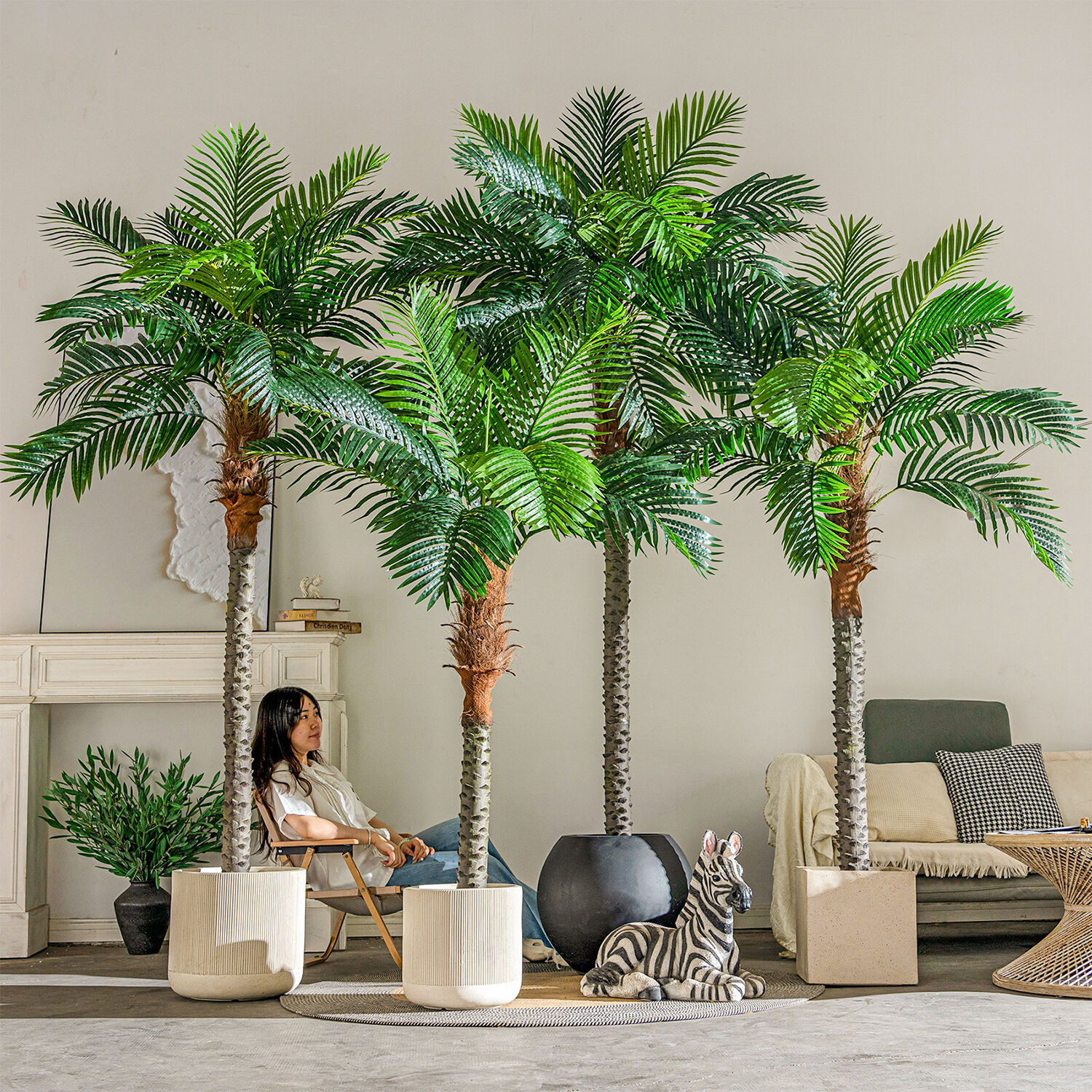
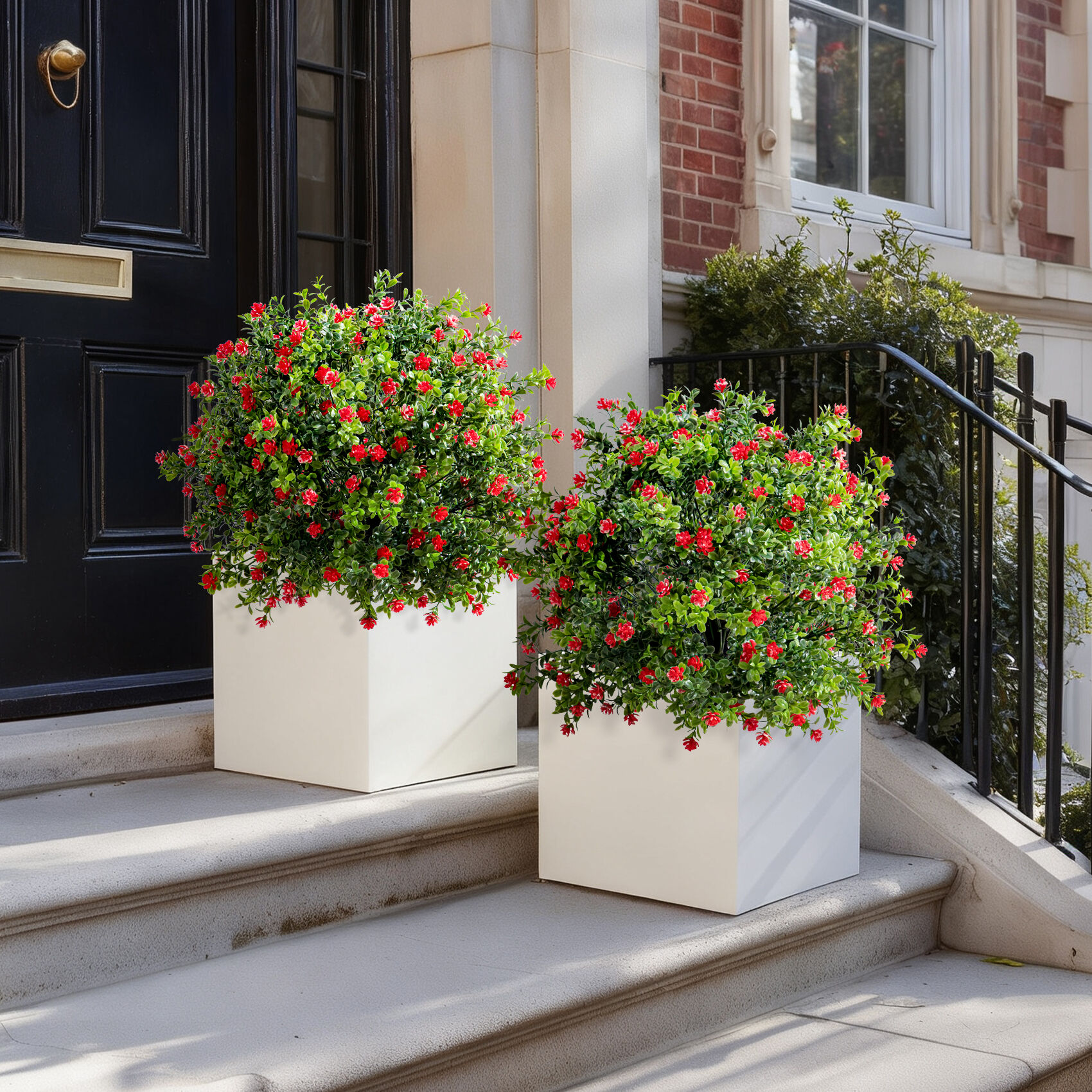
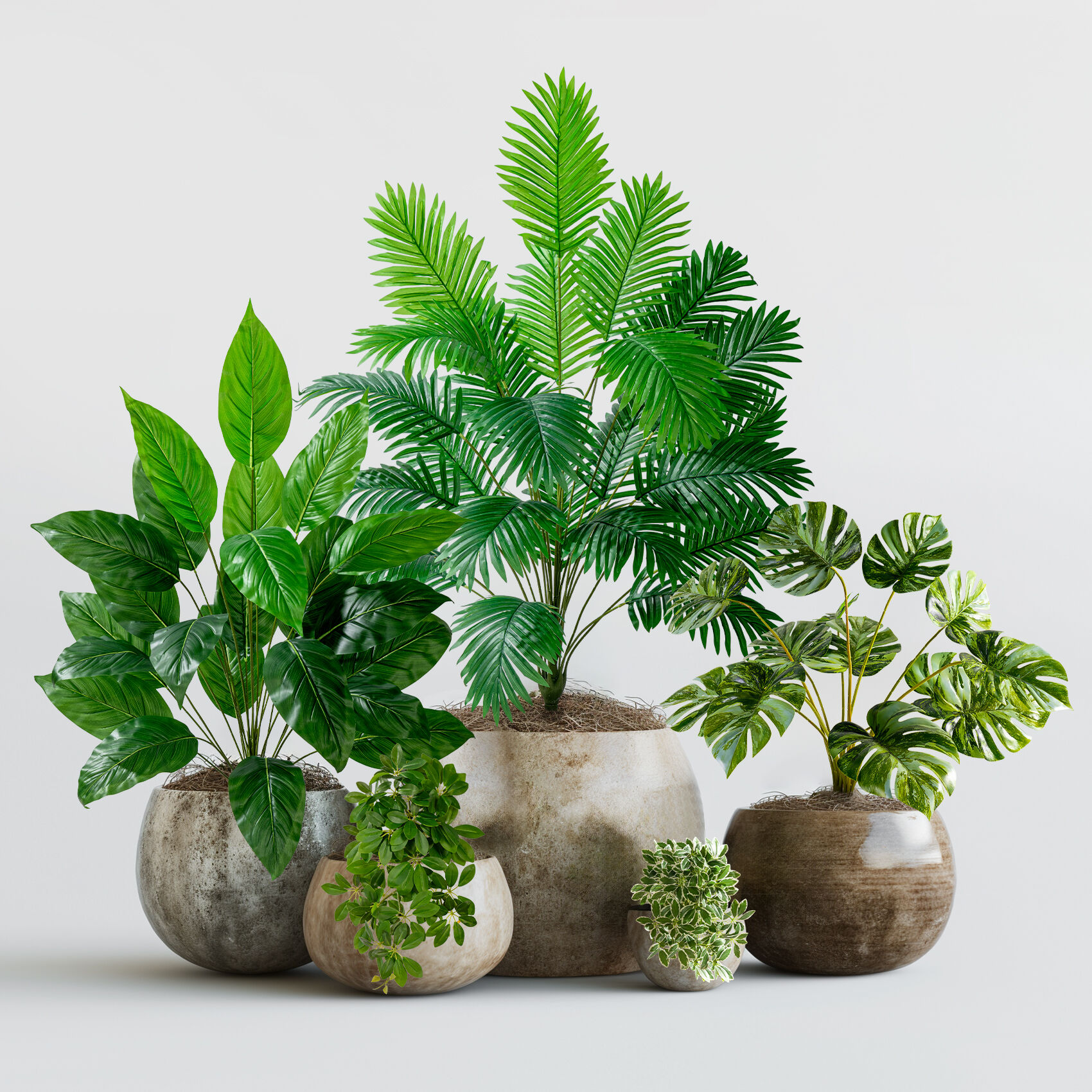
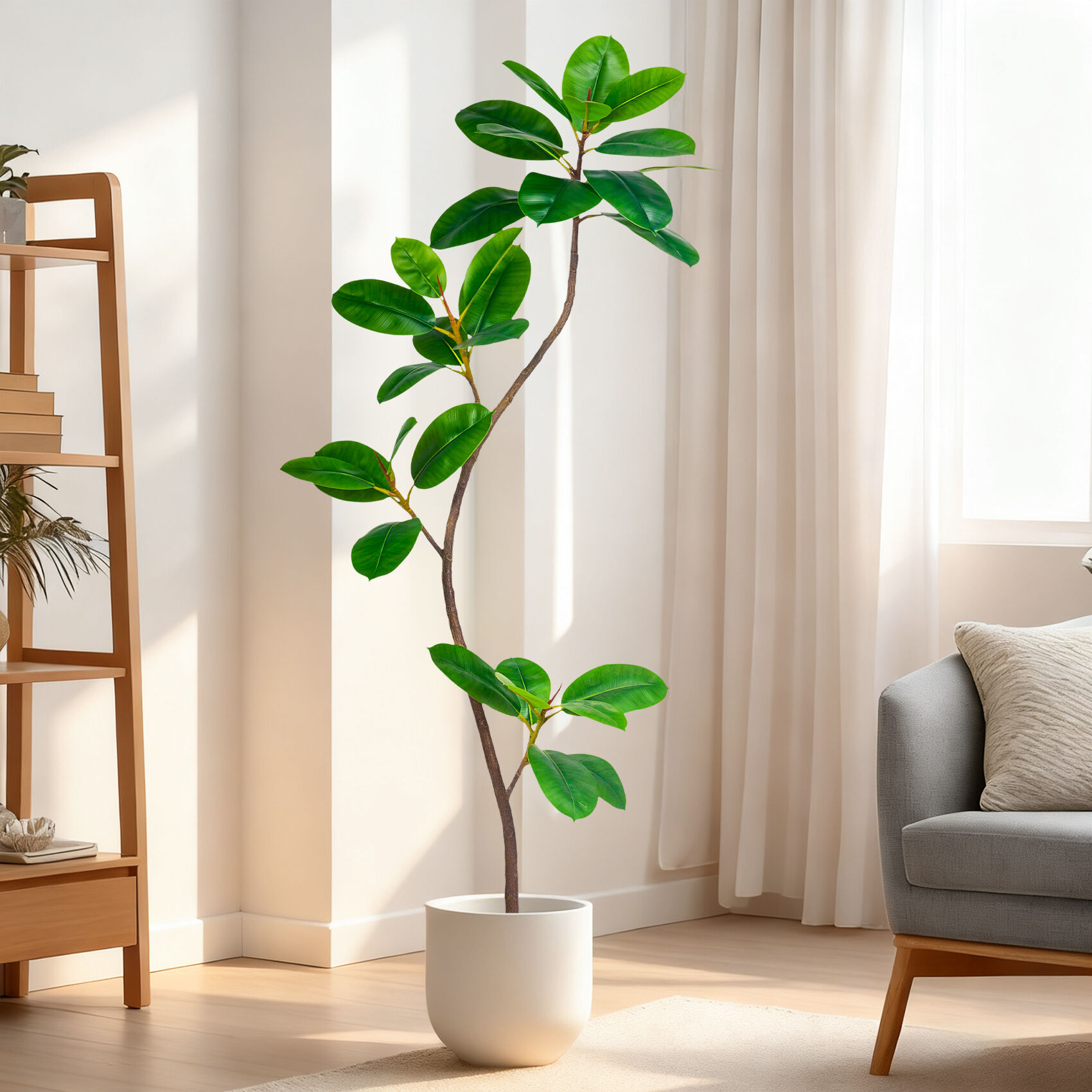
Artificial plant wholesalers serve as essential intermediaries in the thriving synthetic greenery industry, connecting manufacturers with retailers, interior designers, event planners, and commercial establishments worldwide. These specialized distributors maintain extensive inventories of high-quality artificial plants, ranging from realistic succulents and flowering arrangements to large-scale architectural installations and seasonal decorative pieces. The primary function of artificial plant wholesalers revolves around bulk procurement, storage, and distribution of synthetic botanical products that cater to diverse market segments including hospitality, retail, corporate offices, and residential decorating needs. Modern artificial plant wholesalers leverage advanced technological features such as automated inventory management systems, real-time stock tracking, and sophisticated customer relationship management platforms to streamline operations and enhance service delivery. These technological innovations enable wholesalers to maintain accurate product catalogs, process orders efficiently, and provide detailed product specifications including UV resistance ratings, fire retardancy certifications, and material composition data. The applications of artificial plant wholesalers extend across numerous industries, supporting hotel chains seeking consistent decorative elements, retail stores requiring seasonal displays, office buildings wanting low-maintenance greenery, and event companies needing portable botanical solutions. Quality artificial plant wholesalers typically offer comprehensive product lines featuring various plant types, sizes, and price points to accommodate different budget requirements and aesthetic preferences. They often provide additional services such as custom arrangement consultation, bulk packaging solutions, and expedited shipping options for time-sensitive projects. The synthetic plant wholesale market has experienced significant growth due to increasing awareness of maintenance-free decorating alternatives, environmental considerations regarding water conservation, and the demand for allergy-friendly interior design solutions that maintain visual appeal without ongoing care requirements.

 EN
EN