
 EN
EN
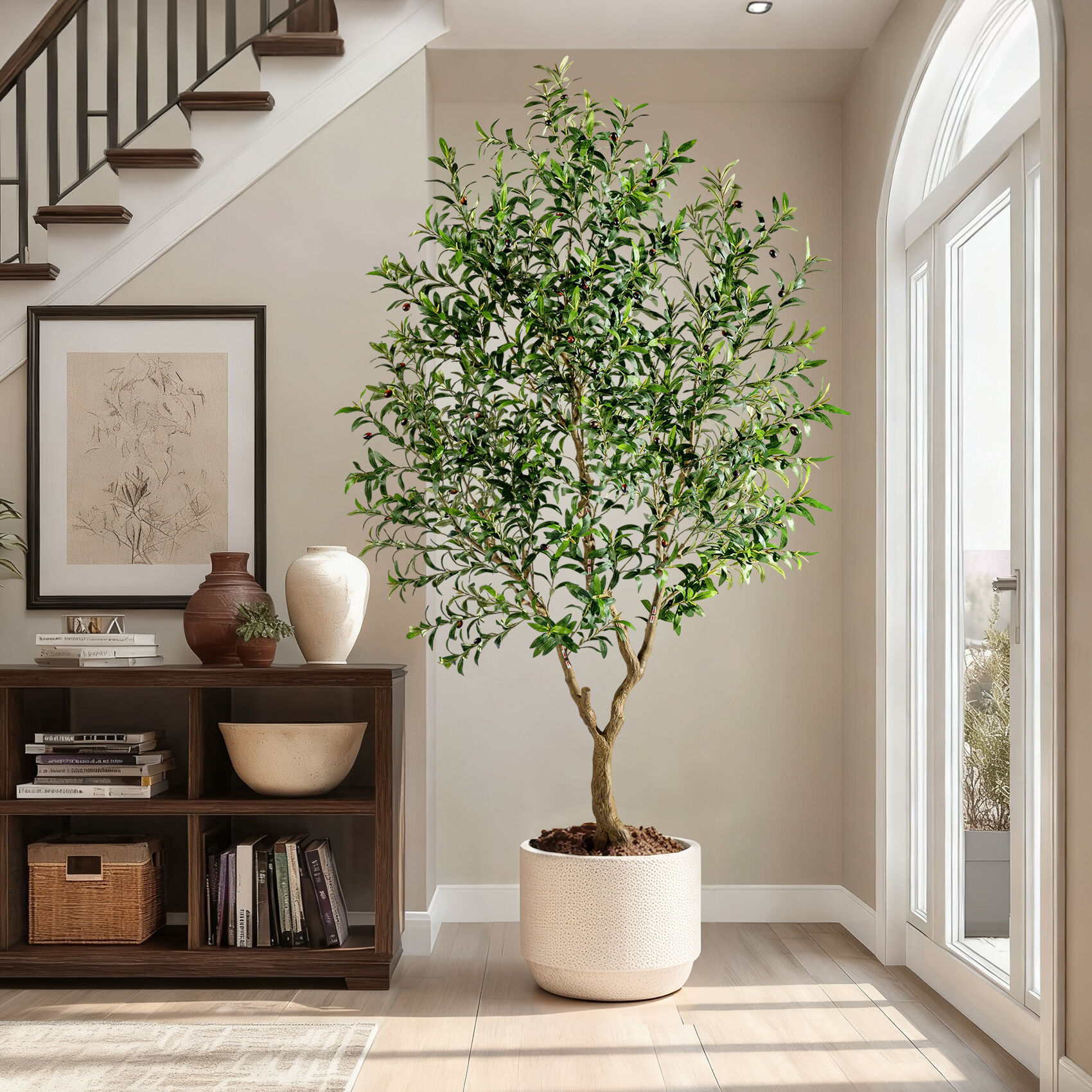
Theme parks represent the pinnacle of immersive entertainment design, where every element contributes to creating magical experiences that transport visitors to different worlds. Among the most crucial components of these environments are artificial trees, which serve as foundational elements in establishing authentic atmospheres while providing practical benefits that natural vegetation simply cannot match. These carefully crafted installations have revolutionized how theme parks approach landscape design, offering unlimited creative possibilities while ensuring consistent visual appeal throughout all seasons and weather conditions.
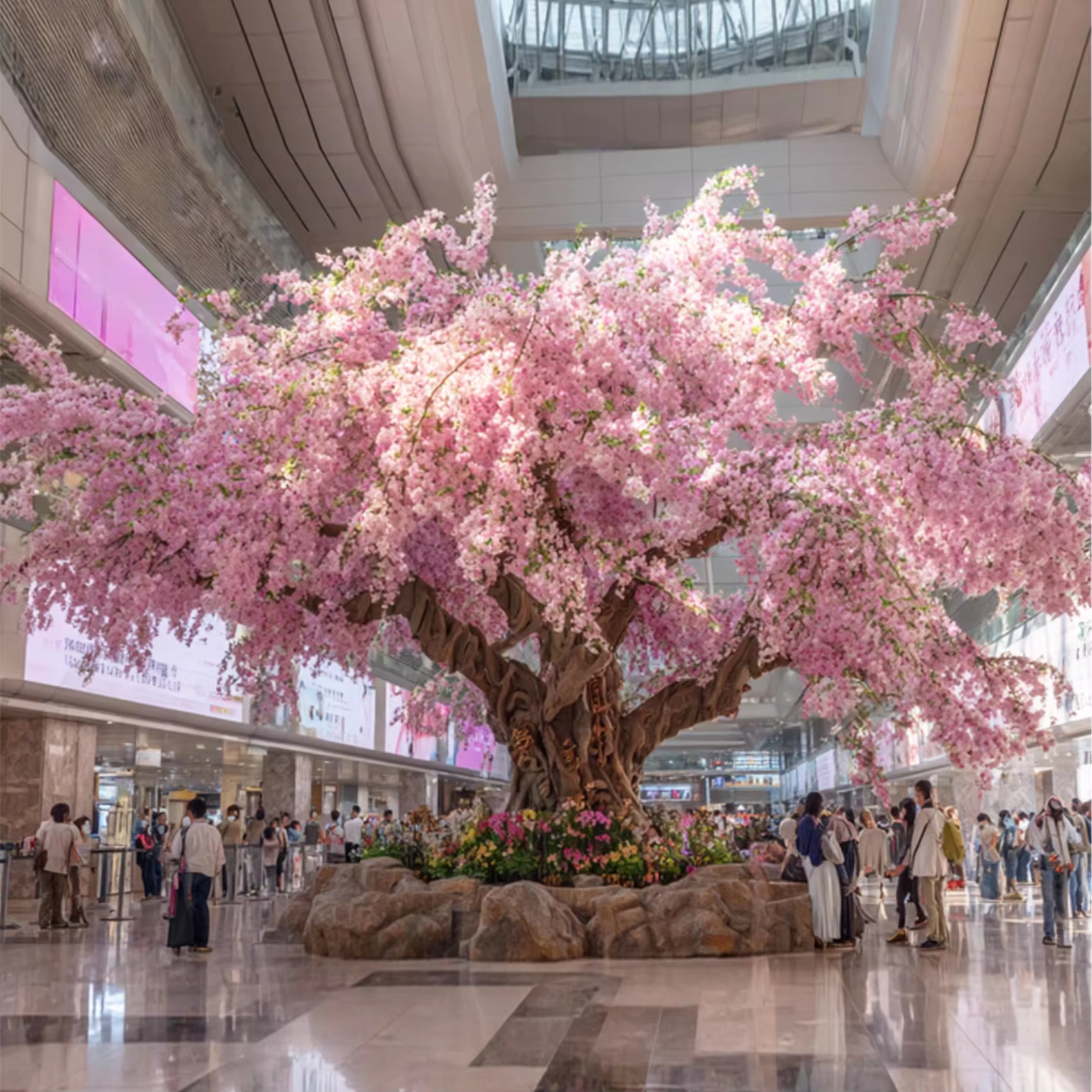
The Evolution of Theme Park Landscaping
From Natural to Synthetic Solutions
The transformation of theme park landscaping has been remarkable over the past several decades. Early theme parks relied heavily on natural vegetation, which presented numerous challenges including seasonal variations, maintenance requirements, and environmental limitations. The introduction of artificial trees marked a significant turning point in park design philosophy, allowing creators to maintain consistent visual experiences regardless of climate or season. These synthetic alternatives enabled designers to craft precise environments that align perfectly with thematic narratives.
Modern artificial trees have evolved far beyond their early predecessors, incorporating advanced materials and manufacturing techniques that create remarkably realistic appearances. The development of UV-resistant materials, improved texturing methods, and sophisticated coloring processes has resulted in products that can withstand intense scrutiny from close observation. Today's visitors often cannot distinguish between high-quality synthetic specimens and their natural counterparts, especially when integrated thoughtfully into comprehensive landscape designs.
Technological Advancements in Manufacturing
Manufacturing processes for artificial trees have undergone revolutionary changes, incorporating cutting-edge technologies that enhance both appearance and durability. Advanced polymer science has enabled the creation of materials that closely mimic natural bark textures, leaf patterns, and branching structures. Computer-aided design systems allow manufacturers to create virtually unlimited variations in tree shapes and sizes, ensuring that each installation appears unique and natural within its environment.
The integration of fiber optic technology and LED systems has further expanded the possibilities for artificial trees in theme park applications. These enhancements enable dynamic lighting effects, seasonal color changes, and interactive elements that respond to visitor presence. Such technological innovations have transformed static decorative elements into dynamic components of the entertainment experience, contributing to the overall magic and wonder that defines successful theme park environments.
Design Principles for Immersive Environments
Creating Believable Ecosystems
Successful implementation of artificial trees in theme parks requires careful attention to ecological authenticity and environmental storytelling. Designers must consider species selection, growth patterns, and natural relationships between different plant types to create convincing ecosystems. The placement of artificial trees must reflect natural growing conditions and environmental factors that would influence real vegetation in similar settings.
The integration of various tree sizes, from towering specimens to smaller understory plants, creates depth and visual complexity that mirrors natural forest environments. Designers often incorporate weathering techniques and natural imperfections to enhance realism, including variations in leaf color, bark texture, and branching patterns. These subtle details contribute significantly to the overall believability of synthetic landscapes and help maintain the suspension of disbelief that is essential for immersive entertainment experiences.
Thematic Consistency and Storytelling
Theme park environments succeed when every element supports the overarching narrative and thematic vision. Artificial trees play crucial roles in establishing time periods, geographical locations, and fantastical settings that transport visitors beyond ordinary reality. Whether creating ancient forests for adventure attractions or futuristic landscapes for science fiction themes, synthetic vegetation provides the flexibility needed to realize creative visions without natural constraints.
The ability to customize artificial trees for specific thematic requirements represents one of their greatest advantages in theme park applications. Designers can create species that never existed in nature, incorporate unusual colors or characteristics, and maintain perfect consistency across large installations. This level of control ensures that every tree contributes meaningfully to the desired atmosphere and visitor experience, supporting the park's entertainment objectives while maintaining visual coherence throughout different areas and attractions.
Practical Benefits and Operational Advantages
Maintenance and Longevity Considerations
The operational benefits of artificial trees extend far beyond their initial installation, providing significant advantages in terms of maintenance requirements and long-term durability. Unlike natural vegetation, synthetic alternatives require no watering, pruning, fertilization, or pest control measures, resulting in substantial cost savings over their operational lifetime. This reduced maintenance burden allows park staff to focus resources on other critical operational areas while maintaining consistently attractive landscapes.
High-quality artificial trees are designed to withstand extreme weather conditions, from intense sunlight and heat to heavy rainfall and strong winds. UV-resistant materials prevent fading and degradation, while robust construction techniques ensure structural integrity under challenging environmental conditions. These durability characteristics make artificial trees particularly valuable in theme parks located in harsh climates where natural vegetation might struggle to survive or maintain attractive appearances.
Safety and Risk Management
Safety considerations play increasingly important roles in theme park operations, and artificial trees offer significant advantages in this regard. Synthetic specimens eliminate concerns related to falling branches, root damage to pathways and utilities, and allergenic pollen that might affect sensitive visitors. The controlled nature of artificial installations allows for precise planning and risk assessment, ensuring that landscape elements contribute to rather than detract from overall safety protocols.
Fire resistance represents another critical safety advantage of modern artificial trees, particularly in regions prone to wildfires or in indoor theme park environments where fire safety regulations are stringent. Many synthetic materials incorporate flame-retardant properties that exceed the natural fire resistance of living vegetation, providing additional security for visitors and facilities. This enhanced safety profile supports comprehensive risk management strategies while maintaining the desired aesthetic appeal of natural-looking landscapes.
Installation and Integration Strategies
Site Preparation and Planning
Successful installation of artificial trees requires comprehensive planning and site preparation to ensure optimal results and long-term performance. Site analysis must consider factors such as drainage, soil conditions, utility locations, and accessibility for installation equipment. Proper foundation design and anchoring systems are essential for large specimens, particularly in areas subject to high winds or heavy visitor traffic that might affect stability.
Integration with existing infrastructure requires careful coordination between landscape designers, engineers, and construction teams to avoid conflicts with utilities, walkways, and attraction elements. The modular nature of many artificial tree systems allows for flexible installation approaches that can accommodate complex site constraints while achieving desired visual effects. Pre-installation mockups and virtual reality previews help stakeholders visualize final results and make necessary adjustments before permanent installation.
Blending with Natural Elements
The most successful theme park installations often combine artificial trees with natural vegetation to create hybrid landscapes that maximize the benefits of both approaches. Strategic placement of synthetic specimens in high-visibility areas ensures consistent appearance while natural plants in secondary locations provide authentic scents, sounds, and seasonal variations that enhance overall environmental richness. This blended approach allows designers to achieve perfect thematic consistency where needed while maintaining cost-effective solutions throughout the park.
Transitional zones between artificial and natural areas require particular attention to detail to maintain seamless integration. Careful selection of compatible species, consistent maintenance standards, and thoughtful design elements help blur the boundaries between synthetic and living components. Ground cover plants, decorative rocks, and water features often serve as effective transitional elements that unite different landscape components into cohesive environmental experiences.
Future Trends and Innovations
Smart Technology Integration
The future of artificial trees in theme parks increasingly involves smart technology integration that transforms static installations into dynamic, interactive elements of the visitor experience. Sensor technology enables trees to respond to environmental conditions, visitor presence, and time of day through coordinated lighting, sound, and visual effects. These responsive systems create more engaging and memorable experiences while supporting operational efficiency through automated monitoring and maintenance alerts.
Internet of Things connectivity allows artificial trees to participate in comprehensive park management systems, providing data on visitor traffic patterns, environmental conditions, and system performance. This information supports optimization of park operations, predictive maintenance scheduling, and continuous improvement of visitor experiences. The integration of artificial intelligence and machine learning technologies promises even more sophisticated responsive behaviors and personalized interactions in future installations.
Sustainability and Environmental Responsibility
Environmental sustainability has become increasingly important in theme park operations, driving innovations in artificial tree materials and manufacturing processes. Recycled and recyclable materials are becoming standard in synthetic vegetation production, while manufacturing techniques focus on reducing environmental impact throughout product lifecycles. These developments support corporate sustainability goals while maintaining the high-quality standards expected in premium entertainment environments.
Energy efficiency considerations are driving the development of solar-powered lighting systems and low-energy interactive elements that reduce operational costs while supporting environmental responsibility. The longevity and reduced maintenance requirements of artificial trees contribute to overall sustainability by minimizing resource consumption over their operational lifetime. Future innovations will likely focus on bio-based materials and closed-loop manufacturing processes that further reduce environmental impact while enhancing performance characteristics.
FAQ
How long do artificial trees typically last in theme park environments
High-quality artificial trees designed for commercial theme park applications typically last 10-15 years or more with minimal maintenance, depending on environmental conditions and usage intensity. UV-resistant materials and weather-resistant construction techniques ensure that these installations maintain their appearance and structural integrity throughout their operational lifetime, providing excellent return on investment compared to natural alternatives that require ongoing care and replacement.
Can artificial trees be customized for specific theme park requirements
Yes, modern artificial trees offer extensive customization options including size, color, species characteristics, and special features such as integrated lighting or sound systems. Manufacturers can create unique specimens that match specific thematic requirements, incorporate branded elements, or replicate particular natural species that might not thrive in local climate conditions. This flexibility allows theme parks to achieve precise visual goals while maintaining practical operational benefits.
What maintenance is required for artificial trees in theme parks
Maintenance requirements for artificial trees are minimal compared to natural vegetation, typically involving periodic cleaning to remove dust and debris, inspection of mounting systems and electrical connections if applicable, and occasional touch-up of any minor wear or damage. Most installations require only quarterly inspections and annual deep cleaning to maintain optimal appearance, resulting in significant cost savings compared to the ongoing care required by natural landscaping.
How realistic do modern artificial trees appear to theme park visitors
Advanced manufacturing techniques and materials have made modern artificial trees extremely realistic, often indistinguishable from natural specimens when properly installed and integrated into comprehensive landscape designs. Sophisticated texturing, color variation, and natural imperfections create convincing appearances that maintain their quality under close inspection, ensuring that they contribute effectively to immersive theme park environments without compromising authenticity or visitor experience quality.