
 EN
EN
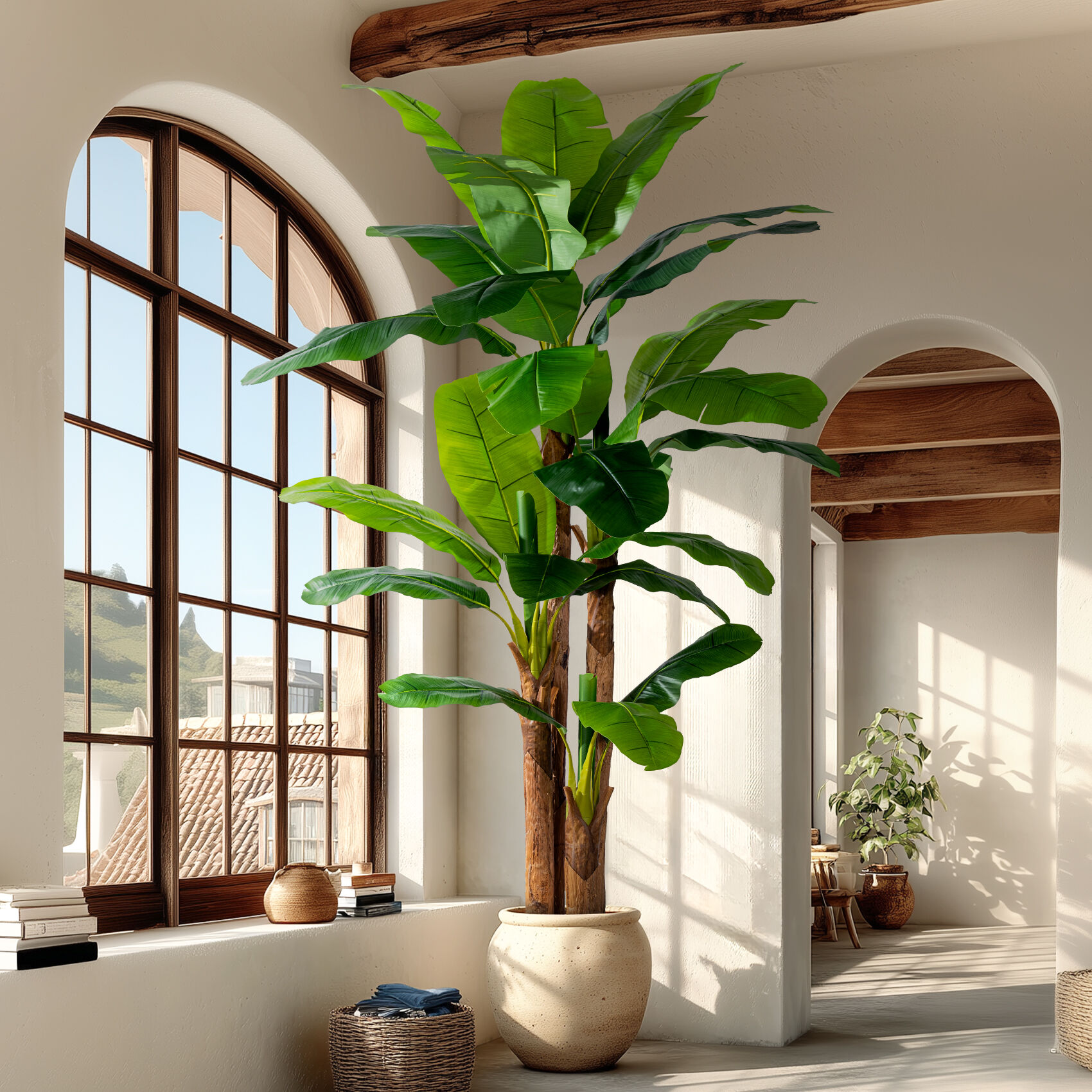
Public spaces require strategic planning to balance aesthetic appeal with practical maintenance considerations. Large artificial trees have emerged as a compelling alternative to traditional landscaping, offering year-round visual impact without the ongoing costs associated with natural vegetation. These synthetic alternatives provide immediate transformation for parks, plazas, corporate campuses, and urban developments while addressing common challenges faced by facility managers and landscape architects.
The decision to incorporate large artificial trees into public spaces involves careful evaluation of initial investment versus long-term operational expenses. Unlike living trees that require regular watering, pruning, pest control, and seasonal replacement, artificial alternatives eliminate these recurring costs while maintaining consistent visual appeal throughout all seasons. This economic advantage becomes particularly significant in regions with challenging climates or water restrictions.

Economic Benefits of Large Artificial Trees in Public Settings
Initial Investment Versus Long-Term Savings
The upfront cost of high-quality large artificial trees may appear substantial compared to planting natural saplings. However, comprehensive cost analysis reveals significant savings over time when factoring in water usage, fertilization, pruning services, and replacement expenses. Natural trees in public spaces often face stress from foot traffic, pollution, and vandalism, leading to higher mortality rates and frequent replacements.
Professional maintenance services for natural landscaping can cost thousands of dollars annually per tree, including irrigation system maintenance, pest management, and seasonal care. Large artificial trees eliminate these expenses immediately upon installation, with minimal ongoing costs limited to occasional cleaning and inspection. The return on investment typically occurs within two to three years, depending on local labor costs and climate conditions.
Reduced Infrastructure Requirements
Installing large artificial trees requires significantly less infrastructure compared to natural alternatives. There is no need for complex irrigation systems, soil preparation, or underground utilities to support root systems. This simplified installation process reduces project timelines and minimizes disruption to existing public spaces during implementation.
The absence of root systems also eliminates concerns about damage to sidewalks, building foundations, and underground utilities that commonly occur with mature natural trees. This factor alone can save municipalities thousands of dollars in infrastructure repairs and liability issues associated with tree-related property damage.
Maintenance Advantages and Operational Efficiency
Elimination of Seasonal Care Requirements
Public space managers face constant challenges with seasonal tree maintenance, including leaf removal, branch trimming, and storm damage cleanup. Large artificial trees remain consistently attractive regardless of weather conditions, eliminating the need for seasonal maintenance crews and equipment. This consistency is particularly valuable in high-traffic public areas where appearance directly impacts visitor satisfaction.
The durability of modern artificial materials ensures that large artificial trees withstand harsh weather conditions without suffering damage or requiring emergency removal services. This reliability is crucial for public safety and budget predictability, as unexpected storm damage to natural trees often results in costly emergency response and cleanup operations.
Pest and Disease Management Benefits
Natural trees in public spaces are susceptible to various pests and diseases that can spread rapidly throughout landscaping installations. Treatment requires specialized knowledge, chemical applications, and ongoing monitoring by certified arborists. Large artificial trees completely eliminate these concerns, reducing both direct treatment costs and potential liability issues related to pesticide use in public areas.
The absence of organic matter also prevents issues with insects, rodents, and birds that often create sanitation challenges in public spaces. This benefit is particularly important in food service areas, outdoor dining spaces, and recreational facilities where hygiene standards must be maintained.
Environmental Considerations and Sustainability Factors
Water Conservation Benefits
Water scarcity affects many regions worldwide, making efficient resource management essential for public space planning. Large artificial trees require zero irrigation, contributing significantly to water conservation efforts while maintaining green aesthetics that communities desire. This water savings can be substantial, particularly in arid climates where natural trees require extensive irrigation systems.
The elimination of water requirements also reduces the carbon footprint associated with water treatment, pumping, and distribution systems needed to maintain natural landscaping. For municipalities focused on sustainability goals, large artificial trees offer a practical solution that balances environmental responsibility with visual appeal.
Longevity and Material Sustainability
High-quality large artificial trees manufactured with UV-resistant materials and advanced polymer technology can maintain their appearance for decades with minimal degradation. This longevity far exceeds the lifespan of many natural trees in challenging urban environments, where pollution, compacted soil, and physical stress often limit tree survival.
The materials used in modern large artificial trees are increasingly recyclable, and manufacturers are developing more sustainable production methods. When eventual replacement becomes necessary, the synthetic materials can often be processed and repurposed rather than contributing to organic waste streams.
Design Flexibility and Aesthetic Advantages
Customization and Placement Options
Large artificial trees offer unprecedented design flexibility that natural alternatives cannot match. They can be installed in locations where soil conditions, light exposure, or space constraints would prevent natural tree growth. This flexibility allows designers to create cohesive landscapes that enhance architectural features and guide pedestrian flow through public spaces.
The ability to select specific sizes, shapes, and foliage types ensures consistent visual impact across large installations. Unlike natural trees that grow unpredictably and may develop asymmetrical or undesirable characteristics, large artificial trees maintain their intended appearance throughout their service life.
Seasonal Consistency and Visual Impact
Public spaces must maintain attractive appearance year-round to support tourism, business activity, and community engagement. Large artificial trees provide consistent color and fullness regardless of season, ensuring that public spaces never appear barren or neglected during winter months or drought periods.
This consistency is particularly valuable for commercial districts, event venues, and tourist destinations where visual appeal directly impacts economic activity. The reliable appearance of large artificial trees supports consistent branding and marketing efforts for public spaces and surrounding businesses.
Installation Considerations and Best Practices
Site Preparation and Safety Requirements
Proper installation of large artificial trees requires careful attention to anchoring systems and wind load calculations to ensure public safety. Professional installation teams must assess soil conditions, traffic patterns, and environmental factors to determine appropriate mounting methods. The installation process is typically faster than natural tree planting but requires specialized knowledge of synthetic landscape products.
Safety considerations include ensuring adequate clearance for pedestrian and vehicle traffic, proper lighting integration, and accessibility compliance. Large artificial trees must be installed with sufficient stability to withstand high winds and potential vandalism while maintaining their aesthetic appeal.
Quality Selection and Vendor Evaluation
The cost-effectiveness of large artificial trees depends heavily on product quality and manufacturer reputation. High-quality options feature UV-resistant materials, realistic textures, and durable construction that justifies the initial investment. Evaluating vendors should include reviewing product warranties, installation support, and long-term performance data from similar installations.
Specifications should address fire resistance, material certifications, and compliance with local building codes. The selection process must balance aesthetic requirements with durability expectations to ensure that large artificial trees deliver expected cost savings throughout their service life.
FAQ
How long do large artificial trees typically last in outdoor public spaces
High-quality large artificial trees designed for outdoor use typically last 10-15 years with minimal maintenance when properly installed and manufactured with UV-resistant materials. The actual lifespan depends on climate conditions, product quality, and exposure to physical damage. Premium options with advanced polymer construction and protective coatings can maintain their appearance even longer in harsh environments.
What are the main factors affecting the cost-effectiveness of large artificial trees
The primary factors include initial purchase price, installation costs, local climate conditions, and the cost of maintaining natural alternatives in your specific location. Areas with high water costs, extreme weather, or expensive landscaping services see faster return on investment. Product quality significantly impacts long-term cost-effectiveness, making it important to invest in durable options from reputable manufacturers.
Can large artificial trees be customized for specific public space requirements
Yes, many manufacturers offer customization options for large artificial trees including specific heights, branch configurations, foliage density, and mounting systems. Custom options allow designers to match existing landscapes, accommodate space constraints, and meet specific aesthetic goals. However, customization typically increases costs and lead times compared to standard product offerings.
Are there any maintenance requirements for large artificial trees in public spaces
Large artificial trees require minimal maintenance consisting mainly of periodic cleaning to remove dust, debris, and pollution buildup. Occasional inspection of mounting systems and structural integrity ensures continued safety and performance. In high-traffic areas, more frequent cleaning may be needed to maintain appearance, but overall maintenance costs remain significantly lower than natural alternatives.
Table of Contents
- Economic Benefits of Large Artificial Trees in Public Settings
- Maintenance Advantages and Operational Efficiency
- Environmental Considerations and Sustainability Factors
- Design Flexibility and Aesthetic Advantages
- Installation Considerations and Best Practices
-
FAQ
- How long do large artificial trees typically last in outdoor public spaces
- What are the main factors affecting the cost-effectiveness of large artificial trees
- Can large artificial trees be customized for specific public space requirements
- Are there any maintenance requirements for large artificial trees in public spaces