
 EN
EN
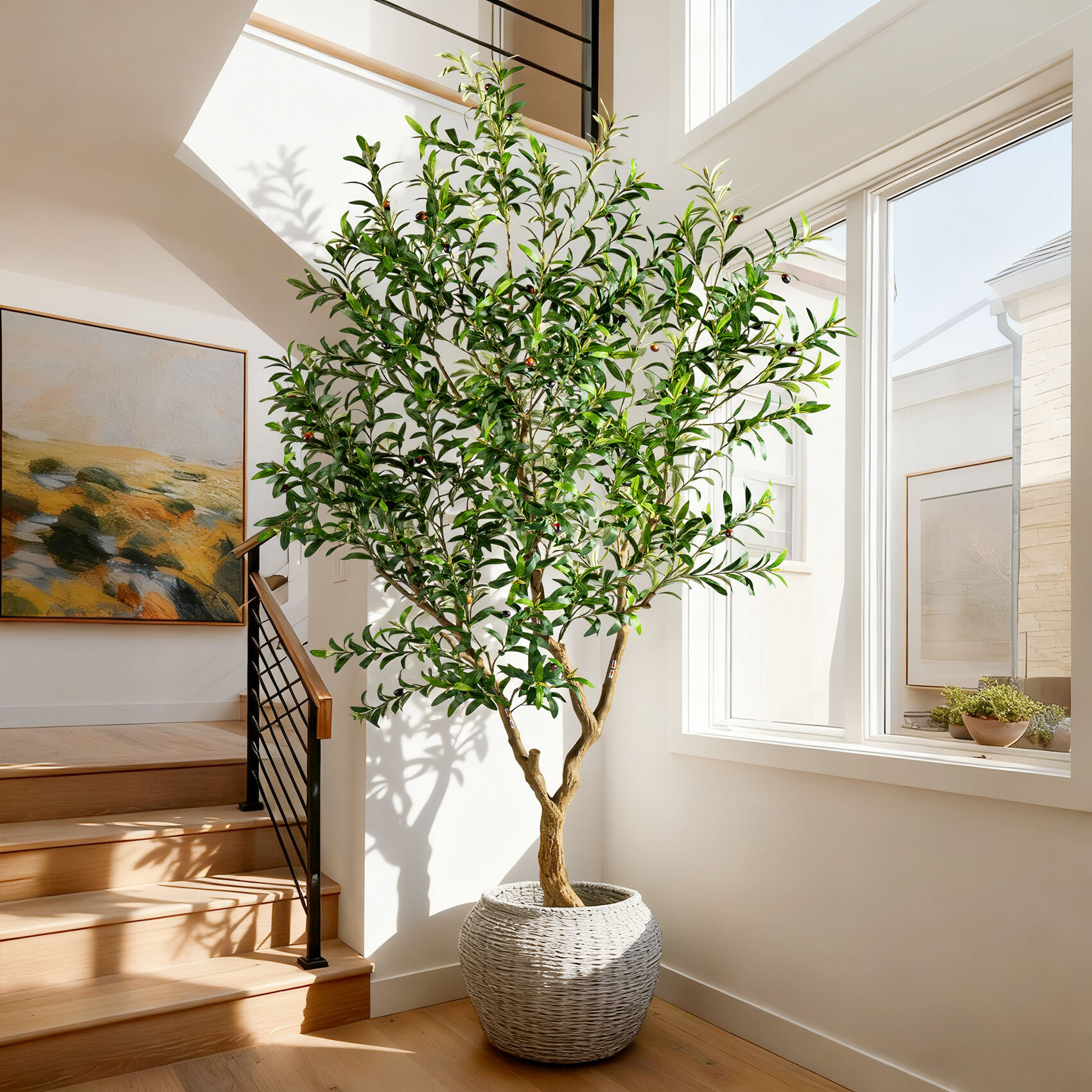
Modern building design has evolved beyond traditional aesthetics and functionality to embrace sustainability and occupant wellness as core priorities. As architects and facility managers seek innovative solutions to meet stringent green building standards, artificial trees have emerged as an unexpected yet valuable component in achieving LEED and wellness building certifications. These sophisticated botanical replicas offer unique advantages that complement natural vegetation while addressing specific challenges in contemporary construction and operations.
The integration of artificial trees into green building strategies represents a paradigm shift in how designers approach biophilic elements within certification frameworks. Unlike traditional approaches that rely solely on living plants, artificial trees provide consistent visual impact without the resource-intensive maintenance requirements that can compromise long-term sustainability goals. This strategic approach enables building owners to maintain the psychological and aesthetic benefits of greenery while optimizing operational efficiency and resource conservation.
Understanding the intersection between artificial vegetation and building certifications requires examining how these elements contribute to various credit categories within established rating systems. The careful selection and placement of high-quality artificial trees can support multiple certification pathways simultaneously, creating synergistic effects that enhance overall project performance. This multifaceted approach maximizes the return on investment while supporting broader organizational sustainability objectives.
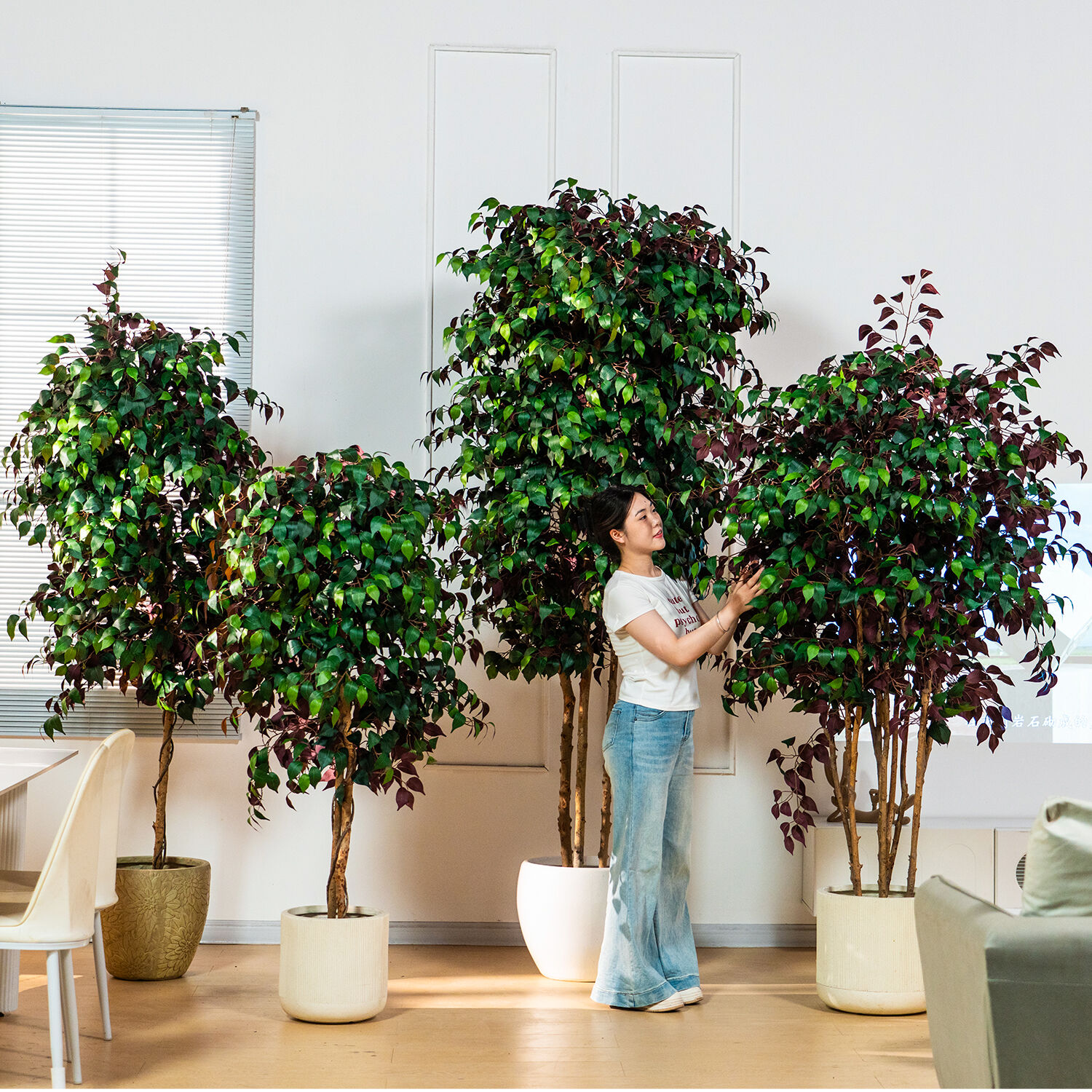
LEED Credit Contributions Through Strategic Artificial Tree Implementation
Indoor Environmental Quality Enhancement
Artificial trees contribute significantly to LEED Indoor Environmental Quality credits by providing consistent biophilic elements that enhance occupant comfort and productivity. These installations create visual connections to nature without introducing variables such as seasonal changes, pest issues, or maintenance-related disruptions that can affect indoor air quality. The strategic placement of artificial trees in common areas, lobbies, and workspace zones helps establish the visual greenery requirements outlined in LEED v4 biophilic design criteria.
The psychological benefits associated with artificial trees support LEED's emphasis on occupant experience and satisfaction. Research demonstrates that well-designed artificial vegetation can produce similar stress-reduction and cognitive performance improvements as living plants, particularly when integrated thoughtfully within the overall design scheme. This consistency in psychological benefits makes artificial trees valuable components for projects pursuing credits related to views of nature and biophilic design elements.
Installation of artificial trees eliminates the need for specialized lighting systems, irrigation infrastructure, and climate control modifications typically required for living plants. This reduction in building system complexity supports LEED energy efficiency goals while maintaining the desired aesthetic and psychological benefits. The absence of soil, fertilizers, and pesticides also prevents potential indoor air quality issues that might otherwise compromise certification efforts.
Water Efficiency and Resource Conservation
Water conservation represents a critical component of LEED certification, and artificial trees provide substantial advantages in this category. Unlike living plants that require consistent irrigation systems and ongoing water consumption, artificial trees eliminate water usage entirely while maintaining visual impact. This water conservation directly supports LEED Water Efficiency credits, particularly in regions where water scarcity makes traditional landscaping challenging or inappropriate.
The elimination of irrigation systems through artificial tree implementation reduces infrastructure complexity and associated energy consumption. Traditional plant installations require pumps, timers, drainage systems, and monitoring equipment that consume energy and require ongoing maintenance. By selecting artificial alternatives, building operators can redirect water and energy resources toward other building systems while maintaining certification requirements for biophilic design elements.
Long-term water savings from artificial trees can contribute to overall building performance metrics tracked throughout the LEED certification period. These measurable reductions in resource consumption support documentation requirements for ongoing compliance and may contribute to higher certification levels. The predictable nature of resource consumption with artificial installations also simplifies building performance modeling and verification processes.
Wellness Building Certification Advantages
WELL Building Standard Integration
The WELL Building Standard emphasizes human health and wellness outcomes, making artificial trees valuable tools for achieving specific performance criteria. These installations support WELL's Mind concept by providing consistent nature connections that promote mental health and cognitive function. The reliability of artificial vegetation ensures that wellness benefits remain constant regardless of seasonal variations or maintenance issues that might compromise living plant installations.
Artificial trees eliminate allergen concerns that can affect occupant health and WELL certification compliance. Many individuals experience allergic reactions to pollen, soil microorganisms, or plant-specific compounds, making living installations problematic in wellness-focused environments. High-quality artificial trees provide the visual and psychological benefits of nature without introducing potential health risks, supporting WELL's emphasis on inclusive design that accommodates all occupants.
The consistency of artificial installations supports WELL's measurement and verification requirements by eliminating variables associated with plant health, seasonal appearance changes, and maintenance-related disruptions. This predictability enables more accurate assessment of wellness outcomes and simplifies ongoing compliance documentation. The stable visual presentation of artificial trees ensures that designed wellness benefits remain consistent throughout the building's operational life.
Biophilic Design Implementation
Artificial trees enable sophisticated biophilic design strategies that support multiple wellness certification pathways simultaneously. These installations can incorporate varied textures, colors, and forms that mimic natural environments while providing design flexibility not possible with living plants. The ability to customize artificial tree configurations allows designers to optimize biophilic elements for specific wellness outcomes without compromising other building performance criteria.
Strategic placement of artificial trees in transition zones, workspaces, and circulation areas creates layered nature experiences that support WELL's comprehensive approach to biophilic design. These installations can be coordinated with lighting, acoustics, and spatial planning to create immersive environments that promote wellness without the constraints imposed by living plant requirements. The design freedom provided by artificial alternatives enables more creative and effective biophilic strategies.
The durability and consistency of artificial trees ensures that biophilic design benefits remain effective throughout changing operational conditions and occupancy patterns. Unlike living plants that may decline during facility changes or varying maintenance schedules, artificial installations maintain their wellness contributions consistently. This reliability supports long-term wellness outcomes and certification maintenance requirements.
Operational Benefits Supporting Certification Maintenance
Reduced Maintenance Requirements
Maintaining LEED and wellness certifications requires consistent performance over time, making the low-maintenance characteristics of artificial trees particularly valuable. These installations eliminate the need for specialized horticultural staff, reducing operational costs and complexity while ensuring consistent visual presentation. The absence of watering, pruning, fertilizing, and pest management requirements simplifies facility operations and reduces potential disruptions to certification compliance.
Artificial trees eliminate variables that can affect certification maintenance, such as plant mortality, seasonal appearance changes, and maintenance-related building system impacts. This consistency ensures that design elements contributing to certification points remain effective throughout the building's operational life. The predictable nature of artificial installations supports long-term planning and budgeting for certification maintenance activities.
The elimination of soil-based growing media prevents issues related to pest infestations, fungal growth, and organic matter decomposition that can affect indoor air quality and certification compliance. Artificial trees maintain clean, controlled environments that support ongoing certification requirements without introducing biological variables that might compromise building performance. This stability contributes to consistent occupant satisfaction and wellness outcomes.
Cost-Effectiveness and ROI
The initial investment in high-quality artificial trees provides long-term value through eliminated ongoing costs associated with plant care, replacement, and system maintenance. This cost predictability supports business cases for sustainable building operations and certification maintenance. The absence of recurring expenses for water, fertilizers, pest control, and plant replacement creates favorable lifecycle cost profiles that support continued investment in certification programs.
Energy savings from eliminated irrigation pumps, specialized lighting systems, and climate control modifications contribute to overall building efficiency and certification performance. These operational savings can be quantified and documented to support certification maintenance and may contribute to higher performance levels in future certification cycles. The measurable nature of these benefits supports data-driven approaches to sustainable building operations.
The durability of artificial trees ensures that certification-contributing design elements remain effective without replacement or major renovation expenses. This longevity supports stable operational budgets and enables facility managers to focus resources on other certification maintenance activities. The predictable performance characteristics of artificial installations simplify long-term facility planning and certification compliance strategies.
Design Integration Strategies for Maximum Certification Impact
Complementary Natural Element Coordination
Effective integration of artificial trees within certification strategies involves coordinating these elements with other natural and sustainable design features. Combining artificial trees with natural materials, water features, and strategic daylighting creates comprehensive biophilic environments that maximize certification point potential. This integrated approach leverages the consistency of artificial elements to support variable natural features, creating balanced designs that optimize both sustainability and wellness outcomes.
The placement of artificial trees can enhance the performance of other certification-contributing elements, such as natural ventilation systems, daylight penetration, and acoustic design features. Strategic positioning of artificial installations can direct occupant movement, frame views, and create spatial hierarchy that supports multiple certification criteria simultaneously. This synergistic approach maximizes the value of each design element while creating cohesive environments that support certification goals.
Artificial trees can be integrated with building automation systems to coordinate with lighting, climate control, and occupancy sensors, creating dynamic environments that respond to usage patterns and operational requirements. This integration supports smart building features that contribute to both LEED and wellness certification criteria while maintaining the consistent visual benefits provided by artificial installations. The combination of high-tech systems with artificial vegetation creates modern environments that balance efficiency with occupant experience.
Scalability and Adaptation
The modular nature of artificial tree installations enables scalable implementation that can be adjusted to meet changing certification requirements or building modifications. Individual trees can be repositioned, replaced, or supplemented without affecting building systems or requiring infrastructure modifications. This flexibility supports adaptive building strategies that can respond to evolving certification standards and organizational needs.
Artificial trees can be selected and configured to support different certification levels or multiple rating systems simultaneously. The ability to customize installations based on specific point requirements enables targeted approaches that optimize certification outcomes within available budgets. This strategic flexibility allows building owners to pursue higher certification levels or additional rating systems as organizational priorities evolve.
The standardized nature of artificial tree installations enables consistent implementation across multiple buildings or portfolio properties, supporting organization-wide certification strategies. This scalability reduces procurement costs, simplifies maintenance procedures, and enables knowledge transfer between properties. The ability to replicate successful artificial tree strategies across multiple locations supports comprehensive sustainability programs and portfolio-level certification goals.
FAQ
How do artificial trees contribute to LEED certification points
Artificial trees primarily contribute to LEED certification through Indoor Environmental Quality credits, particularly those related to biophilic design and occupant comfort. They support water efficiency credits by eliminating irrigation requirements and can contribute to energy efficiency through reduced lighting and climate control needs. The key is ensuring that artificial trees are integrated strategically to support multiple credit categories while maintaining high visual quality that provides genuine wellness benefits to occupants.
Can artificial trees meet wellness building standard requirements
Yes, high-quality artificial trees can effectively meet wellness building standard requirements, particularly within the WELL Building Standard's Mind and Comfort concepts. They provide consistent biophilic elements that support mental health and cognitive function while eliminating allergen concerns that might affect sensitive occupants. The key is selecting realistic, high-quality artificial trees that provide genuine psychological benefits rather than obviously artificial alternatives that might have negative aesthetic impacts.
What maintenance advantages do artificial trees offer for certified buildings
Artificial trees eliminate virtually all maintenance requirements associated with living plants, including watering, pruning, fertilizing, pest management, and replacement. This consistency ensures that certification-contributing design elements remain effective throughout the building's operational life without ongoing resource consumption or system impacts. The predictable performance of artificial installations simplifies facility management and supports long-term certification compliance without variable costs or operational disruptions.
How should artificial trees be integrated with other sustainable design elements
Artificial trees should be coordinated with natural materials, daylighting strategies, and other biophilic elements to create comprehensive sustainable environments. They work particularly well in locations where living plants would be impractical due to lighting, climate, or access constraints. The key is using artificial trees to complement rather than replace all natural elements, creating balanced designs that leverage the consistency of artificial installations to support more challenging natural features throughout the building.