Versatile Placement and Design Flexibility Benefits
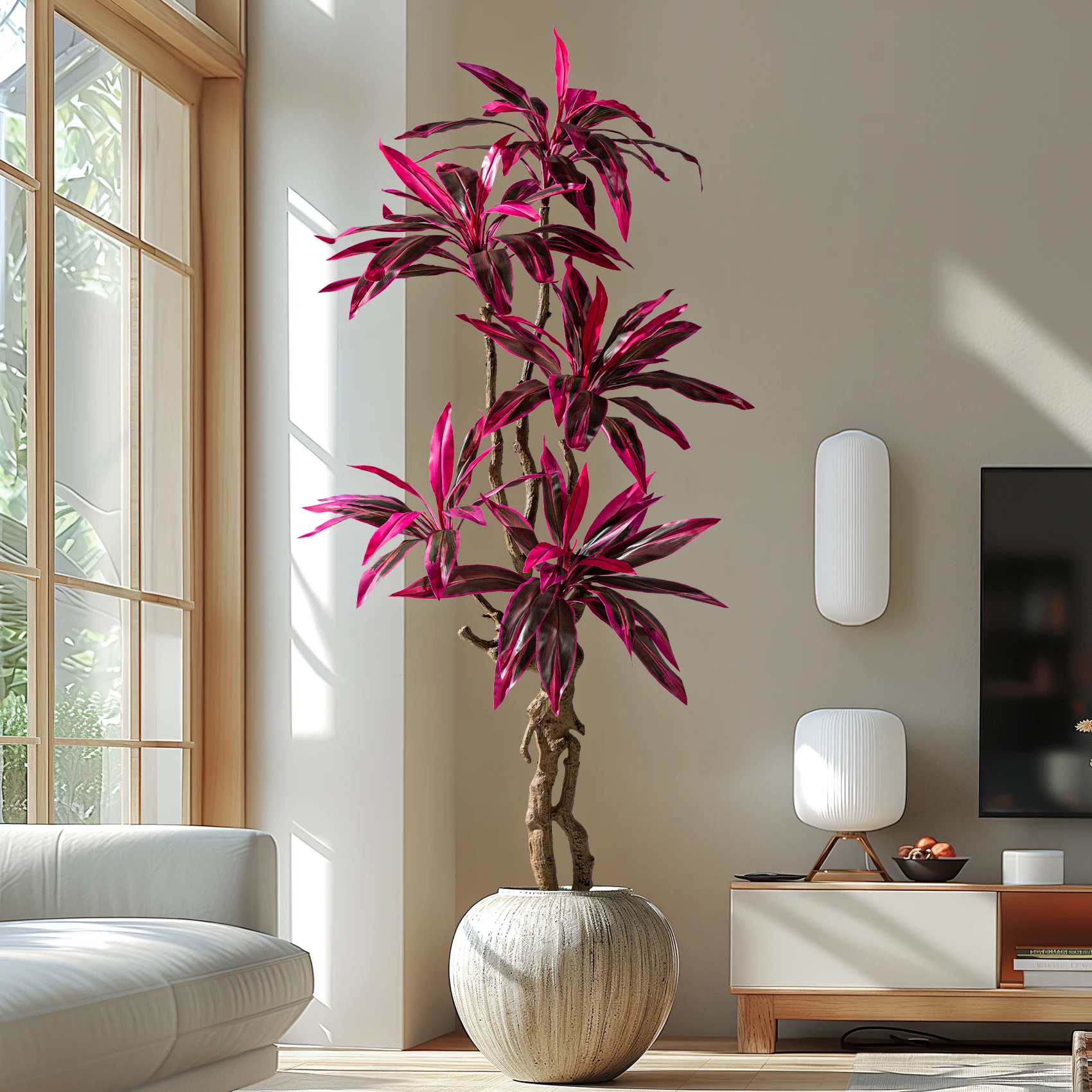
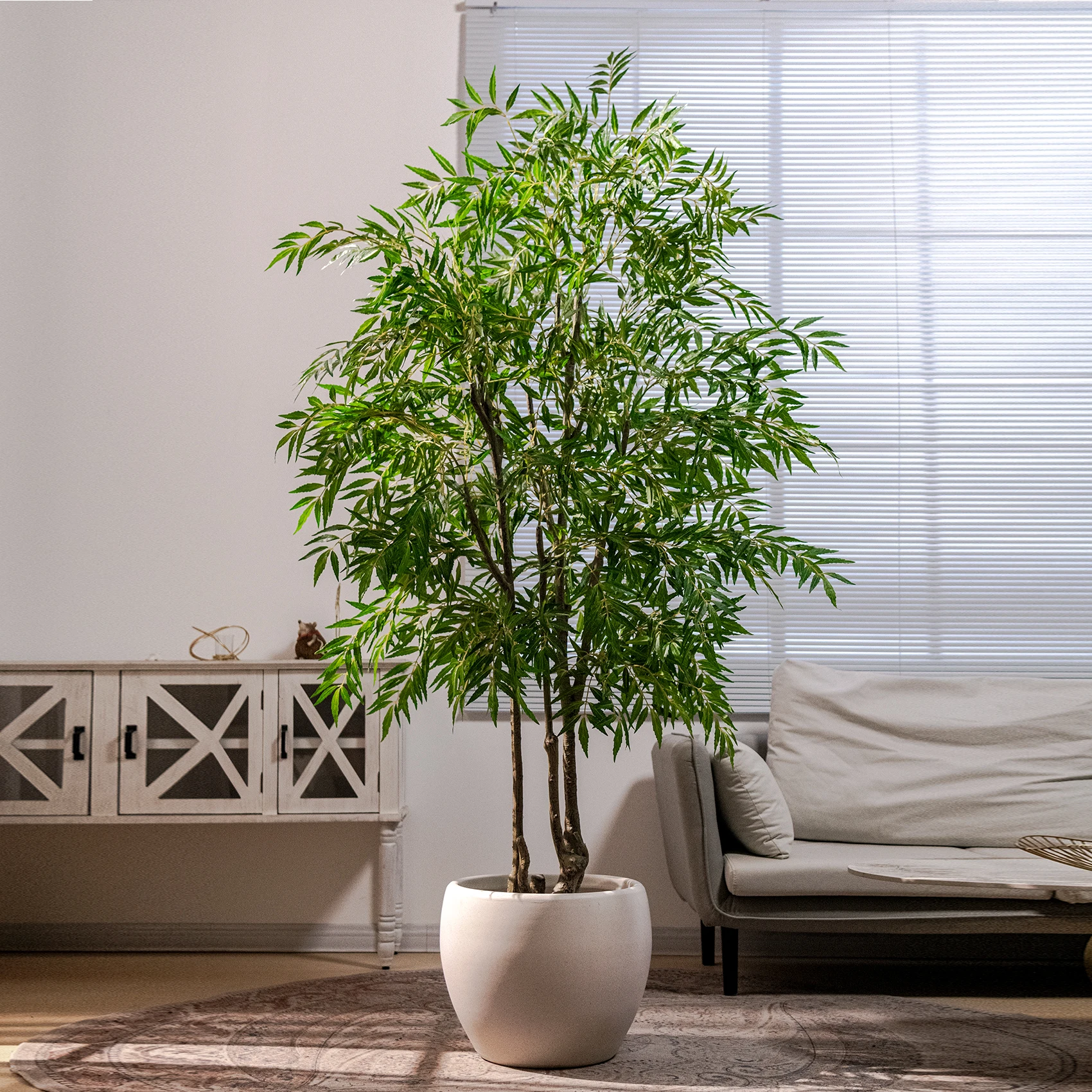
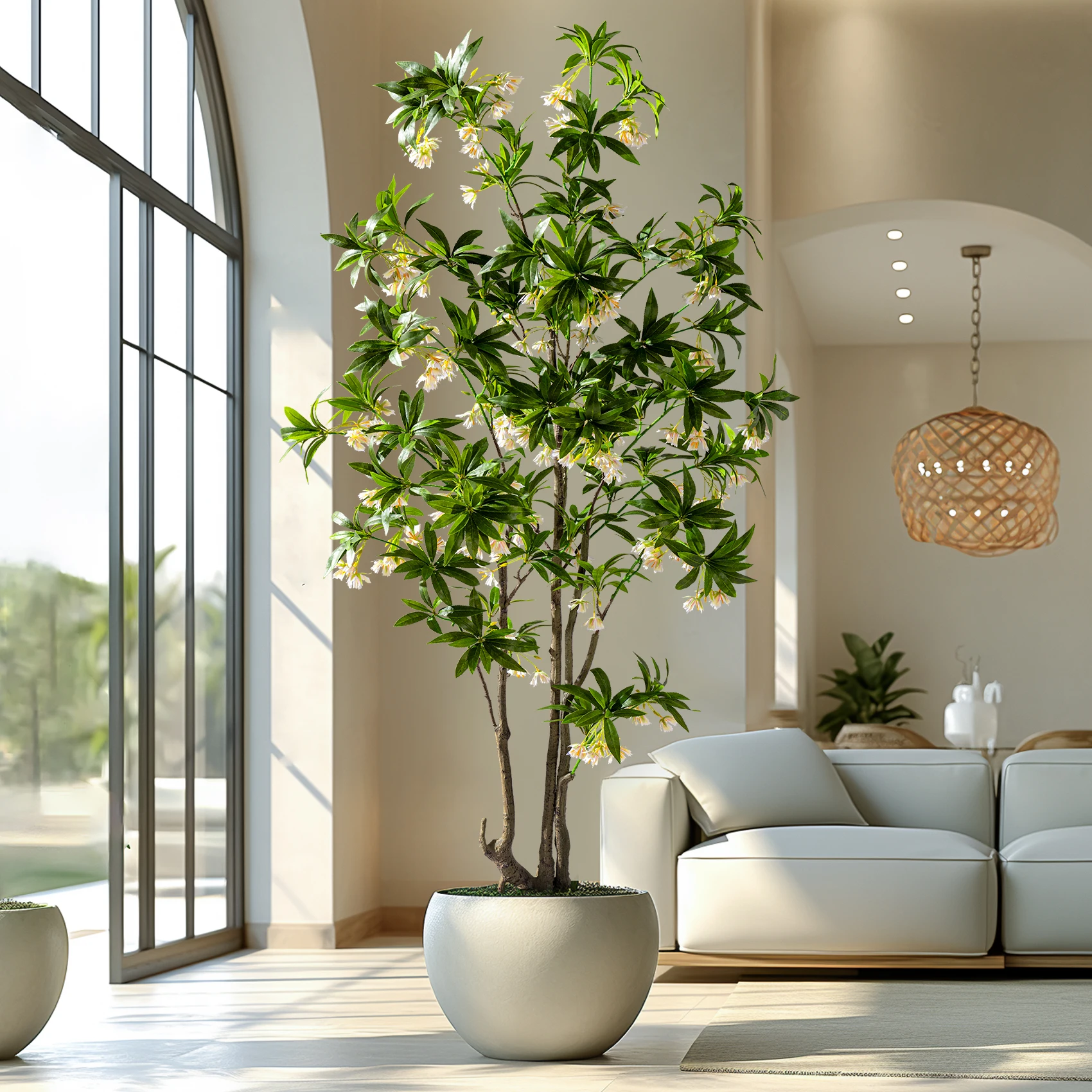
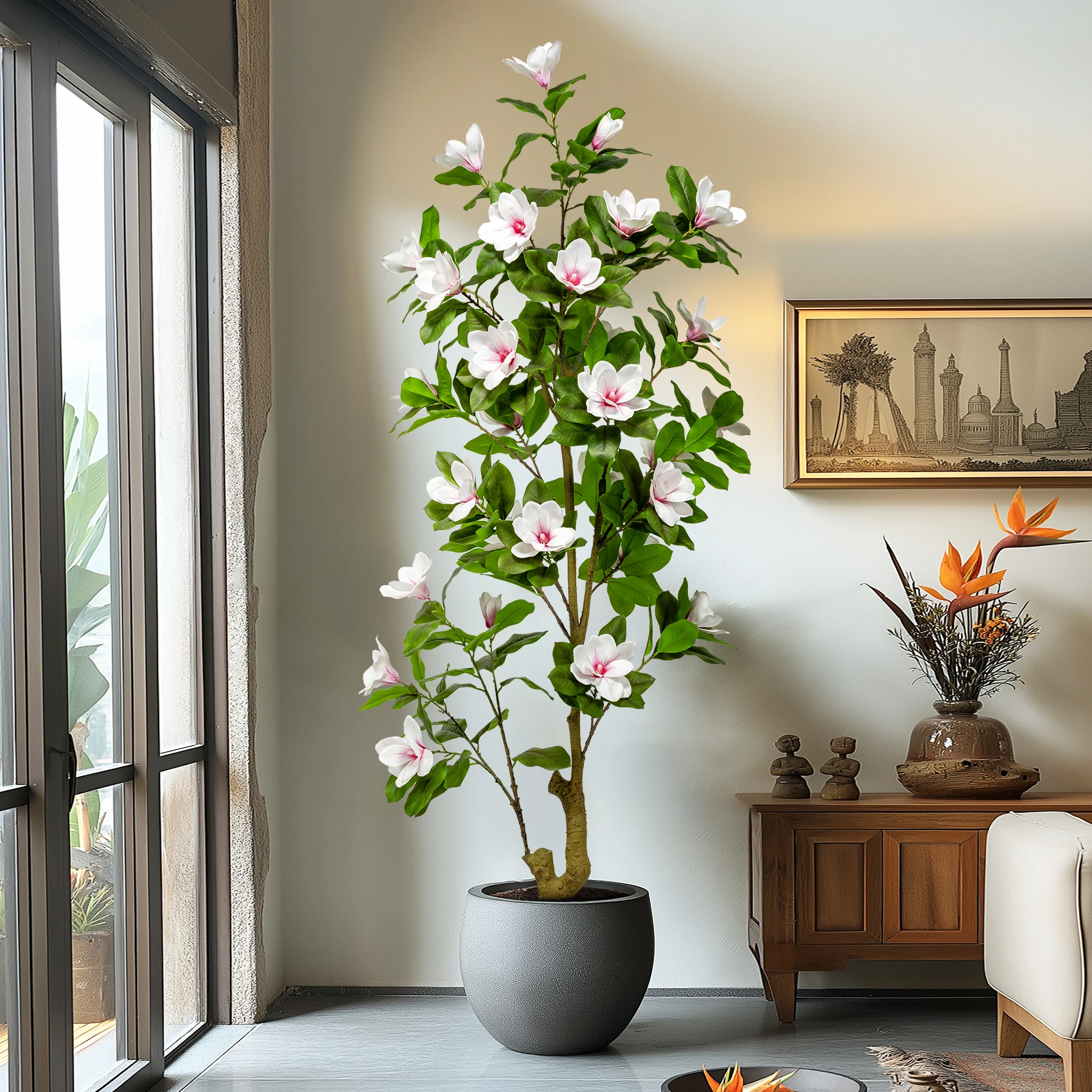
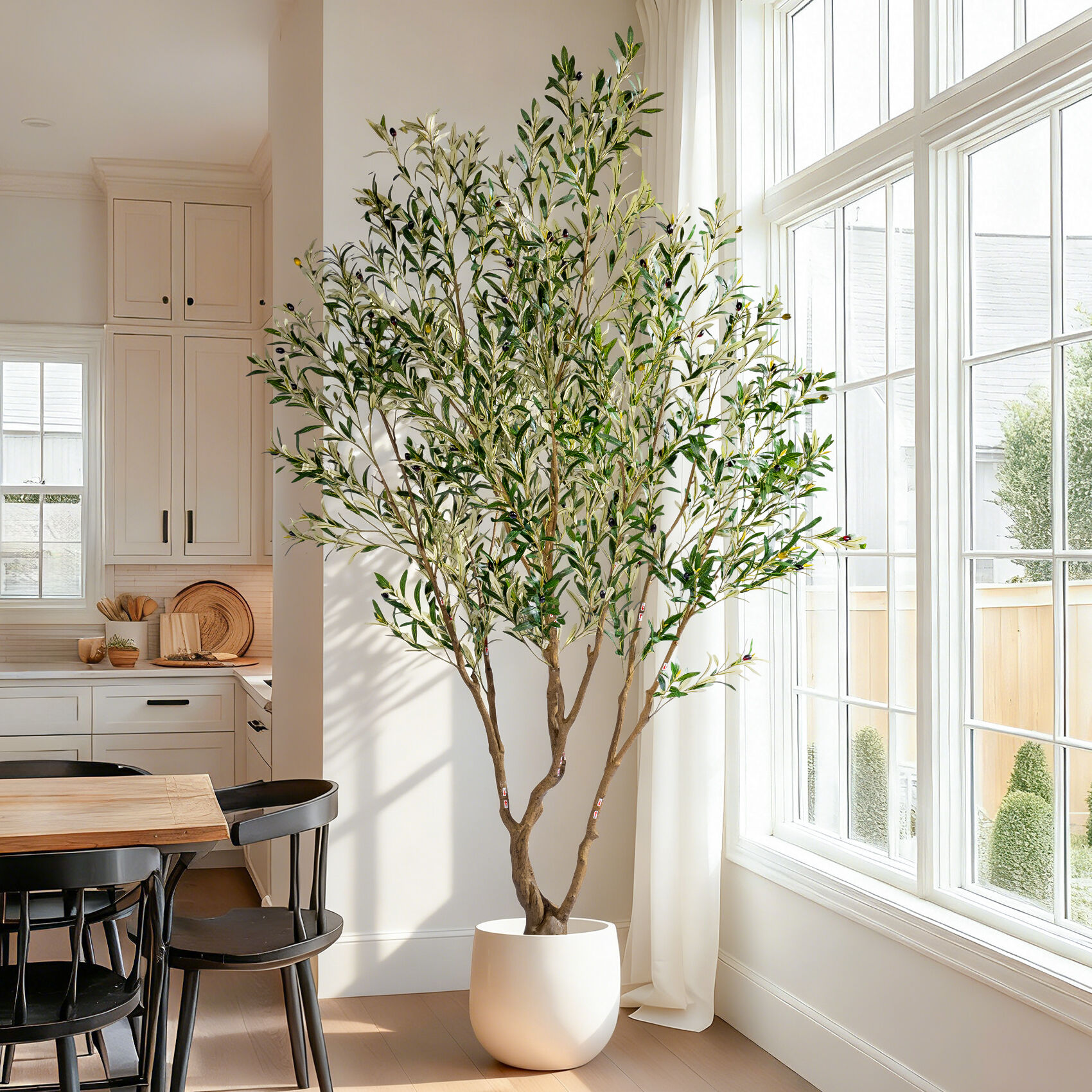
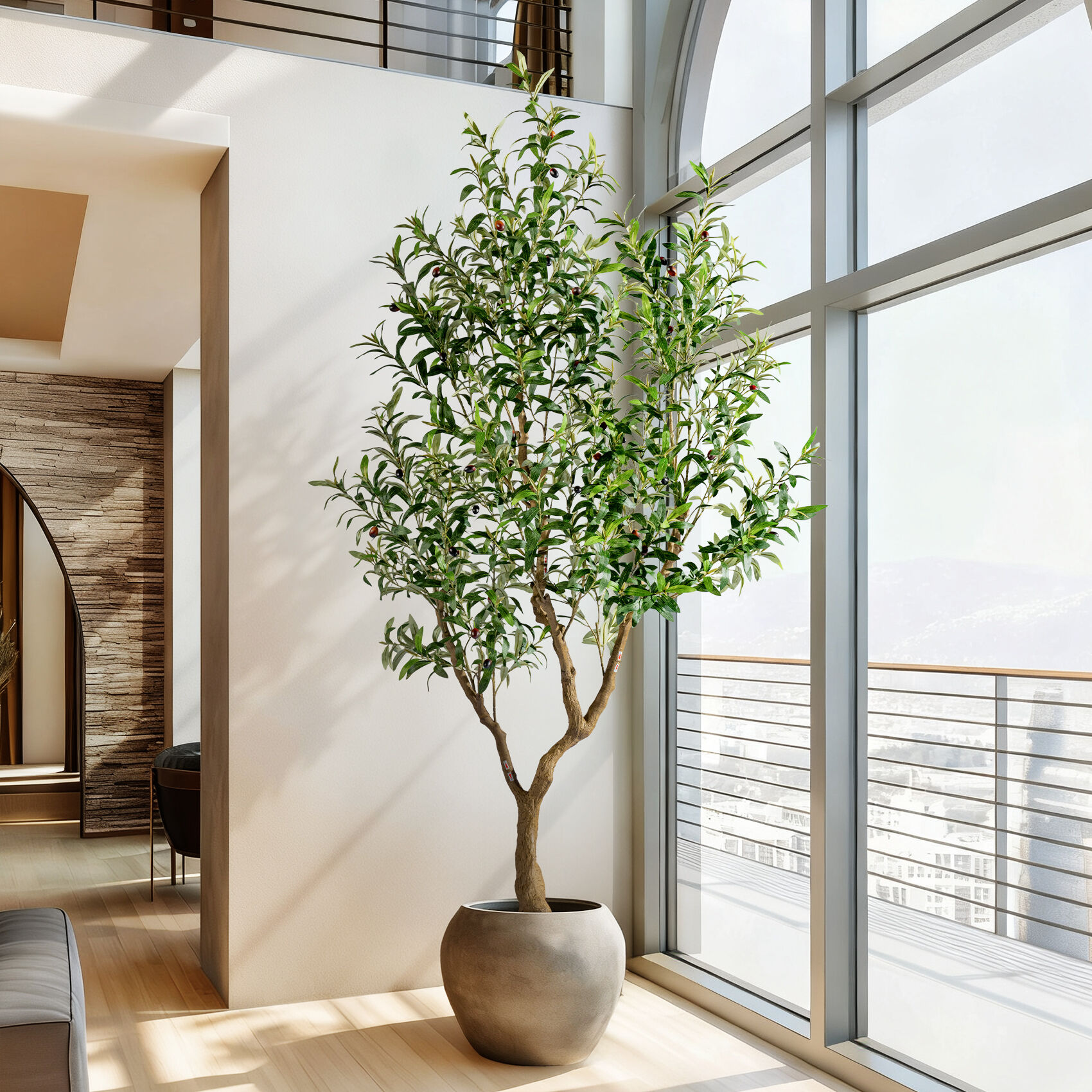
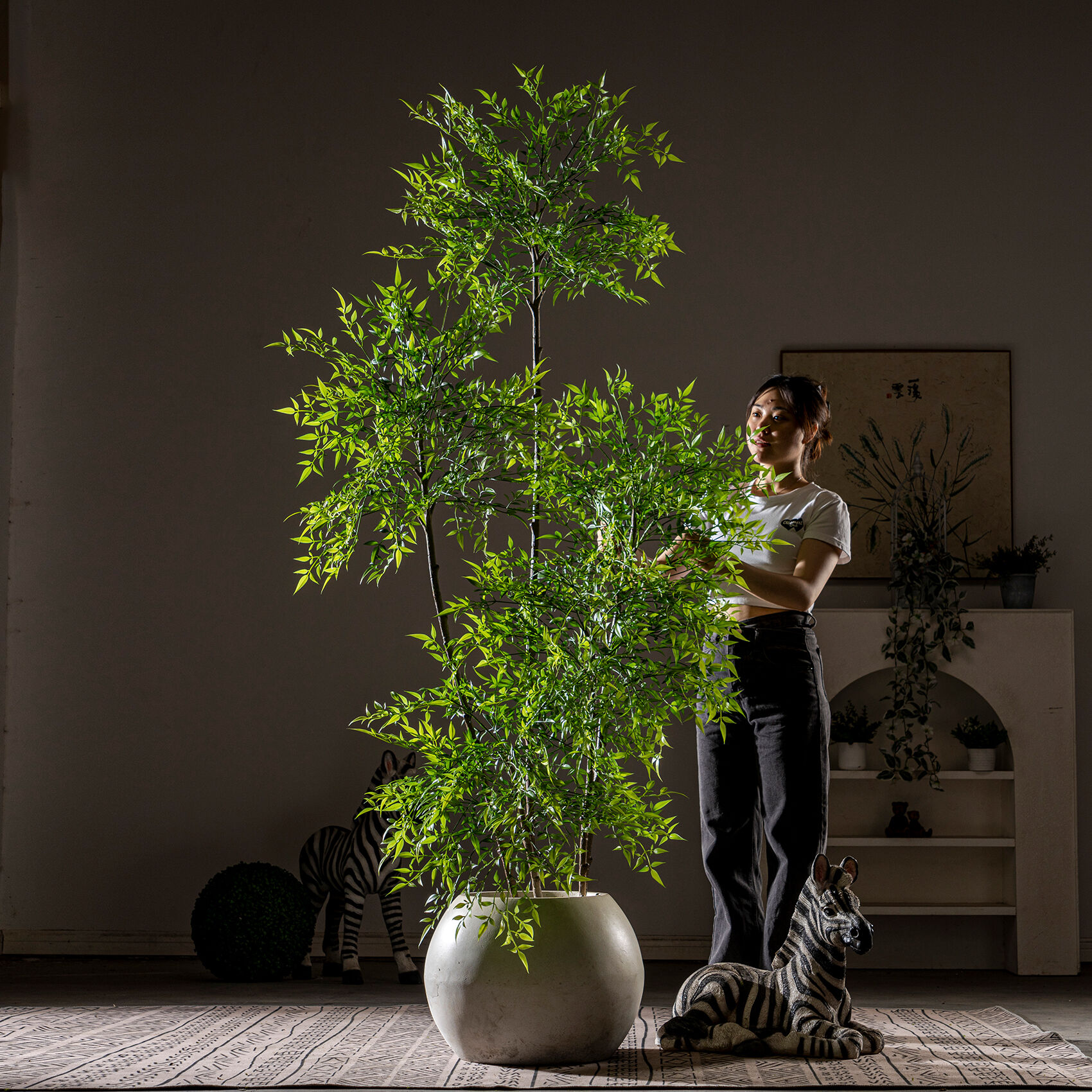
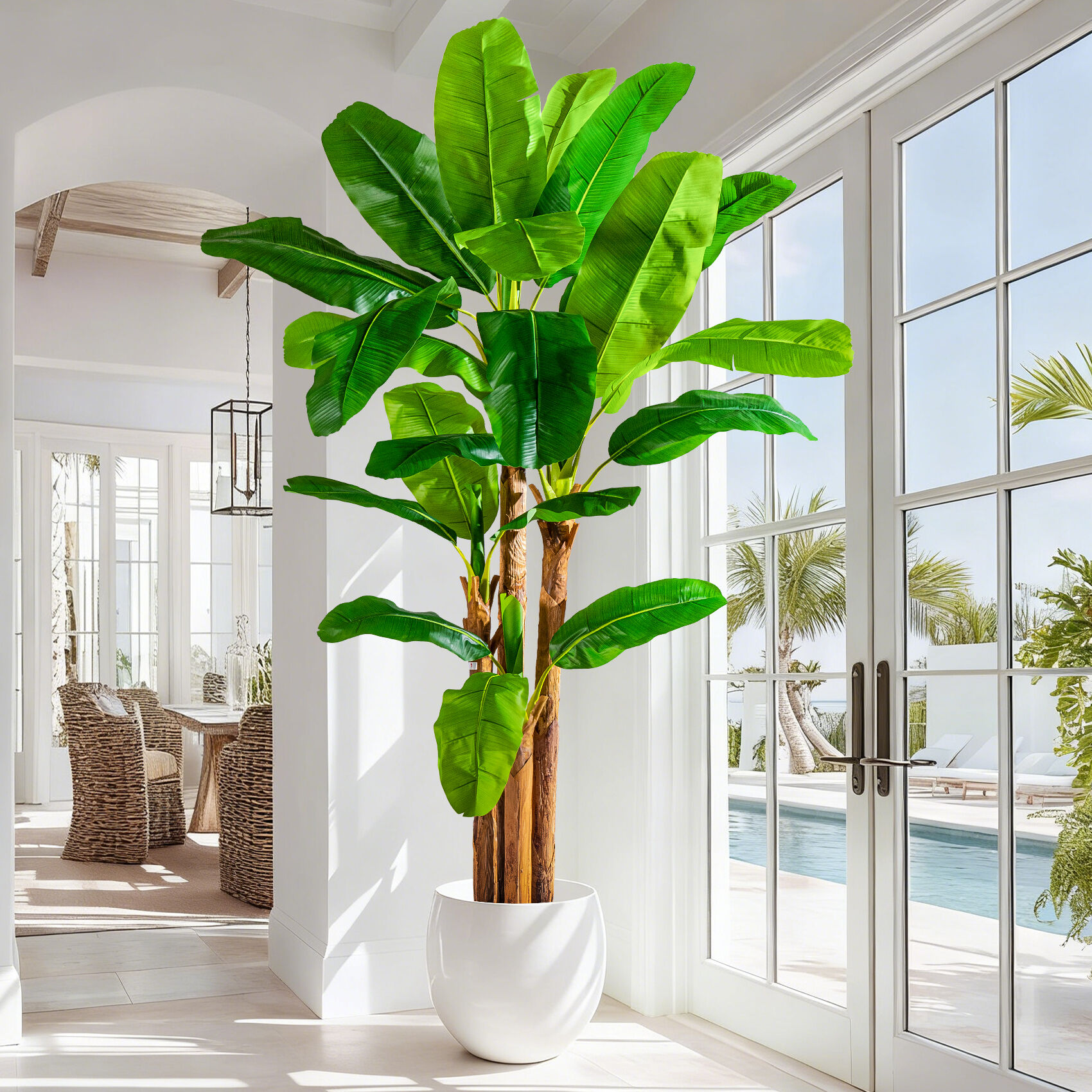
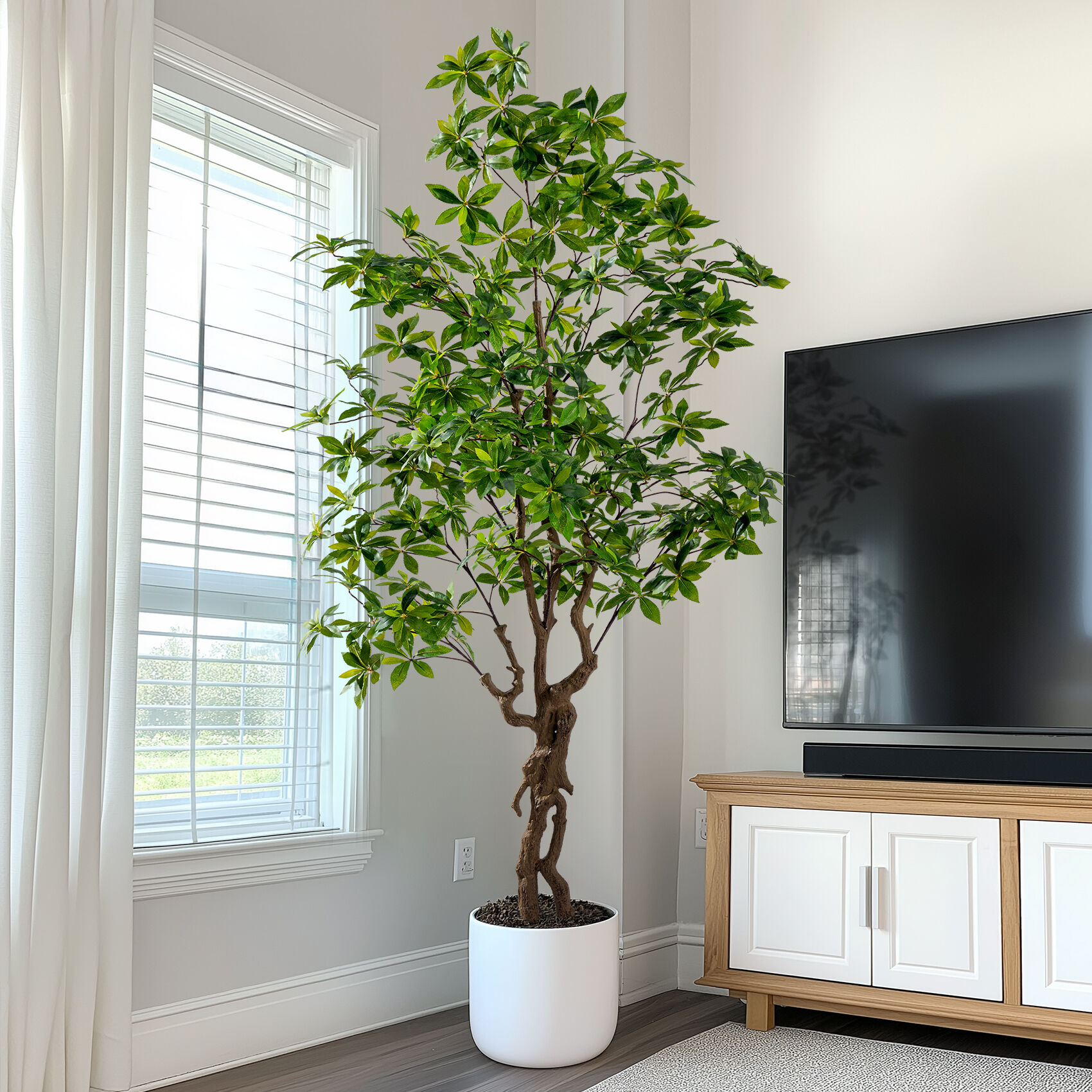
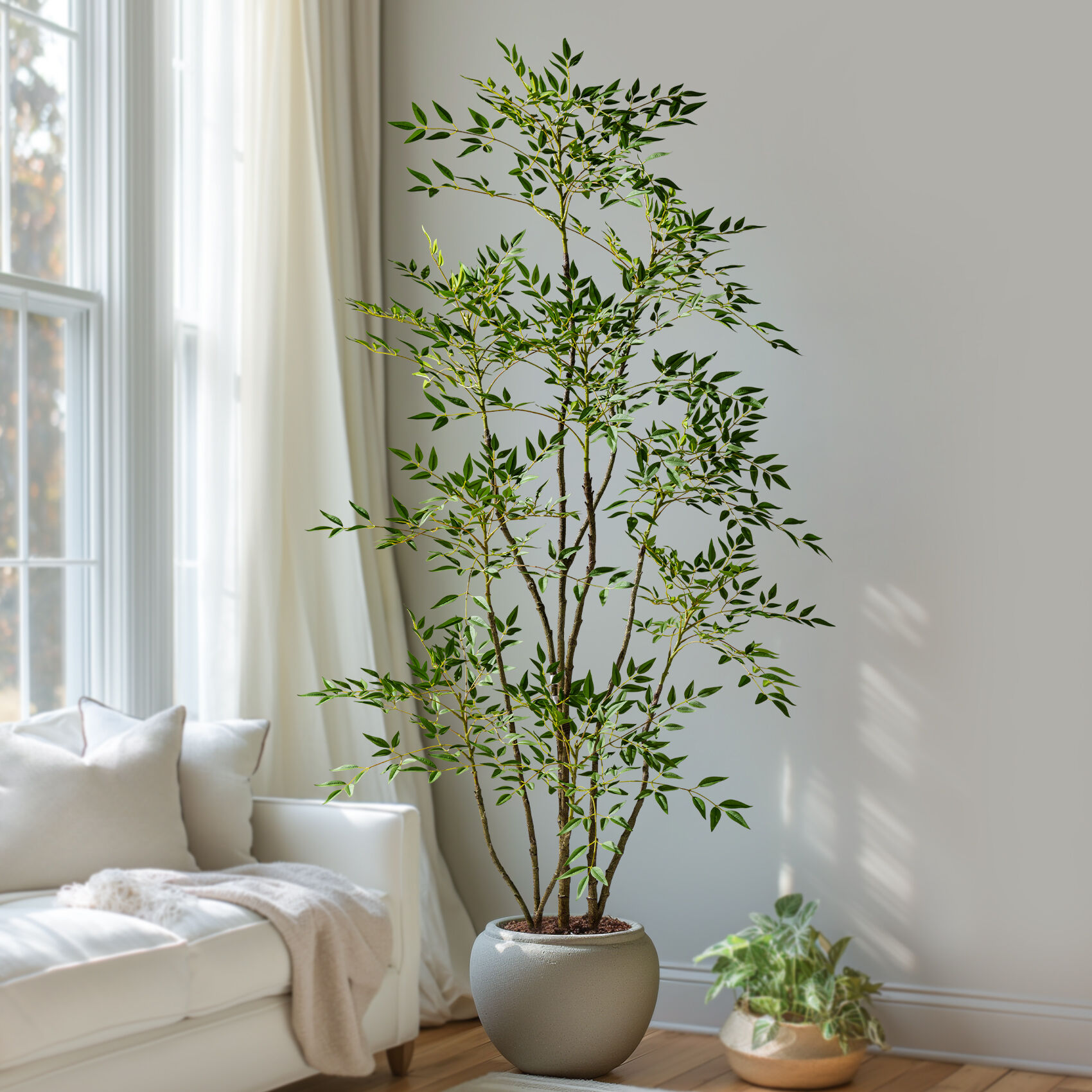
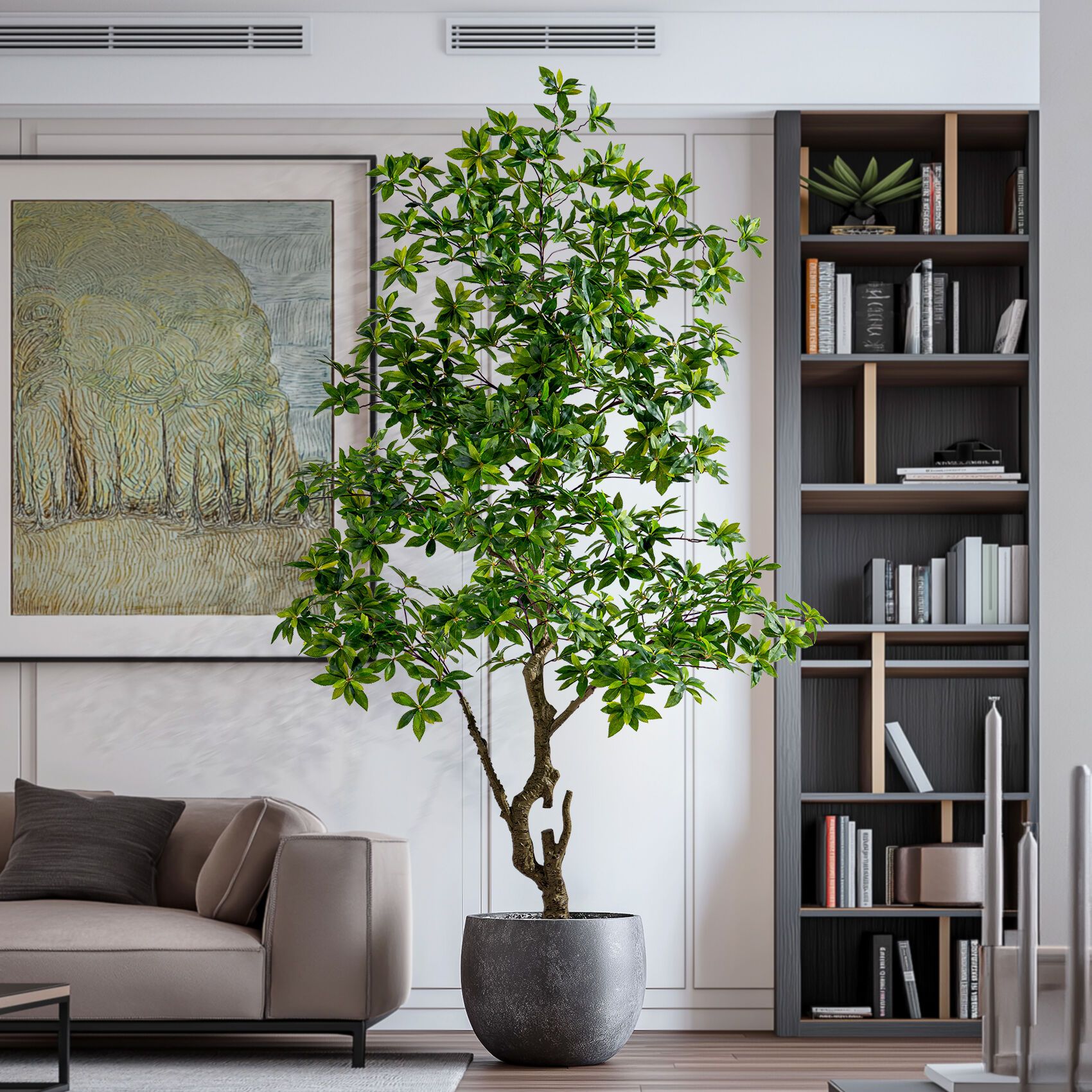
The best artificial trees for indoors provide unmatched placement flexibility that transforms interior design possibilities, allowing homeowners and designers to incorporate greenery in previously impossible locations while maintaining complete creative control over spatial arrangements. Unlike living trees that require specific lighting conditions, soil drainage, and climate considerations, artificial alternatives adapt to any environment, enabling placement in windowless bathrooms, dark hallways, temperature-controlled server rooms, or other challenging locations where natural plants would fail. The modular design features of premium artificial trees allow for extensive customization, with adjustable branches that can be shaped and reshaped to fit specific spaces or design visions without permanent commitment to particular configurations. Size options range from compact tabletop specimens to dramatic floor-to-ceiling installations, providing solutions for every spatial requirement and design scale. The absence of growth constraints means artificial trees maintain their intended proportions indefinitely, supporting long-term design plans without concerns about overgrowth disrupting carefully balanced room compositions. Installation flexibility includes various mounting and positioning options, from traditional pot placements to built-in planters, wall-mounted configurations, or ceiling-suspended installations that create unique visual effects. Seasonal decoration possibilities expand significantly with artificial trees, as they safely support holiday ornaments, lighting systems, or themed decorations without concerns about plant health or damage from additional weight or heat sources. Commercial applications benefit from the predictable appearance and performance characteristics that support brand consistency across multiple locations, ensuring uniform visual impact in retail chains, hotel networks, or corporate office environments. The ability to create dramatic focal points in areas with foot traffic restrictions, weight limitations, or accessibility requirements makes artificial trees valuable for public spaces, healthcare facilities, and educational institutions where live plants might present maintenance or safety challenges. Design theme flexibility allows for easy coordination with evolving interior styles, color schemes, or seasonal preferences without the constraints imposed by living plants' natural characteristics or care requirements that might conflict with aesthetic goals or practical considerations.

 EN
EN