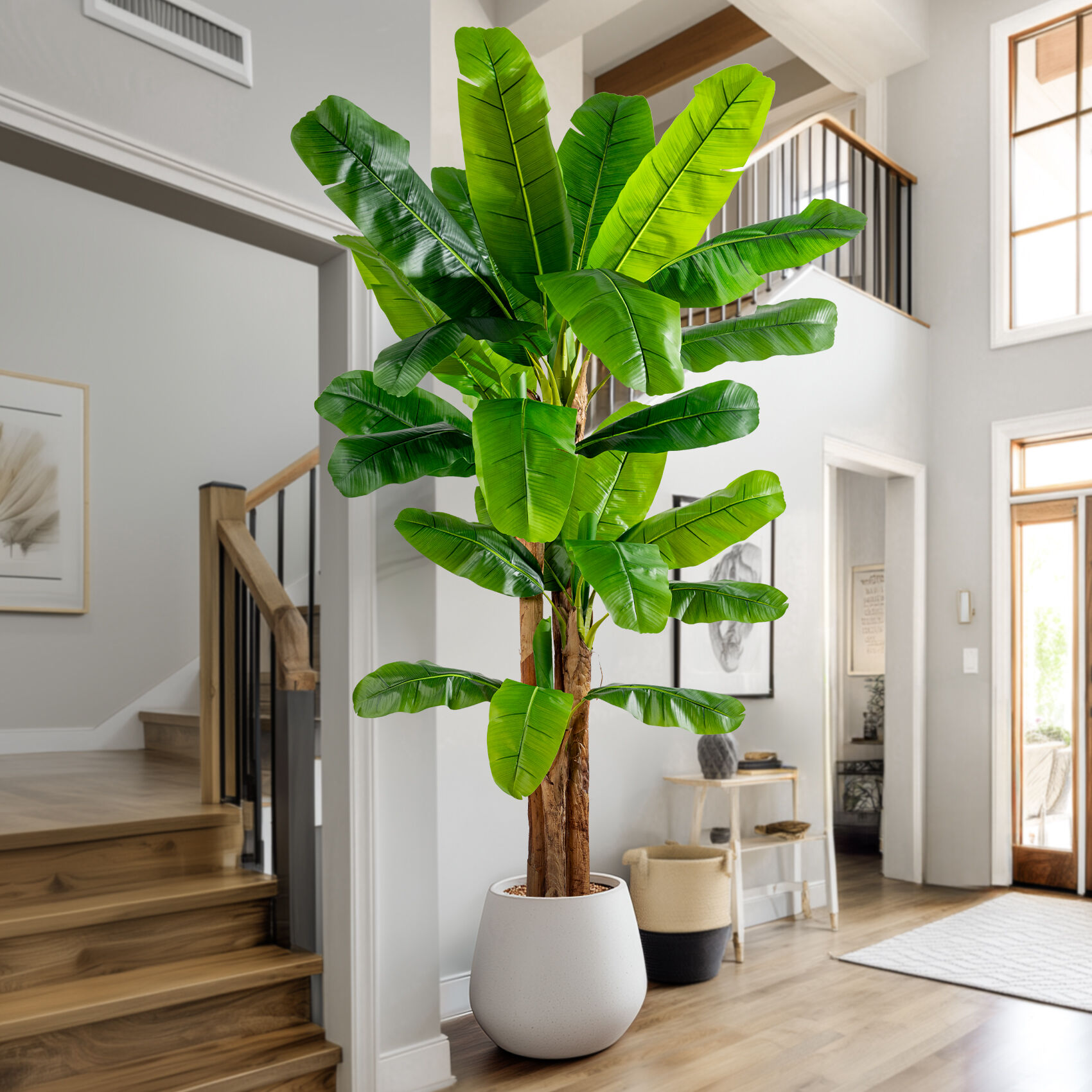
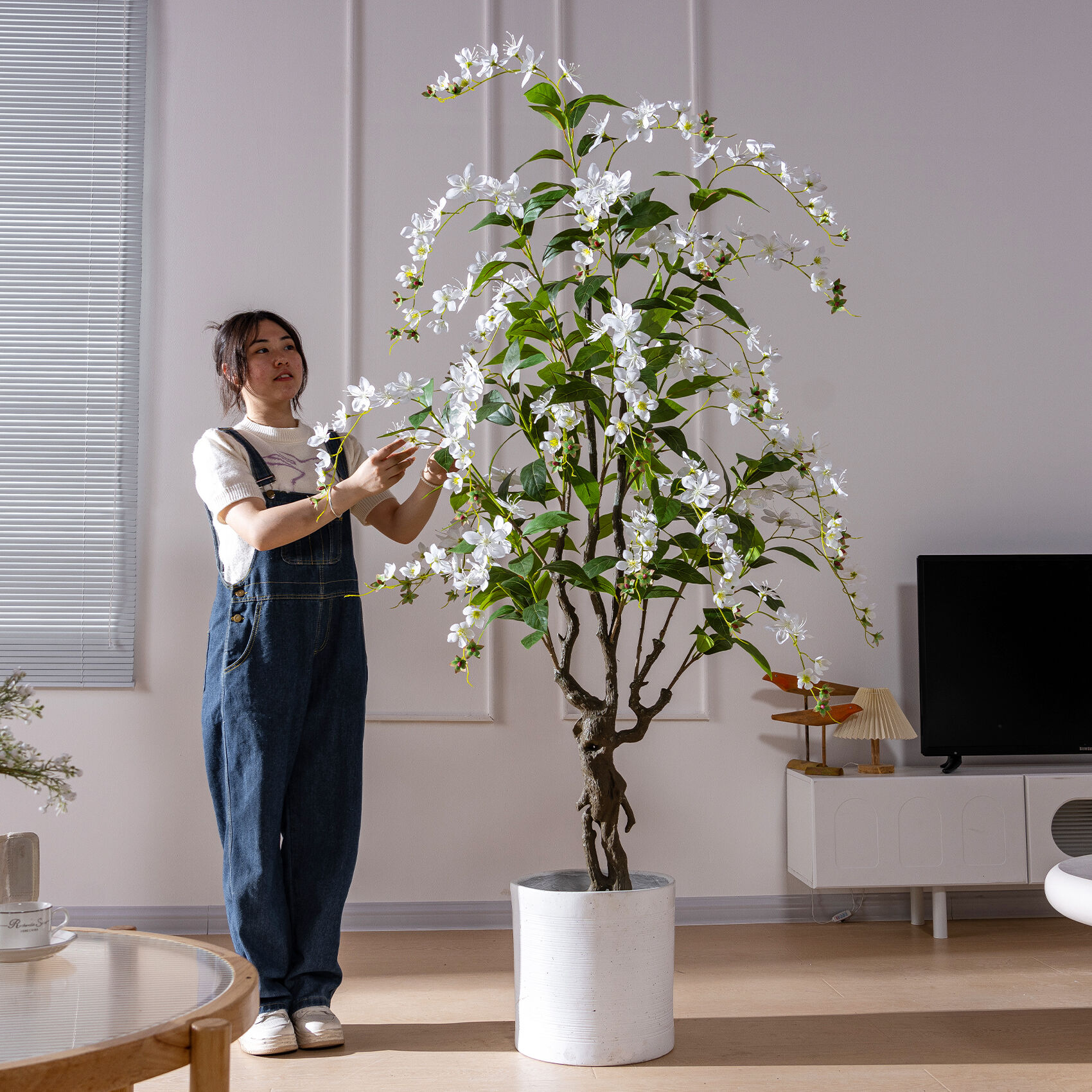
artificial coconut palm trees
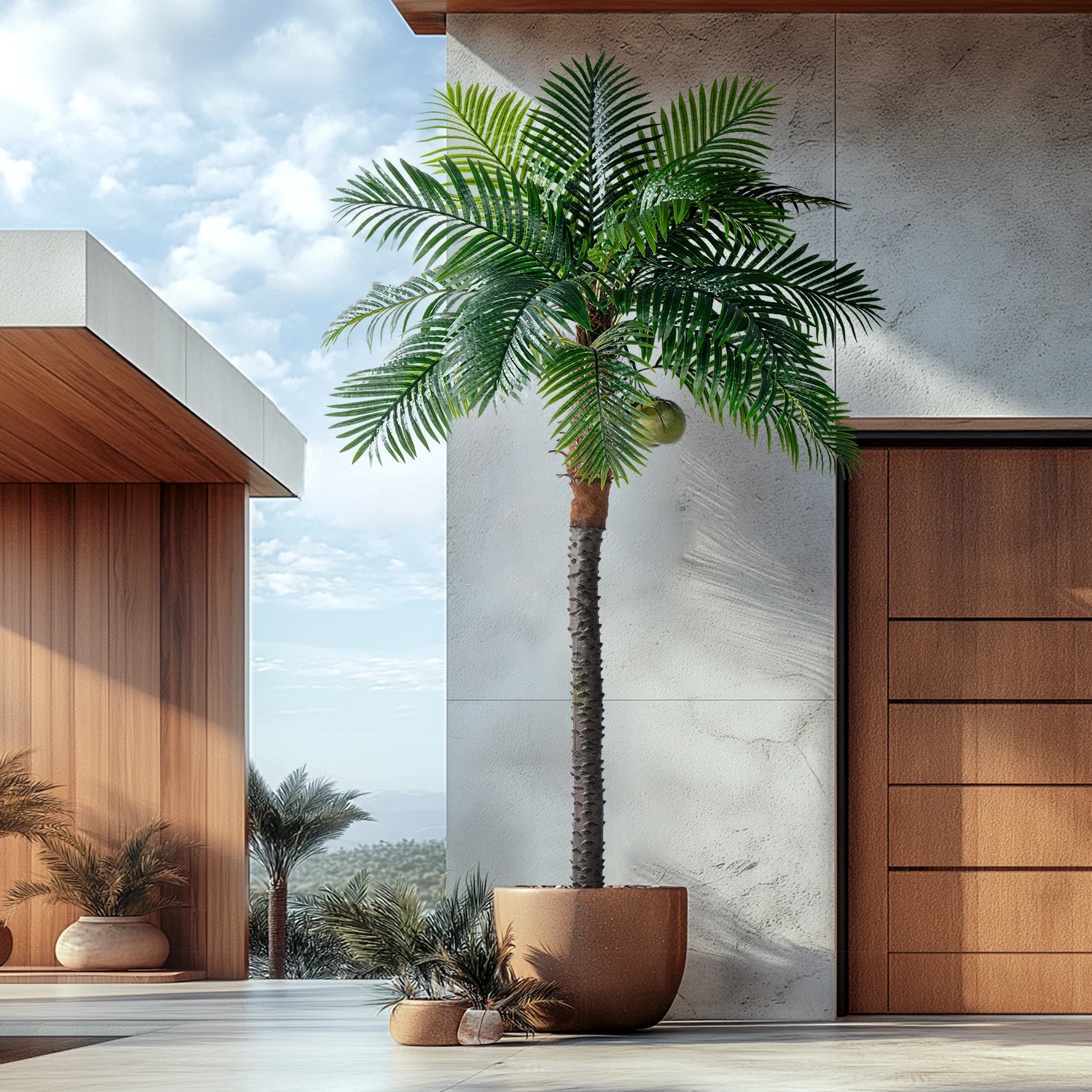
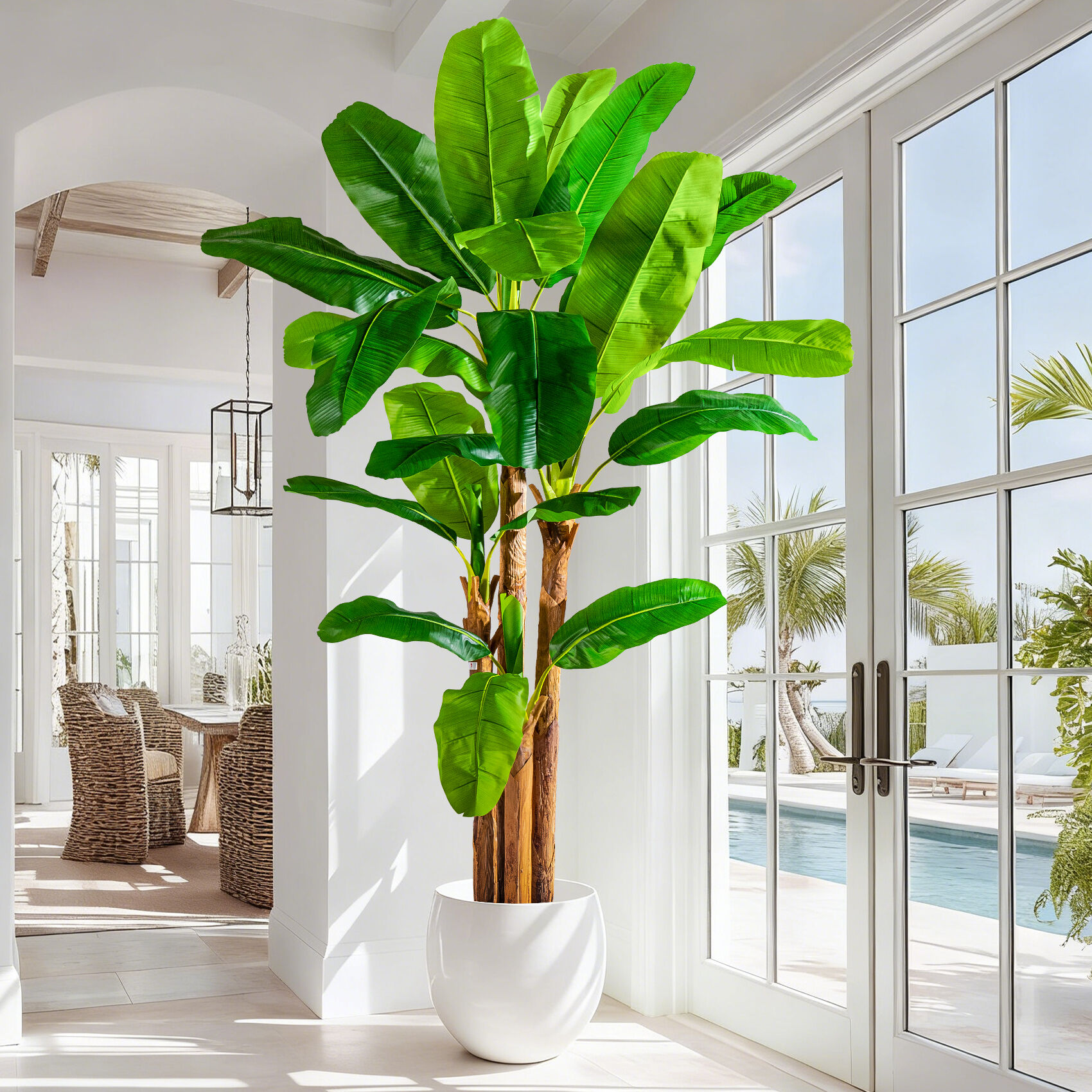
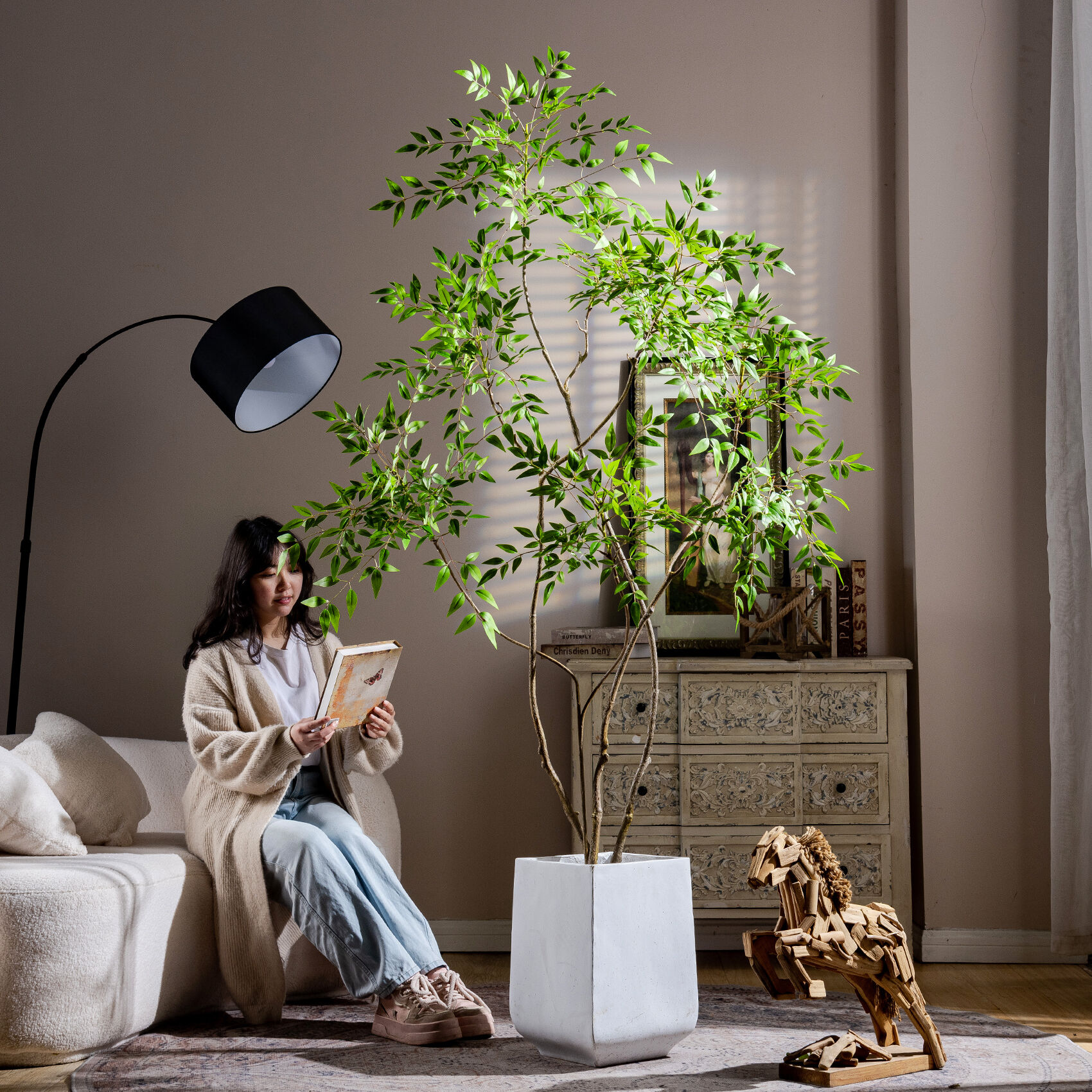
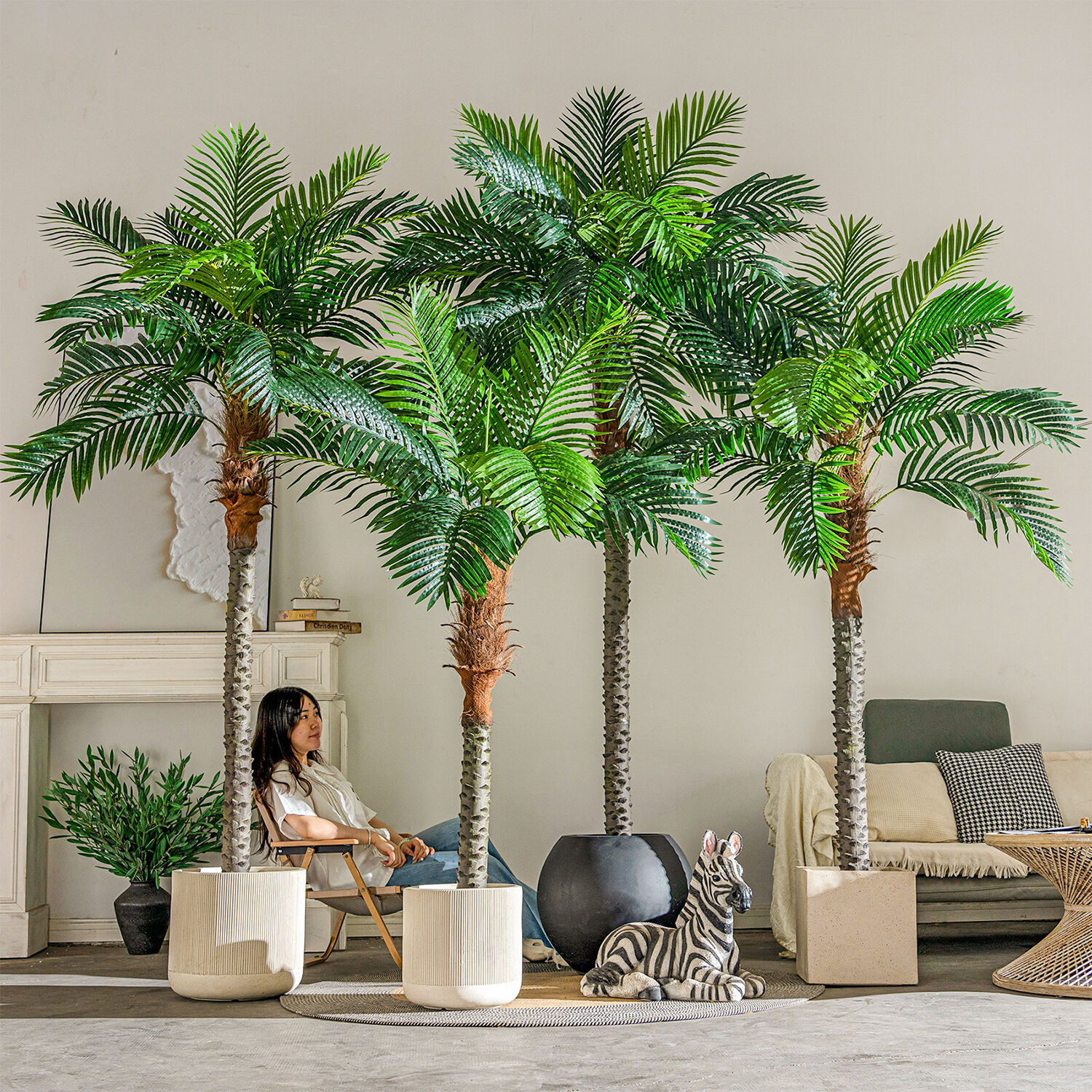
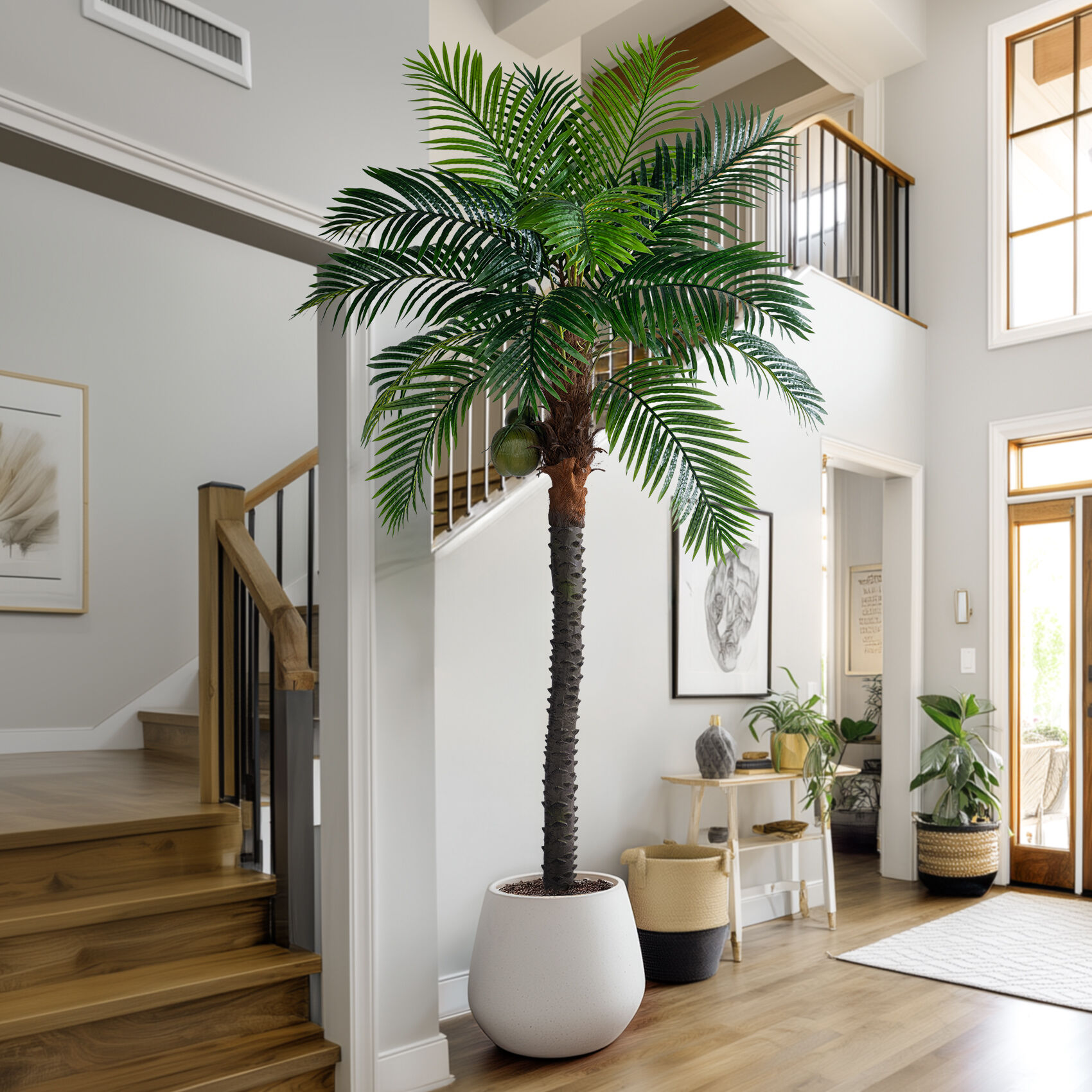
Artificial coconut palm trees represent a revolutionary breakthrough in decorative landscaping technology, offering property owners and designers an innovative solution that captures the tropical essence without the maintenance challenges of living plants. These meticulously crafted replicas utilize advanced materials and manufacturing techniques to create stunning visual displays that remain vibrant year-round. The primary function of artificial coconut palm trees extends beyond mere decoration, serving as focal points for commercial spaces, residential properties, theme parks, restaurants, and hospitality venues seeking to establish an authentic tropical atmosphere. Technologically, these artificial coconut palm trees incorporate weather-resistant polymers, UV-stabilized materials, and reinforced internal frameworks that ensure structural integrity in various environmental conditions. The manufacturing process involves detailed molding techniques that replicate the natural texture, coloration, and dimensional characteristics of genuine coconut palms, creating remarkably realistic appearances that fool even discerning observers. Advanced fiber technology enables the creation of flexible fronds that move naturally in breezes while maintaining their shape and color over extended periods. The trunk construction features realistic bark texturing achieved through specialized molding processes that capture every detail of natural coconut palm bark patterns. Applications for artificial coconut palm trees span numerous industries and settings, including retail environments, shopping centers, hotels, resorts, restaurants, entertainment venues, residential landscaping, office buildings, and event spaces. Interior designers frequently incorporate these trees into lobby areas, atriums, and dining spaces to create immersive tropical environments that transport visitors to exotic destinations. The modular design of many artificial coconut palm trees allows for customization in height, frond density, and overall appearance to match specific design requirements and spatial constraints. Installation versatility enables placement in locations where natural palms would be impossible to maintain, such as indoor spaces with limited natural light or areas with extreme temperature fluctuations.

 EN
EN