
 EN
EN

Selecting the perfect artificial tree for commercial spaces requires careful consideration of multiple factors that impact both aesthetics and functionality. Modern businesses increasingly rely on high-quality synthetic greenery to create welcoming environments without the maintenance demands of living plants. The right artificial tree can transform a sterile lobby into an inviting space while providing year-round consistency in appearance and requiring minimal upkeep.
Professional interior designers and facility managers face unique challenges when incorporating greenery into commercial environments. Budget constraints, maintenance limitations, and the need for consistent visual appeal make artificial trees an increasingly popular choice for corporate settings. Understanding how to select appropriate sizes ensures optimal impact while maintaining proportional balance within architectural constraints.
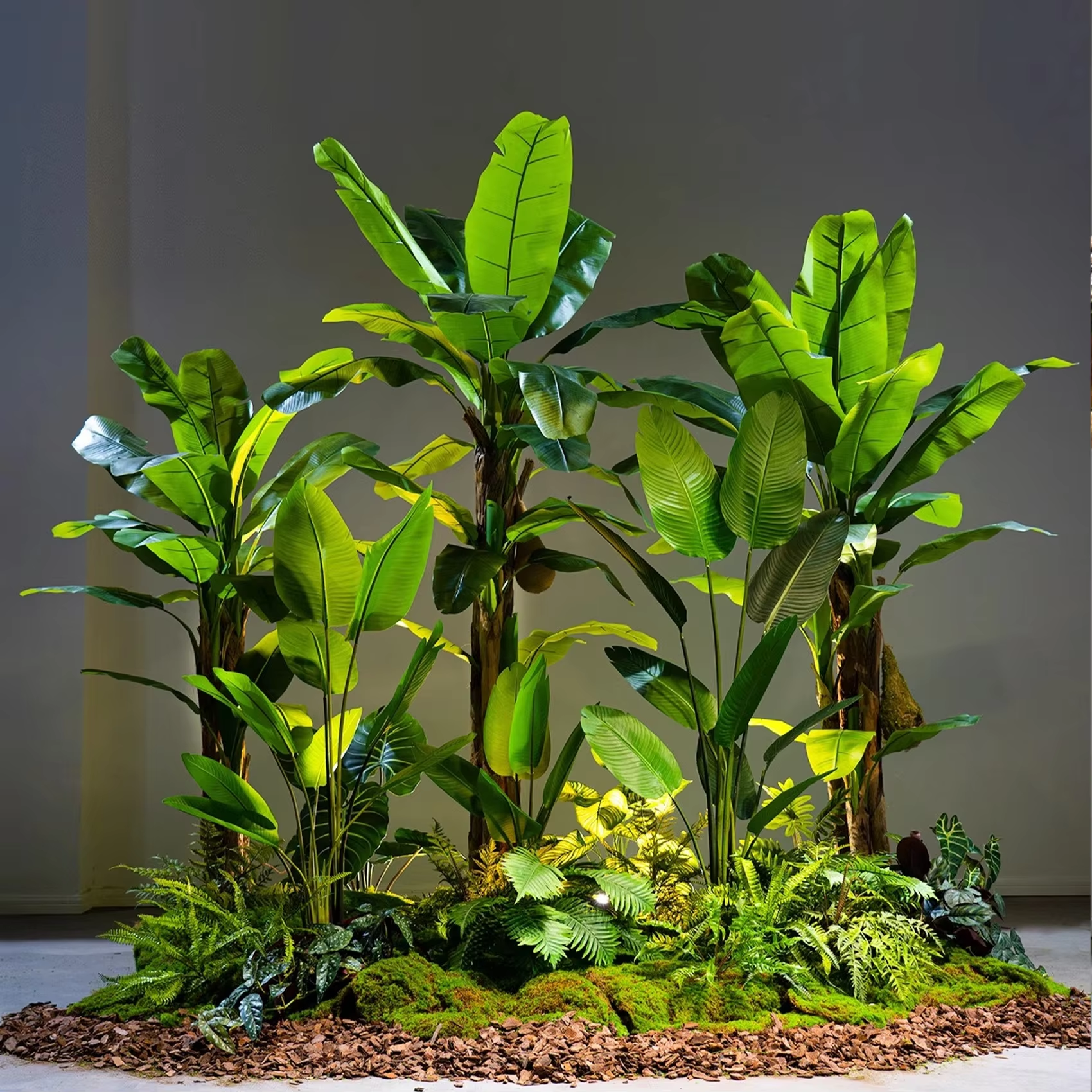
Understanding Space Proportions and Scale
Ceiling Height Considerations
The relationship between ceiling height and artificial tree size forms the foundation of successful installation planning. Standard commercial ceilings ranging from 10 to 15 feet accommodate trees measuring 6 to 12 feet in height, allowing adequate clearance for safety and visual balance. Higher ceilings in atriums or grand lobbies can support larger specimens, with 15 to 25-foot spaces accommodating trees up to 20 feet tall.
Professional designers recommend maintaining at least 2 to 3 feet of clearance between the tree canopy and ceiling structures. This spacing prevents the artificial tree from appearing cramped while ensuring proper air circulation around HVAC systems. Additionally, adequate clearance facilitates maintenance activities and reduces the risk of damage to both the tree and building systems.
Floor Space Requirements
Ground-level footprint calculations must account for both the tree base and the natural spread of branches at maturity. Most commercial-grade artificial trees require a circular area with a diameter approximately equal to two-thirds of the tree's height. A 12-foot artificial tree typically needs an 8-foot diameter space to accommodate proper branch extension without interference.
Traffic flow patterns significantly influence placement decisions, as artificial trees should enhance rather than obstruct pedestrian movement. Strategic positioning near walls or in alcoves maximizes visual impact while preserving essential circulation paths. Consider wheelchair accessibility requirements and emergency egress routes when determining final placement locations.
Material Quality and Construction Standards
Trunk and Branch Framework
Premium artificial tree construction relies on durable internal armatures that support realistic branch positioning and long-term structural integrity. Steel or heavy-duty aluminum frameworks provide necessary strength for larger installations while maintaining flexibility for natural-looking branch arrangements. The trunk diameter should proportionally match the overall height, with larger trees requiring more substantial base support systems.
Branch attachment methods vary significantly among manufacturers, with welded connections offering superior durability compared to clip-on or friction-fit systems. High-quality artificial trees feature multiple branch layers that create depth and visual complexity, mimicking natural growth patterns found in living specimens. Professional-grade options include UV-resistant coatings that prevent color fading in areas with significant natural light exposure.
Foliage Density and Realism
Leaf density directly impacts the visual weight and presence of an artificial tree within commercial spaces. Optimal density creates full, lush appearance without appearing overly dense or artificial. Premium manufacturers achieve realistic effects through varied leaf sizes, multiple green tones, and strategic placement of different foliage types throughout the canopy.
Modern synthetic materials replicate natural textures through advanced manufacturing techniques that create realistic vein patterns and surface variations. Fire-resistant treatments ensure compliance with commercial building codes while maintaining aesthetic appeal. Quality foliage resists dust accumulation and facilitates easy cleaning through gentle washing or compressed air application.
Installation and Maintenance Considerations
Base Stability Systems
Proper anchoring systems prevent artificial tree movement while distributing weight evenly across floor surfaces. Weighted bases typically range from 50 to 200 pounds depending on tree height, with larger installations requiring professional-grade mounting solutions. Some commercial applications benefit from permanent floor anchoring systems that secure the tree base while allowing for seasonal repositioning.
Decorative planters or containers can enhance the overall presentation while concealing utilitarian base components. These elements should complement existing architectural finishes and maintain consistent design themes throughout the space. Consider incorporating drainage systems if the artificial tree shares space with living plants or water features.
Long-term Care Requirements
Regular maintenance schedules ensure artificial trees maintain their appearance and continue providing desired aesthetic benefits. Monthly dusting using microfiber cloths or soft brushes removes accumulated particles without damaging delicate foliage surfaces. Periodic deep cleaning with mild soap solutions restores original colors and removes stubborn contaminants.
Seasonal inspections identify potential issues such as loose branches, fading areas, or structural wear that may require professional attention. Preventive maintenance extends the useful life of commercial artificial trees while preserving their investment value. Documentation of care activities supports warranty claims and demonstrates proper stewardship of facility assets.
Design Integration and Aesthetic Impact
Color Coordination and Style Matching
Successful artificial tree integration requires careful attention to existing color palettes and design themes within commercial environments. Green tones should complement rather than clash with wall colors, flooring materials, and furniture selections. Professional designers often select trees with subtle color variations that add visual interest without overwhelming surrounding elements.
Contemporary office environments benefit from clean-lined artificial tree species with structured branching patterns that echo modern architectural elements. Traditional settings may favor more organic forms with irregular branching and varied foliage textures. The selected artificial tree should reinforce rather than contradict the intended atmosphere and brand image.
Lighting Enhancement Strategies
Strategic lighting placement dramatically enhances the visual impact of artificial trees while creating dynamic shadows and highlights throughout the day. Uplighting from concealed fixtures emphasizes canopy structure while providing ambient illumination for surrounding areas. Accent lighting can highlight specific branch formations or create dramatic silhouettes against walls or architectural features.
Energy-efficient LED systems offer precise color temperature control while minimizing heat generation that could damage synthetic materials. Programmable lighting controls enable seasonal adjustments and special event configurations that maintain visual interest throughout the year. Consider smart building integration options that automatically adjust lighting based on occupancy patterns or natural light levels.
Cost Analysis and Return on Investment
Initial Investment Considerations
Premium artificial trees represent significant upfront investments that require careful budget planning and justification. Costs vary widely based on size, quality, and complexity, with commercial-grade specimens ranging from several hundred to several thousand dollars. Factor in installation expenses, specialized equipment needs, and potential structural modifications when calculating total project costs.
Comparative analysis should include long-term operational costs associated with living plant alternatives, including irrigation systems, specialized lighting, pest control, and regular plant replacement. High-quality artificial trees typically provide superior return on investment through eliminated maintenance costs and consistent appearance over extended service lives.
Lifecycle Value Assessment
Professional-grade artificial trees can provide decades of service with proper care and maintenance, making them cost-effective solutions for permanent installations. Calculate annual ownership costs by dividing total investment by expected service life, typically 15 to 25 years for premium products. This analysis often reveals significant savings compared to ongoing expenses associated with living plant programs.
Consider additional benefits such as improved indoor air quality perception, reduced allergen concerns, and enhanced brand image when evaluating overall value. Artificial trees eliminate weather-related damage risks and provide consistent visual appeal regardless of seasonal conditions or building system failures.
FAQ
What size artificial tree works best in a 12-foot ceiling lobby
For standard 12-foot commercial ceilings, artificial trees measuring 8 to 10 feet in height provide optimal proportions while maintaining adequate clearance for safety and visual balance. This sizing allows the tree to create significant presence without overwhelming the space or appearing cramped against ceiling fixtures. Consider the specific floor area available and ensure at least 6 to 8 feet of diameter space for proper branch extension.
How do I determine the appropriate base weight for my artificial tree
Base weight requirements typically equal 10 to 15 percent of the total tree height in pounds for indoor installations. A 10-foot artificial tree should have a base weighing 100 to 150 pounds to ensure stability during normal building air circulation and foot traffic. Areas with high pedestrian traffic or near building entrances may require heavier bases or permanent anchoring systems for additional security.
Can artificial trees be relocated after installation
Most commercial artificial trees can be relocated with proper planning and equipment, though frequent moves may cause branch damage or loosening of connection points. Trees with weighted bases offer the most flexibility for repositioning, while permanently anchored installations require professional removal and reinstallation. Plan initial placement carefully to minimize future relocation needs and associated costs.
What maintenance schedule should I follow for commercial artificial trees
Establish monthly dusting schedules using microfiber cloths or soft brushes to maintain appearance and prevent particle accumulation. Conduct quarterly detailed inspections to identify loose branches, structural issues, or areas requiring deeper cleaning attention. Annual professional cleaning and maintenance ensures optimal appearance and extends the useful life of your artificial tree investment while maintaining warranty coverage.