
 EN
EN
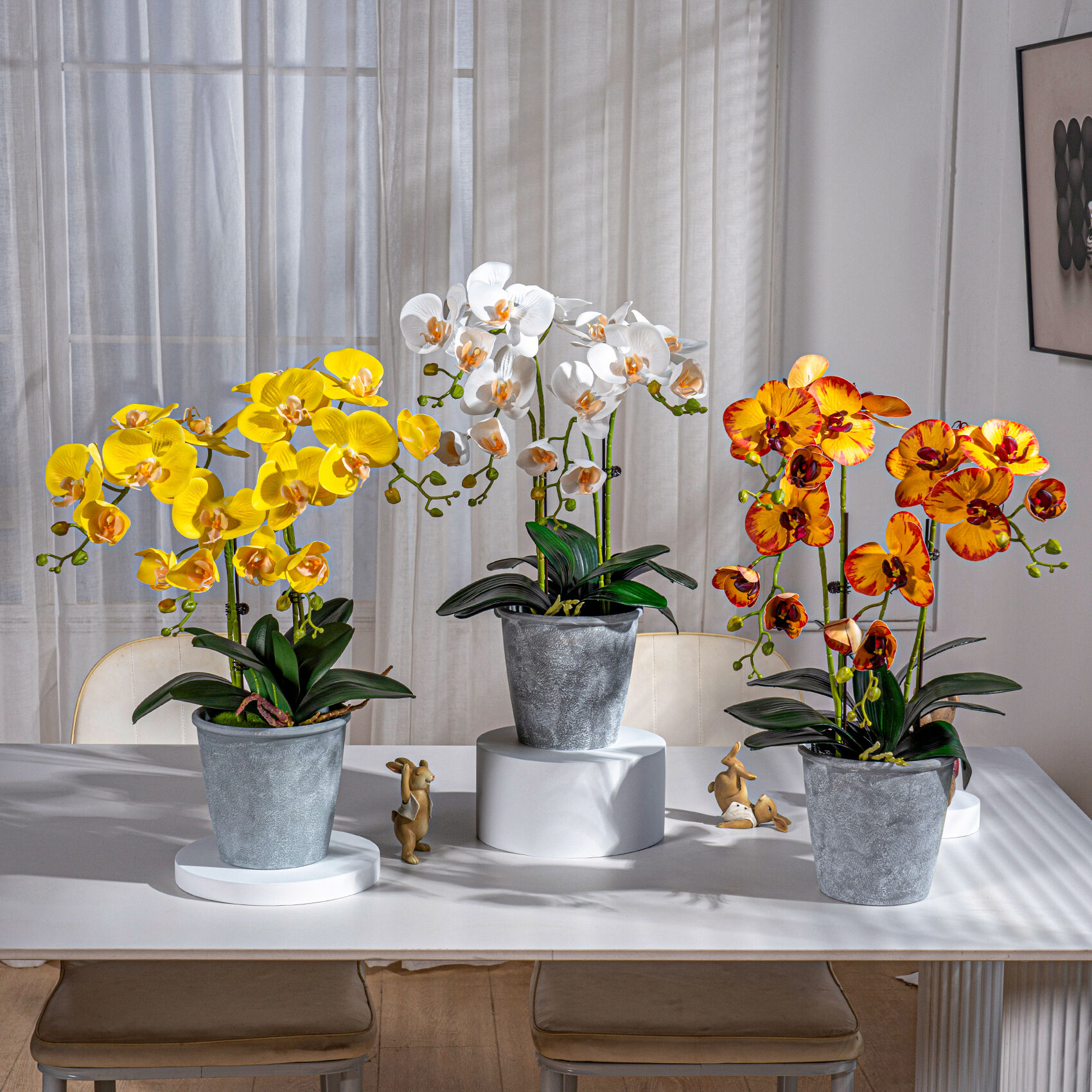
Hotelska in turistična industrija je umetno zelenjavo sprejela kot izvirno rešitev za ustvarjanje privlačnih, nizko vzdrževanih okolij, ki goste osvojijo vse leto. Hoteli in kurorti po vsem svetu ugotavljajo, da visokokakovostna umetna zelenjava ponuja estetsko privlačnost živih rastlin brez operativnih izzivov, kot so polivanje, obrezovanje ali zamenjava uvelih listov. Ta izčrpni vodnik za nakup raziskuje strateške prednosti vključitve umetne zelenjave v oblikovalske projekte v hotelski in turistični panogi, od butik hotelov do razsežnih kurortnih objektov.
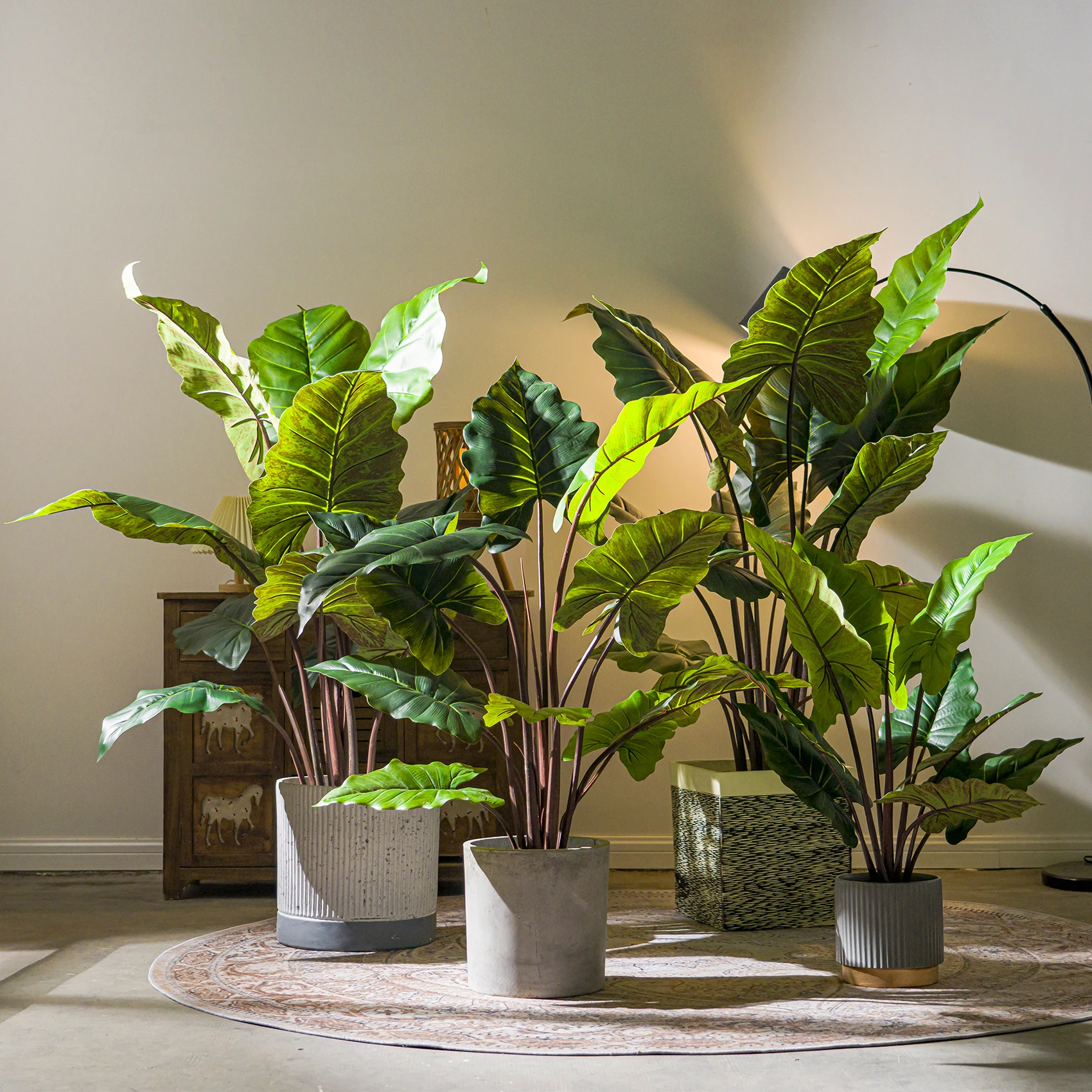
Sodobni dizajn gostinstva zahteva elemente, ki uravnotežijo vizualni učinek z praktično funkcionalnostjo. Umetska zelenjava izpolnjuje te zahteve, saj zagotavlja stalno lepoto, ki zdrži različne razmere osvetlitve, nihanja temperature in visoko prometna okolja, kot so tipična za hotele in kurorte. Upravitelji nepremičnin cenijo dolgoročne varčevalne učinke in zmanjšane zahteve za vzdrževanje, medtem ko dizajnerji cenijo kreativno fleksibilnost, ki jo umetska zelenjava ponuja tako za notranje kot tudi za zunanjih aplikacije.
Strategski prednosti umetne zelenjave v dizajnu gostinstva
Stroškovna učinkovitost in upravljanje proračuna
Hoteli in kurorti, ki delujejo z omejenimi proračuni, ugotavljajo, da umetna zelenjava ponuja izjemno vrednost zaradi znižanih stalnih stroškov vzdrževanja. V nasprotju z živimi rastlinami, ki zahtevajo redno zamenjavo, posebno negovalno osebje ter stalne stroške vode in gnojil, umetna zelenjava ohrani svoj videz leta naprej z minimalnim poseganjem. Upravitelji nepremičnin lahko sredstva za vzdrževanje usmerijo v druge ključne področja, hkrati pa zagotovijo, da ostanejo njihovi zeleni prostori gostom vedno privlačni.
Začetna naložba v kakovostno umetno zelenjavo se običajno povrne že v prvem letu zaradi odpravljenih stroškov zamenjave rastlin in zmanjšanih potreb po delovni sili. Projekti večjih hotelov koristijo od možnosti nakupa na debelo, ki še dodatno znižajo stroške na enoto, kar umetno zelenjavo naredi ekonomsko smiselno izbiro za nepremičnine, ki želijo maksimirati učinek oblikovanja, hkrati pa nadzorovati obratovalne stroške.
Prednosti trdnosti in dolgoročnosti
Visokokakovostna umetna zelenjava zdrži zahtevne pogoje, ki so pogosti v gostinskih okoljih, vključno s stalnim peškim prometom, različnimi ravni vlažnosti in izpostavljenostjo čistilnim kemikalijam. Premium umetni rastlini odporni na bleščenje zaradi UV-sevanja so primerni tako za notranje predprostore kot tudi za zunanje bazenske površine, kjer bi žive rastline morda težko preživele.
Trajnost umetne zelenjave zagotavlja stalno vizualno privlačnost skozi spreminjajoče se letne čase in različne ravni zasedenosti. Hoteli lahko ohranjajo svoj zeleni estetični videz tudi v vrhunskih obdobjih, ko so kadrovski viri usmerjeni v storitve gostom namesto v vzdrževanje rastlin, kar zagotavlja, da ima objekt vedno izvirno in profesionalno podobo za obiskovalce.
Uporabne aplikacije oblikovanja in strategije postavitve
Izboljšava predprostorov in skupnih površin
Predprostori hotelov predstavljajo prvi vtis za goste, zato je strateška postavitev umetne zelenjave ključnega pomena za ustvarjanje prijetnih atmosfer. Veliki umetna drevesa lahko določijo sedežne cone in ustvarijo naravne osrednje točke, medtem ko manjša umetna rastlina dodaja teksturo in toplino recepcijskim mizam ter pogovornim conam. Raznolikost umetne zelenjave omogoča oblikovalcem, da ustvarijo bujne okolja tudi v prostorih brez oken ali z majhno osvetlitvijo, kjer bi žive rastline ne uspele cveteti.
Skupne cone profitirajo od ureditev umetne zelenjave, ki dopolnjujejo obstoječo pohištvo in arhitekturne elemente. Umetne zelene površine lahko postavimo tako, da usmerjajo pretok gostov, ustvarjajo pregrade za zasebnost ali omehčajo ostre arhitekturne linije, s čimer prispevajo k splošni vzdušnosti in funkcionalnosti skupnih prostorov.
Vključitev v sobe za goste
Gostinske sobe ponujajo edinstvene priložnosti za vključitev umetne zelenjave, zlasti v objektih, ki želijo ustvariti izkušnje v slogu spaja ali naravnega okolja. Kompaktni umetni rastlini lahko izboljšata nočne omarice, pisalne površine in kopalniške prostore brez dodatne vzdrževalne obremenitve za osebje za čiščenje. Enotnost umetne zelenjave zagotavlja, da vsaka gostinska soba ohrani enako visoko raven predstavitve ne glede na sezonske spremembe ali razpoložljivost osebja.
Umetna zelenjava v gostinskih sobah prispeva k izboljšanemu dojemanju kakovosti zraka in višjim ocenam zadovoljstva gostov. Študije kažejo, da gostje zeleni prostore povezujejo z čistočo in pozornostjo do podrobnosti, kar naredi umetno zelenjavo dragoceno naložbo za izboljšanje gostujske izkušnje. Nizka vzdrževalna zahtevnost umetnih rastlin zmanjšuje tudi tveganje izpostavljenosti alergenom za občutljive goste, hkrati pa ohranja psihološke koristi povezave z naravo.
Standardi kakovosti in merila za izbiro
Specifikacije materiala in kakovost izdelave
Umetska zelena rastlina profesionalne kakovosti za uporabo v gostinstvu zahteva določene lastnosti materiala, da zagotovi dolgotrajnost in vizualno verodostojnost. Visokokakovostne umetne rastline uporabljajo polimere, odporne proti UV-žarkom, ter napredne barvne tehnike, ki preprečujejo izbeljevanje in ohranjajo realističen videz pri različnih razmerah osvetlitve. Materiali, odporni proti ognju, izpolnjujejo varnostne zahteve za hotele in gradbene predpise, kar lastnikom nepremičnin in zavarovalnim podjetjem zagotavlja mir duše.
Kazalniki kakovosti izdelave vključujejo okrepljeno izdelavo stebel, realistične razlike v teksturi in naravne prehode barv, ki posnemajo značilnosti živih rastlin. Premium umetna zelenjava ima ročno dokončane podrobnosti, različne velikosti listov in subtilne napake, ki povečujejo avtentičnost. Ti elementi kakovosti ločujejo profesionalno umetno zelenjavo od nižje kakovosti, ki se lahko očitno kaže kot umetna ali hitro podlegne obrabi v poslovnih okoljih.
Održivost in okoljske vprašanja
Sodobna izdelava umetne zelenjave vključuje trajnostne prakse in reciklabilne materiale, s čimer se obravnajo okoljske skrbi ter hkrati zagotavljajo praktične prednosti. Kvalitetne umetne rastline odpravijo potrebo po pesticidih, gnojilih in prekomerni porabi vode, povezani z vzdrževanjem živih rastlin, kar prispeva k zmanjšanemu okoljskemu vplivu v celotnem življenjskem ciklu.
Hoteli, ki sledijo trajnostnim certifikatom, ugotavljajo, da umetna zelenjava podpira njihove okoljske cilje z zmanjšanjem porabe vode in odpravo skrbi glede kemičnega odtoka. Dolga življenjska doba kakovostne umetne zelenjave zmanjšuje tudi nastajanje odpadkov v primerjavi z živimi rastlinami, ki jih je treba pogosto zamenjati, kar jo naredi okolju prijazen izbor za hotelska in gostinska objekta, ki se osredotočajo na trajnostne obratovanje.
Strategije pridobivanja in izbira dobaviteljev
Koristi nakupa v večji količini
Projekti večjih hotelov in kopališč se znatno izkoristijo s kupnimi dogovori za večje količine, ki omogočajo varčevanje s stroški in oblikovno skladnost na večih objektih. Naročila večjih količin omogočajo hotelom, da zagotovijo boljše cene, standardizirane ravni kakovosti ter usklajene razporede dobav, ki so usklajeni s časovnimi razporedi gradnje in prenove. Uveljavljeni dobavitelji ponujajo popuste za večje količine ter možnosti prilagoditve, ki pomagajo objektom doseči njihove specifične oblikovne cilje znotraj določenih proračunskih omejitev.
Nakup na veliko zagotavlja tudi enotnost videza umetne zelenjave na različnih območjih nepremičnine ali več nepremičnin znotraj verige hotelov. Ta enotnost podpira identiteto blagovne znamke in oblikovalske standarde ter poenostavlja postopke vzdrževanja in zamenjave. Hoteli lahko ohranjajo zaloge zalog za hitre zamenjave ali projekte razširitve, kar zagotavlja neprekinjen vizualni učinek brez dolgih zamud pri nabavi.
Ocena dobaviteljev in zagotavljanje kakovosti
Izbira zanesljivih dobaviteljev umetne zelenjave zahteva oceno proizvodnih zmogljivosti, procesov nadzora kakovosti in standardov storitev strankam. Uveljavljeni dobavitelji ponujajo podrobne specifikacije izdelkov, dokumentacijo o varnosti materialov in jamstveno pokritost, ki varuje naložbe v gostinstvo. Programi vzorcev omogočajo hotelom, da pred zaključitvijo večjih naročil preverijo kakovost umetne zelenjave in zagotovijo, da izbrane izdelki izpolnjujejo vizualne in trdnostne zahteve.
Dobro kakovostni dobavitelji ponujajo stalno podporo, vključno z navodili za namestitev, priporočili za vzdrževanje in razpoložljivostih nadomestnih delov. Ta celovit pristop k storitvam zagotavlja, da namestitve umetne zelenjave v hotelirstvu še naprej izpolnjujejo standarde gostinstva skozi celotno življenjsko dobo, kar maksimizira donos na naložbo in zadovoljstvo gostov.
Najboljše prakse za namestitev in održevanje
Tehnike strokovne namestitve
Pravilna namestitev maksimizira vizualni učinek in življenjsko dobo umetne zelenjave v gostinskih okoljih. Poklicni namestitveni strokovnjaki razumejo, kako umetne rastline postaviti za optimalne svetlobne učinke, jih varno pritrditi v območjih z visokim prometom ter jih integrirati v obstoječe arhitekturne elemente. Strategično postavitev zagotavlja, da umetna zelenjava izboljša, namesto da bi tekmovala z drugimi oblikovalskimi elementi, hkrati pa izpolnjuje varnostne in dostopnostne zahteve.
Načrtovanje namestitve upošteva dostop za vzdrževanje, zahteve glede čiščenja in morebitne potrebe po premestitvi za posebne dogodke ali obnove. Kakovostne namestitve vključujejo ustrezna rešitev za odvodnjo za umetno zelenjavo na prostem ter primerna sidrilska sistema, ki zdržijo veterni in vremenski vplive, ki so pogosti v okolju kurortov.
Zahtevki za stalno vzdrževanje
Čeprav umetna zelenjava zahteva minimalno vzdrževanje v primerjavi z živo rastlino, redno čiščenje in pregled zagotavljata nadaljnjo vizualno privlačnost in dolgo življenjsko dobo. Ustanove v gostinstvu imajo korist od uvedbe urnikov vzdrževanja, ki vključujejo izpiranje prahu, točkovno čiščenje in obdobje intenzivnega čiščenja za odstranitev nabranega umazanije in odpadkov, ki s časom lahko zatemnijo videz.
Protokoli za vzdrževanje naj bi upoštevali različne materiale umetne zelenjave in okoljske razmere, pri čemer zahtevajo zunanjih namestitve pogostejšega nadzora kot zaščitene notranje postavitve. Usposabljanje osebja za pravilne tehnike čiščenja preprečuje poškodbe in hkrati zagotavlja, da bo umetna zelenjava ohranila svoj premium videz v celotnem obdobju delovanja.
Stroškovna analiza in donos naložbe
Razmislek o začetnem naložbenem znesku
Hoteli, ki ocenjujejo naložbe v umetno zelenjavo, morajo upoštevati tako začetne stroške kot tudi dolgoročne operativne varčevalne učinke, da natančno ocenijo finančni vpliv. Kakovostna umetna zelenjava običajno zahteva višjo začetno naložbo kot žive rastline, a zagotavlja nadpovprečno vrednost z izključitvijo stalnih stroškov vzdrževanja in daljšimi intervali zamenjave. Načrtovanje proračuna naj vključuje stroške namestitve, morebitne spremembe infrastrukture ter začetne zaloge, potrebne za doseganje želenega oblikovalskega učinka.
Analiza stroškov kaže, da se umetna zelenjava postaja vedno bolj ekonomična z naraščanjem obsega projekta, saj večje namestitve koristijo od cen po količini in znižanih stroškov namestitve na enoto. Hoteli lahko izvajajo namestitev umetne zelenjave v fazah, s čimer raztegnejo začetno naložbo, hkrati pa takoj začnejo uživati v operativnih varčevanjih v že dokončanih območjih.
Dolgoročne finančne prednosti
Finančne prednosti umetne zelenjave segajo dlje od neposrednih varčevanj pri vzdrževanju in vključujejo znižane stroške zavarovanja, izboljšane ocene zadovoljstva gostov ter povečano vrednost nepremičnin. Hoteli poročajo o zmanjšanih skrbeh glede odgovornosti zaradi alergij na rastline, težav s škodljivci in škode, povzročene s povečano vlažnostjo, kar prispeva k nižjim premijam za zavarovanje in zmanjšani izpostavljenosti tveganju.
Izboljšave zadovoljstva gostov, povezane z doslednimi in privlačnimi prikazi umetne zelenjave, se odražajo v višji izkoriščenosti prostorov, boljših spletnih ocenah in večjem številu ponovnih rezervacij. Te povečave prihodkov skupaj z operativnimi varčevanji običajno prinesejo pozitivno donosnost naložbe znotraj 12–24 mesecev za večino projektov umetne zelenjave v hotelih.
Pogosta vprašanja
Kako dolgo umetna zelenjava trajajo v hotelih?
Visokokakovostna umetna zelenjava v hotelih ob pravilni vzdrževanju običajno ohrani odličen videz 5–8 let, v zaščitenih notranjih prostorih pa lahko trajajo tudi do 10 let. Trajnost je odvisna od kakovosti materiala, stopnje izpostavljenosti okolju in načinov vzdrževanja; premium umetna zelenjava ponuja nadpovprečno trdnost in odpornost proti izbelitvi, kar upravičuje višje začetne stroške naložbe.
Kateri varnostni vidiki glede požarov veljajo za umetno zelenjavo v hotelih?
Hoteli morajo zagotoviti, da umetna zelenjava izpolnjuje lokalne predpise o požarni varnosti in gradbenih predpisih, kar običajno zahteva uporabo materialov, odpornih proti ognju ali zaviralnih ogenj, ki so certificirani za komercialno rabo. Zanesljivi dobavitelji zagotavljajo dokumentacijo, ki potrjuje skladnost z ustreznimi varnostnimi standardi, namestitev pa mora zagotavljati zahtevane razdalje od virov toplote, izhodov za evakuacijo v sili in sistemov za gašenje požarov, kot jih določajo lokalne oblasti.
Kako se umetna zelenjava obnese na zunanjih območjih kurortov?
Umetna zelenjava, odporna proti UV-žarkom in posebej zasnovana za zunanjouporabno rabo, odlično deluje v kurortnih okoljih, saj ohranja barvo in strukturno celovitost tudi ob izpostavljenosti soncu, vetru in vremenskim razmeram. Vrhunska umetna zelenjava za zunanjouporabno rabo ima izboljšano gradbo materiala in specializirane premaze, ki preprečujejo bleščanje in razgradnjo, kar jo naredi primerno za območja okoli bazenov, teras in vrtov, kjer bi žive rastline morda težave.
Ali se umetna zelenjava lahko prilagodi določenim dizajnerskim temam za hotele
Da, strokovni dobavitelji umetne zelenjave ponujajo obsežne možnosti prilagajanja, vključno s specifičnimi vrstami rastlin, spremembo barv, prilagoditvijo velikosti in specializiranimi rešitvami za namestitev, da se prilegajo dizajnerskim temam hotelov in arhitekturnim zahtevam. Prilagojena umetna zelenjava omogoča hotelom doseči edinstvene estetske cilje, hkrati pa ohranja praktične prednosti umetnih rastlin in podpira identiteto blagovne znamke ter doslednost dizajna na vseh objektih.
Vsebina
- Strategski prednosti umetne zelenjave v dizajnu gostinstva
- Uporabne aplikacije oblikovanja in strategije postavitve
- Standardi kakovosti in merila za izbiro
- Strategije pridobivanja in izbira dobaviteljev
- Najboljše prakse za namestitev in održevanje
- Stroškovna analiza in donos naložbe
- Pogosta vprašanja