
 EN
EN
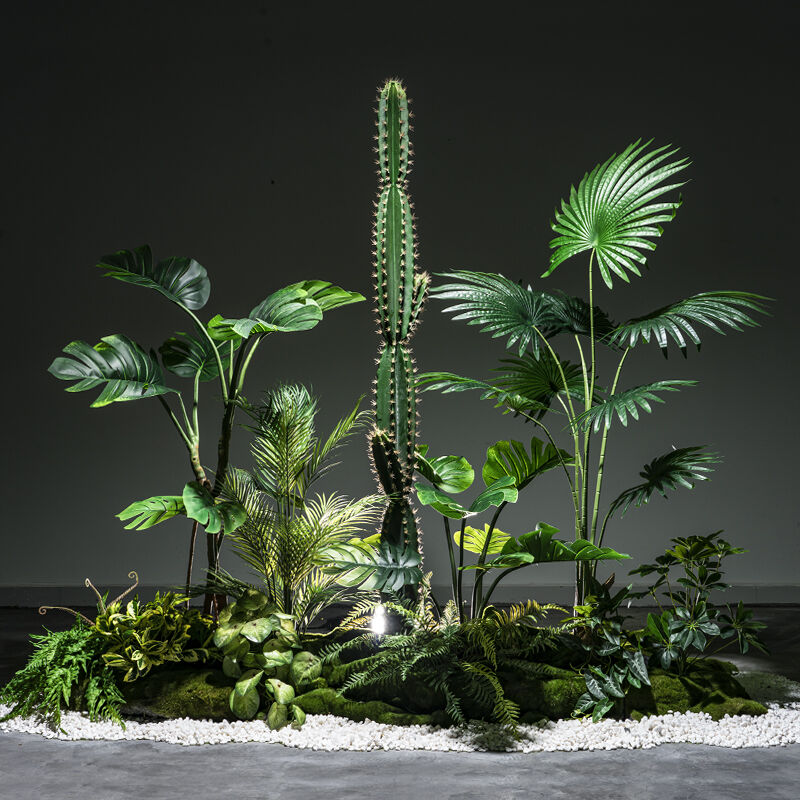
Modern businesses are increasingly recognizing the transformative power of artificial greenery in creating memorable brand experiences and enhancing their physical environments. Unlike traditional decorative elements, artificial greenery offers a unique combination of aesthetic appeal, practical benefits, and consistent visual impact that makes it an invaluable branding tool. Companies across various industries are leveraging high-quality artificial plants to communicate their values, create welcoming atmospheres, and differentiate themselves from competitors. The strategic integration of artificial greenery into corporate and retail spaces has evolved from simple decoration to sophisticated brand storytelling, allowing businesses to convey messages about sustainability, growth, and attention to detail without the maintenance challenges associated with live plants.
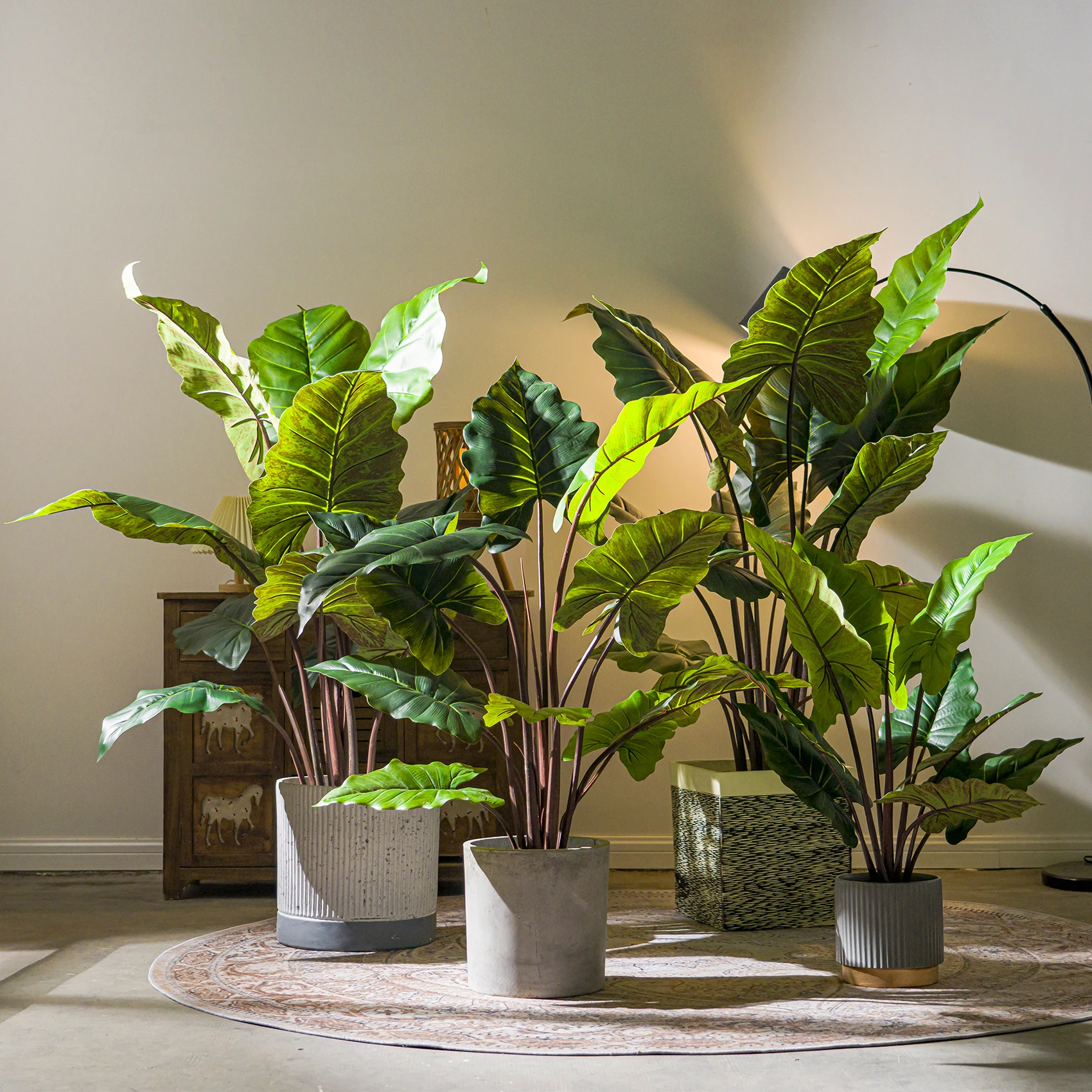
The Psychology Behind Artificial Greenery in Brand Environments
Creating Emotional Connections Through Biophilic Design
The human brain is naturally wired to respond positively to green spaces and natural elements, a phenomenon known as biophilia. When businesses incorporate artificial greenery into their environments, they tap into this primal connection to nature, creating spaces that feel more welcoming and comfortable. Research in environmental psychology demonstrates that exposure to green elements, even artificial ones, can reduce stress levels, improve cognitive function, and enhance overall well-being. This psychological response translates directly into customer behavior, with visitors spending more time in spaces decorated with artificial greenery and reporting higher satisfaction levels with their experience.
The visual impact of artificial greenery extends beyond mere aesthetics to influence brand perception and customer loyalty. When customers enter a space thoughtfully designed with high-quality artificial plants, they subconsciously associate the brand with qualities like freshness, growth, and environmental consciousness. This association becomes particularly powerful when the artificial greenery is strategically placed in key areas such as entrances, waiting areas, and transaction points, where customers form their most lasting impressions of the brand.
Color Psychology and Brand Identity Integration
The green color palette inherent in artificial greenery carries specific psychological associations that brands can leverage to reinforce their messaging. Green is universally associated with nature, growth, harmony, and renewal, making artificial greenery an excellent choice for brands seeking to communicate stability, trustworthiness, and forward-thinking approaches. The various shades and textures available in modern artificial greenery collections allow businesses to fine-tune their color schemes to align perfectly with their brand guidelines while maintaining the natural appeal that customers crave.
Smart implementation of artificial greenery involves considering how different plant types and arrangements support specific brand personalities. Sleek, minimalist artificial greenery arrangements work well for technology companies and modern professional services, while lush, tropical artificial plants might better serve hospitality businesses or creative agencies. The key lies in selecting artificial greenery that enhances rather than competes with existing brand elements, creating a cohesive visual narrative throughout the space.
Strategic Placement and Design Considerations
Entrance and First Impression Areas
The entrance to any business represents the most critical opportunity to make a positive first impression, and artificial greenery can play a pivotal role in setting the right tone from the moment customers arrive. Large-scale artificial greenery installations, such as living walls or impressive artificial trees, create immediate visual impact and communicate that the business values quality and attention to detail. These installations serve as natural conversation starters and photo opportunities, extending the brand's reach through social media sharing.
When designing entrance areas with artificial greenery, businesses should consider sight lines, traffic flow, and lighting conditions to ensure maximum impact. Strategic placement of artificial plants near signage or company logos creates visual anchors that help visitors navigate the space while reinforcing brand recognition. The durability of high-quality artificial greenery ensures that these entrance displays maintain their fresh appearance regardless of weather conditions or heavy foot traffic.
Workspace Integration and Employee Experience
Beyond customer-facing areas, artificial greenery can significantly enhance employee work environments and contribute to internal branding efforts. Open office spaces benefit enormously from artificial greenery installations that provide visual breaks, define different work zones, and create more pleasant surroundings without requiring maintenance resources. Studies show that employees working in environments with natural or nature-inspired elements report higher job satisfaction, increased productivity, and improved creativity levels.
The integration of artificial greenery into workspaces should align with company culture and work patterns. Flexible artificial greenery solutions, such as modular planters or portable arrangements, allow businesses to reconfigure their spaces as needed while maintaining consistent aesthetic appeal. This flexibility proves particularly valuable for companies that regularly host events, meetings, or collaborative sessions requiring different spatial arrangements.
Industry-Specific Applications and Benefits
Retail Environments and Customer Engagement
Retail businesses face unique challenges in creating environments that encourage browsing, purchases, and repeat visits. Artificial greenery offers retail establishments a powerful tool for creating distinct zones within their spaces, guiding customer flow, and enhancing product displays. High-end retail stores often use artificial greenery to create boutique-like atmospheres that justify premium pricing and encourage longer shopping sessions.
The seasonal consistency of artificial greenery proves particularly valuable for retail businesses that need to maintain brand coherence year-round. While live plants may struggle or die during certain seasons, artificial greenery maintains its vibrant appearance regardless of external conditions, ensuring that the retail environment always looks fresh and inviting. This reliability allows retailers to build their brand identity around specific artificial greenery themes without worrying about seasonal variations affecting their visual consistency.
Healthcare and Professional Services
Healthcare facilities and professional service offices benefit significantly from artificial greenery installations that create calming, welcoming environments without introducing allergens or maintenance concerns. Medical offices, dental practices, and therapy centers use artificial greenery to reduce patient anxiety and create more comfortable waiting experiences. The hygienic nature of quality artificial greenery makes it ideal for healthcare settings where cleanliness standards are paramount.
Professional service firms such as law offices, accounting practices, and consulting companies leverage artificial greenery to project success, stability, and attention to detail. These environments often require a balance between professionalism and approachability, and well-chosen artificial greenery arrangements help achieve this balance while reinforcing the firm's commitment to quality in all aspects of their operation.
Maintenance and Longevity Advantages
Cost-Effectiveness and Resource Management
One of the most compelling business arguments for artificial greenery lies in its exceptional cost-effectiveness over time. Unlike live plants that require ongoing investments in watering systems, soil replacement, fertilizers, and professional plant care services, artificial greenery represents a one-time investment that continues to deliver value for years. This predictable cost structure allows businesses to budget accurately for their environmental branding initiatives without worrying about escalating maintenance expenses.
The resource management benefits of artificial greenery extend beyond direct financial savings to include reduced facility management complexity. Buildings with extensive artificial greenery installations don't require specialized HVAC considerations for humidity control, drainage systems for plant watering, or pest management protocols. This simplification of facility operations allows building managers to focus on other priorities while maintaining beautiful, brand-enhancing environments.
Durability in Challenging Environments
Many business environments present challenges that make live plants impractical or impossible to maintain, including low-light areas, extreme temperatures, or high-traffic zones. Artificial greenery thrives in these challenging conditions, allowing businesses to extend their biophilic design concepts into areas where live plants would fail. This capability proves particularly valuable for businesses with unique architectural features, underground spaces, or 24-hour operations where consistent lighting for live plants would be problematic.
The UV resistance and color-fastness of premium artificial greenery ensure that even installations in bright, sun-exposed areas maintain their vibrant appearance over time. This durability makes artificial greenery an excellent choice for businesses with large windows, skylights, or outdoor covered areas where the consistent aesthetic appeal is crucial for brand presentation.
Implementation Best Practices and Design Principles
Quality Selection and Realistic Appearance
The success of artificial greenery as a branding tool depends heavily on selecting high-quality products that closely mimic the appearance and texture of live plants. Modern manufacturing techniques have produced artificial greenery options that are virtually indistinguishable from their living counterparts, but businesses must invest in premium products to achieve this level of realism. Low-quality artificial greenery can actually harm brand perception, so the initial investment in superior products pays dividends in terms of customer response and brand image.
When evaluating artificial greenery options, businesses should consider factors such as leaf texture, color variation, branching patterns, and overall plant structure. The most convincing artificial greenery incorporates natural imperfections, color gradients, and varied leaf sizes that mirror the complexity of living plants. These details create the visual richness necessary to maintain the illusion of natural growth while providing the practical benefits that make artificial greenery superior for commercial applications.
Lighting and Display Techniques
Proper lighting plays a crucial role in maximizing the visual impact of artificial greenery installations and ensuring they contribute effectively to brand environments. Strategic lighting can highlight the textures and colors of artificial greenery while creating dramatic shadows and depth that enhance the overall aesthetic appeal. LED lighting systems designed specifically for artificial greenery can simulate natural sunlight patterns and create dynamic visual effects that change throughout the day.
The integration of artificial greenery with existing lighting systems should consider both functional and aesthetic requirements. Accent lighting can draw attention to specific artificial greenery installations that serve as focal points, while ambient lighting ensures that artificial greenery elements throughout the space contribute to the overall atmosphere without creating visual competition with other brand elements.
Measuring Success and Brand Impact
Customer Feedback and Behavioral Analytics
Businesses implementing artificial greenery as part of their branding strategy should establish metrics for measuring the impact of these installations on customer behavior and brand perception. Customer surveys, feedback forms, and online reviews often reveal positive responses to well-designed artificial greenery environments, providing quantifiable data about the effectiveness of these branding investments. Social media monitoring can also reveal how customers respond to and share images of artificial greenery installations.
Behavioral analytics, such as dwell time measurements, foot traffic patterns, and purchase conversion rates, can provide objective data about how artificial greenery affects customer behavior in retail environments. Many businesses report increased customer satisfaction scores and longer visit durations after implementing thoughtful artificial greenery designs, demonstrating the measurable impact of these environmental branding tools.
Employee Satisfaction and Productivity Metrics
The internal branding benefits of artificial greenery can be measured through employee satisfaction surveys, productivity metrics, and retention rates. Companies that have integrated artificial greenery into their workplace design often see improvements in employee morale, reduced stress-related absences, and enhanced recruitment success as job candidates respond positively to attractive work environments. These metrics help justify the investment in artificial greenery by demonstrating its contribution to human resources objectives.
Long-term tracking of workplace satisfaction and productivity can reveal the sustained benefits of artificial greenery installations. Unlike temporary decorative elements, well-designed artificial greenery continues to provide psychological and aesthetic benefits over time, making it a valuable component of comprehensive workplace branding strategies that support both employee experience and business performance goals.
FAQ
How does artificial greenery compare to live plants for branding purposes
Artificial greenery offers several advantages over live plants for branding applications, including consistent appearance regardless of seasonal changes, lower long-term costs, and the ability to thrive in challenging environments where live plants would struggle. While live plants provide authentic natural benefits, artificial greenery delivers reliable visual impact without the maintenance requirements, making it ideal for businesses that need predictable branding elements. The key is selecting high-quality artificial greenery that closely mimics natural plants to maintain the psychological benefits associated with biophilic design.
What factors should businesses consider when selecting artificial greenery for their brand environment
Businesses should prioritize quality, realism, and brand alignment when selecting artificial greenery for their spaces. Important considerations include the color palette compatibility with existing brand elements, the scale and style that matches the architectural environment, and the specific placement requirements for maximum impact. The durability and UV resistance of the artificial greenery become crucial factors for installations in high-light areas or high-traffic zones. Additionally, businesses should consider the flexibility of their artificial greenery solutions to accommodate future space reconfiguration or seasonal design changes.
Can artificial greenery effectively support sustainability messaging in brand communications
While some might question whether artificial greenery supports genuine sustainability messaging, modern high-quality artificial greenery can actually align with sustainability goals when viewed from a lifecycle perspective. Premium artificial greenery eliminates the water consumption, pesticide use, and transportation emissions associated with maintaining live plants in commercial settings. Additionally, artificial greenery reduces waste from replacing dead plants and eliminates the need for ongoing soil and fertilizer inputs. Businesses should focus on selecting artificial greenery made from recyclable materials and emphasize the resource conservation benefits in their sustainability communications.
How can businesses integrate artificial greenery with digital and technological brand elements
Modern businesses can create innovative combinations of artificial greenery with digital displays, interactive technologies, and smart building systems to enhance their brand messaging. Artificial greenery installations can incorporate LED lighting systems that change colors to match brand themes or seasonal campaigns. Interactive displays can be integrated with artificial greenery walls to create engaging customer experiences that combine natural aesthetics with technological innovation. The static nature of artificial greenery makes it an ideal backdrop for digital elements, as it provides visual interest without competing for attention with dynamic technological features.
Table of Contents
- The Psychology Behind Artificial Greenery in Brand Environments
- Strategic Placement and Design Considerations
- Industry-Specific Applications and Benefits
- Maintenance and Longevity Advantages
- Implementation Best Practices and Design Principles
- Measuring Success and Brand Impact
-
FAQ
- How does artificial greenery compare to live plants for branding purposes
- What factors should businesses consider when selecting artificial greenery for their brand environment
- Can artificial greenery effectively support sustainability messaging in brand communications
- How can businesses integrate artificial greenery with digital and technological brand elements